Farhan hamdan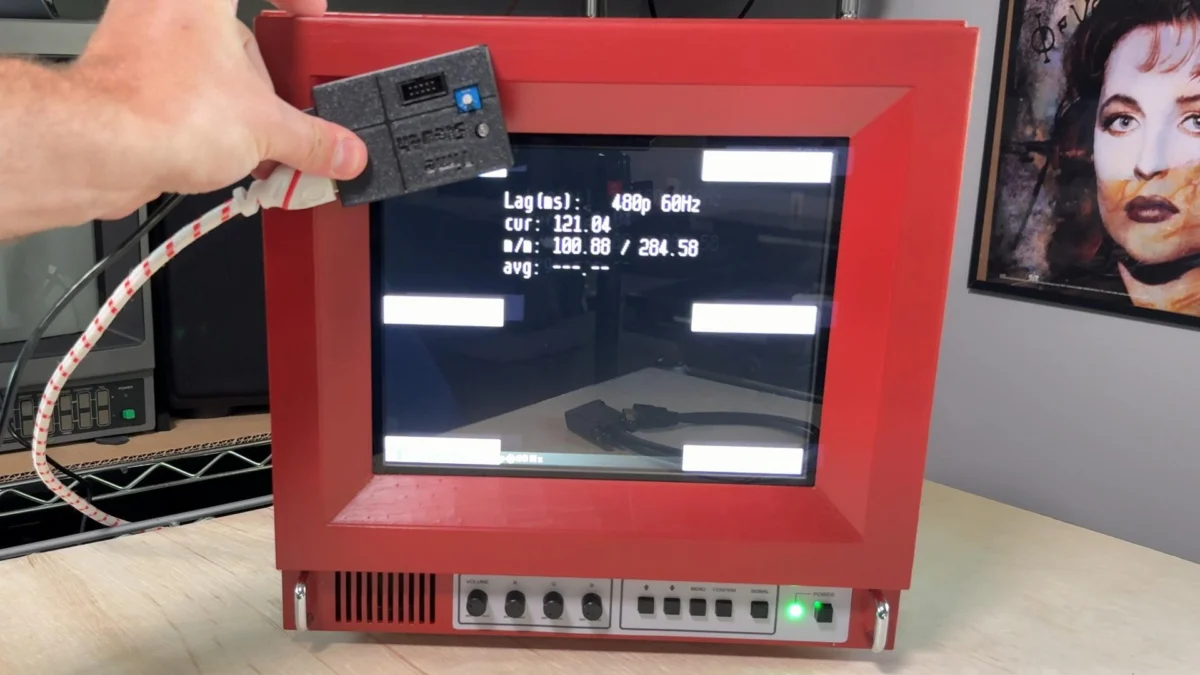
The consumer electronics crowdfunding landscape has once again become the center of a hardware controversy following the launch of the Unico Traveller ULW10 Kickstarter campaign. The product, marketed as a modern, retro-styled 4:3 aspect ratio 10-inch LCD monitor modeled after classic Sony PVM cathode-ray tube (CRT) displays, has drawn sharp criticism from industry reviewers who gained early access to prototype hardware. Priced at approximately $300, the device was designed to appeal to retro gaming enthusiasts utilizing modern FPGA-based systems like the MiSTer or single-board computers like the Raspberry Pi via HDMI. However, initial technical evaluations of the prototype hardware revealed severe performance bottlenecks, including an average input lag of 100 milliseconds and malfunctioning analog video inputs, raising significant concerns among backers who have already pledged hundreds of thousands of dollars to the campaign.
Chronology of the Traveller ULW10 Development and Review Process
The sequence of events leading up to the public dispute began in early July, when hardware reviewers were approached by representatives from Unico to evaluate the Traveller ULW10 display prior to its official crowdfunding launch. Reviewers were informed that configuration required no specialized software installation beyond a standard web browser, and the only condition imposed was an embargo on publicizing findings until the Kickstarter campaign went live.
On July 24, evaluation units arrived at testing facilities. Initial diagnostic testing commenced the following day. The results indicated major performance shortcomings:
- The display exhibited an input lag averaging approximately 100 milliseconds, translating to roughly ten frames of delay.
- The unit failed to accept 240p or 480i resolutions over its VGA input.
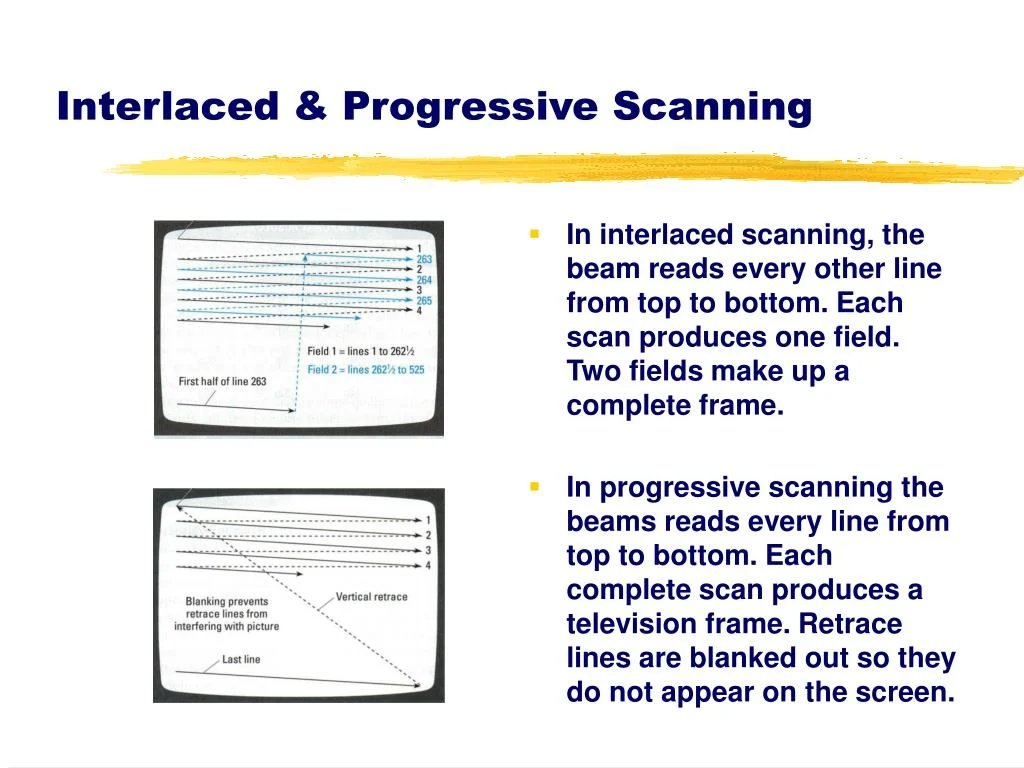
- While the unit accepted 240p over its RGBs inputs, the internal processing treated the signal as 480i, forcing a deinterlacing routine that resulted in a blurry and unstable image.
- Confusion surrounding the physical inputs revealed that the yellow RCA jack functioned as a sync line rather than composite video, while the Red, Green, and Blue RCA connections functioned as RGBs rather than YPbPr component video, necessitating complex adapter chains to connect standard SCART cables.
Following these discoveries, reviewers contacted Unico representatives with documented proof of the performance issues, inquiring whether the evaluated hardware was defective. Company representatives stated that a firmware update would be provided within days and requested specific methodologies for verifying input lag. Despite multiple follow-up inquiries, no firmware patch was delivered. When the anticipated August launch window for the Kickstarter campaign passed without an announcement, observers initially assumed the hardware was undergoing a substantial redesign.
However, the crowdfunding campaign subsequently launched, rapidly surpassing its initial financial goals and accumulating hundreds of thousands of dollars in backing. When questioned about the unresolved hardware flaws after the campaign went live, Unico representatives maintained that the technical issues would be fully resolved before the conclusion of the funding drive.
Manufacturer Responses and Crowdfunding Philosophy
As public scrutiny mounted, Unico addressed the technical feedback directly within the public comments section of the Kickstarter campaign. The company defended its development timeline by emphasizing the traditional nature of crowdfunding platforms, stating that the spirit of Kickstarter involves financial backing based on prototypes and conceptual designs. Furthermore, Unico acknowledged that the hardware remained actively in development—not merely awaiting minor firmware tuning—and confirmed that mass production would not commence before the conclusion of the crowdfunding campaign.

This admission means financial contributors are essentially investing capital into an unproven device based on the assumption that engineering teams will successfully remediate deep-seated hardware and software flaws before the scheduled delivery date. When confronted with the inherent risks of this approach—specifically the dilemma faced by reviewers who must warn consumers about current hardware performance while manufacturers promise future fixes—Unico asserted that reviewers would receive updated units to confirm rectifications before final consumer shipments.
Industry veterans have expressed skepticism regarding these assertions. Managing hardware redesigns, firmware overhauls, and potential component substitutions—such as sourcing an entirely new IPS panel to address performance limitations—typically requires extended engineering cycles. Meeting aggressive delivery timelines while executing fundamental hardware revisions presents a formidable logistical and technical challenge.
Technical Analysis and Market Context
The concept of bridging the aesthetic appeal of vintage CRT monitors with the convenience, weight reduction, and low maintenance of modern flat-panel displays has grown increasingly popular within the enthusiast community. Kits and standalone cases designed to house modern LCD panels in retro shells have established a dedicated niche market. However, reproducing the visual fidelity and responsiveness of vintage equipment on a budget presents significant engineering hurdles.
From a manufacturing perspective, utilizing an LCD panel rather than an OLED screen represents a pragmatic financial choice. While OLED technology would offer superior black levels and response times, current market pricing for 4:3 OLED panels remains prohibitively expensive, which would price the end product out of reach for the majority of consumers. By choosing an LCD panel, Unico aimed to maintain an accessible price point near the $300 mark.
Nevertheless, technical analysts note that low-end retro gaming peripheral hardware frequently suffers from predictable pitfalls:
- High input lag resulting from inadequate video processing scalers.
- Inaccurate handling of legacy analog video standards, such as 240p signals mistakenly processed as interlaced video.
- Over-reliance on crowdfunding capital to fund research and development phases that should ideally precede public capital solicitation.
While industry experts generally agree that the Traveller ULW10 is not an intentional fraudulent enterprise, the current iteration fails to meet the basic performance thresholds required for competitive or authentic retro gaming experiences. If the manufacturer successfully eliminates input latency and corrects or removes problematic analog signal processing, a revised iteration of the hardware could theoretically serve as a viable peripheral for HDMI-based retro setups. Until tangible, verified production units demonstrate these vital corrections, consumer advocates recommend extreme caution before committing funds to unverified crowdfunding hardware.