Hartono Sudibyo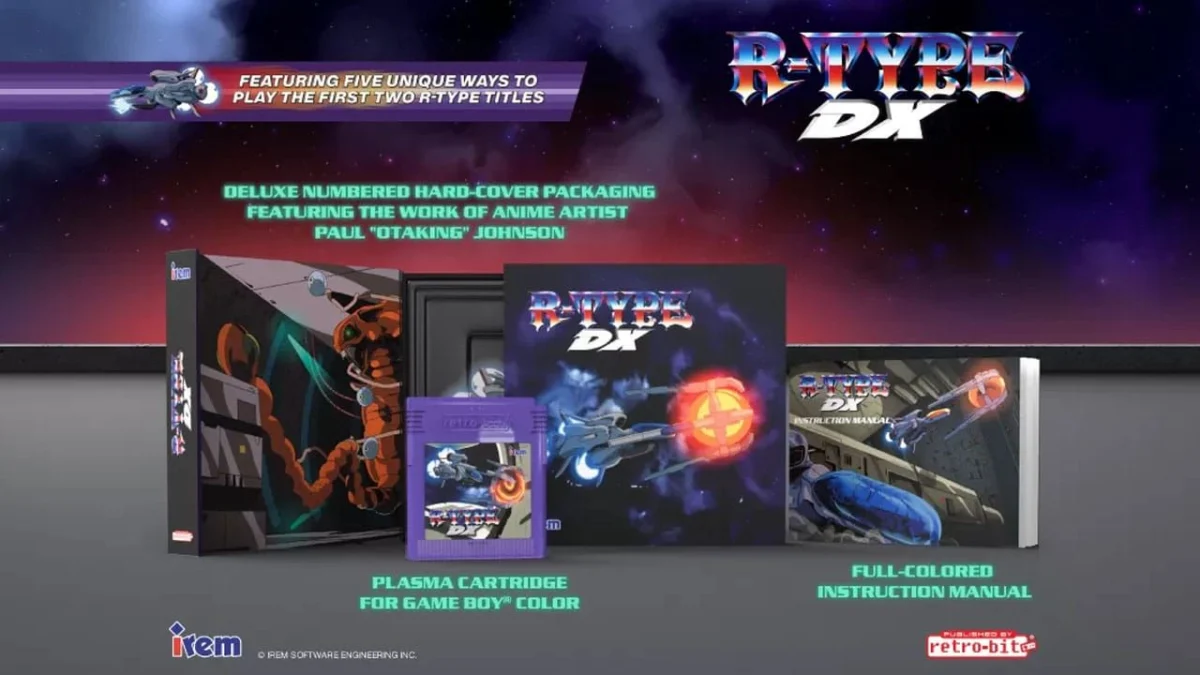
The revival of classic retro gaming hardware and software continues to accelerate as publisher Retro-Bit officially announced a brand-new physical cartridge release of R-Type DX, tailored for legacy Nintendo Game Boy systems and modern compatible hardware such as the ModRetro Chromatic. This upcoming release bridges decades of video game history by packaging five distinct iterations of the legendary side-scrolling shoot ’em up onto a single plasma purple physical cartridge. As physical media collectors and retro enthusiasts drive a sustained market resurgence for cartridge-based video games, Retro-Bit’s latest offering highlights the enduring commercial viability of hardware preservation and niche software distribution.
Main Facts and Product Specifications
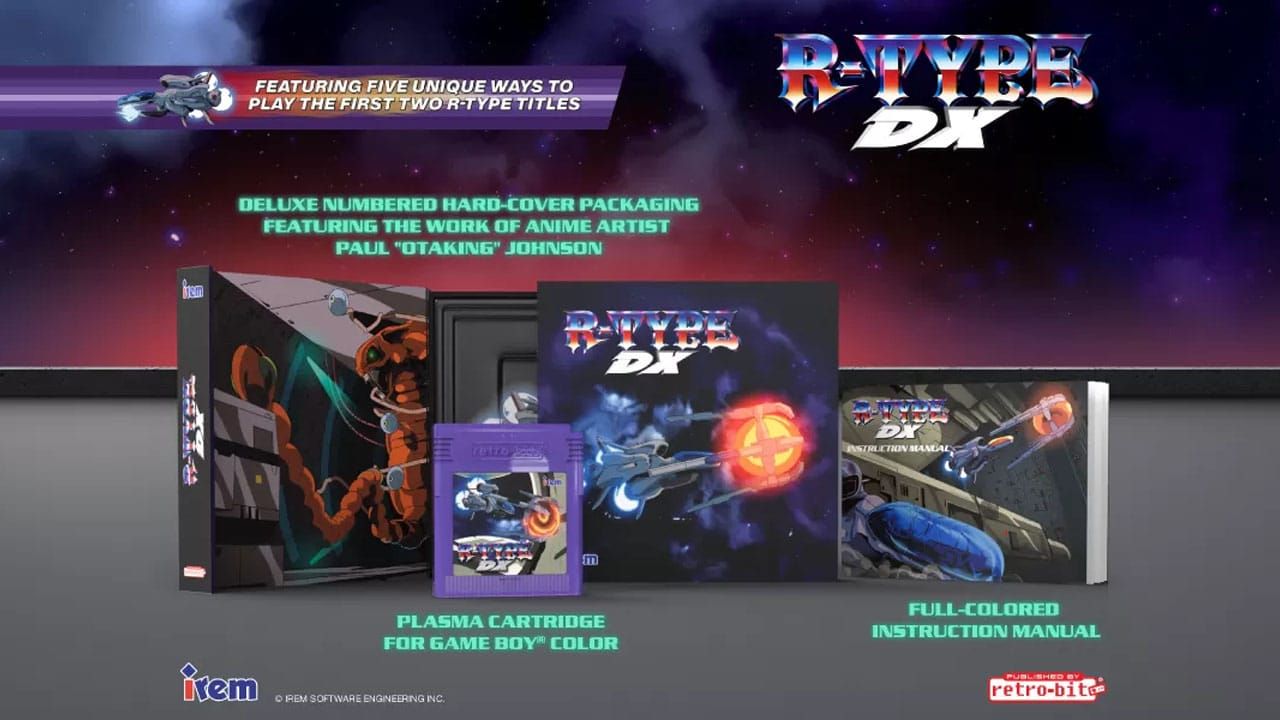
The newly unveiled R-Type DX physical release is a comprehensive compilation designed to function natively on original Game Boy, Game Boy Color, and advanced retro-compatible handhelds. Manufactured to industry standards, the standard edition features a striking plasma purple cartridge shell. For collectors seeking alternative aesthetics, a limited-edition run featuring a cosmic black cartridge will be distributed via Limited Run Games.
Unlike standard single-title retro ports, this release crams five distinct gaming experiences onto one PCB. Players will gain access to:

- The original R-Type in its classic monochrome Game Boy format.
- A color-enhanced version of the original R-Type.
- R-Type II in its classic monochrome iteration.
- A color-enhanced version of R-Type II.
- The exclusive R-Type DX Mode, which seamlessly combines both titles into one continuous, unbroken playthrough experience.
In addition to the physical cartridge, the complete package includes a premium hard-cover display box and a full-color instruction manual, satisfying the growing consumer demand for tangible, collectible video game packaging that mirrors the retail standards of the late 1980s and 1990s.
Chronology and Historical Background
The roots of the R-Type franchise trace back to 1987, when Japanese developer Irem originally released the seminal arcade game. Directed by Kazmusa Itamae, the original arcade cabinet revolutionized the horizontal scrolling shooter genre by introducing the "Force" device—a detachable, indestructible pod that could be attached to the front or rear of the player’s R-9 starfighter to provide both offensive firepower and defensive shielding.
Following its arcade success, R-Type was ported to numerous home consoles and microcomputers of the era, including the PC Engine (TurboGrafx-16), Sega Master System, Commodore Amiga, and eventually Nintendo’s portable ecosystem. R-Type II followed in 1989, expanding upon the mechanics of its predecessor with new weapons, larger bio-mechanical enemies, and increased screen density.
The R-Type DX moniker specifically refers to a specialized Game Boy Color release that originally synthesized elements of both titles, utilizing the color palette capabilities of Nintendo’s late-90s handheld hardware. By partnering with rights holders to issue a modern, officially licensed physical iteration via Retro-Bit, the project provides a definitive physical preservation vehicle for portable versions of the games that many players experienced during the handheld booms of the 1990s.

Industry Context and the Retro Hardware Ecosystem
The announcement of R-Type DX arrives during a period of intense activity within the retro gaming hardware market. The intersection of vintage console preservation and modern boutique manufacturing has created a robust ecosystem for physical media. Companies like Retro-Bit, Limited Run Games, and Analogue have established profitable models by catering to consumers who reject purely digital distribution in favor of tangible ownership.
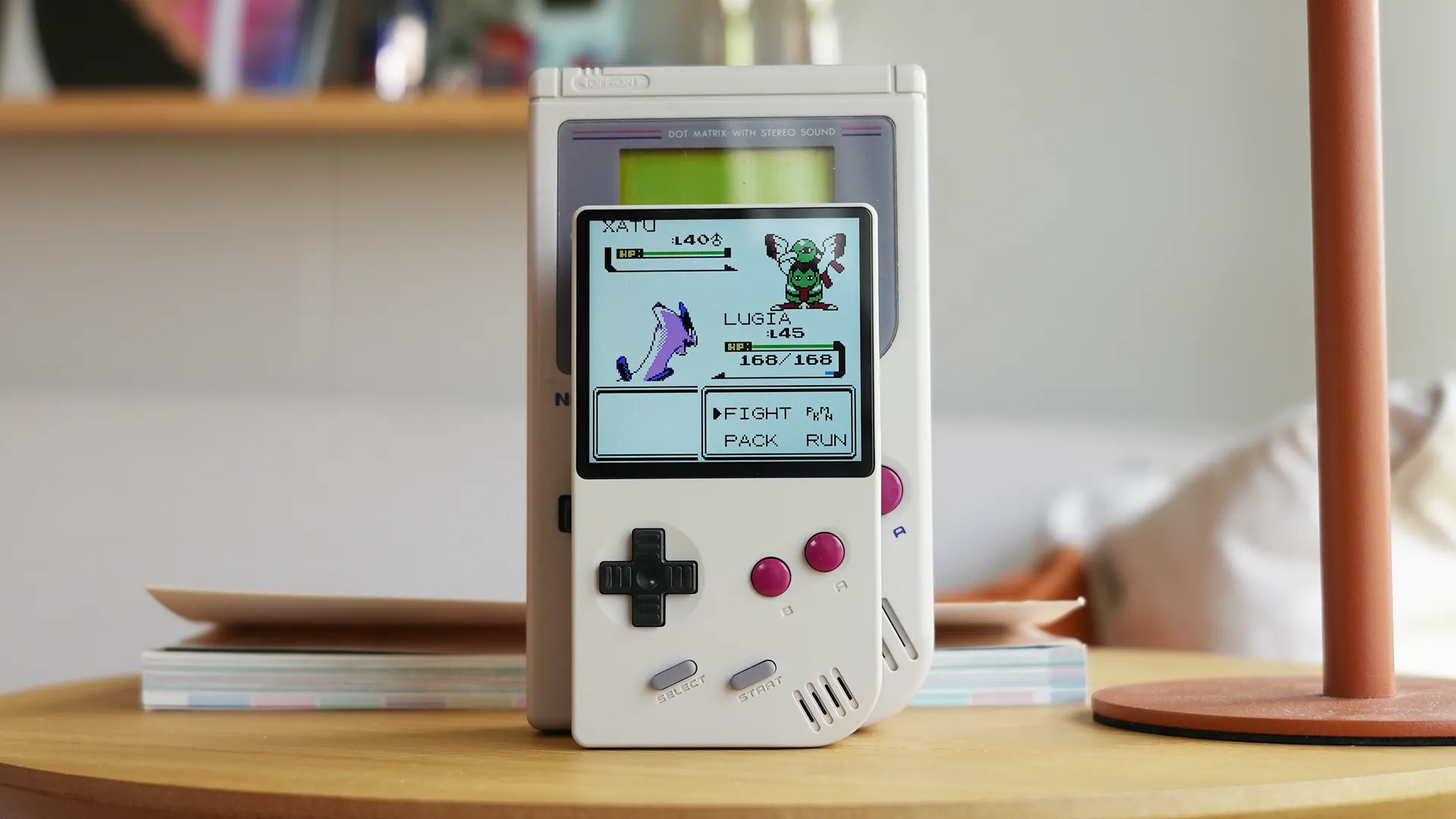
Concurrently, the recent market introduction of platforms like the ModRetro Chromatic—a modern handheld engineered specifically to play physical Game Boy cartridges with contemporary display technology—has expanded the addressable market for new physical cartridge releases. Software publishers no longer rely solely on aging original hardware to sell physical units; instead, they can market new and re-issued cartridges to a demographic of consumers utilizing high-end, premium retro-compatible hardware. This hardware synergy ensures that newly manufactured cartridges enjoy both nostalgic utility on original hardware and enhanced visual fidelity on modern screens.
Publisher Statements and Distribution Logistics
Official announcements made via Retro-Bit’s corporate communications channels outlined the scope of the release, emphasizing the inclusion of the unified R-Type DX gameplay mode.
"Save the Earth from the Bydo Empire!" stated Retro-Bit Gaming in an official product announcement. "Own five games in one! Play R-Type and R-Type II in both classic and color-enhanced versions, plus the new R-Type DX mode, which combines both games into one continuous playthrough."
Pre-orders for the standard edition have opened through Retro-Bit’s global network of authorized retail partners across North America and Europe, with pricing structures reflective of boutique, low-run physical media production. Meanwhile, the limited-edition variant managed by Limited Run Games caters to dedicated collectors, though fulfillment timelines for specialized limited runs typically extend further out due to custom manufacturing queues. Standard retail shipments are projected to commence globally.
Broader Impact and Market Implications
The continued commercial viability of physical cartridge releases for discontinued legacy consoles underscores a fundamental shift in consumer psychology within the video game industry. While digital storefronts dominate mainstream revenue streams, physical releases for platforms like the Game Boy function simultaneously as toys, collectibles, and functional art pieces.
For independent and boutique publishers, manufacturing physical cartridges serves as a hedge against digital saturation. It commands higher price points per unit and fosters dedicated community engagement that digital storefronts rarely replicate. Furthermore, these releases contribute directly to digital preservation efforts by keeping foundational gaming intellectual property accessible on physical mediums independent of server upkeep, online store closures, or account revocations.
As long as manufacturers continue to support legacy form factors with new software—and as long as hardware developers like ModRetro introduce modern players to physical cartridges—the market for classic arcade ports on portable retro media will remain a vibrant, economically stable sector of the broader gaming industry.