Hartono Sudibyo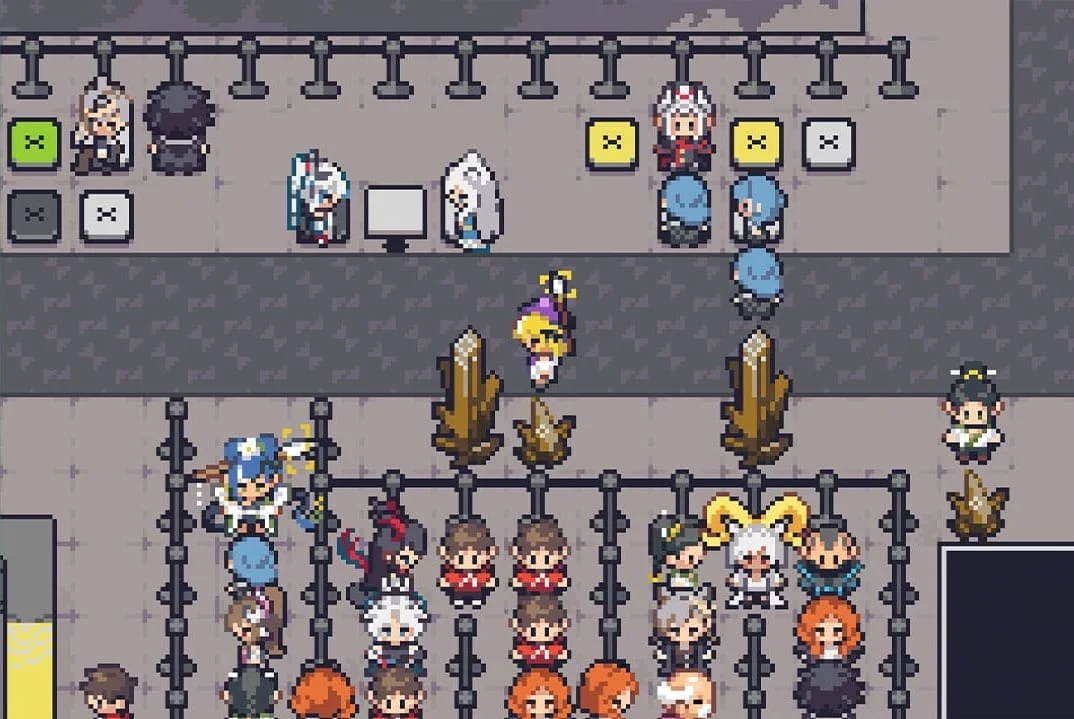
The intersection of tactical role-playing games and classic monster-collection titles has yielded a unique entry into the community-driven development space with the release of Pokémon CC: Operation Masquerade. Developed by the collaborative team of Turtleye, hedara, and Pawkkie, the project adapts the intense "Contingency Contract" endgame architecture popularized by the tower-defense tactical RPG Arknights and infuses it into the foundational engine of Pokémon Emerald.
Rather than following the traditional framework of gym badges, open-world exploration, and league championships, Operation Masquerade drops players into a convention setting where tactical endurance, high-stakes resource management, and modifier-based challenges dictate progression. Starring a protagonist named Tiana, the title tasks players with utilizing a restricted roster of Pokémon to survive grueling gauntlets of trainer battles. The release has quickly drawn attention from the broader ROM-hacking and indie development communities due to its bespoke interface design, deep systemic overhauls, and deliberate subversion of genre conventions.
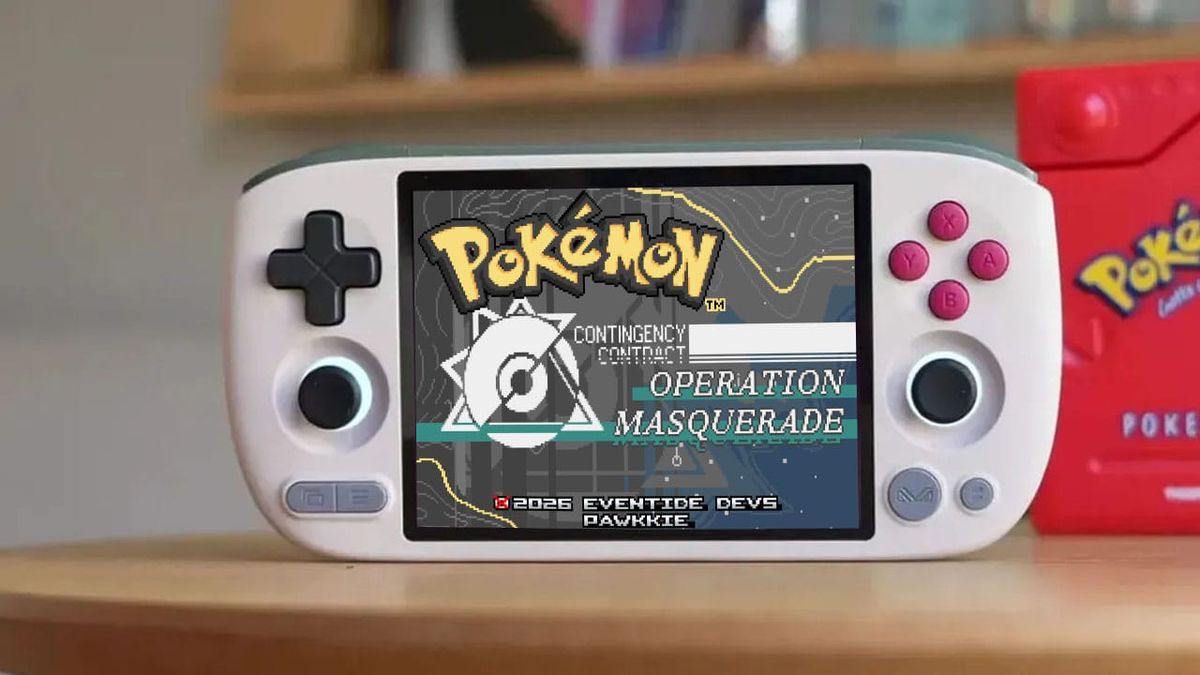
Main Facts and Architectural Design
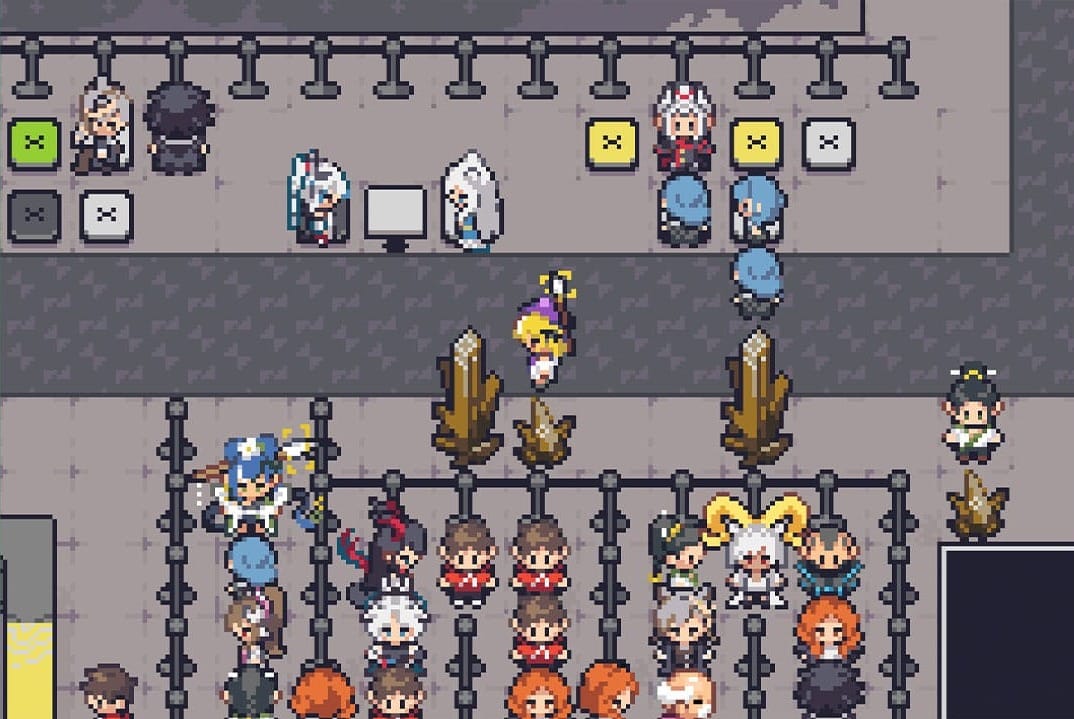
At its core, Pokémon CC: Operation Masquerade functions as a heavily modified ROM patch built on top of the Game Boy Advance classic Pokémon Emerald. However, distinguishing it from standard difficulty hacks or randomized playthroughs is the complete overhaul of the user interface. Every visual element—spanning the overworld maps, menu management dashboards, and the granular details of the battle interface—has been entirely redrawn from scratch by the development team.
The project’s defining feature is its integration of modular difficulty modifiers inspired by Arknights’ Contingency Contract events. Players can selectively enable handicaps and environmental restrictions before entering battle, scaling the difficulty to achieve higher performance scores. To complement this high-difficulty loop, the creators integrated an in-game gacha and credit economy. Players earn credits through successful battle sequences, which can then be spent on randomized pulls to secure new items, gear, and Pokémon specimens, echoing the monetization mechanisms of modern mobile gaming within a retro, offline single-player environment.
Furthermore, the developers have noted that the game incorporates an exceptionally complex scripting architecture for its relatively contained map size. This technical density allows for dynamic event triggers, custom NPC interactions tied to the convention backdrop, and multi-tiered battle conditions that test the strategic limits of traditional turn-based combat systems.

Chronology and Development Background
The genesis of Pokémon CC: Operation Masquerade reflects the ongoing evolution of the Pokémon ROM-hacking scene, which has increasingly gravitated toward mechanical innovation rather than mere regional reskins. Conceptualized by Turtleye, hedara, and Pawkkie, the project spent a significant development cycle in closed testing and refinement to ensure stability across standard hardware and emulation platforms.
While an exact timeline of the game’s initial conception remains internal to the development collective, public interest surged as preview materials highlighting the custom battle interfaces and double-battle mechanics circulated online. The project reached its public launch milestone in September 2026, when it was cataloged on major ROM-hacking resource platforms such as Hackdex. The rollout followed a standard distribution model for community projects, requiring end-users to supply their own legally acquired base ROM of Pokémon Emerald to apply the patch file independently.
Supporting Data and Technical Mechanics
To understand the scope of Operation Masquerade, one must analyze how its mechanics diverge from standard third-generation Pokémon titles. Pokémon Emerald natively supports double battles, status management, and moderate AI scripting. However, Operation Masquerade expands upon these foundations by introducing systems foreign to official Game Freak titles:
- Modifier System: Players select specific constraints—such as restricted party sizes, turn limits, disabled item usage, or stat debuffs—that actively increase the difficulty rating of a given encounter.
- Credit Economy: Battles yield convention credits rather than standard monetary currency (Poké Dollars), shifting the economic loop toward arcade-style resource management.
- Gachapon Integration: Credits are funneled into automated prize machines or gacha mechanics to acquire randomized additions to the player’s lineup, introducing an element of controlled RNG (Random Number Generation) to party building.
- Custom Asset Pipeline: Over 90 percent of the graphical assets visible on screen, including sprites, background convention halls, and UI framing, are custom-drawn, bypassing the asset limitations typically associated with vanilla decompilation projects.
Community Reception and Creator Insights
The release has been met with significant enthusiasm from strategy enthusiasts within the retro gaming community. Observers have noted that the game successfully bridges two disparate gaming cultures: the meticulous, numbers-driven optimization required in tactical gacha titles and the turn-based execution of competitive Pokémon.
The development trio has maintained an open dialogue regarding the technical hurdles of the project. In developer notes accompanying the release, Turtleye, hedara, and Pawkkie remarked on the sheer volume of custom code required, noting that the map houses an "unholy amount of scripting" relative to its physical boundaries. This density ensures that players encounter scripted narrative beats, dynamic trainer behavior, and reactive environment changes that mimic the chaotic, bustling atmosphere of a real-world pop-culture convention.
Broader Impact and Industry Implications
The emergence of projects like Operation Masquerade underscores the sustained vitality of the Game Boy Advance ROM-hacking ecosystem. As development tools become more sophisticated through community-driven decompilation projects—such as the complete source code recreation of Pokémon Emerald—creators are increasingly empowered to build entirely new genres within retro hardware constraints.
By fusing the tactical puzzle-box design of Arknights with the battle engine of Pokémon, the developers have demonstrated that retro-adjacent platforms can host complex, modern game design loops. While Nintendo and The Pokémon Company maintain strict intellectual property protections regarding commercial distribution, non-commercial community projects continue to serve as incubators for innovative design concepts that official releases rarely explore. For players interested in experiencing the crossover, the patch remains accessible via specialized distribution hubs, provided they utilize legitimate copies of the source material.