Cecilia Chamidah Nur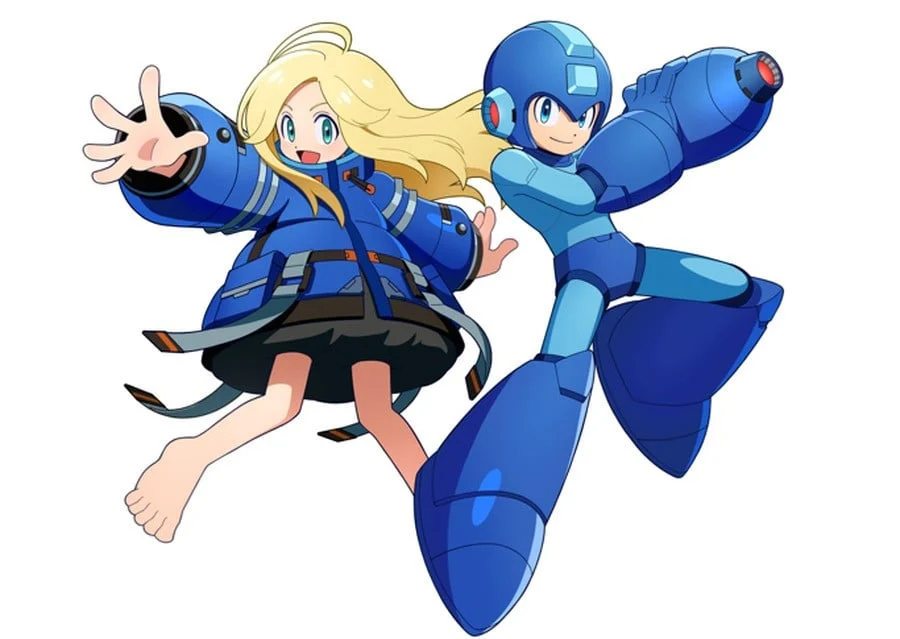
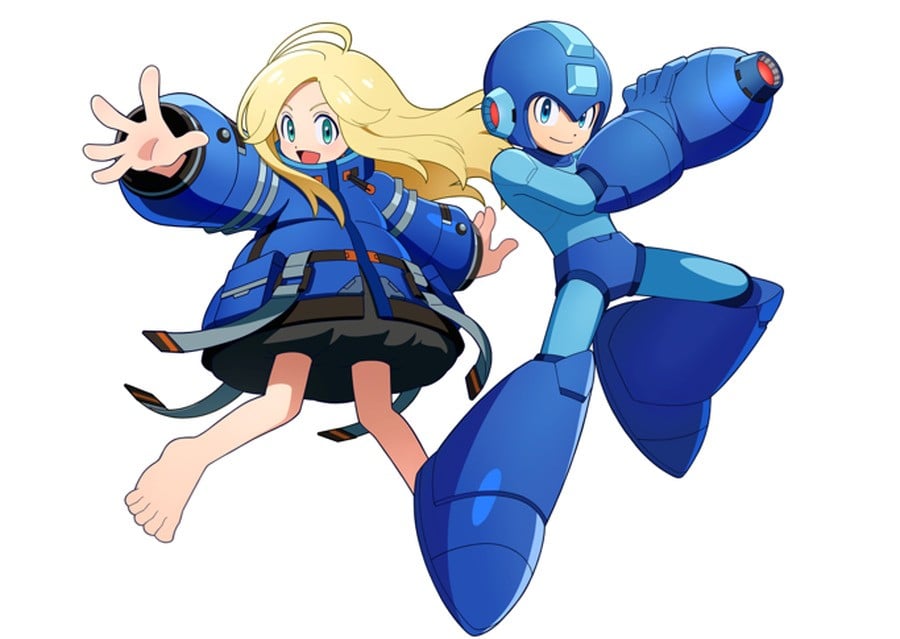
Capcom has officially leaned into long-standing community speculation by releasing a series of promotional illustrations that unite the iconic Super Fighting Robot, Mega Man, with the protagonist of the 2026 hit Pragmata, Diana. This artistic collaboration, released this past Monday, serves as a bridge between the developer’s storied history and its modern strategic trajectory. While the imagery is primarily intended to promote a new line of merchandise available through the official Capcom store, it carries significant weight for followers of the company, acting as an acknowledgment of the persistent rumors that dogged Pragmata throughout its lengthy, high-profile development cycle.
The Origin of the Conspiracy
For years, the development of Pragmata—first announced during the 2020 PlayStation 5 reveal event—was shrouded in mystery. The game faced multiple delays, pushing its release window back repeatedly. During this period of silence, a prominent fan theory emerged within online gaming forums and social media spaces suggesting that Pragmata was not an original IP, but rather a clandestine, high-budget revival of the Mega Man franchise.
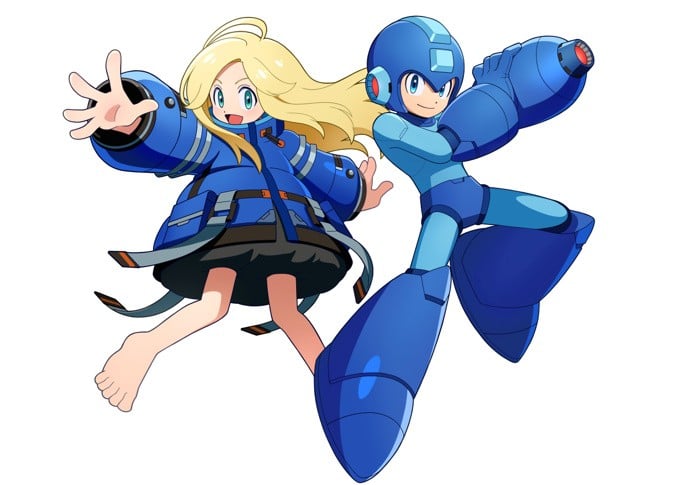
The speculation was fueled by specific aesthetic choices made by the development team. Diana, the co-protagonist of Pragmata, features a character design that incorporates a vibrant, futuristic blue color palette, along with specialized sleeves that bear a striking, albeit coincidental, resemblance to the iconic arm-cannon utilized by Mega Man. To the dedicated fan base, these visual cues were interpreted as "Easter eggs" or breadcrumbs left by developers to hint at a reimagined future for the Blue Bomber. Although the official release of Pragmata in April 2026 definitively debunked these theories, the connection remained a playful subject of discussion. Capcom’s recent decision to produce official crossover art featuring both characters effectively canonizes the community’s creative spirit, turning a debunked conspiracy into a celebratory marketing initiative.
Chronology of the Crossover
The path to this moment has been paved with incremental nods between the two properties. The timeline of this intersection can be summarized as follows:
- June 2020: Pragmata is announced with a trailer, sparking the first wave of "Mega Man reboot" theories.
- 2021–2025: Capcom maintains a period of relative silence regarding Pragmata, allowing speculation to flourish as fans analyze every frame of released footage for robotic parallels.
- April 2026: Pragmata launches to critical and commercial acclaim, clarifying the game’s original narrative and setting, thereby officially ending the rumors.
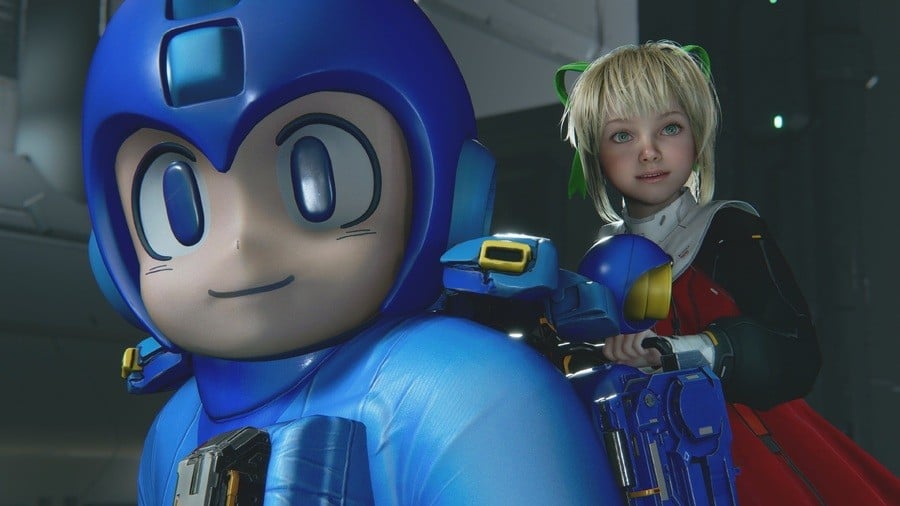
- Summer 2026: Capcom releases post-launch DLC for Pragmata, which includes cosmetic items that allow players to dress characters Diana and Hugh in costumes resembling Mega Man and Roll.
- September 2026: Capcom releases official promotional artwork depicting the two characters in a shared, high-action environment, accompanied by a new line of co-branded merchandise.
Strategic Merchandising and Brand Synergy
The recent release of the "trinket" range—which includes keychains, acrylic stands, and apparel—is a calculated move to maximize the intellectual property value of both franchises. By linking a legacy brand like Mega Man with a new, successful IP like Pragmata, Capcom is successfully exposing the younger generation of players, who may have entered the ecosystem through Pragmata, to the long-standing heritage of the Blue Bomber.

From a business perspective, this synergy allows Capcom to maintain engagement with the Mega Man audience during a gap in mainline releases. While 2026 saw the release of the Mega Man Star Force Legacy Collection, which compiled seven titles from the Nintendo DS era, the core audience remains eager for new experiences. The strategic cross-pollination of these brands keeps the Mega Man name prominent in the public consciousness as the company prepares for the launch of Mega Man: Dual Override, scheduled for the spring of 2027.
Implications for Future Development
Industry analysts suggest that this collaboration is more than just a nod to fan jokes; it reflects a broader strategy by Capcom to utilize its internal properties as a cohesive, interconnected ecosystem. By allowing characters from distinct universes to appear in the same promotional materials, the company creates a sense of "Capcom continuity."
While the developers have not signaled any intent to bridge the actual game worlds—Diana is unlikely to appear in the upcoming Dual Override—the move represents a shift in how legacy developers handle their back catalogs. Instead of leaving older franchises to languish in static collections, Capcom is actively integrating them into the marketing and cultural conversation surrounding its new, modern titles.
Furthermore, the release of the Pragmata costume DLC earlier this year set a precedent for how these properties could interact. The visual impact of seeing characters in a hyper-realistic, high-tech engine like the one used for Pragmata wearing the classic attire of 8-bit or 16-bit characters created a unique, if slightly surreal, aesthetic. It demonstrated the technical scalability of Capcom’s assets, suggesting that the company is comfortable experimenting with the visual identity of its most sacred icons.
Broader Market Impact
The success of Pragmata, which has achieved high marks from both critics and the global player base, has provided a stable foundation for this kind of experimental marketing. With the game available on the PlayStation 5, PC, Xbox Series, and the newly released Nintendo Switch 2, the potential for cross-platform brand visibility is at an all-time high.
The Mega Man franchise, meanwhile, continues to be a pillar of the industry’s retro-revival trend. The 2027 release of Mega Man: Dual Override is highly anticipated, and by ensuring that the brand remains active in the retail space through merchandise and crossovers, Capcom is effectively managing the anticipation of its core demographic. The inclusion of the "Dual Override" announcement alongside the crossover marketing reinforces that the company is balancing its investment between nostalgic re-releases and the future of the series.
Conclusion: A Nod to the Community
Ultimately, the decision to produce this artwork is a clear signal that Capcom listens to its audience. By taking a "conspiracy theory" and transforming it into a high-quality product, the studio has managed to turn a potentially confusing development cycle into a successful brand-building exercise. Whether this leads to further crossovers, or simply remains a fun footnote in the history of these two games, it provides a rare, transparent look at a developer engaging with the cultural footprint of its own creations.
As the industry looks toward 2027, the focus will undoubtedly shift to the release of Mega Man: Dual Override. However, the legacy of the Pragmata-Mega Man crossover will likely persist as an example of how developers can leverage humor and community speculation to enhance the longevity of their brands. Whether or not Diana ever makes a legitimate cameo in a Mega Man title remains to be seen, but for now, the fans have received the answer they were looking for—even if it came in the form of a keychain rather than a game disk.
The merchandise, which includes various poses of the duo, is currently available through the e-Capcom store, serving as a physical reminder of the thin line between fan theory and corporate reality. As Capcom continues to innovate its internal processes, it is clear that the company is not just resting on its laurels, but actively weaving its past into the fabric of its future.