Cecilia Chamidah Nur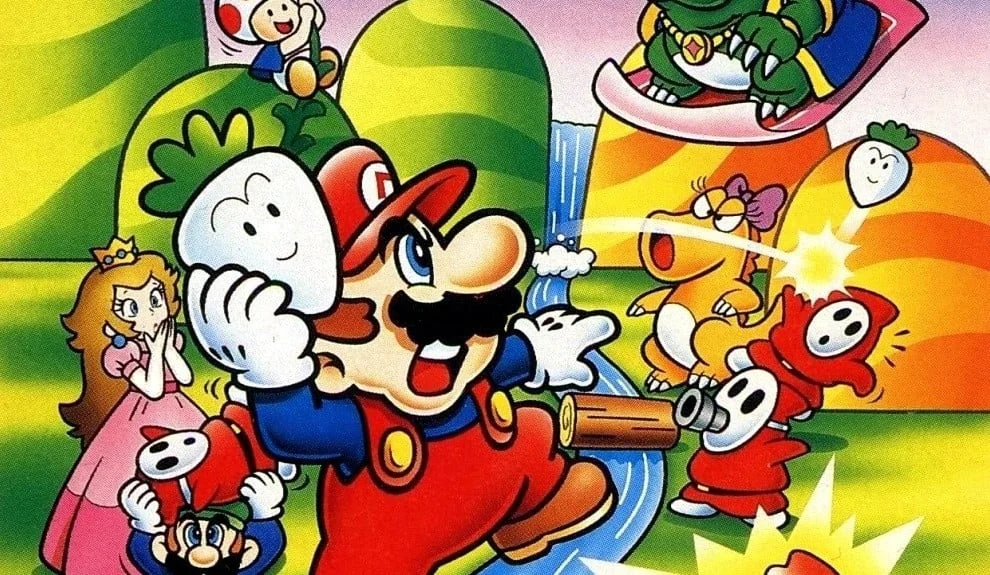
The history of Nintendo’s 16-bit era is littered with Japan-exclusive curiosities, but few are as technically complex or historically significant as the Satellaview peripheral. A new fan-led initiative, spearheaded by the preservationist Luigi Blood and voice director SinCama, has successfully ported the four-part Japan-exclusive title BS Super Mario USA into a single, cohesive ROM. This restoration project utilizes MSU-1 audio enhancement technology to deliver a fully localized English voiceover, marking the first time international audiences can experience this obscure chapter of Mario history in a format accessible to non-Japanese speakers.
The Satellaview: A Pioneer of Digital Distribution
To understand the significance of BS Super Mario USA, one must first examine the hardware it inhabited. Launched in 1995, the Nintendo Satellaview (BS-X) was a satellite modem peripheral for the Super Famicom. In partnership with the Japanese broadcaster St. Giga, Nintendo utilized the BS (Broadcasting Satellite) system to stream data directly into the homes of Japanese players. This system effectively functioned as an early precursor to modern digital distribution services like Xbox Live or the PlayStation Network.
The "SoundLink" technology was the centerpiece of the Satellaview experience. It allowed for the synchronization of high-quality audio broadcasts—including orchestral scores and live voice acting—with the gameplay data being played on the user’s console. Because these broadcasts occurred in real-time, the games were ephemeral; once the satellite signal ceased for the evening, the live voice acting and music were lost to time unless recorded by the end-user.
BS Super Mario USA: A Legacy of Rare Content
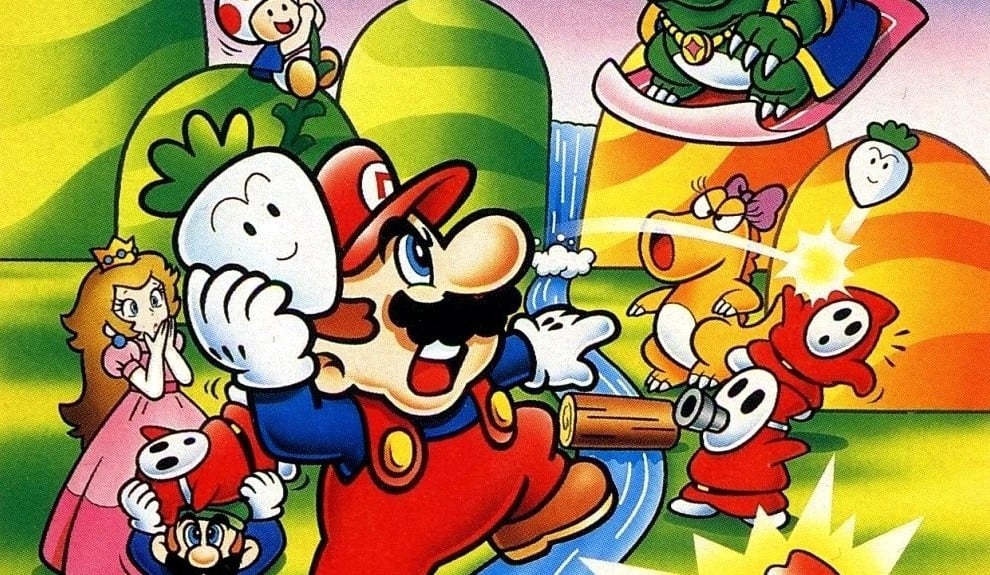
BS Super Mario USA was released in four distinct chapters throughout 1996. While it shares the aesthetic and gameplay engine of the original Super Mario Bros. 2 (Super Mario USA in Japan), it is mechanically distinct. The game functions as a score-attack challenge, tasking players with navigating levels while managing a ticking clock and listening to live narrative cues.
The story takes place after the events of the original title, featuring Mario, Luigi, Peach, and Toad as they contend with the return of Wart and his subordinates. For nearly three decades, the game remained a "lost" experience for the majority of the global gaming community. While ROM dumps of the raw game data have circulated in preservation circles for years, the absence of the "SoundLink" audio—the very element that defined the game’s unique narrative experience—rendered the title largely hollow for those unable to comprehend the original Japanese broadcasts.
The Restoration Process and Technical Implementation
The current project represents a departure from traditional ROM hacking. By utilizing the MSU-1 (Media Streaming Unit) chip emulation, the developers have bypassed the memory constraints of the original Super Famicom hardware. The MSU-1 allows for the streaming of high-quality CD-audio directly through the console, enabling the implementation of the new, expansive English voice cast without compromising the game’s performance.
Luigi Blood, a prominent figure in the preservation of Nintendo’s niche hardware, framed this project as the inaugural effort of the "Project Satellaview" initiative. The goal of this initiative is to move beyond simple emulation, aiming for "restoration work" that preserves the intended atmosphere of the original broadcasts. "I was trying to rework BS Legend of Zelda at first to have a proof of concept," Blood noted in his technical blog, "but instead I was given the opportunity to work on this, which also very much shows the goal of the project."
Cast and Production Credits
The English localization features a professional-grade ensemble cast, ensuring that the comedic and narrative beats of the original Japanese broadcast are translated effectively for a modern audience. The cast includes:
- Mario, Birdo Red, Clawgrip: Steven Medina
- Luigi, Birdo Green: Santiago Vargas
- Princess Peach: Elliott Posadni
- Commander: Patrick Wallace
- Toad, Birdo Pink: Ryan J. Hutchins
- Narrator, Mary: Emi Mastey
- Mouser: Martin Gustavsson
- King, Tryclyde: Thomas E. Thomas
- Wart, Fryguy: Tre’Vaughn Williams
The production also features additional contributions from a wide range of voice talent, including specialized roles such as a "Soccer Commentator" and "Technical Difficulties" announcers, which helps replicate the authentic "live broadcast" feel of the original 1996 segments.
Broader Impact on Video Game Preservation
The release of this patched ROM highlights a growing trend in the emulation community: the move from simple preservation to "re-contextualization." By translating the voice acting, the team has effectively bridged the gap between a cultural artifact and an interactive piece of entertainment. This approach allows players to engage with the experience of the Satellaview, rather than just the code of the game.
The implications for game history are significant. Many of the most sought-after Satellaview titles were designed as live, ephemeral events. As the original hardware continues to age and the specialized knowledge required to maintain it becomes rarer, software-based solutions like the MSU-1 patch ensure that these titles do not disappear into history.
Future Developments and Community Engagement
The project is currently available in two distinct formats via the official Project Satellaview website: a version containing the original Japanese-style orchestrated music and a streamer-friendly version designed to circumvent modern automated copyright detection systems on platforms like Twitch and YouTube.
While the English version is complete, the developers have signaled that their work is not finished. They are currently seeking high-quality, "clean" audio recordings of the original Japanese broadcasts for all four episodes. This data is essential for a planned, authentic Japanese restoration that would pair the original language with the high-fidelity MSU-1 format. Luigi Blood has invited members of the public who possess archival recordings to contact the team via their official social media channels on X (formerly Twitter) or BlueSky.
Analyzing the Longevity of Fan-Driven Preservation
The success of the BS Super Mario USA project serves as a case study in the efficacy of community-led digital archaeology. Unlike corporate re-releases, which often face licensing hurdles and technical constraints, fan projects are free to explore the boundaries of the original hardware. The use of the MSU-1 chip effectively turns the Super Famicom into a much more capable machine, allowing for a level of fidelity that the hardware was never originally intended to support.
For researchers and historians, this project provides a clearer window into how Nintendo viewed the intersection of television and interactive media in the mid-1990s. As the community continues to refine its techniques, the line between an emulated ROM and a modern digital experience continues to blur, ensuring that the legacy of the Satellaview will be preserved for future generations. The release of this project is not merely an update for Mario enthusiasts; it is a landmark moment in the ongoing effort to document and maintain the history of 20th-century interactive software.