Indra Gunadi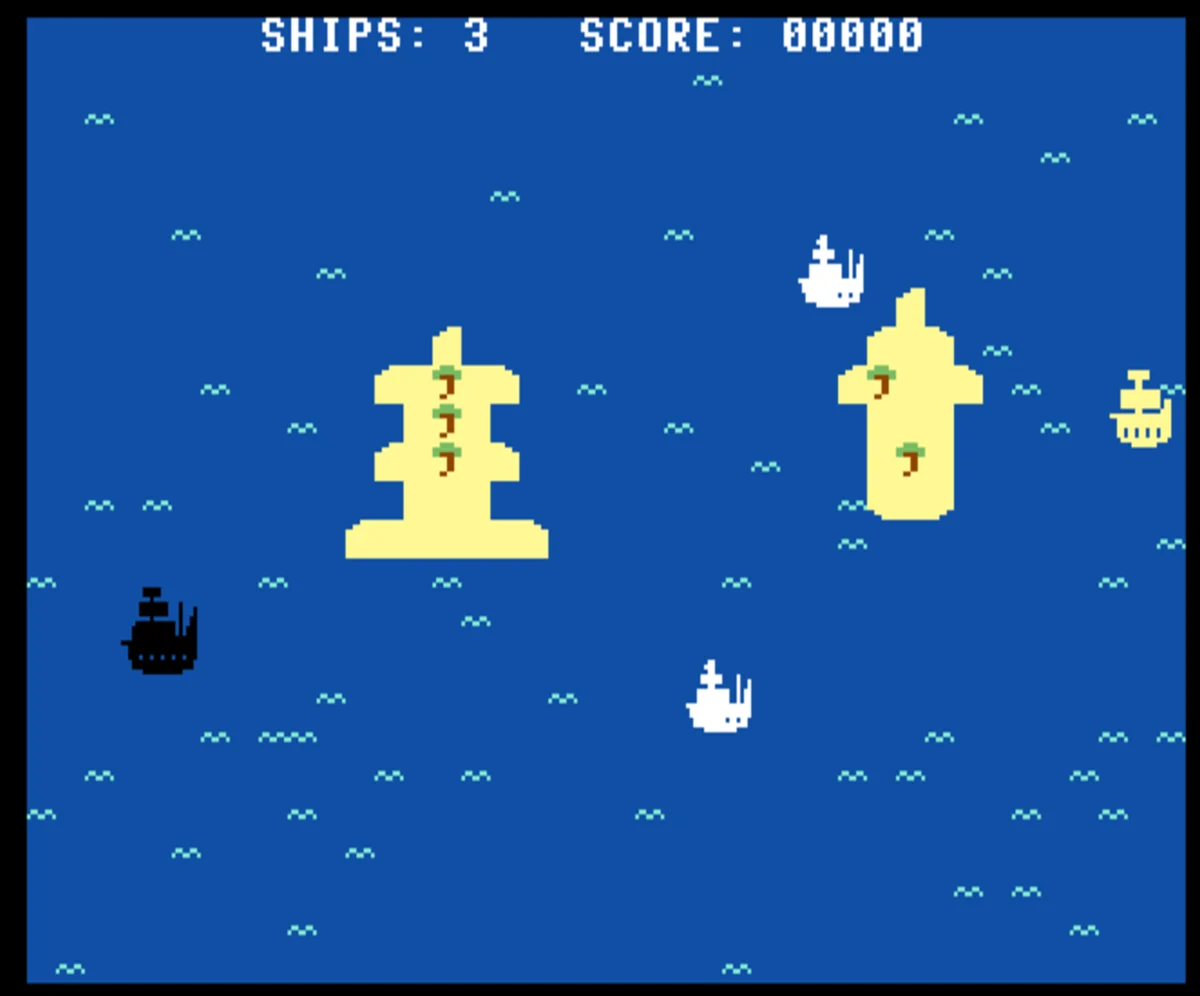
The landscape of Commodore 64 (C64) software development continues to exhibit remarkable resilience, marked by the recent release of Pirate Raider, a new title developed by the independent creator known as chadlung. Released on September 11, 2026, the game represents a modern iteration of the action-strategy genre, specifically tailored for the 8-bit architecture of the 1982 Commodore 64 home computer. The release serves as a case study for the ongoing interest in retro-computing, where contemporary developers leverage modern design sensibilities to breathe new life into hardware that has officially been out of production for over three decades.
Game Mechanics and Narrative Design
Pirate Raider immerses players in a maritime setting, placing them in command of a black galleon tasked with navigating a dynamic, shifting archipelago. The core gameplay loop is structured around tactical naval combat and resource management. Players are required to track down and neutralize treasure-laden vessels, subsequently transitioning to a looting phase to salvage the remains of their sunken targets.
A defining feature of the game’s difficulty scaling is the "Navy Response" system. As players engage in more frequent maritime incursions, they attract the attention of the state-sponsored naval forces. The game employs an escalating threat level, where the persistent sinking of merchant or standard patrol vessels eventually triggers the deployment of a flagship. This specialized enemy unit serves as a primary antagonist, forcing players to shift from offensive raiding tactics to defensive maneuvers, thereby creating a balanced risk-reward cycle that is characteristic of classic arcade-strategy titles.
The Retro-Computing Renaissance
The emergence of Pirate Raider is not an isolated incident but rather a symptom of a robust global community dedicated to the preservation and expansion of the Commodore 64 ecosystem. Despite the original manufacturer, Commodore Business Machines, filing for bankruptcy in 1994, the C64 remains one of the best-selling single computer models in history, with estimates suggesting between 12.5 and 17 million units sold during its production run.
In the current decade, the "homebrew" scene has evolved from a niche hobbyist pursuit into a structured industry. Developers now utilize modern cross-compilation tools—often involving AI-assisted coding and asset generation—to overcome the technical limitations of the MOS Technology 6510 microprocessor and the SID (Sound Interface Device) chip. By utilizing contemporary software development kits (SDKs) and cross-assemblers, creators can achieve levels of visual and audio fidelity that push the hardware far beyond the capabilities of commercial software produced in the 1980s.
Chronology of Development and Distribution
The development lifecycle of Pirate Raider aligns with the modern trend of decentralized digital distribution. While the Commodore 64 relied on cassette tapes and floppy disks for software delivery in its primary era, the 2026 release environment is dominated by online repositories and digital storefronts.
- Initial Concept Phase (Late 2025): The foundational mechanics of the archipelago navigation and the procedural generation of the game world were conceptualized to ensure replayability.
- Development and Beta Testing (Early 2026): Utilizing C64-specific emulators such as VICE (Versatile Commodore Emulator), the developer refined the sprite handling and collision detection systems to ensure compatibility with both original hardware and modern FPGA-based hardware clones.
- Release Date (September 11, 2026): The software was released to the public via dedicated Commodore 64 community portals, facilitating immediate access for the global retro-gaming user base.
Technical Implications and Hardware Compatibility
One of the primary challenges for any C64 developer is maintaining hardware compatibility. Pirate Raider has been engineered to function on standard NTSC and PAL C64 machines. This is a significant technical hurdle, as the timing differences between these two television standards often lead to speed discrepancies in gameplay and audio pitch variations in the SID chip.
The developer’s decision to optimize the code for both systems ensures that the software remains accessible to the widest possible demographic of collectors. Furthermore, the use of AI-assisted content creation in the production of the game’s graphics and code structure underscores a shift in how modern retro games are built. By using AI to assist in the generation of complex background patterns or optimizing assembly code loops, developers can achieve higher frame rates and more complex logic than the manual coding processes of the 1980s allowed.
Industry Impact and Community Reception
The release of Pirate Raider has been met with positive sentiment within the Commodore 64 community. Industry analysts monitoring the retro market note that titles like this provide a vital bridge between nostalgia and modern game design.
"The longevity of the C64 is not merely a result of its historical significance, but rather the active ecosystem that continues to produce software," says one industry observer familiar with the retro-gaming market. "When a developer releases a title in 2026, they are participating in a conversation that spans over forty years. The complexity of a game like Pirate Raider, with its systemic enemy AI and layered naval combat, demonstrates that the platform’s potential is still being explored."
The implications for the broader gaming industry are noteworthy. As modern software becomes increasingly bloated and reliant on high-speed internet connections and cloud services, the "8-bit movement" serves as a reminder of the efficiency of minimalist design. Pirate Raider provides a complete, self-contained experience that fits within the memory constraints of a 64KB RAM system—a feat that highlights the ingenuity required to operate within such strict physical limitations.
Economic and Cultural Context
The economic impact of the retro-computing scene is difficult to quantify in traditional fiscal terms, as much of the software is released for free or on a donation basis. However, the cultural value is substantial. Retro-gaming festivals, online forums, and preservation societies have created a sustainable demand for new content. Pirate Raider contributes to this by maintaining the relevance of the hardware, preventing it from becoming a "dead" format.
Moreover, the use of the Commodore 64 as a creative platform encourages a new generation of programmers to learn the fundamentals of low-level assembly language. By working with the limitations of the 6510 processor, developers learn about memory management, register optimization, and hardware-level interrupt handling—skills that are increasingly rare in an era of high-level abstractions and managed code environments.
Future Outlook for Commodore 64 Development
Looking forward, it is likely that the release of titles like Pirate Raider will continue to act as a catalyst for further community engagement. The integration of AI tools, as noted in the developer’s metadata for the game, suggests that the barrier to entry for retro-game development is lowering. This democratization of content creation ensures that even as the original hardware ages, the software output will remain diverse and innovative.
The technical success of Pirate Raider, specifically its ability to manage a complex array of enemy ships and a dynamic map while maintaining stable performance, sets a high bar for future projects. As the Commodore 64 enters its fifth decade of existence, it remains a testament to the fact that computing is not just about raw power, but about the capability to execute creative ideas within a defined logical space.
In conclusion, the release of Pirate Raider is a noteworthy event in the ongoing saga of the Commodore 64. It combines the aesthetic charm of 8-bit computing with contemporary design philosophies, providing an engaging experience for both long-time enthusiasts and those new to the platform. By honoring the technical constraints of the original hardware while embracing modern development methodologies, chadlung has provided a valuable contribution to the enduring legacy of 8-bit gaming. The game stands as a clear indicator that the Commodore 64 is not just a relic of the past, but a living, breathing platform for modern digital expression.