Chalid Lutfie
The genesis of the SOUNDSHOCK series represents a pivotal moment in the history of digital music, specifically within the niche yet highly influential community of Frequency Modulation (FM) synthesis enthusiasts. What began as a decentralized digital forum in 2007 evolved into a definitive series of compilation albums that bridged the gap between Western demoscene culture and the highly technical, aesthetic-driven world of Japanese video game music. By examining the origins, community development, and artistic contributions surrounding this project, one gains a clearer understanding of how niche technological hobbies can coalesce into a global creative movement.
The Origins of a Digital Community
In 2007, the musician known as zinger established the SOUNDSHOCK Forums, a digital hub dedicated to the exploration of FM synthesis. At the time, FM synthesis was often relegated to the background of computing history, overshadowed by the rise of sample-based digital audio. However, a dedicated group of composers and engineers maintained an interest in the technology, which powered iconic hardware such as the Yamaha YM2612 chip found in the Sega Genesis and various arcade cabinets.
The forum served as a technical knowledge exchange, where users could troubleshoot sound programming, share patches, and discuss the nuances of tracker software—the primary tools for composition in this genre. This environment fostered a collaborative spirit, transforming the hobby from a solitary endeavor into a shared academic and artistic pursuit. The platform proved essential, providing a rare English-language space for developers and composers to engage with the technical intricacies of FM synthesis at a high level.
From Forum to Compilation: A Chronology
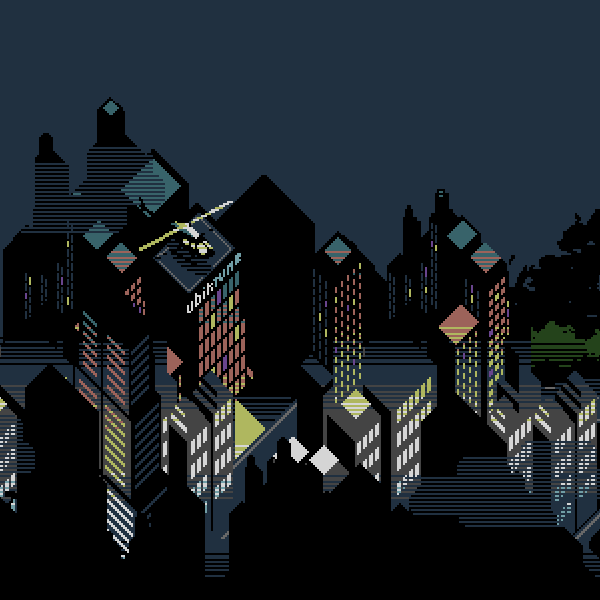
The transition from a discussion forum to a formal music project occurred in 2010 when zinger began working with the record label Ubiktune. This collaboration marked the shift from community discourse to the curation of high-fidelity compilation albums. The project aimed to document the creative potential of FM synthesis by inviting various contributors to produce original works that honored the legacy of classic 8-bit and 16-bit sound design.
- 2007: Establishment of the SOUNDSHOCK Forums by zinger.
- 2010: Collaboration initiated between zinger and Ubiktune to develop the inaugural SOUNDSHOCK compilation.
- 2011–2017: A period of significant growth, where the series expanded its reach, incorporating artists from both the Western demoscene and the Japanese VGM (Video Game Music) landscape.
- 2017: A retrospective look at the project’s history, highlighting the cross-pollination of talent between international borders.
The Aesthetic Influence of Japanese Media
For many of the project’s key contributors, the inspiration behind their technical focus was rooted in a deep fascination with Japanese gaming culture. The influence of titles such as Golden Axe II and Sonic the Hedgehog provided a foundational aesthetic for these musicians. This interest often extended beyond the games themselves into the hardware that powered them, including obscure Japanese computer systems like those manufactured by NEC and Sharp.
The SOUNDSHOCK project acted as a cultural conduit. It facilitated connections between Western composers and prominent Japanese figures such as Keishi Yonao, an established name in the industry. These interactions highlighted a shared "digital heritage" between different geographic regions. When artists from disparate backgrounds met, they often found that their technical vocabulary—centered on game titles and composer names—served as a universal language, transcending barriers that would otherwise have been insurmountable due to language differences.
Artistic Methodology and Technical Precision
The creative process for contributors to the SOUNDSHOCK series is characterized by a blend of technical discipline and iterative experimentation. Artists like boomlinde, a notable contributor, emphasize the importance of hardware-inspired composition. By utilizing trackers and custom software synthesizers, these musicians treat the FM chip not merely as an instrument, but as a flexible, programmable ecosystem.

The methodology often involves a "trial-and-error" approach, where the instrument’s limitations are treated as creative constraints. For instance, the programming of a single bass patch might dictate the entire structural direction of a track. This reflects a broader trend in the chiptune community, where composers prioritize the "feel" of a sound—its harmonic richness and textural quality—over traditional songwriting conventions. The reliance on trackers, which allow for a visual representation of the musical score, enables a high degree of precision in timing and frequency manipulation, which is critical for complex FM compositions.
Case Study: The Collaborative Synergy of the FM FUNK Series
The evolution of the project also saw the emergence of sub-compilations, such as the FM FUNK series. These releases underscored the "hidden talent" phenomenon within the scene. An illustrative account provided by Simon Stålenhag details how talent was often discovered in unexpected places, such as office settings where creative professionals worked on game design by day and complex, high-level chiptune music by night.
The collaboration between Stålenhag and his colleague, known as Bomb Boy, serves as a testament to the depth of talent within the community. Stålenhag noted that the intensity and technical brilliance displayed by these composers often mirrored the high-stakes, rapid-fire creative environments found in professional game development studios. This observation suggests that the "hobbyist" label applied to these musicians is increasingly inaccurate, as many contributors possess advanced skills in sound engineering, animation, and software development that rival those found in mainstream media production.
Broader Implications and Industry Impact
The legacy of the SOUNDSHOCK series extends beyond the compilation albums themselves. It has played a significant role in preserving the history of FM synthesis, ensuring that the techniques developed in the late 1980s and 1990s are not only remembered but are actively being expanded upon.

The project has had three primary impacts on the digital music landscape:
- Technical Preservation: By documenting the methodologies of FM programming, the series has prevented the loss of knowledge regarding legacy sound hardware.
- Community Consolidation: It provided a model for how niche interest groups can utilize digital platforms to form stable, long-term collaborative networks.
- Cross-Cultural Integration: It successfully linked the Western demoscene with the Japanese game industry, fostering a unique international dialogue that continues to influence contemporary indie game soundtracks.
The Future of FM Synthesis
As of 2017, the SOUNDSHOCK series stands as a testament to the endurance of FM synthesis. The project has demonstrated that despite the shift toward high-fidelity, sample-based audio, there remains a substantial appetite for the unique, metallic, and harmonically dense soundscapes characteristic of FM chips.
The success of the series provides a blueprint for future artistic communities. It shows that when technical passion is combined with a structured, community-led project, the result is more than just a product—it is a cultural artifact that defines an era. As technology continues to advance, the work of the SOUNDSHOCK contributors ensures that the "soul" of the machine—the specific, mathematical beauty of FM synthesis—remains a vibrant part of the global musical conversation.
The participants, ranging from independent software developers to professional artists, continue to push the boundaries of what is possible with limited hardware. Whether through the development of new software emulators or the release of new compositions, the collective influence of the SOUNDSHOCK project remains a vital component of the contemporary digital music landscape. By valuing technical mastery and artistic vision, the series has secured its place as a cornerstone of the modern chiptune and FM synthesis movement, serving as a beacon for those who find inspiration in the depths of digital architecture.