Chalid Lutfie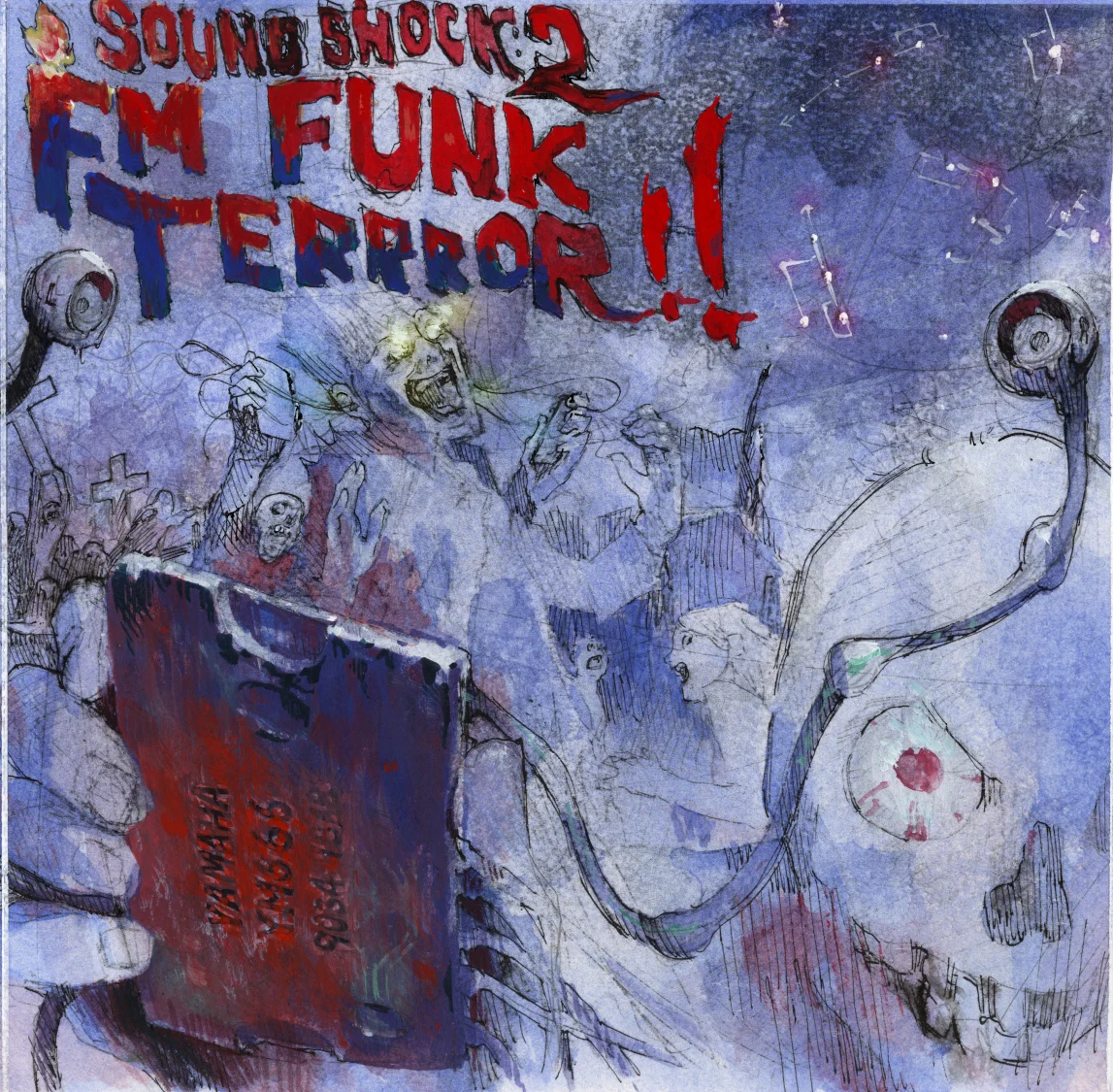
The conclusion of the SOUNDSHOCK series in 2017 marked a significant milestone in the intersection of digital music culture and traditional graphic arts. At the center of this creative endeavor was the collaboration between the project curator, known as zinger, and the professional manga artist Tsuyoshi Shimokura. Their partnership resulted in a trilogy of album covers—FM FUNK MADDNESS!!, FM FUNK TERRROR!!, and FM FUNK NIRVANA!!—that served not merely as packaging for frequency modulation (FM) synthesizer-based music, but as an elaborate visual narrative documenting the cult-like devotion to 1980s and 1990s electronic hardware.
The Origins of a Creative Synergy
The genesis of the SOUNDSHOCK project traces back to the early 2010s, a period characterized by a resurgence in interest for retro-computing and chiptune aesthetics. Zinger, an advocate for the preservation and exploration of FM synthesis, sought to bridge the gap between technical sound design and high-concept visual storytelling. The partnership with Shimokura was established via a mutual contact, hex125, initially for the purpose of contributing a track to the first installment. Upon reviewing Shimokura’s portfolio, which demonstrated a profound grasp of both manga illustration and the technical nuances of legacy hardware, zinger expanded the scope of the collaboration to include the visual identity of the entire series.
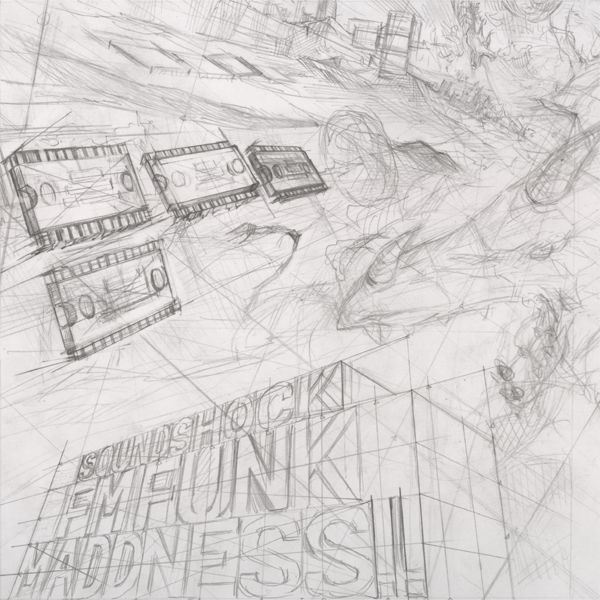
This collaboration is noteworthy for its methodology. Unlike standard album art production, which often relies on commercial stock imagery or abstract graphic design, the SOUNDSHOCK covers were hand-painted by a veteran of the Japanese manga industry. This process involved a multi-stage workflow, starting with conceptual brainstorming sessions, moving through exhaustive sketching phases, and culminating in final compositions that drew inspiration from arcade flyers of the late 20th century.
Chronological Development of the SOUNDSHOCK Trilogy
The production timeline of the series reflects an increasing level of complexity in both sound and visual execution.
1. FM FUNK MADDNESS!! (The Foundation)
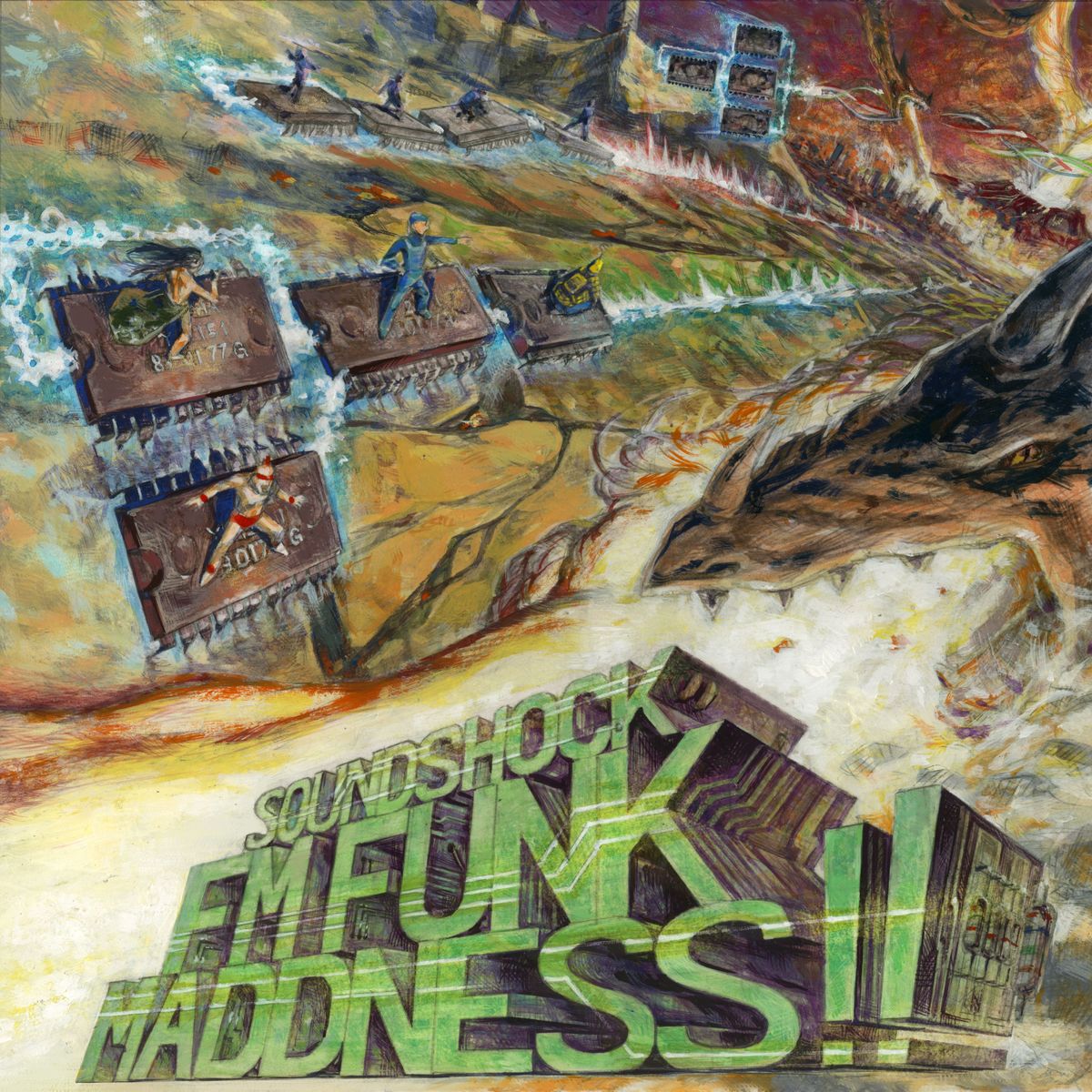
The inaugural album established the project’s central motif: the heroization of musicians wielding FM synthesis as a weapon against aesthetic stagnation. The artwork for this release, heavily influenced by the visual style of arcade classics such as Metal Black and Darius II, depicted a team of protagonists utilizing the power of FM chips to combat digital monsters. A technical detail of interest is the portrayal of these FM chips, which Shimokura depicted with moving, caterpillar-like appendages, blending organic motion with rigid silicon architecture.
2. FM FUNK TERRROR!! (The Horror Aesthetic)
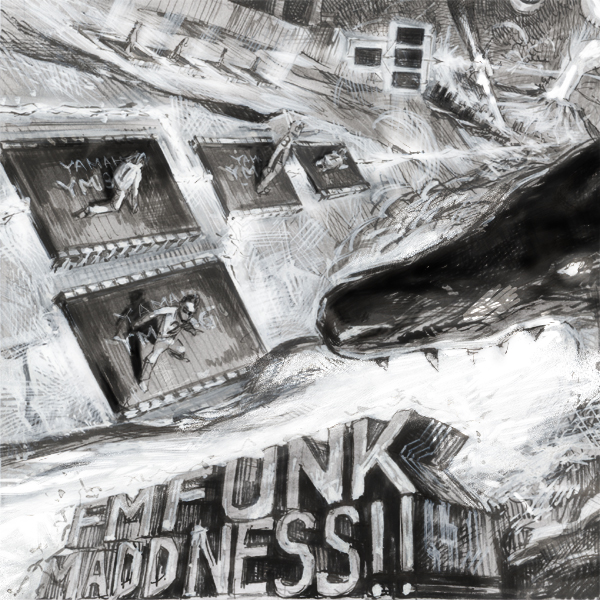
For the second installment, the creative team shifted toward a darker, more visceral theme. Inspired by 1980s horror cinema and cult gaming franchises such as Splatterhouse, the cover art for this release incorporated grim iconography. The narrative constructed for this album suggested that FM sound had become a medium for a zombie-like "haunting" of the listener. The visual detail here was immense, featuring creatures interacting with YM666-branded hardware, serving as a commentary on the "addictive" and "paralyzing" nature of high-fidelity FM synthesis.
3. FM FUNK NIRVANA!! (The Philosophical Finale)
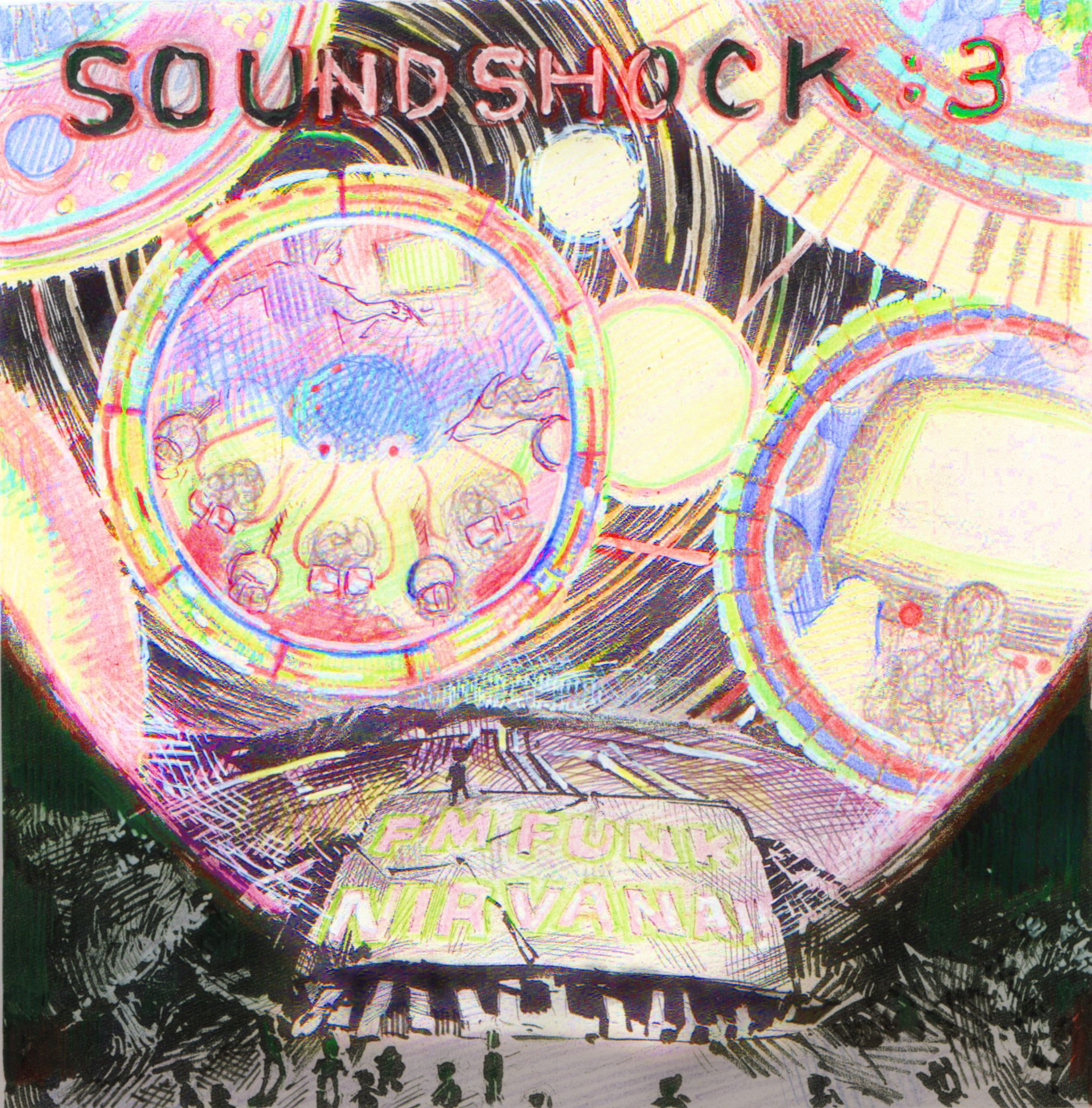
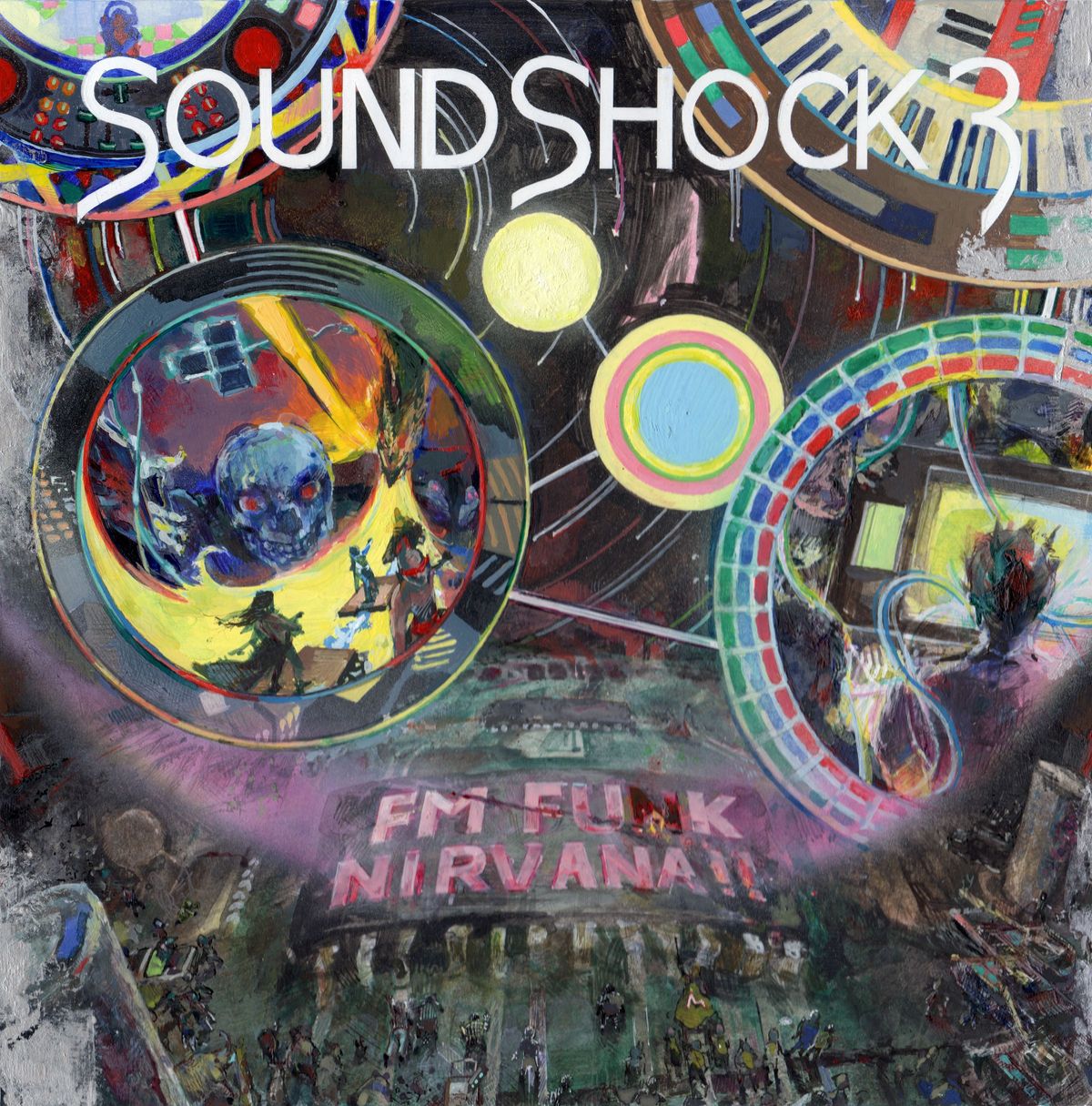
The final chapter of the series represented a shift from the aggressive themes of the previous two releases to something more metaphysical. The title itself—NIRVANA—was chosen to represent the "maxed out" state of the sound design, a concept that defied the linguistic trend of adding excessive exclamation points seen in the earlier volumes. The final cover art functions as a "mandala," a spiritual tool used in Buddhist traditions to facilitate meditation. It depicts a congregation of disciples worshipping an FM chip as a deity, with celestial spheres mapping out the "universe" of the music.
Technical and Cultural Context: The Role of FM Synthesis
FM synthesis, a method of sound synthesis pioneered by John Chowning and popularized commercially by Yamaha in the 1980s, remains a cornerstone of electronic music history. The SOUNDSHOCK series served as a contemporary archive for these sounds. By utilizing the YM series of chips—most notably the YM2612 found in the Sega Genesis/Mega Drive—the contributors were working within the constraints of limited hardware voices, which forced a high degree of creative ingenuity.
The implications of this project are twofold. First, it highlights the enduring relevance of "dead" technologies. The fact that an artist of Shimokura’s caliber was willing to dedicate significant hours to depicting the minutiae of circuit boards and algorithmic charts suggests that for many in the music community, these chips possess a spiritual or cultural value that transcends their obsolescence. Second, the project serves as a case study in how visual art can contextualize technical music. Without the accompanying artwork, the SOUNDSHOCK series might have remained a niche collection of tracks; with it, it became a complete narrative experience.
Official Statements and the "Spiritual Offshoots" Philosophy
In his concluding message, Tsuyoshi Shimokura addressed the cessation of the SOUNDSHOCK project with a philosophical perspective that distanced the work from the typical "end" of a commercial product. He articulated that the project was never intended to be a permanent structure, but rather a "seed."
"Supposing SOUNDSHOCK really has struck a chord in its listeners’ hearts," Shimokura stated, "then our work could be thought of as a seed for future stars that have yet to be born." This sentiment reflects a lineage-based view of creativity, where the artists view themselves as the progeny of their own forerunners—the original engineers of the FM sound. By framing the project as a foundation for "spiritual offshoots," the creators underscored their belief that the culture of FM synthesis is cyclical rather than linear.
Impact and Legacy
The legacy of the SOUNDSHOCK series continues to be observed in the niche electronic music scene, particularly among those who prioritize "hardware-authentic" production. The collaboration between zinger and Shimokura demonstrated that the packaging of independent music is a vital component of its reception. The meticulous nature of the artwork, which required months of research and development, stands in contrast to the increasingly ephemeral nature of digital-only music distribution.
Furthermore, the project’s success in documenting the "creative process"—through the release of sketches, conceptual notes, and narrative stories—has provided a blueprint for other independent labels. By treating the release as a holistic multimedia project, they successfully engaged their audience in the historical and technical discourse surrounding FM synthesis.
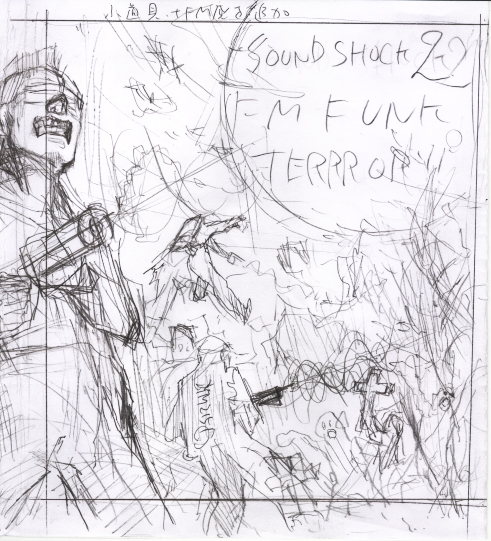
As of 2017, the conclusion of the series does not imply a disappearance of the art form, but rather a transition. The "mandala" of the final album cover, with its focus on the cyclical nature of energy and information, remains a fitting emblem for the project’s ultimate goal: to ensure that the FM sound, once a cutting-edge technological standard, continues to resonate in the hearts of a new generation of composers and listeners. The SOUNDSHOCK trilogy remains a testament to the fact that even in the digital age, the tactile, hand-crafted dedication of an artist can elevate a collection of files into a meaningful, historical artifact.