Chalid Lutfie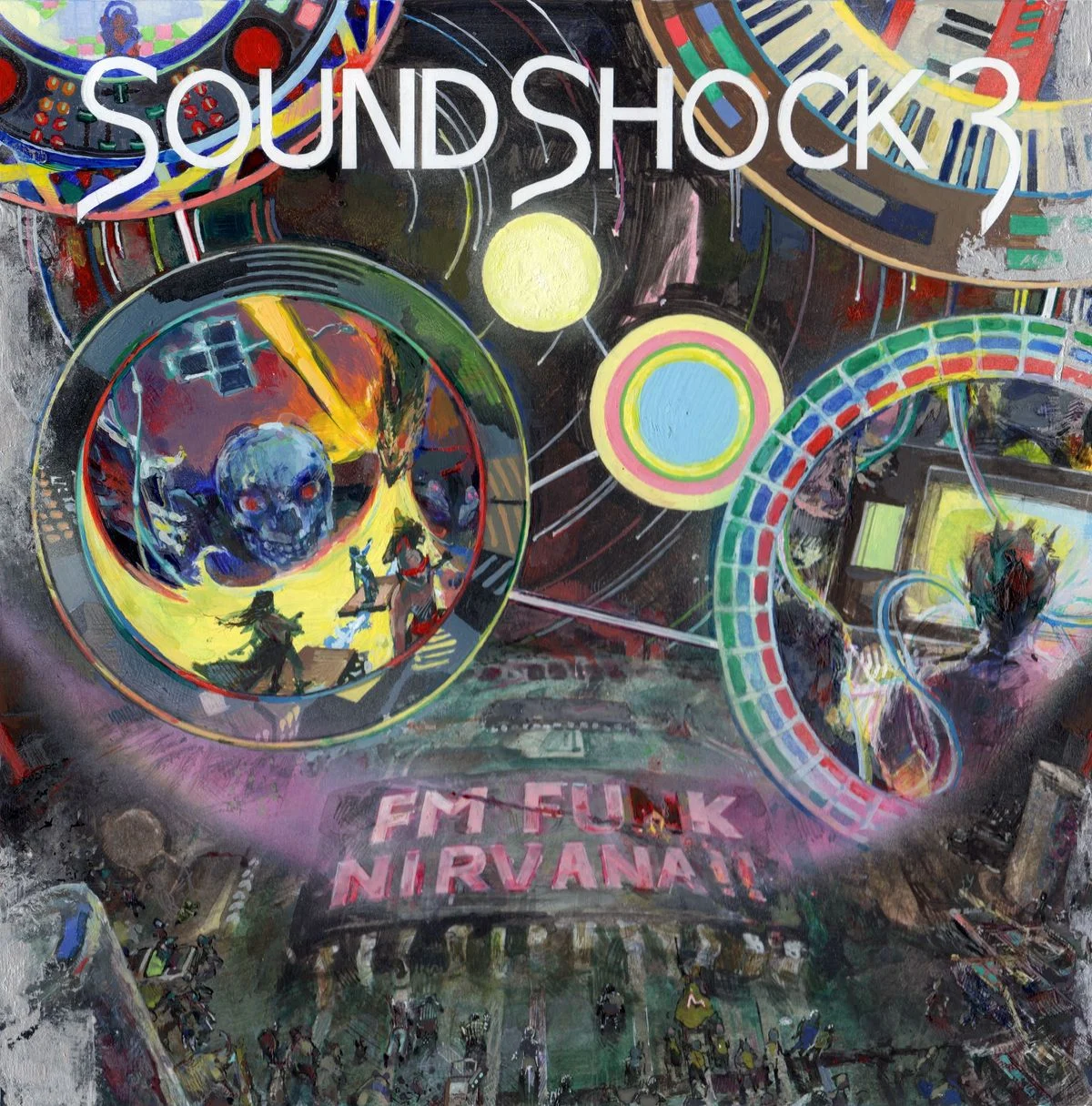
The SOUNDSHOCK compilation series stands as a significant milestone in the evolution of modern chiptune and tracker-based music. What began in 2010 as a collaborative experiment between the musician known as zinger and the independent electronic music label Ubiktune has since matured into a globally recognized institution. This series serves as more than a simple collection of tracks; it functions as a bridge between the historical legacy of 8-bit and 16-bit video game aesthetics and the contemporary electronic music scene, fostering a unique synthesis of Japanese and Western digital culture.
The Genesis of a Sonic Movement
The inception of SOUNDSHOCK dates back to a pivotal exchange in 2010. C-jeff, the visionary behind Ubiktune—a label widely considered a standard-bearer for high-quality chiptune releases—approached zinger with the intent of producing a solo album. However, the discourse shifted toward a more ambitious vision: the creation of a multifaceted project that would aggregate the diverse talents of the international tracker scene.
For zinger, this endeavor was rooted in a lifelong fascination with the hardware limitations of the 1980s and 90s. The aesthetic foundation of the project traces back to childhood experiences with the Sega Mega Drive, specifically titles such as Golden Axe II and Sonic the Hedgehog. These early interactions with game audio served as a catalyst for a career that would span decades of involvement in the tracker and demoscene communities. The personal dedication required to build the SOUNDSHOCK series mirrored the organizer’s own transition from a fan of Japanese arcade culture to a curator of its sonic evolution.
Chronology of Development
The development of the SOUNDSHOCK series can be categorized into three distinct phases of growth and community integration:
- 2010–2011: The Formative Period. During this phase, the core concept was established. The primary focus was on solidifying the partnership between the organizer and Ubiktune, ensuring that the production standards aligned with the label’s high-fidelity ethos. The first iteration of the project proved that a compilation-style format could successfully sustain long-form interest in niche electronic sub-genres.
- 2012–2014: Cross-Cultural Integration. As the series progressed, the scope expanded to include a wider range of international talent. This was a critical period for bridging the gap between Western tracker musicians and the Japanese scene. By facilitating connections between artists who previously had no common language—relying instead on the common vernacular of composers and game titles—the project acted as a catalyst for creative exchange.
- 2015–Present: Institutionalization and Expansion. The release of SOUNDSHOCK 3: FM FUNK NIRVANA!! marked the solidification of the series as a staple in the independent music landscape. By this time, the project had successfully integrated veterans of the demoscene with contemporary composers, creating a permanent record of the aesthetic crossover between different generations of electronic music.
Data and Artistic Composition
The SOUNDSHOCK series has consistently utilized a diverse array of hardware and software, reflecting the project’s commitment to technical authenticity. The reliance on tracker software, which allows for the precise sequencing of digital audio, has enabled participants to push the boundaries of what is possible with limited sound channels.
Data from the project’s releases indicate a robust participation rate, with dozens of artists contributing to each volume. The technical landscape of these compositions typically includes:
- Hardware FM Synthesis: Utilizing classic chips from NEC and Sharp computer systems.
- Arcade Emulation: Incorporating the distinctive sonic signatures of 1980s arcade cabinets.
- Tracker-Based Sequencing: Maintaining the traditional workflow of the demoscene to ensure the music retains its authentic, low-bit character while achieving modern mixing standards.
Community Dynamics and Cultural Synthesis
The success of SOUNDSHOCK is fundamentally tied to its ability to create a sense of community among geographically and linguistically diverse participants. One of the most notable aspects of the project’s development was the integration of Japanese artists—such as Keishi Yonao, Ryu Takami, and hally—into a global network that included Western producers like zabutom and Metal.
This exchange was not merely collaborative but also reciprocal. While Western artists were often influenced by the technical mastery of the Japanese demoscene, Japanese creators were simultaneously expressing a deep fascination with Western computer culture. This cross-pollination resulted in a unique sound profile that defies traditional regional categorization. The project acted as a platform for this dialogue, allowing artists who had previously operated in relative isolation to find common ground.
Official Responses and Collaborative Impact
The project’s organizer has frequently cited the essential contributions of key figures in the chiptune scene. C-jeff is credited not only with the logistical support required to launch the project but also for establishing Ubiktune as a premier platform for digital music. Similarly, the influence of hally is recognized as a significant driver of the project’s cultural depth, particularly regarding the introduction of the organizer to the intricacies of the Japanese electronic music scene.
Collaborators including Tsuyoshi Shimokura, Megus, Rufus Blacklock, and MmcM have been acknowledged for their dedication to the project’s long-term sustainability. These contributions have ensured that the series remains a high-quality production, consistently meeting the expectations of an increasingly discerning audience.
Broader Implications for the Music Industry
The SOUNDSHOCK series serves as a case study for the viability of community-driven, niche music projects in the digital age. By leveraging the internet to unite artists who share a passion for retro-gaming aesthetics, the project has demonstrated that traditional barriers—such as geography and language—can be bypassed in favor of shared technical and aesthetic interests.
The implications for the broader electronic music industry are significant:
- Preservation of Legacy Technology: Through the continued use of legacy hardware and tracker software, the series contributes to the preservation of digital art forms that might otherwise be forgotten by mainstream production standards.
- Global Collaboration Models: The project highlights the efficiency of decentralized production models, where individual artists from across the globe contribute to a cohesive vision through a centralized curatorial platform.
- Aesthetic Evolution: By mixing traditional "chiptune" sounds with modern production techniques and FM synthesis, the series has helped define the current state of "retro-futurist" electronic music.
Conclusion: The Legacy of FM FUNK NIRVANA
As the SOUNDSHOCK series has moved into its third iteration, the project has successfully moved beyond its origins as a collection of experiments to become a foundational pillar of the modern chiptune movement. The transition from the early, bedroom-based explorations of the organizer to the sophisticated, cross-continental collaboration seen in the latest releases reflects a maturation of both the genre and the community surrounding it.
The project remains a testament to the idea that niche interests, when cultivated with technical rigor and a focus on community, can achieve global reach and lasting cultural significance. As the creators behind SOUNDSHOCK continue to explore the depths of computer and video game aesthetics, the series is likely to remain a primary reference point for future generations of electronic musicians interested in the intersection of digital nostalgia and contemporary innovation. The legacy of the project is not just in the music produced, but in the enduring network of artists who continue to find inspiration in the digital worlds of the past.