Indra Gunadi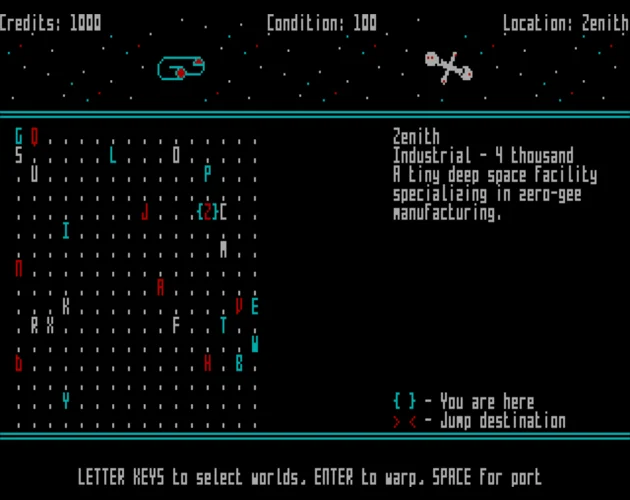
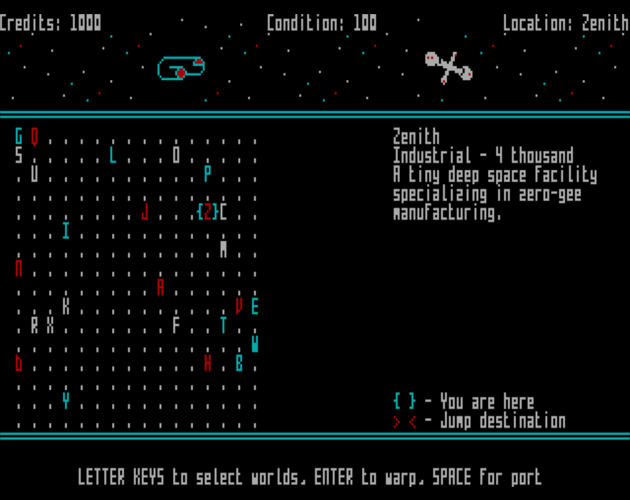
The digital landscape of July 23, 2026, witnessed a notable entry into the burgeoning retro-gaming scene with the release of Athena Station, a new title developed by Don Bisdorf for the venerable MS-DOS platform. Available on Itch.io, this space trading adventure immediately captured the attention of enthusiasts, not only for its anachronistic platform choice but also for its intriguing narrative premise: "Can one free trader outrun the Trade Union’s tightening grip?" While initial assessments describe it as a "buggy jam-build," the core concept has been widely praised as a significant hook, promising a compelling blend of economic simulation and a fight for individual liberty within a dystopian galactic setting. This release underscores a growing trend in independent game development, where creators revisit classic platforms to explore new ideas and engage with dedicated retro communities, often through the experimental crucible of game jams.
A Resurgence for Retro Platforms: MS-DOS Welcomes New Sci-Fi Adventure
The announcement of Athena Station arriving on MS-DOS in 2026 is more than a novelty; it represents a vibrant segment of the gaming industry that defies conventional market trends. In an era dominated by high-fidelity graphics and cloud-based gaming, the deliberate choice to develop for a system last widely used in the 1990s speaks volumes about the passion driving independent developers like Don Bisdorf. The game’s premise, pitting a lone free trader against an oppressive Trade Union, immediately resonates with classic science fiction themes of corporate control, individual freedom, and the vast, often unforgiving, expanse of space. This narrative framework, coupled with the inherent limitations and nostalgic charm of the MS-DOS environment, sets Athena Station apart from contemporary releases. The immediate feedback, highlighting its "buggy jam-build" status, is often characteristic of game jam entries—rapidly developed prototypes that prioritize innovative concepts and core mechanics over polished execution, serving as a proof-of-concept for potentially larger projects.
The Visionary Behind the Code: Don Bisdorf’s Journey
While specific details about Don Bisdorf’s prior development history remain somewhat limited in mainstream discourse, his decision to craft Athena Station for MS-DOS firmly places him within a dedicated niche of developers committed to preserving and innovating within vintage computing environments. Bisdorf is understood to be part of a growing collective of indie developers who find creative liberation in the constraints of older hardware. For many, the MS-DOS platform offers a unique set of challenges and opportunities: a direct connection to the hardware, the satisfaction of optimizing code for limited resources, and the chance to tap into the nostalgia of a generation of gamers. It is plausible that Bisdorf, like many retro enthusiasts, grew up with MS-DOS games, fostering a deep appreciation for their design philosophies and technical achievements. His motivation likely stems from a desire to contribute to this legacy, perhaps even to explore game ideas that feel inherently suited to the aesthetics and interaction paradigms of the era. Developing for MS-DOS in 2026 requires specialized knowledge, often involving vintage compilers, assembly language, and an intimate understanding of hardware architecture, indicating a significant commitment to the platform. Bisdorf’s project signals not just a personal endeavor but a contribution to the ongoing vitality of a platform often considered obsolete by the wider industry.
Unpacking the Narrative: Freedom in the Stars
The core narrative of Athena Station—a free trader attempting to evade the tightening control of a monolithic Trade Union—taps into a rich vein of science fiction and gaming history. This premise immediately evokes memories of seminal space trading and combat simulators from the golden age of PC gaming. Titles such as Elite (1984), with its vast open-world galaxy and emphasis on player choice, or Wing Commander: Privateer (1993), which combined intricate space combat with a robust trading economy and a compelling storyline, set precedents for the genre. Athena Station appears to inherit this lineage, promising a sandbox experience where players navigate complex economic systems, engage in trade, and potentially partake in clandestine activities to undermine the oppressive Trade Union.
The "Trade Union’s tightening grip" suggests a dystopian future where economic power has consolidated, stifling individual enterprise and freedom. Players are likely cast as rebels or outliers, using their entrepreneurial spirit and piloting skills to carve out a niche, smuggle goods, or participate in a larger resistance movement. This setup offers significant potential for emergent gameplay, where player decisions have tangible consequences on their reputation, resources, and relationship with various factions. The allure of such a narrative lies in the fantasy of defying overwhelming odds and asserting autonomy in a restrictive universe, a theme that resonates deeply with players seeking immersive role-playing experiences. The "free trader" archetype is classic, embodying self-reliance and resourcefulness, traits highly valued in games that emphasize exploration and economic strategy.
The Jam-Build Phenomenon: Innovation and Iteration
The characterization of Athena Station as a "buggy jam-build" provides crucial context for its development and initial state. Game jams are intense, time-constrained events, typically lasting from 48 hours to a week, where developers rapidly prototype game ideas around a specific theme. These events are incubators for creativity, fostering experimentation and often leading to innovative concepts that might not emerge from traditional, longer development cycles. The emphasis during a jam is on creating a playable proof-of-concept, often sacrificing polish and extensive bug testing for the sake of realizing a core idea.
The "buggy" aspect of Athena Station is thus not necessarily a condemnation but an expected byproduct of this accelerated development process. It signifies that the game, in its current iteration, is more of an experimental sketch than a finished product. However, the fact that its "premise alone is a hook" highlights the success of the jam format in generating compelling ideas. Many successful indie games, such as Goat Simulator or Superhot, originated as game jam entries before evolving into full-fledged commercial releases. For Athena Station, this suggests a strong foundation upon which Don Bisdorf could build, refining mechanics, expanding content, and addressing technical issues in future updates. This iterative approach, often driven by early community feedback, is a cornerstone of modern independent game development, even for retro platforms.
Technical Underpinnings: Modern Development for Vintage Hardware
Developing for MS-DOS in 2026 presents a unique set of technical challenges and creative opportunities. Athena Station would likely target common hardware configurations prevalent in the early to mid-1990s, such as systems equipped with Intel 386 or 486 processors, and potentially Pentium-era machines for enhanced performance. Graphics would almost certainly leverage the VGA standard, offering 256 colors at resolutions like 320×200, a resolution that defined many classic DOS games. Sound support would likely include Sound Blaster compatibility, the de facto standard for PC audio during that era, providing digital audio and FM synthesis for music and sound effects.
The development tools employed by Don Bisdorf would be a fascinating blend of old and new. While classic compilers like Borland C++ or Watcom C/C++ were standard in the DOS era, modern developers often utilize cross-compilers such as DJGPP (a port of GCC to DOS) which allow development on modern operating systems while targeting DOS executables. This hybrid approach enables developers to benefit from modern IDEs and debugging tools while still producing authentic DOS binaries. Optimizing code for limited RAM (e.g., 4MB to 16MB) and slower CPU cycles, managing memory segments, and working within the constraints of the 16-bit or 32-bit DOS environment are all critical skills. The technical decisions made during development directly influence the game’s performance and authenticity on vintage hardware, making Bisdorf’s achievement noteworthy. The deliberate embrace of these limitations often leads to innovative design choices, where simplicity and elegant solutions are paramount, contributing to the distinct aesthetic and feel of retro games.
The Broader Retro Gaming Landscape in 2026
The release of Athena Station is not an isolated incident but rather indicative of a broader and increasingly robust retro gaming market in 2026. This segment has experienced significant growth over the past decade, driven by nostalgia, the rise of digital storefronts catering to indie and vintage titles, and a renewed appreciation for classic game design principles. Market analysis firms frequently report double-digit percentage growth in the retro gaming sector, with collectors, enthusiasts, and even new players discovering the charm of older systems.
Platforms like Itch.io, where Athena Station is hosted, have become vital ecosystems for independent developers, offering flexible distribution models and direct engagement with players. This platform’s low barrier to entry makes it ideal for experimental projects, game jam entries, and niche titles like new MS-DOS games. Beyond commercial releases, the homebrew and demoscene communities for platforms such as MS-DOS, Amiga, and Commodore 64 are thriving. These communities are hotbeds of creativity, producing new software, hardware modifications, and artistic demonstrations that push the boundaries of what these vintage machines can do. Emulation technology has also played a crucial role, making it easier for modern users to experience these games without needing original hardware, though a dedicated segment of the community prefers authentic retro setups. Athena Station directly contributes to this vibrant ecosystem, offering fresh content to a community constantly seeking new experiences on their beloved old systems.
Initial Reception and Community Outlook
The immediate reception of Athena Station within the retro gaming community has been characterized by a blend of enthusiasm for its concept and an understanding of its "jam-build" limitations. Online forums, dedicated retro gaming blogs, and social media channels have likely buzzed with discussions. Early players are expected to overlook the initial bugs, recognizing them as part of the development process for an experimental title. The compelling premise of a free trader challenging an oppressive union is a powerful draw, reminiscent of the narrative depth found in many classic DOS-era role-playing and simulation games.
This early feedback loop is crucial for independent developers. Community members often act as informal testers, providing valuable bug reports and suggestions for improvement. This collaborative aspect can shape the game’s future development, transforming a rough prototype into a more polished and expansive experience. The "charm" of an unpolished, yet ambitious, indie title is a well-documented phenomenon in gaming culture, where players appreciate the raw vision and potential over flawless execution. For Athena Station, this initial goodwill provides Don Bisdorf with a strong foundation and a clear signal that his concept resonates deeply with the target audience, encouraging continued development.
The Future Trajectory of Athena Station
The release of Athena Station as a "buggy jam-build" on Itch.io suggests a promising but uncertain future. The immediate next steps for Don Bisdorf could involve a series of patches and updates to address the reported bugs and refine core gameplay mechanics. Based on community feedback, he might expand the game’s content, adding new star systems, ship types, trading commodities, or fleshing out the narrative with more complex quests and characters. The potential for a more polished, "full" release of Athena Station is high, especially if the initial reception continues to be positive and the player base grows.
Beyond the immediate project, Athena Station could serve as a significant portfolio piece for Don Bisdorf, establishing his reputation within the retro development scene and potentially inspiring other developers to explore similar projects. Its success could demonstrate the viability of developing for older platforms not just as a nostalgic exercise, but as a legitimate avenue for innovative game design. The game’s trajectory could mirror that of other successful indie titles that started as humble prototypes before evolving into cult classics or even commercial hits, proving that compelling gameplay and narrative can transcend graphical fidelity and platform age.
Conclusion: A Testament to Enduring Creativity
Athena Station (2026) by Don Bisdorf for MS-DOS stands as a compelling testament to the enduring power of creative vision and the vibrant, persistent spirit of the retro gaming community. Its release in an age of hyper-realistic graphics and vast digital ecosystems highlights a counter-cultural movement within gaming, where the constraints of vintage hardware become a catalyst for innovation rather than a limitation. While currently in a "buggy jam-build" state, its powerful premise—a lone free trader battling against an oppressive Trade Union—has successfully captured the imagination of early players, signaling significant potential.
This title is more than just a new game; it is a cultural artifact, bridging decades of computing history and demonstrating that passion for retro platforms continues to fuel new artistic and technical endeavors. Don Bisdorf’s project exemplifies the dedication of a new generation of developers who are not merely preserving the past but actively contributing to its future. As Athena Station embarks on its journey through the digital cosmos, it reinforces the notion that the allure of a well-crafted narrative and engaging gameplay remains timeless, regardless of the technological era it hails from. The MS-DOS platform, far from being a relic, continues to be a fertile ground for creativity, thanks to projects like Athena Station.