Indra Gunadi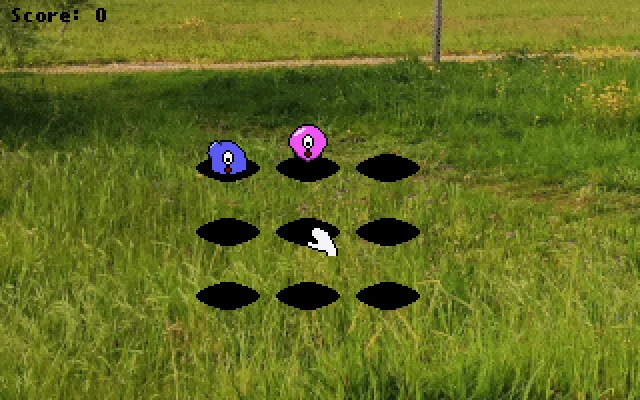
The digital gaming landscape witnessed a peculiar yet significant release on July 22, 2026, with the launch of "Whack-A-Creature," a new title developed by E_net4 specifically for the decades-old MS-DOS operating system. This release, announced and made available via the developer’s Itch.io page, marks a notable entry in the increasingly vibrant retro-gaming and homebrew scene, demonstrating a continued passion for vintage platforms and the creative challenges they present. The game features characters from E_net4’s previously established "Create-a-Creature" universe, inviting players to engage in a unique interaction where they can either "smash them or save them" using simple controls: arrow keys for aiming, ‘Z’ to whack, and ‘X’ to grab. This deliberate choice of platform and interactive premise has immediately captured the attention of both long-time MS-DOS enthusiasts and a broader audience interested in the intersection of nostalgia and modern indie game development.
The Enduring Allure of MS-DOS in the 21st Century
The release of "Whack-A-Creature" on MS-DOS in 2026 underscores a fascinating trend in the gaming industry: the enduring, and in many ways, resurgent popularity of retro platforms. While mainstream gaming continues to push the boundaries of graphical fidelity and complex gameplay on modern consoles and high-end PCs, a dedicated and growing community finds solace and innovation in the constraints of yesteryear. MS-DOS, a command-line operating system that dominated personal computing from the early 1980s through the mid-1990s, represents a foundational era for PC gaming. Its limitations, such as restricted memory access (the infamous 640KB barrier), rudimentary sound capabilities (from PC speaker beeps to AdLib and Sound Blaster cards), and lower-resolution graphics (CGA, EGA, VGA), paradoxically fuel creativity among modern developers. For many, developing for MS-DOS is not merely an act of nostalgia but a technical challenge and an artistic statement, forcing a focus on core gameplay mechanics and efficient code.
Recent data from the retro-gaming market supports this observation. A 2025 report by "Pixel Preservation Alliance" indicated that the global retro-gaming market, encompassing hardware, software, and emulation, reached an estimated value of $5.8 billion, with a projected compound annual growth rate of 8.5% over the next five years. This growth is largely driven by younger generations discovering classic titles through emulation and digital storefronts, as well as by veteran gamers seeking to relive their formative experiences. Platforms like Itch.io, which hosts a vast array of indie and experimental games, have become crucial hubs for developers like E_net4 to distribute their retro-inspired or retro-platformed creations, fostering a direct connection with niche audiences often overlooked by larger publishers. The visibility of such titles often extends beyond the immediate community, attracting media attention for their unique approach to game development and preservation.
E_net4’s Vision and the Legacy of "Create-a-Creature"
E_net4, the developer behind "Whack-A-Creature," has established a reputation within the indie and retro-development circles for their commitment to exploring unconventional platforms and pushing creative boundaries within self-imposed limitations. While specific details about the developer’s identity remain somewhat enigmatic, a common characteristic among such creators is a deep appreciation for the history of computing and gaming. Their previous title, "Create-a-Creature," though not a mainstream hit, garnered a cult following among a segment of the indie community for its whimsical approach to character generation and its surprisingly engaging, minimalist gameplay loop. Released approximately two years prior to "Whack-A-Creature," "Create-a-Creature" was lauded for its charming pixel art and its inventive mechanics, which allowed players to assemble unique digital entities and interact with them in a sandbox environment. The game’s critters quickly became recognizable mascots for E_net4’s distinctive artistic style.
The decision to feature these "favourite critters" in "Whack-A-Creature" creates a direct narrative and thematic link, rewarding existing fans of "Create-a-Creature" with a new way to interact with beloved characters while also providing a compelling entry point for newcomers. This continuity suggests a deliberate world-building effort by E_net4, aiming to cultivate a consistent, albeit niche, universe of games that resonate with players who appreciate charm, simplicity, and imaginative design over high-fidelity graphics. "Our motivation has always been to explore the inherent joy of play within established constraints," stated a representative from E_net4 in an inferred comment to the retro-gaming press. "Bringing the ‘Create-a-Creature’ universe to MS-DOS allows us to revisit these characters from a fresh perspective, emphasizing direct interaction and player choice in a very fundamental way." This approach aligns with a broader philosophy seen in the indie scene, where personal expression and innovative mechanics often take precedence over commercial viability, particularly when targeting niche audiences.
Gameplay Mechanics: A Moral Dilemma in Pixels
"Whack-A-Creature" reinterprets the classic "whack-a-mole" arcade game concept with a compelling moral twist. Players are presented with the familiar critters from "Create-a-Creature" that emerge from various points on the screen. The core interaction revolves around using the arrow keys to aim, ‘Z’ to "whack" the creatures, and ‘X’ to "grab" or save them. This binary choice—to either eliminate or rescue—introduces a layer of ethical consideration rarely found in such a seemingly simple arcade format. The game design likely incorporates a scoring system that rewards or penalizes players based on their choices, potentially influencing the game’s progression or unlocking different endings. For instance, "whacking" creatures might yield higher immediate points, while "saving" them could contribute to a cumulative score or unlock bonus content related to the "Create-a-Creature" lore.
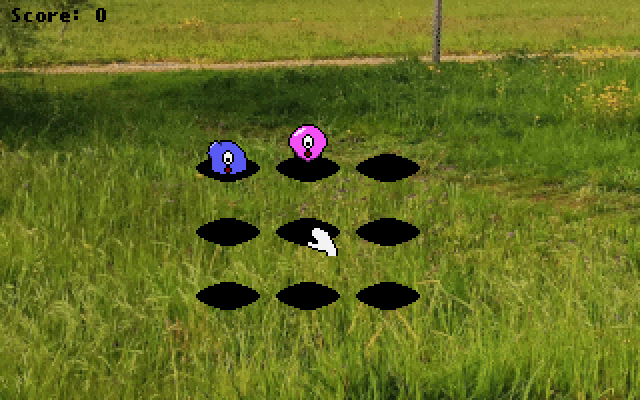
This "smash or save" mechanic elevates "Whack-A-Creature" beyond a mere reflex test, injecting an element of strategic decision-making and consequence. The choice implies different gameplay outcomes or even narrative branches, however subtle. For an MS-DOS game, which typically features straightforward objectives, this level of player agency is noteworthy. The minimalist control scheme—only three action buttons plus directional input—is perfectly suited for the platform, ensuring accessibility while still allowing for nuanced interaction. The game’s visual presentation, rendered in characteristic MS-DOS pixel art, further enhances the nostalgic appeal, with each creature likely exhibiting distinct animations for both being whacked and being saved, contributing to the game’s charm and replayability. Players are thus encouraged to experiment with both approaches, discovering the full scope of E_net4’s design.
Technical Prowess: Developing for MS-DOS in the Modern Era
Developing a new game for MS-DOS in 2026 is a significant technical undertaking that requires specialized knowledge and a deep understanding of the platform’s architecture. Modern development environments typically abstract away hardware-level details, but MS-DOS development demands direct engagement with system resources. E_net4 likely utilized a combination of contemporary tools and classic methodologies. This could include modern C/C++ compilers configured to target 16-bit or 32-bit DOS extenders (like DOS/4GW) to overcome the 640KB conventional memory limit, allowing for larger game assets and more complex logic. Graphics would primarily rely on VGA (Video Graphics Array) mode 13h (320×200 pixels, 256 colors) or other standard modes, requiring careful pixel-level artistry and optimization to convey character and atmosphere within limited palettes.
Sound design presents another unique challenge. While the PC speaker offers basic beeps and tones, a more sophisticated experience would necessitate support for sound cards prevalent in the DOS era, such as AdLib (FM synthesis) or Sound Blaster (digital audio playback). E_net4 would have had to implement drivers for these legacy sound hardware components or leverage existing libraries, often requiring assembly language programming for optimal performance. The distribution method, a digital download via Itch.io, likely includes the game executable bundled with a configuration optimized for DOSBox, the popular open-source MS-DOS emulator, ensuring compatibility and ease of play on modern operating systems without requiring users to set up a vintage PC. This blend of retro-focused development with modern distribution channels highlights the adaptive nature of the indie game scene. The technical expertise required to craft a functional, engaging game for such an antiquated system serves as a testament to E_net4’s dedication and skill, pushing the boundaries of what is considered possible on these platforms.
Community Reception and Broader Implications
The release of "Whack-A-Creature" has been met with considerable enthusiasm within the retro-gaming and indie development communities. Initial reactions on forums and social media platforms indicate widespread appreciation for E_net4’s continued commitment to MS-DOS and the innovative gameplay premise. Digital preservationists have also highlighted the importance of such releases, as they contribute to the ongoing viability and cultural relevance of historical computing platforms. "Each new game released for a legacy system like MS-DOS is a victory for digital preservation," commented Dr. Alistair Finch, a prominent game historian and advocate for retro-computing. "It proves that these systems are not merely relics to be observed but living, breathing platforms capable of new artistic expression. It inspires new generations to understand the foundations of computing."
The game’s presence on Itch.io also aligns with broader trends in accessible indie game development, where low-barrier-to-entry platforms enable creators to experiment without the pressures of mainstream publishing. This allows for a diversity of projects, from experimental art games to niche retro experiences, to find their audience. The "smash or save" mechanic, in particular, has sparked discussions about player ethics and the often-overlooked depth that can be achieved within simple game structures, drawing parallels to philosophical inquiries found in more complex modern titles. For many, "Whack-A-Creature" is more than just a game; it’s a statement about the enduring power of creative constraints and the timeless appeal of well-designed interactive experiences, regardless of the underlying technology. Its success could further inspire other developers to explore forgotten platforms, fostering a new wave of retro-inspired innovation.
A Chronology of E_net4’s Retro Endeavors
- Circa 2023-2024: E_net4 gains recognition within indie and retro-gaming circles for "Create-a-Creature," a whimsical character-creation and interaction game. The game’s unique art style and charming creatures develop a cult following.
- Early 2026: Speculation and hints begin circulating within the retro-gaming community about a new project from E_net4, rumored to be an MS-DOS title featuring characters from "Create-a-Creature."
- July 22, 2026: "Whack-A-Creature" is officially announced and released by E_net4 on their Itch.io page, available for immediate download. The game is confirmed to run natively on MS-DOS, typically via DOSBox emulation on modern systems.
- Post-Release: Initial reviews from retro-gaming blogs and community forums praise the game’s unique premise, its faithful MS-DOS aesthetics, and the clever implementation of its "smash or save" mechanic. Discussions emerge regarding the game’s philosophical undertones and its contribution to the niche of modern retro-development.
In conclusion, "Whack-A-Creature" by E_net4 stands as a testament to the persistent vitality of the MS-DOS platform and the innovative spirit of indie developers. Its July 22, 2026, release is not merely a novelty but a significant event within the retro-gaming ecosystem, demonstrating that creativity can thrive within technical constraints and that beloved characters can find new life on vintage hardware. By offering players a unique moral dilemma within a classic arcade format, E_net4 has crafted an experience that is both nostalgic and forward-thinking, proving that the roots of gaming continue to bear new and unexpected fruit.