Vera Clarissa
The landscape of wearable technology, particularly the smartwatch segment, has seen continuous evolution since its inception. For many, the Apple Watch has become an integral part of their daily lives, extending beyond mere timekeeping to encompass health monitoring, communication, and seamless integration with the broader Apple ecosystem. However, the user experience with older models can present challenges, prompting a re-evaluation of an individual’s needs and the available technological advancements. This article delves into one such journey, detailing a user’s decision to upgrade from a nearly six-year-old Apple Watch Series 3 to a newer model, specifically the Series 11, driven by performance degradation and the desire for enhanced functionality, all while leveraging a carrier promotion.
The Genesis of an Upgrade: From Series 3 to Series 11
The narrative begins with the author’s prolonged engagement with an Apple Watch Series 3, acquired in 2017. This device, initially a comprehensive tool, gradually succumbed to the limitations of aging technology. By 2023, the Series 3’s battery health had significantly deteriorated, leading to frequent recharging and a diminished user experience. Furthermore, the watch’s processing capabilities struggled to keep pace with contemporary software demands, resulting in noticeable lag and stuttering animations. Despite its constant presence on the author’s wrist for nearly six years, its utility had largely regressed to basic functions like time display and notification alerts, falling short of the initial promise of a truly interactive and feature-rich companion device.
This realization sparked a contemplation of the smartwatch’s evolving role. The mid-2010s, a period of intense hype surrounding smartwatches, fostered an imagination of their future potential. However, the author’s present perspective views them primarily as sophisticated smartphone accessories, enhancing, rather than replacing, core mobile device functionalities.

The immediate impetus for seeking a new Apple Watch arose from a recent acquisition of a 38mm Series 2 model in Space Gray. This particular device, purchased in mid-January, also suffered from a failing battery, and an attempt to replace it inadvertently led to minor display damage. While functional, this experience underscored the desire for a more robust and modern device. The author’s partner’s acquisition of a 41mm Series 8 in Starlight further amplified this sentiment, highlighting the advancements in design and capability available in newer iterations. The decision to pursue a newer model was contingent on favorable pricing, a condition met by a promotional offer from the author’s mobile carrier for the then-new Series 11.
Navigating the Market: Carrier Promotions and Device Selection
The telecommunications industry frequently utilizes device subsidies and promotional offers as key strategies to attract and retain customers. In this instance, the author’s carrier, T-Mobile, presented an opportunity to acquire the Apple Watch Series 11 at a price point deemed "reasonable." Such promotions often involve installment plans, trade-in bonuses, or bundled discounts, making premium technology more accessible.

While specific details of the T-Mobile offer are not fully elaborated in the provided content, it is common for such promotions to involve:
- Device Subsidies: A reduction in the upfront cost of the Apple Watch, often tied to a monthly service plan or a contract.
- Trade-In Programs: Incentives for customers to trade in older Apple Watch models or other compatible devices for credit towards a new purchase.
- Bundled Services: Discounts on cellular plans for the smartwatch when purchased alongside an existing mobile phone plan.
The availability of such carrier deals can significantly influence consumer purchasing decisions, particularly for high-value items like Apple products, by mitigating the perceived financial barrier.
The Unboxing Experience: A Closer Look at the Series 11
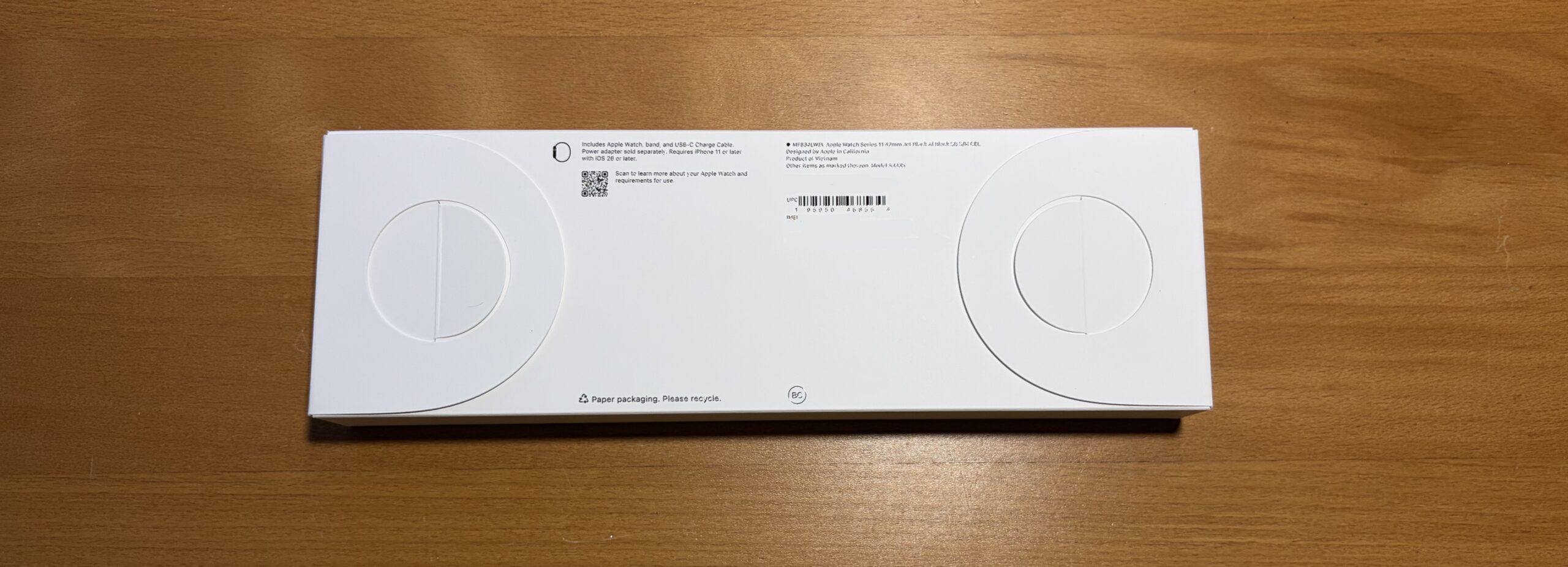
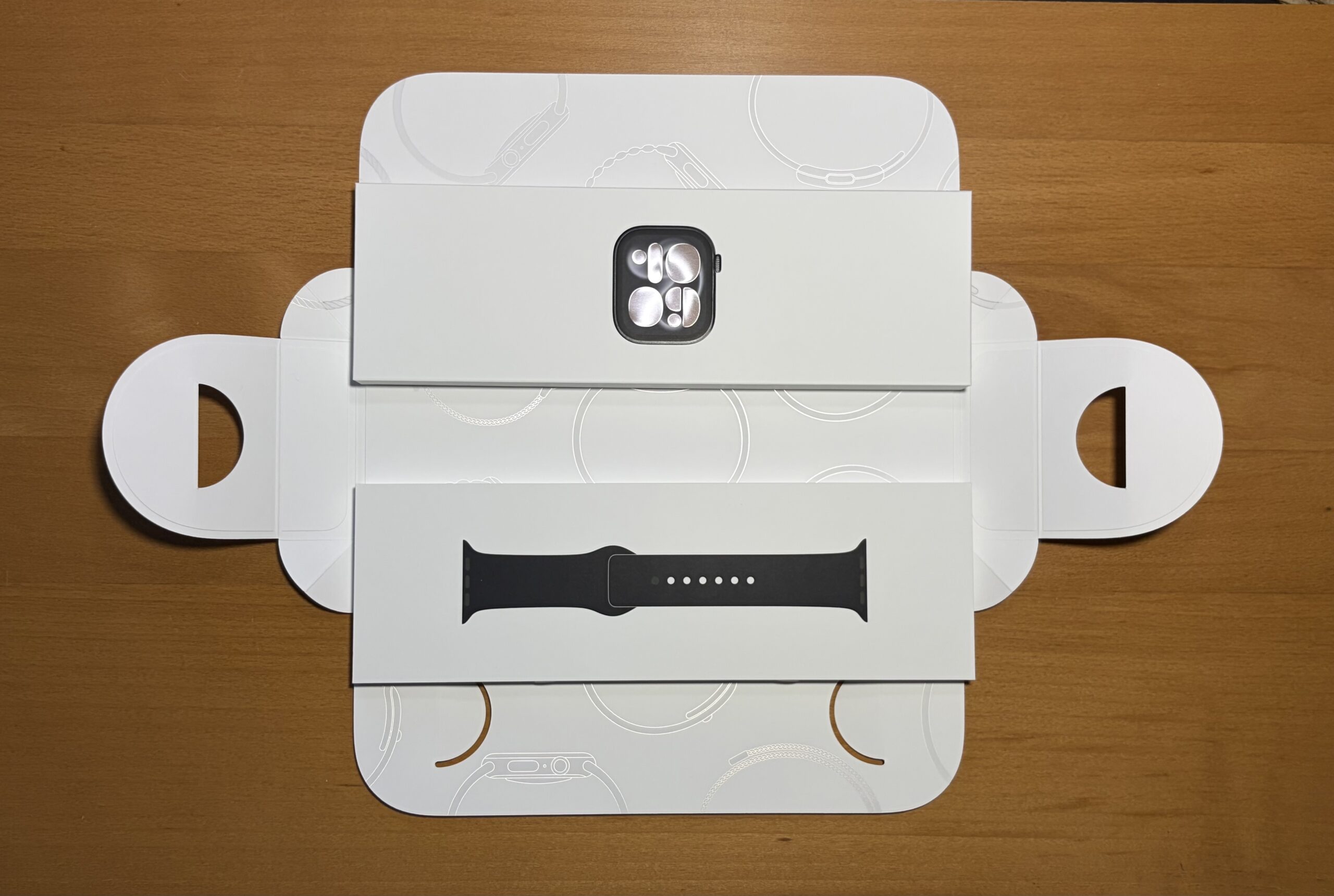
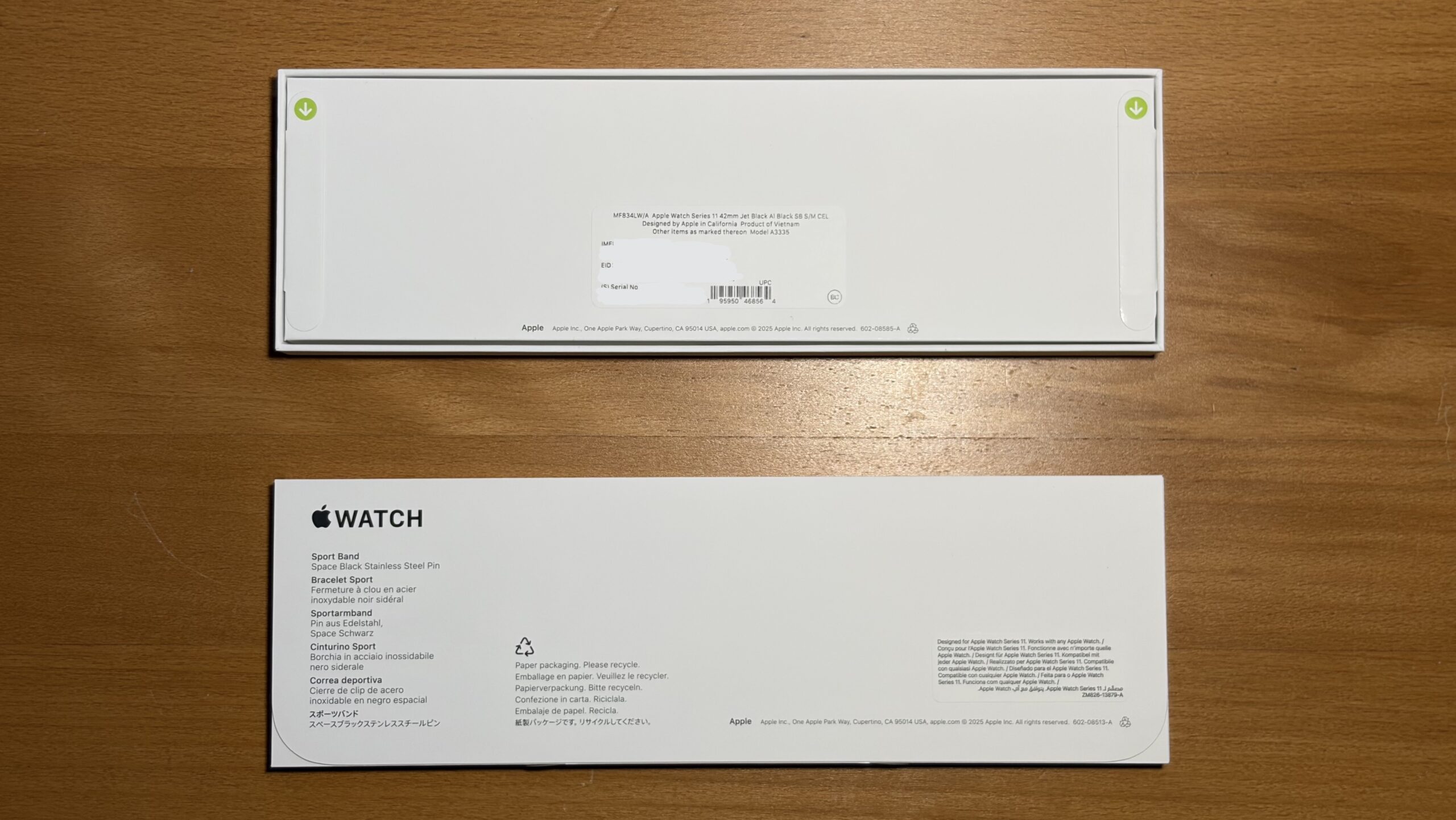
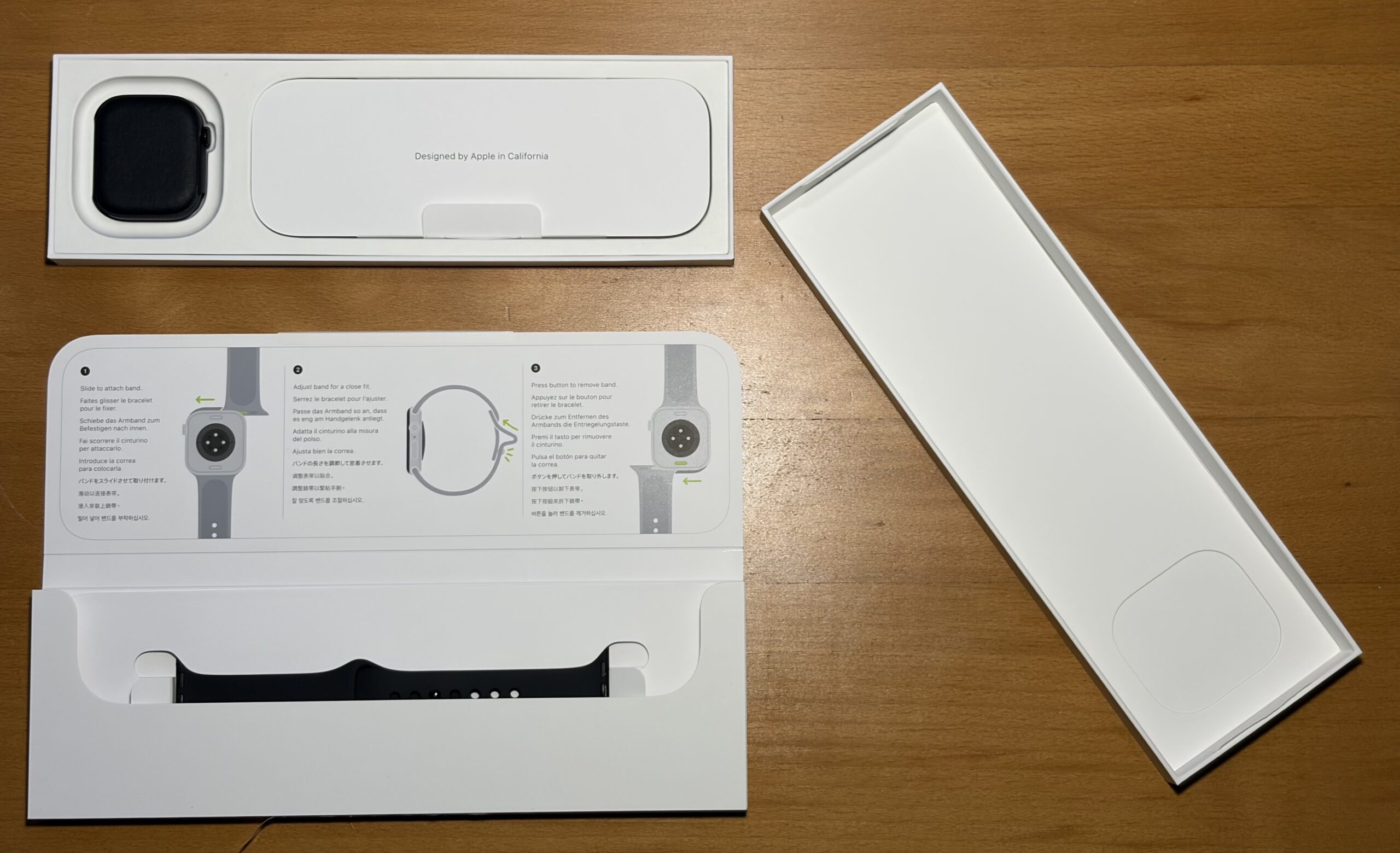
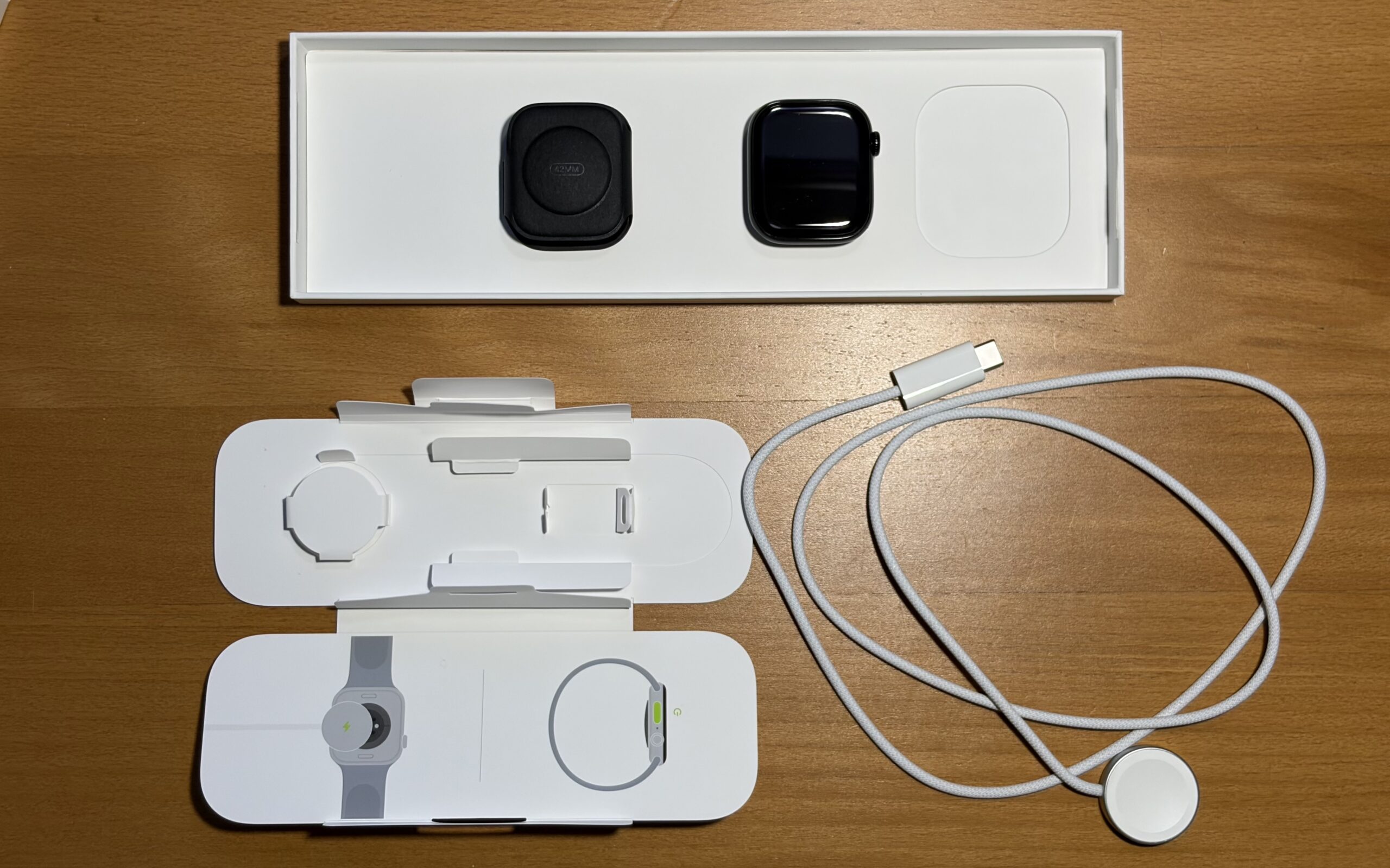
The unboxing process of a new Apple device is often a curated experience, designed to build anticipation and showcase the product’s premium nature. Images accompanying the original text provide a visual narrative of this unveiling. The packaging, typically minimalist and branded with Apple’s signature aesthetic, contains the smartwatch, charging accessories, and documentation.
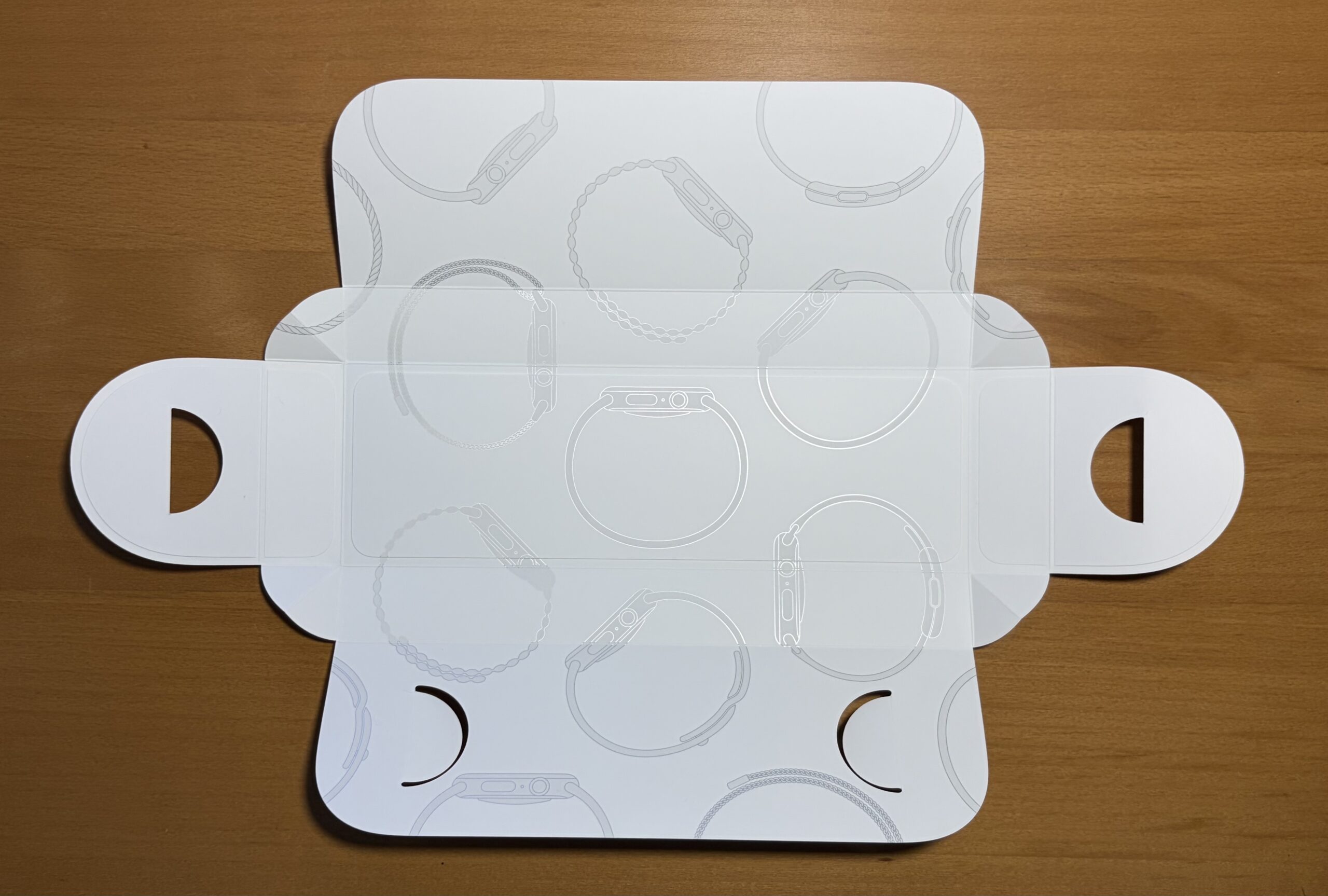
A notable observation from the provided imagery is the internal packaging, which features repeated imprints of Apple Watches. This design element, while subtle, reinforces the brand’s identity and the product’s lineage, creating a cohesive and immersive unboxing ritual for the consumer.
Aesthetics and Design: The "Obsidian" Watch
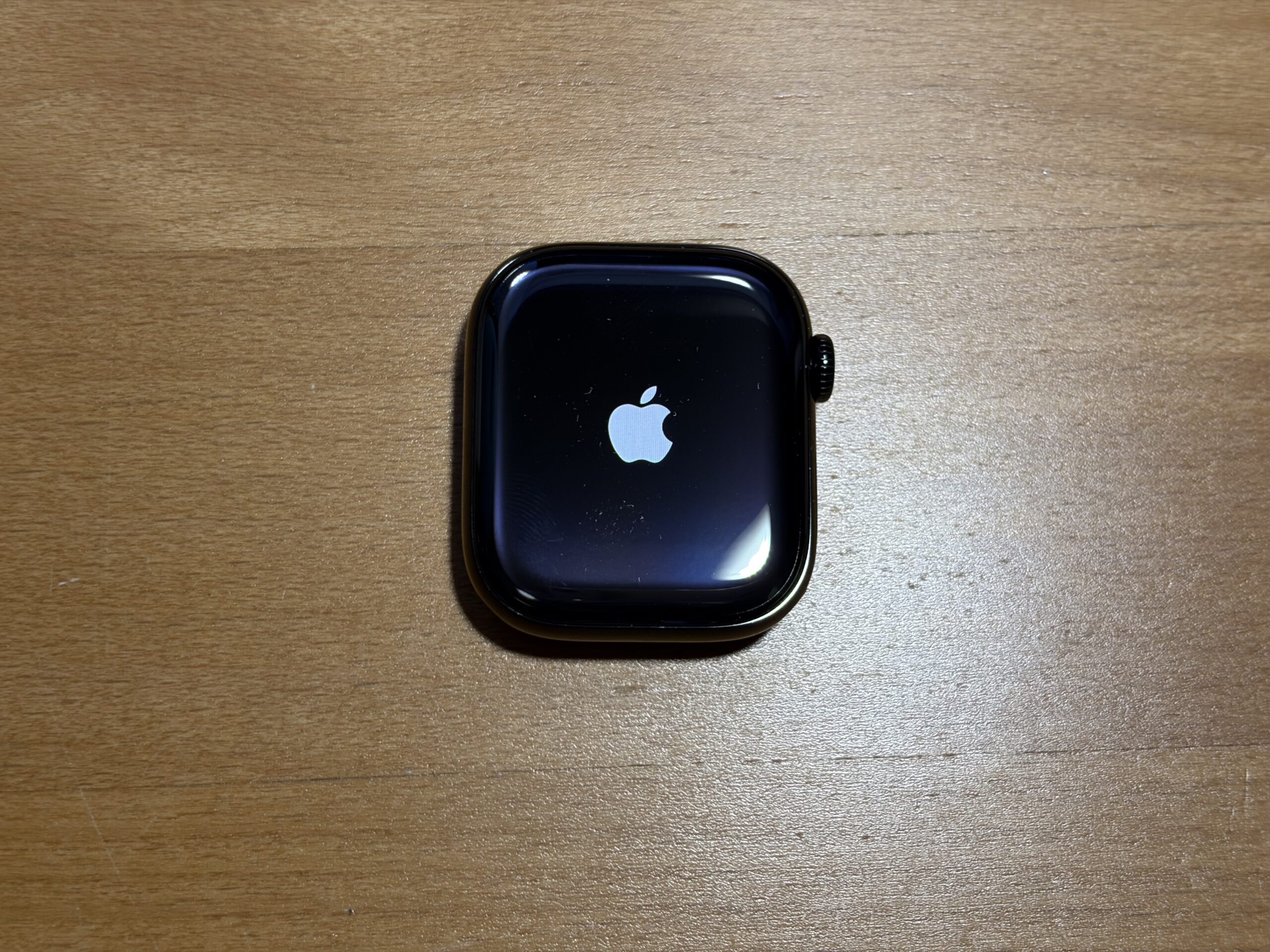
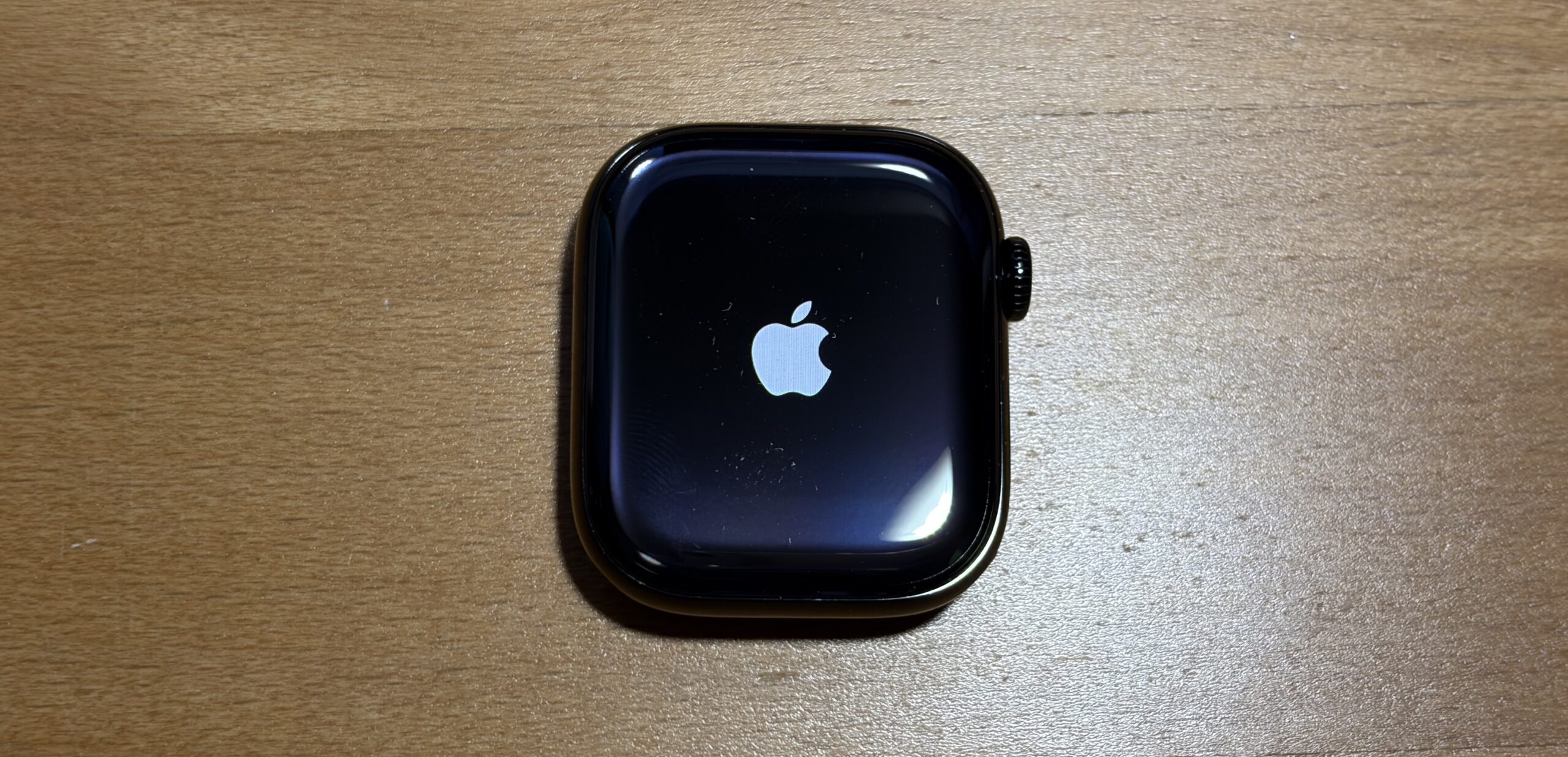
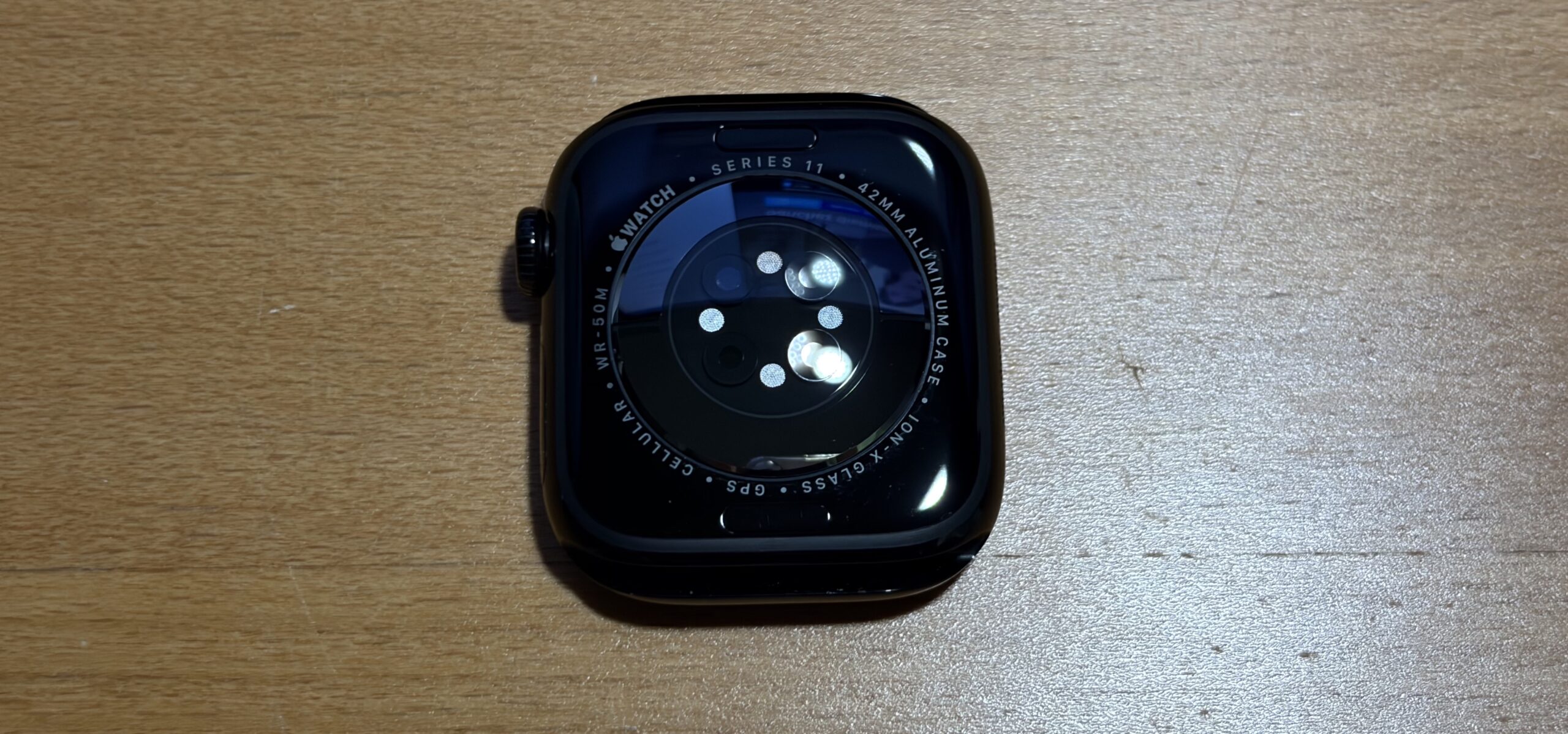
The author’s choice of color for the new Apple Watch was Jet Black, a deliberate decision aimed at achieving a "subtle yet aesthetically pleasing" appearance. This color choice draws a parallel to the sleek and reflective finish of the iPhone 7 Jet Black, a design that was highly regarded for its glossy, mirror-like quality. The author’s description of the Series 11 in Jet Black as resembling "a piece of shiny obsidian glass stone" highlights its visual appeal and the sophisticated finish achieved by Apple’s manufacturing processes. This personal touch led to the informal christening of the watch as "Obsidian."
The tactile and visual experience of the Jet Black finish, characterized by its deep luster and reflective surface, contributes to the premium feel of the device. This aesthetic preference underscores the importance of design in consumer electronics, where visual appeal often plays a significant role in the perceived value and desirability of a product.
Band Compatibility and Reusability: A Nod to Sustainability
A practical consideration for any smartwatch user is the compatibility of existing accessories, particularly watch bands. The author expresses a strong preference for Milanese loops, citing their ease of adjustment, removal, and wearability. This preference stems from their elegant design and functional simplicity, a stark contrast to the sport bands that often accompany new Apple Watches. In fact, the sport band that came with the author’s original Series 3 remains in its original packaging, unused.
Encouragingly, a previously acquired third-party silver-colored metal watch band, originally used with the Series 2, proved to be compatible with the new Series 11. While not a perfect aesthetic match for the Jet Black finish, the band securely attached and remained in place, demonstrating a degree of backward compatibility within Apple’s watch band ecosystem. This reusability of accessories not only offers a cost-saving benefit but also aligns with growing consumer interest in sustainable practices by extending the life cycle of existing products.
However, the author acknowledges that the silver band is not a "1:1 fit" and expresses an intent to acquire a band that complements the Jet Black "Obsidian" watch, suggesting a continued pursuit of both functional and aesthetic harmony.
Re-engagement with Content Creation: A Return to Low End Mac
The author’s decision to document this upgrade experience also signifies a personal return to content creation and engagement with the "Low End Mac" platform. A hiatus of nearly two months from publishing was attributed to focusing on personal life. This period of reflection and eventual recommitment to the website highlights the author’s dedication to the community and the platform.
The announcement of upcoming articles, covering topics such as "new Tech Specs, the MacBook Neo, and other new things going on at Apple," signals a renewed focus on providing relevant and timely content to the website’s readership. This commitment to sharing insights and experiences, even on seemingly personal matters like a smartwatch upgrade, serves to foster community engagement and reinforce the platform’s value proposition. The author extends gratitude to visitors, underscoring the symbiotic relationship between content creators and their audience.
The Evolution of Smartwatch Utility: From Novelty to Necessity
The journey from a Series 3 to a Series 11 Apple Watch reflects a broader trend in consumer technology adoption. Initially, smartwatches were often viewed as novelties, gadgets with potential but not yet indispensable. However, as technology matured and integration deepened, they have transitioned for many into essential tools.
Timeline of Apple Watch Generations and Key Milestones:
- 2015: Apple Watch (1st generation) is released, introducing the concept of a wearable computer for the wrist.
- 2016: Apple Watch Series 1 and Series 2 are launched, bringing performance improvements and water resistance, respectively.
- 2017: Apple Watch Series 3 is introduced, featuring cellular connectivity for the first time and a focus on health and fitness tracking. The author’s original device belongs to this generation.
- 2018: Apple Watch Series 4 marks a significant redesign, introducing a larger display and advanced health features like ECG.
- 2019: Apple Watch Series 5 offers an always-on display and built-in compass.
- 2020: Apple Watch Series 6 introduces blood oxygen monitoring, and the SE model provides a more affordable option.
- 2021: Apple Watch Series 7 boasts a larger, more durable display and faster charging.
- 2022: Apple Watch Series 8 and the rugged Apple Watch Ultra are released, with the Series 8 building upon existing features and the Ultra targeting extreme athletes. The author’s partner’s device is a Series 8.
- 2023: Apple Watch Series 9 is unveiled, featuring a brighter display and the new "Double Tap" gesture. The author refers to the "new Series 11," which is a hypothetical name and likely refers to the Series 9 or the latest available model at the time of writing. For the purpose of this analysis, we will assume "Series 11" refers to the most recent generation available in late 2023 or early 2024.
The author’s experience with the Series 3 highlights the natural lifecycle of electronic devices. Performance degradation, battery aging, and the emergence of superior features in newer models are inevitable. The shift in perspective from a feature-rich device to a more limited "smartphone companion" is a testament to how user expectations and technological capabilities evolve in tandem.
Analysis of Implications: The Value Proposition of Upgrading
The decision to upgrade from a Series 3 to a Series 11 (or latest generation) Apple Watch is driven by several factors, each with its own implications:
- Performance Enhancement: Newer models offer significantly improved processing power, leading to smoother app performance, faster load times, and more responsive user interfaces. This directly addresses the stuttering animations and lag experienced with the older device.
- Battery Life: Advancements in battery technology and power management mean that newer Apple Watches offer longer operational times between charges, reducing reliance on frequent charging and enhancing convenience.
- Advanced Health and Fitness Features: Each successive generation of Apple Watch introduces new sensors and algorithms for health monitoring, such as more accurate heart rate tracking, fall detection, ECG capabilities, and blood oxygen monitoring. These features contribute to a more comprehensive understanding of personal well-being.
- Ecosystem Integration: Newer models benefit from ongoing software updates and deeper integration with other Apple devices and services, providing a more seamless and cohesive user experience within the Apple ecosystem.
- Cost-Effectiveness of Promotions: Carrier promotions can democratize access to high-end technology, making upgrades more financially feasible for a wider range of consumers. This can lead to increased adoption of advanced wearable technology.
- Sustainability Considerations: While upgrading, the ability to reuse existing accessories like watch bands promotes a more sustainable approach to technology consumption. However, the eventual obsolescence of older devices still presents a significant environmental challenge for the electronics industry.
The author’s narrative illustrates a common consumer dilemma: balancing the cost of new technology against the diminishing returns of aging devices. The availability of a carrier promotion acted as a catalyst, tipping the scales in favor of an upgrade. This underscores the influence of market dynamics and pricing strategies on consumer purchasing behavior within the competitive tech landscape.
The renewed commitment to content creation following this personal technological journey suggests that such experiences can serve as inspiration and a catalyst for renewed engagement within online communities. The sharing of such practical, user-centric narratives remains a valuable aspect of technology journalism and consumer advice.