Vera Clarissa
The landscape of mobile computing has been dramatically reshaped by the relentless innovation of Apple Inc., a journey punctuated by the evolution of its in-house designed System-on-a-Chip (SoC) technology. From its nascent stages, where the company relied on third-party manufacturers, to its current position as a leader in custom silicon, Apple’s "A-Series" chips represent a cornerstone of its product strategy and a significant driver of its technological prowess. This article delves into the historical trajectory of these chips, tracing their development from early Samsung-sourced processors to the powerful, custom-designed marvels powering today’s devices and projecting the trajectory into the future.
Early Days: The Samsung Era and the Dawn of Apple Silicon
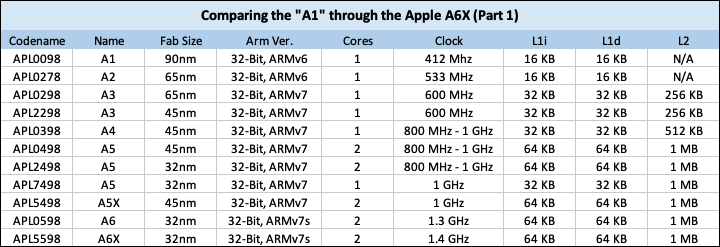
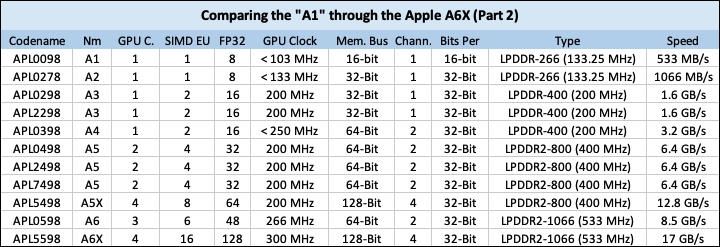
Before Apple etched its own name onto the silicon powering its groundbreaking devices, it leaned on the expertise of Samsung. The initial iOS devices, including the very first iPhone, iPod touch, and iPhone 3G, were equipped with chips that bore the Samsung S5L8900 designation, often referred to internally by Apple as "APL0098." These chips, based on the 32-bit ARMv6 architecture, were designed with a focus on power efficiency rather than raw performance, a crucial consideration for extending battery life in the early days of mobile computing. Fabricated using a 90-nanometer process, these processors operated at an underclocked 412 MHz from their potential 666 MHz. They featured a modest 16 KB of L1 instruction cache and another 16 KB for L1 data cache, with no L2 or L3 cache. The memory configuration was equally basic, comprising 128 MB of LPDDR-266 RAM running at 133.25 MHz, resulting in a total memory bandwidth of approximately 533 MB/s.
The transition to a slightly more advanced iteration, often dubbed the "Apple A2" due to its use in the second-generation iPod touch, saw a refinement in the fabrication process to 65 nanometers. While not officially branded as an A2, this chip represented a minor architectural upgrade over its predecessor.
A more significant leap occurred with the introduction of the "Apple A3" series, specifically the S5L8920 and S5L8922 chips. These powered the iPhone 3GS and the third-generation iPod touch, respectively. The key differentiator for the A3 generation was the doubling of the L1 cache to 32 KB per core for both instruction and data. This, coupled with an increase in memory bandwidth to 1.6 GB/s with 256 MB of LPDDR-400 RAM operating at 200 MHz, contributed to a noticeable performance boost. Furthermore, the A3 series marked a critical milestone by incorporating a 256 KB L2 cache, a feature conspicuously absent in earlier iOS devices. The GPU clock speed also saw an increase to 200 MHz.
The A4: Apple’s First In-House Designed Chip
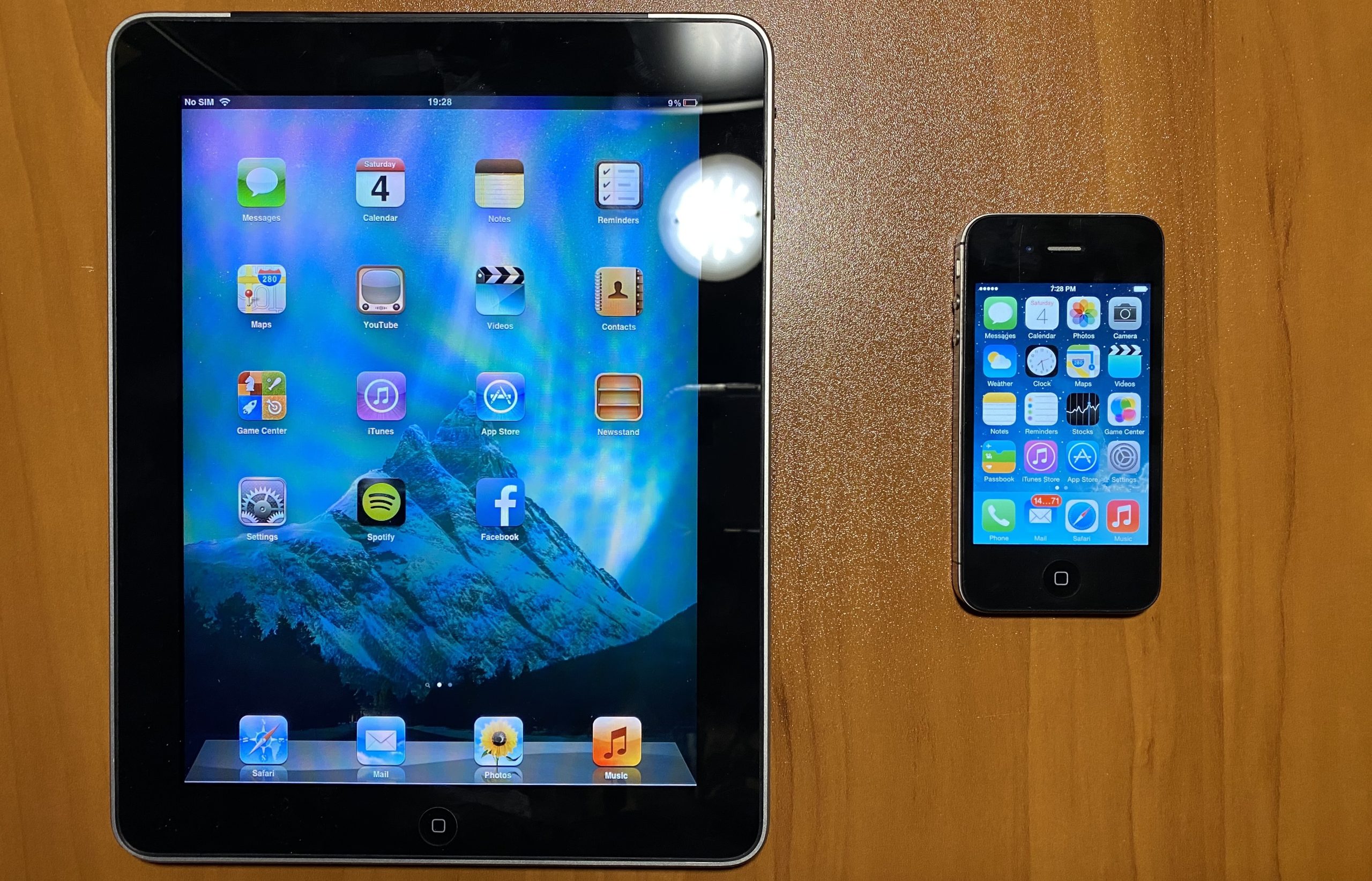
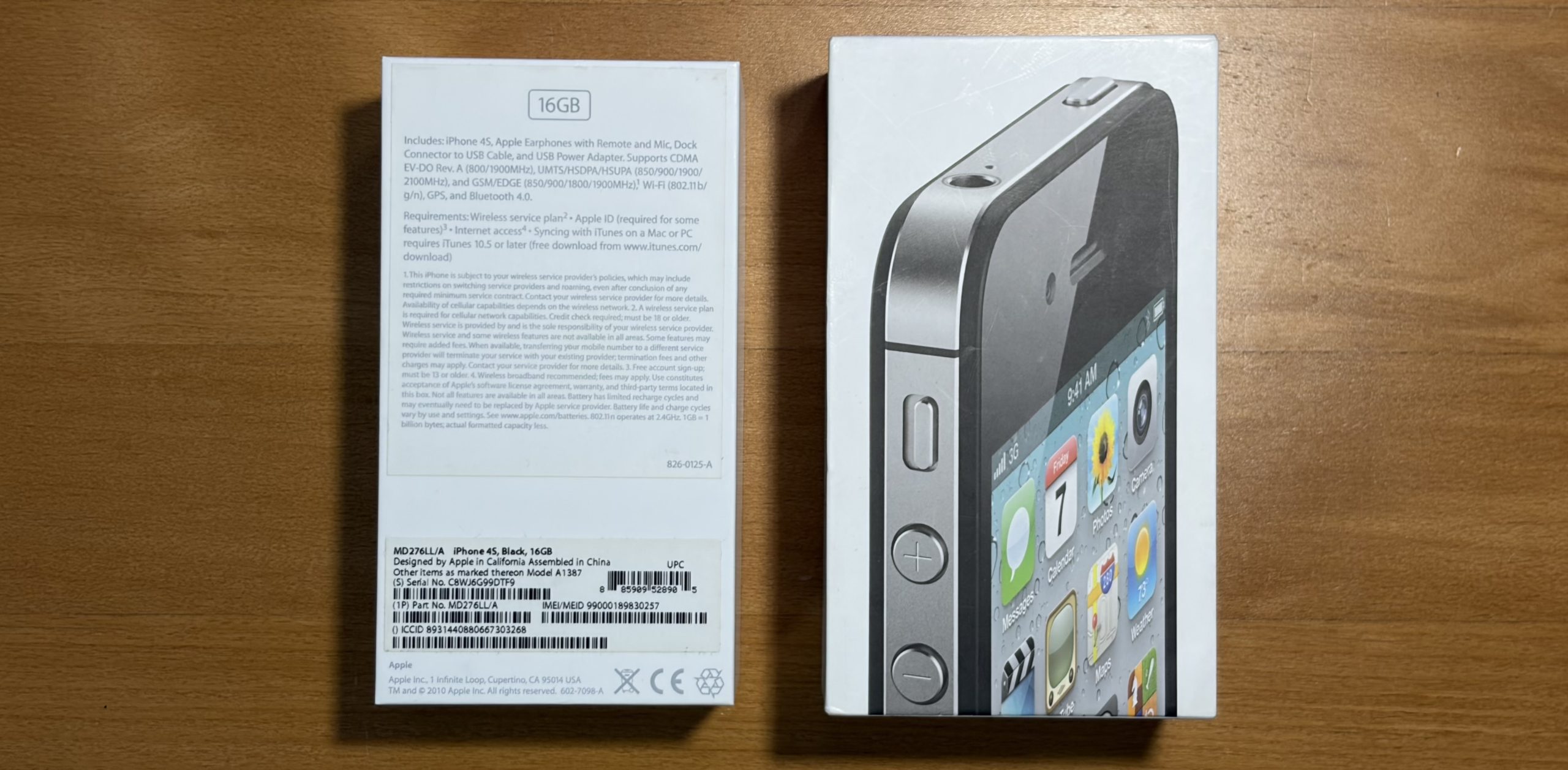
The year 2010 marked a pivotal moment in Apple’s technological journey with the debut of the A4 chip. This was the first SoC designed entirely in-house by Apple, signaling a strategic shift away from reliance on external manufacturers for its core processing units. The A4 powered iconic devices such as the iPhone 4, the original iPad, and the fourth-generation iPod touch. While still a 32-bit processor, the A4 represented a substantial upgrade. It featured a larger 512 KB L2 cache and increased CPU clock speeds, ranging from 800 MHz to 1 GHz depending on the device. Memory bandwidth saw a significant jump to 3.2 GB/s across all devices utilizing this SoC. This in-house development capability laid the groundwork for Apple’s future dominance in custom silicon design.
The A5 and A5X: Embracing Dual-Core and Enhanced Graphics

Released in March 2011 with the second-generation iPad, the A5 chip was lauded by Apple as capable of "twice the work" of the A4, with a claimed nine-fold increase in graphical performance. This chip was a dual-core processor and featured an improved L2 cache of 1 MB, faster memory, and a more powerful graphics core. Notably, Apple produced a locked-down single-core version of the A5 specifically for the third-generation Apple TV, a move that highlighted their ability to tailor chip designs for specific product needs.
The A5X, introduced with the third-generation iPad, represented a significant graphical enhancement. Featuring a quad-core graphics chip, it pushed graphical performance to 25.6 Gigaflops, offering substantial improvements over the standard A5. This iteration underscored Apple’s focus on delivering increasingly immersive visual experiences for its tablet devices.
The A6 and A6X: Breaking the 1 GHz Barrier and Memory Advancements

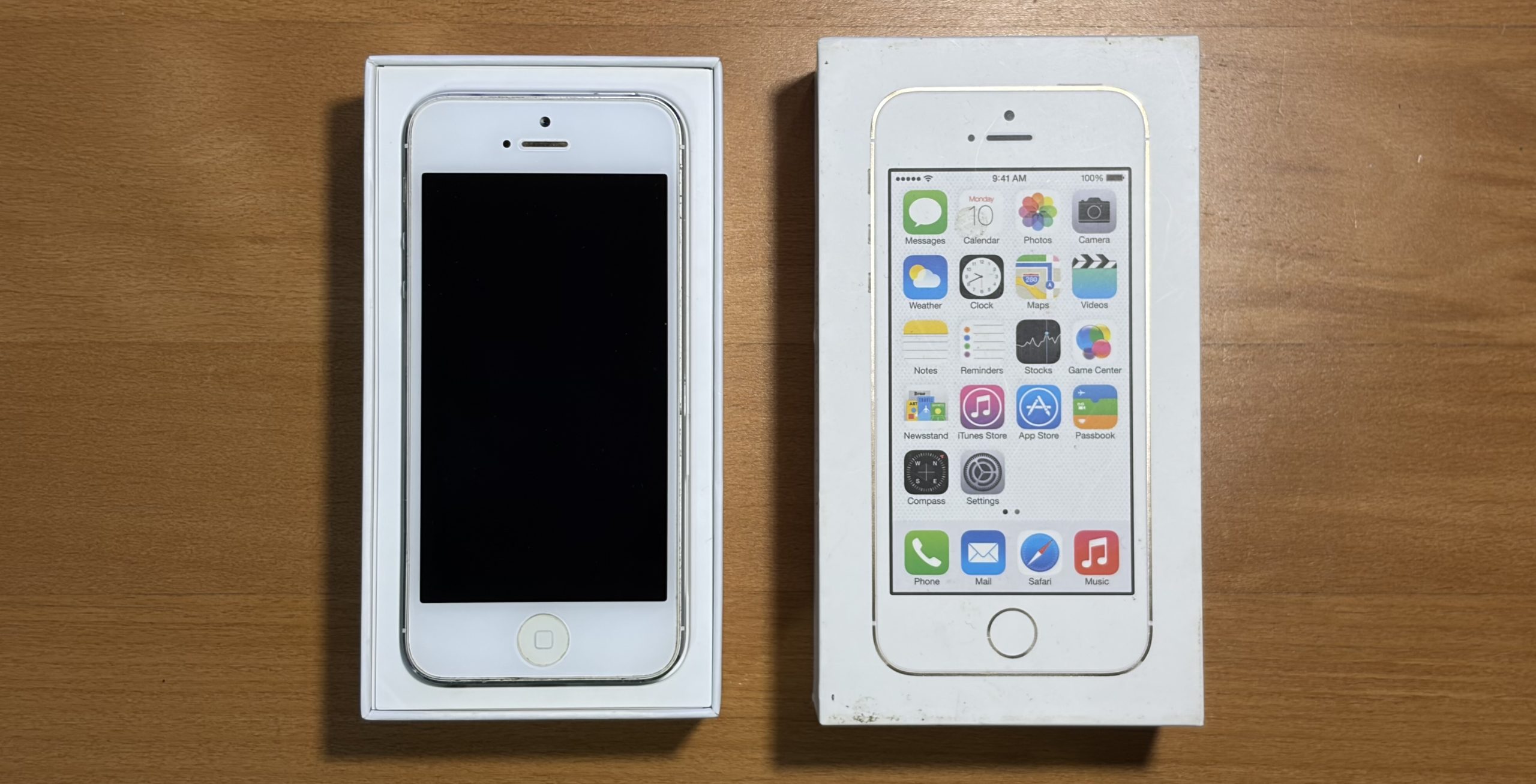
The A6 and A6X chips, powering devices like the iPhone 5, iPhone 5c, and the fourth-generation iPad, finally broke the 1 GHz CPU clock speed threshold. The iPhone 5 models featured a 1.3 GHz CPU, while the A6X in the fourth-generation iPad reached 1.4 GHz. Memory technology also saw an upgrade with the adoption of LPDDR2-1066 RAM, leading to memory bandwidths of 8.5 GB/s for the iPhones and a remarkable 17 GB/s for the iPad 4th-gen. The GPU clock speeds also increased to 266 MHz for the iPhone 5/5c and 300 MHz for the iPad 4th-gen. These advancements signaled Apple’s continuous effort to push the boundaries of mobile processing power.
The A7: A Paradigm Shift to 64-Bit Architecture
September 10th, 2013, witnessed a monumental shift with the introduction of the Apple A7 chip alongside the iPhone 5s. This marked the industry’s first 64-bit mobile SoC, a move that significantly increased processing capabilities and memory addressability. The A7, fabricated with an even smaller process and boasting a billion transistors, also found its way into the second and third generations of the iPad mini, as well as the original iPad Air. This transition to 64-bit architecture provided a robust foundation for more complex applications and richer user experiences.

The A8 and A8X: Catering to the Demand for Larger iPhones
The iPhone 6 and 6 Plus, released alongside the Apple A8 chip, represented a significant moment in Apple’s product strategy, catering to the growing demand for larger screen devices. These models became the most popular iPhones ever, with an estimated quarter of a billion units sold worldwide. The A8 chip, while an incremental improvement over the A7, provided the necessary performance to power these larger, more capable devices.
The A9 and A9X: Introducing TSMC and Advanced Storage
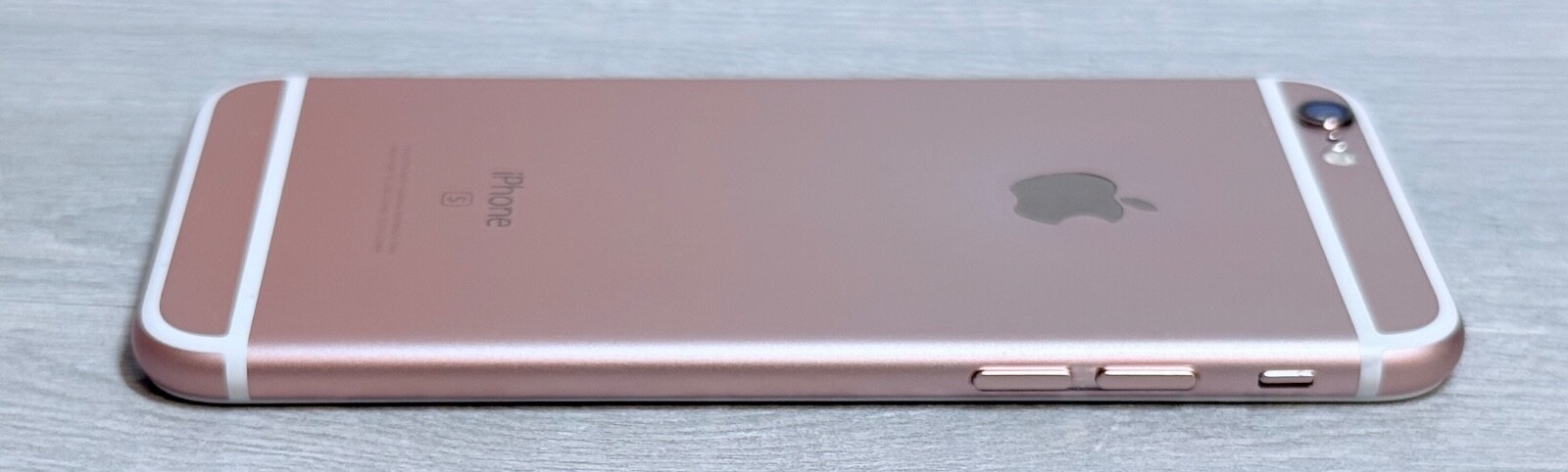
The A9 and A9X chips, introduced with the iPhone 6s and 6s Plus, marked another significant evolution. For the first time, Apple diversified its manufacturing partners, with both Samsung and TSMC producing versions of the A9. This generation also saw the adoption of DDR4 memory, predating its integration into Macs by nearly two years. A groundbreaking feature of the A9 chip was its custom storage solution, incorporating an Apple-designed NVMe controller and leveraging PCI Express technology. This resulted in significantly faster internal storage speeds for iPhones, a trend that has continued to define the performance of Apple’s mobile devices.
The A10 Fusion and A10X Fusion: The Era of Efficiency Cores
September 16th, 2016, brought the iPhone 7 and 7 Plus, powered by the A10 Fusion. This chip was revolutionary as it introduced the concept of "Efficiency Cores" to Apple’s mobile SoCs, alongside high-performance cores. The A10 Fusion was Apple’s first quad-core SoC, offering a claimed 40% improvement in CPU performance and 50% more GPU performance compared to the A9. This heterogeneous computing approach allowed for a significant boost in both raw power and power efficiency, a critical factor for extending battery life during everyday usage. The A10X Fusion, found in devices like the 10.5-inch iPad Pro, further amplified these capabilities with enhanced graphics and processing power.
The A11 Bionic: Neural Engine and Machine Learning Prowess
The A11 Bionic, introduced with the iPhone 8, 8 Plus, and iPhone X, represented a major leap forward with its dedicated Neural Engine. This specialized hardware accelerator was designed to handle machine learning tasks at an unprecedented speed, enabling advanced features like Face ID, Animoji, and enhanced computational photography. The A11 Bionic was a six-core CPU with two high-performance cores and four high-efficiency cores, delivering a substantial performance increase over its predecessors. Its focus on AI and machine learning capabilities signaled Apple’s commitment to integrating intelligent features into its devices.
The A12 Bionic and A12X Bionic: Further Refinements and Performance Gains
The A12 Bionic, powering the iPhone XS, XS Max, and XR, continued the trend of performance and efficiency gains, built on a more advanced 7-nanometer process. It featured an enhanced Neural Engine and a more powerful GPU. The A12X Bionic, found in the third-generation iPad Pro, pushed performance even further, offering desktop-class computing power in a mobile form factor. These chips solidified Apple’s lead in the mobile SoC market, demonstrating its ability to consistently deliver industry-leading performance.
The A13 Bionic and A13X (Pro/Max) Series: Efficiency and Performance Synergy
The A13 Bionic, found in the iPhone 11 series, further optimized the balance between performance and efficiency. Built on an even more advanced 7nm+ process, it offered improved CPU and GPU performance while consuming less power. This generation also saw enhancements to the Neural Engine, improving its speed and capabilities for on-device machine learning tasks.
The A14 Bionic: A Leap into 5nm Technology and Enhanced AI
The A14 Bionic, first seen in the fourth-generation iPad Air and then in the iPhone 12 lineup, marked a significant technological milestone by being manufactured on a 5-nanometer process. This smaller fabrication node allowed for increased transistor density, leading to substantial improvements in both performance and power efficiency. The Neural Engine in the A14 Bionic was also significantly upgraded, enabling more complex and faster AI-driven features.
The A15 Bionic and A15X (Pro/Max) Series: Powering the iPhone 13 and Beyond
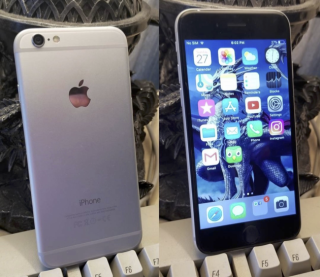
The A15 Bionic, the silicon heart of the iPhone 13 series, continued Apple’s tradition of incremental yet impactful upgrades. While built on a refined 5nm process, it offered enhanced CPU and GPU performance, a faster Neural Engine, and improved image signal processing capabilities. The A15 Bionic demonstrated Apple’s mastery in optimizing its architecture for sustained performance and efficiency.
The A16 Bionic: Pushing the Boundaries of iPhone Performance
The A16 Bionic, introduced with the iPhone 14 Pro and iPhone 14 Pro Max, represented a focused advancement in Apple’s silicon development. Fabricated on an enhanced 4nm process, it delivered notable improvements in performance and efficiency, particularly in its CPU and GPU cores. The A16 Bionic’s Neural Engine saw further optimizations, enhancing its ability to power advanced computational photography and other AI-driven features.
Projecting into the Future: The A17, A18, and Beyond
Looking ahead, the trajectory of Apple’s A-Series chips suggests a continued commitment to pushing the boundaries of mobile computing. The upcoming A17 and A18 chips, along with their Pro and Max variants, are expected to leverage even more advanced manufacturing processes, potentially moving to 3nm nodes or beyond. This will undoubtedly translate into further gains in processing power, graphics capabilities, and energy efficiency.
The future will likely see an even greater emphasis on specialized processing units, including advancements in neural engines for more sophisticated AI and machine learning applications. We can anticipate tighter integration with other system components, leading to more seamless and powerful user experiences across Apple’s ecosystem. The continued development of Apple’s custom silicon is not merely about creating faster chips; it’s about enabling new functionalities, enhancing user privacy through on-device processing, and maintaining Apple’s competitive edge in the rapidly evolving technology landscape. The journey from Samsung’s early contributions to Apple’s current silicon supremacy is a testament to the company’s strategic vision and its unwavering dedication to innovation.