Vera Clarissa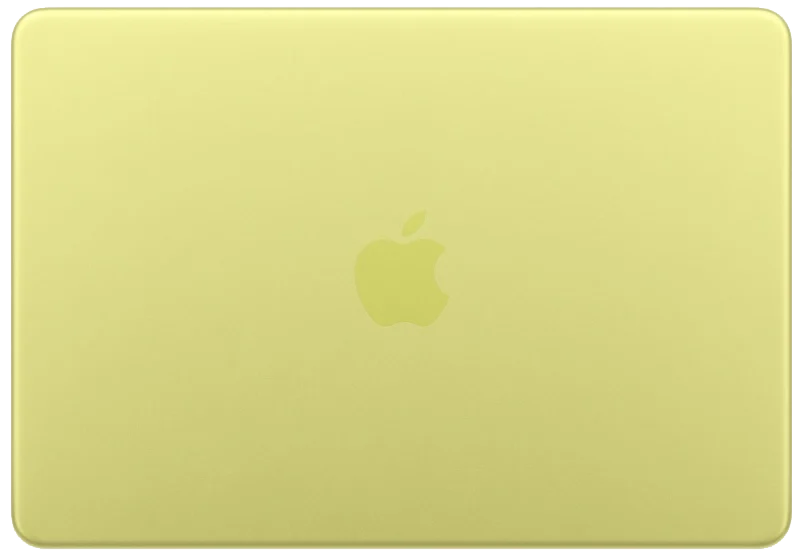
Apple has unveiled a groundbreaking addition to its notebook lineup, introducing the MacBook Neo, a device that reimagines the entry-level Mac experience. This new model champions affordability, striking a balance between cost-effectiveness and the premium performance Apple is renowned for. With a starting price of $599 USD, and an even more accessible $499 through Apple’s Education Store, the MacBook Neo stands as the most budget-friendly MacBook to date, signaling a significant strategic shift for the technology giant in the competitive consumer electronics market.
The MacBook Neo is designed to democratize access to the macOS ecosystem, targeting students, budget-conscious professionals, and consumers seeking a reliable and capable computing device without the premium price tag often associated with Apple products. This move directly addresses a segment of the market previously dominated by less powerful and often less durable ChromeBooks and budget Windows laptops. Apple’s decision to enter this price bracket with a device bearing its iconic branding suggests a long-term strategy to capture a larger share of the global personal computer market.
Unprecedented Performance in an Accessible Package
Despite its aggressive price point, the MacBook Neo is far from a compromise on performance. At its core lies the A18 Pro chip, a processor previously found in Apple’s high-end iPhone models. This integration marks a significant departure from Apple’s traditional approach of segmenting processors across different product tiers. The A18 Pro delivers exceptional speed and efficiency, providing nearly double the CPU performance of the M1 MacBook Air, a benchmark model that itself redefined ultrabook capabilities upon its release.
This performance leap is particularly noteworthy when contrasted with competitors in the same price range. While many ChromeBooks are often equipped with underpowered Intel processors that struggle with demanding tasks, and Windows notebooks in the sub-$600 segment frequently exhibit compromises in build quality and processing power, the MacBook Neo offers a distinctly premium experience. The device boasts a sturdy aluminum chassis, a hallmark of Apple’s design philosophy, ensuring durability and a sophisticated aesthetic. Furthermore, it features a redesigned trackpad, renowned for its precision and responsiveness, and a single-core CPU performance that rivals even high-end desktop processors like AMD’s Ryzen 9 9950X3D, according to benchmark data.
Design and Display: A Blend of Familiarity and Innovation
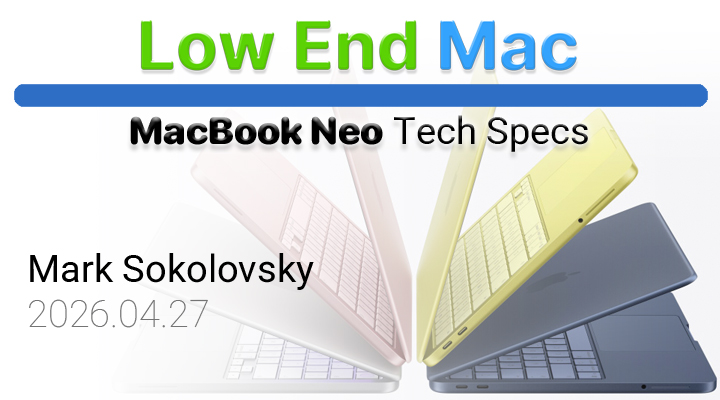
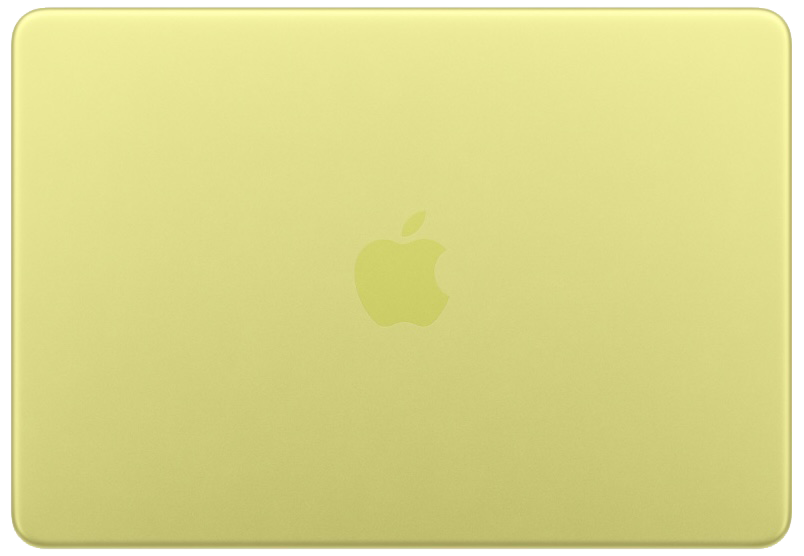
The MacBook Neo embraces a vibrant and diverse color palette, moving away from the more muted tones traditionally found in Apple’s laptop offerings. It is available in four distinct finishes: classic Silver, a sophisticated Blush (Pink), a lively Citrus (reminiscent of Gatorade Lemon-Lime), and a deep Indigo (a faded dark blue). This colorful approach aims to appeal to a younger demographic and those seeking a more personalized computing experience.

The display is a crucial component of any laptop, and the MacBook Neo does not disappoint. It features a 13-inch IPS LCD panel with a brightness of 500 nits, ensuring good visibility even in well-lit environments. The display boasts a crisp resolution of 2048 x 1506 pixels at 219 pixels per inch (ppi), offering sharp text and clear images for everyday tasks, multimedia consumption, and light creative work.
Under the hood, the Neo is configured with 8 GB of 3750 MHz LPDDR5X-7500 SDRAM, providing ample memory for multitasking. The graphics capabilities are handled by a 5-core GPU integrated within the A18 Pro chip. The A18 Pro itself is a marvel of modern chip manufacturing, built on TSMC’s advanced 3-nanometer N3E FinFET process, which contributes to its remarkable power efficiency and performance.
Storage and Expandability: A Practical Approach
Storage speed plays a vital role in the overall responsiveness of a laptop, and the MacBook Neo excels in this regard. It utilizes PCIe NVMe K8A5 NAND flash storage, delivering impressive read and write speeds of approximately 1.4 GB/s. While the RAM is soldered onto the logic board, making it non-upgradable, the onboard storage, though also soldered, presents a unique opportunity for user customization. Unlike most modern Apple laptops, reports and demonstrations, such as those by tech enthusiast DosDude1, suggest that it is possible to upgrade the internal SSD to 1 TB with the appropriate tools and expertise.

In retail configurations, the MacBook Neo is offered with either a 256 GB SSD for the base $599 model or a 512 GB SSD for $699. This tiered storage approach allows consumers to select a configuration that best suits their needs and budget.
Connectivity and Features: Thoughtful Omissions and Additions
In its pursuit of affordability and a streamlined design, Apple has made some notable omissions from the MacBook Neo compared to its higher-end siblings. Notably, the device does not feature MagSafe charging, a charging standard that has been a staple of MacBooks since 2020. Instead, users will rely on its single USB-C port for charging, which also serves as the primary data transfer port.
Connectivity is somewhat limited, with the Neo featuring one USB 3.0 port and another USB 2.0 port. This configuration may require users to employ a USB hub for connecting multiple peripherals simultaneously. Another significant omission for a MacBook is the absence of a backlit keyboard. However, Apple has included a light-toned color keyboard that complements the chassis color, offering a visually pleasing aesthetic. Touch ID, Apple’s fingerprint sensor for secure authentication and payments, is available as an upgrade on the $699 model, adding a layer of convenience and security. Beyond the USB ports, a standard 3.5mm headphone jack is present, a welcome inclusion for users who prefer wired audio.
Apple Intelligence Integration: A Glimpse into the Future
The MacBook Neo is fully compatible with macOS and, crucially, supports Apple Intelligence, Apple’s suite of AI-powered features. This integration brings advanced capabilities, such as enhanced Siri voice assistance, intelligent writing tools, and personalized content generation, directly to the entry-level MacBook. Apple Intelligence is designed to run efficiently on any Mac equipped with Apple Silicon, ensuring that even the most affordable Mac benefits from these cutting-edge AI advancements. This makes the MacBook Neo a compelling option for users who want to experience the latest in AI-driven computing without investing in a high-end device.
Key Specifications and Features at a Glance
- Processor: Apple A18 Pro chip (built on TSMC’s 3nm N3E FinFET process)
- RAM: 8 GB 3750 MHz LPDDR5X-7500 SDRAM
- GPU: 5-core GPU
- Display: 13-inch IPS LCD, 500 nits brightness, 2048 x 1506 resolution, 219 ppi
- Storage: PCIe NVMe K8A5 NAND (256 GB or 512 GB standard)
- Ports: 1x USB 3.0, 1x USB 2.0, 1x 3.5mm headphone jack
- Colors: Silver, Blush (Pink), Citrus, Indigo
- Features: Light-tone color keyboard, Touch ID (on $699 model)
- Battery Life: Up to 11 hours wireless web, up to 16 hours video streaming
Operating System and System Architecture

The MacBook Neo runs on macOS, providing users with the familiar and robust operating system experience that Apple is known for. The integration of the A18 Pro chip, built on a 3-nanometer process, underscores Apple’s commitment to pushing the boundaries of mobile processor technology. This advanced manufacturing process allows for higher transistor density, leading to improved performance and greater power efficiency.
Cache Configuration of the A18 Pro Chip
The A18 Pro chip features a sophisticated cache hierarchy designed to maximize data access speeds and minimize latency. While specific details on all cache levels for the A18 Pro in the MacBook Neo are not explicitly detailed in the provided text, it is understood that all A18 Pro chips incorporate a certain memory configuration for their CPU caches. This typically includes L1 Instruction (L1i) and L1 Data (L1d) caches, as well as a larger System Level Cache (SLC) shared across CPU cores and other processing units. These caches are critical for storing frequently accessed data and instructions, thereby accelerating application performance and overall system responsiveness.
Expandability and Physical Design
The MacBook Neo offers limited expansion capabilities, with its primary ports being the two USB ports and the headphone jack. However, the potential for internal SSD upgrades, as evidenced by third-party modifications, adds a degree of user-driven expandability not commonly found in modern Apple laptops.
The device is designed for portability, with a lightweight profile and a durable aluminum construction. While it lacks MagSafe, the inclusion of a standard USB-C port for charging ensures broad compatibility with charging accessories. The absence of a backlit keyboard is a notable trade-off for its price point, but the colored keyboard offers a unique aesthetic touch.
Closed Lid Mode Functionality
The MacBook Neo supports "closed lid mode," also known as clamshell mode. This feature allows users to operate the laptop with the lid closed, dedicating all available unified memory to an external display. To enable this mode, the MacBook Neo must be connected to AC power, an external display, and a USB or Bluetooth mouse and keyboard. Upon waking the device and connecting the external peripherals, closing the lid will keep the internal display off, turning the external monitor into the sole display. This functionality is particularly useful for users who wish to use their MacBook Neo as a desktop replacement when connected to a larger screen. To revert to using the internal display, users simply need to disconnect the external display and open the lid.

Market Implications and Strategic Significance
The introduction of the MacBook Neo represents a significant strategic maneuver by Apple. By offering a Mac at a price point that directly competes with mid-range Windows laptops and premium ChromeBooks, Apple aims to broaden its market appeal and attract a new generation of users. This move could potentially disrupt the entry-level laptop market, drawing consumers who may have previously been priced out of the Apple ecosystem.
The inclusion of the A18 Pro chip and support for Apple Intelligence on this affordable device signals that Apple is committed to delivering a high-quality, feature-rich experience across its entire product spectrum. This approach democratizes access to advanced technologies, making them available to a wider audience and potentially fostering greater adoption of macOS and Apple’s integrated software ecosystem. The success of the MacBook Neo will likely be closely watched as an indicator of Apple’s ability to compete effectively in the mass-market laptop segment.