Indra Gunadi
In a remarkable convergence of retro gaming nostalgia and contemporary independent development, BARATA Software has announced the forthcoming release of "Homem Kueka," a new platformer slated for the venerable Nintendo Game Boy in 2026. This project stands as a testament to the enduring appeal of classic hardware and the vibrant, persistent homebrew community that continues to push the boundaries of what can be achieved on legacy systems. "Homem Kueka" is positioned not merely as a new game, but as a digital artifact deeply rooted in the cultural history of the early internet, drawing direct inspiration from the mIRC chatroom days on PTnet, a significant online hub for Portuguese internet users.
The announcement of a new title for a console first released in 1989, more than three decades after its debut, underscores a growing trend in the gaming industry where developers are revisiting classic platforms. BARATA Software describes "Homem Kueka" as "a learning project, not a masterpiece, but honest GB craft," a statement that reflects the ethos of many indie developers who undertake such endeavors out of passion, a desire to master low-level programming, and a deep respect for gaming history. The game promises a classic platforming experience, incorporating mechanics such as balloon jumps, trampolines, and a "Wario-style dash," indicating a focus on varied movement and interaction within its pixelated world. Notably, the game is set to utilize WAV and MIDI tunes, a technical detail that, while commonplace in modern gaming, presents unique challenges and opportunities within the Game Boy’s constrained sound architecture.
The Enduring Allure of the Game Boy Homebrew Scene
The Nintendo Game Boy, released globally between 1989 and 1990, revolutionized portable gaming. With over 118 million units sold across its various iterations (original, Pocket, Color), it remains one of the best-selling handheld consoles of all time. Its simple yet effective design, long battery life, and iconic green-tinted monochrome screen (or color palette for the Game Boy Color) fostered a generation of gamers. Decades later, its hardware limitations—a Sharp LR35902 CPU clocked at 4.19 MHz, 8 KB of RAM, and a 160×144 pixel display—have paradoxically become a canvas for modern ingenuity. The homebrew community, comprised of hobbyists, enthusiasts, and professional developers, finds unique satisfaction in overcoming these constraints.
Developing for the Game Boy in the 21st century involves a blend of historical reverence and modern tooling. Projects like "Homem Kueka" often leverage sophisticated cross-compilers like GBDK (Game Boy Development Kit) or assemblers like RGBDS (Rednex Game Boy Development System), which allow developers to write code on contemporary PCs and compile it for the Game Boy’s architecture. This approach streamlines the development process significantly compared to the original era, where specialized development kits and hardware debugging tools were prohibitively expensive and complex. The "honest GB craft" mentioned by BARATA Software suggests a deliberate effort to respect the original hardware’s capabilities and limitations, aiming for an authentic Game Boy experience rather than simply porting modern concepts without consideration for the target platform. The use of WAV and MIDI tunes is particularly interesting; while the Game Boy’s sound chip (a custom 4-channel PSG) is iconic, directly playing WAV files is typically beyond its native capabilities without significant CPU overhead or specialized compression. This could imply creative approaches to audio playback, perhaps highly compressed samples or a sophisticated custom sound driver, pushing the boundaries of what is conventionally expected on the console.
A Deep Dive into Inspiration: mIRC and PTnet
One of the most distinctive elements of "Homem Kueka" is its explicit inspiration from "old mIRC chatroom days on PTnet." This reference transports the game’s conceptual origins back to a pivotal era of the internet, particularly in Portugal. mIRC, a popular Internet Relay Chat (IRC) client, was a cornerstone of online communication in the late 1990s and early 2000s. It provided real-time text-based chat in channels dedicated to myriad topics, fostering communities and facilitating early forms of online social interaction long before the advent of modern social media platforms.
PTnet refers to the Portuguese internet network, a collective term for the online infrastructure and communities prevalent in Portugal during that period. For many Portuguese users, mIRC on PTnet was their primary gateway to the internet’s interactive capabilities beyond static web pages. These chatrooms were vibrant hubs of discussion, file sharing, gaming coordination, and even nascent online romance. The culture of mIRC was often characterized by pseudonyms, custom scripts, elaborate ASCII art, and a sense of belonging to niche online tribes. The specific context of PTnet implies a localized cultural impact, where shared experiences within these digital spaces forged unique bonds and memories for a generation of Portuguese internet users.
BARATA Software’s decision to draw inspiration from this era suggests a profound sense of nostalgia and a desire to encapsulate the spirit of that time within a Game Boy game. This could manifest in various ways: character designs inspired by common mIRC avatars or emotes, narrative elements referencing chatroom dynamics, or even subtle visual cues that evoke the aesthetic of early internet interfaces. The very act of creating a game inspired by this period serves as a form of digital archaeology, preserving and reinterpreting a significant chapter in internet history through the medium of video games.
Inferred Developer Philosophy and Community Engagement
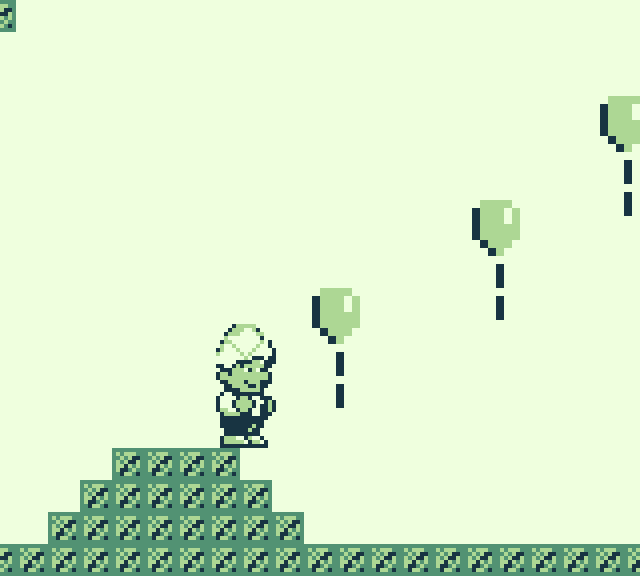
While BARATA Software has not issued extensive statements beyond the initial description, the characterization of "Homem Kueka" as a "learning project" speaks volumes about the developer’s philosophy. This term is frequently used by independent creators who view game development not just as a means to an end, but as a continuous process of skill acquisition, experimentation, and problem-solving. It implies an openness to challenges, a willingness to iterate, and a focus on the craft itself over commercial pressures. For a solo developer or a small team, a "learning project" often allows for greater creative freedom and a more direct connection to the fundamental joys of creation.
The phrase "honest GB craft" further reinforces this dedication to authenticity. It suggests a commitment to producing a game that feels genuinely at home on the Game Boy, respecting its technical limitations and leveraging its unique characteristics rather than fighting against them. This contrasts with some retro-inspired games that might merely adopt a pixel art style without fully understanding or adhering to the design principles of the era. For the retro gaming community, such an approach is highly valued, as it contributes to the preservation of classic gaming aesthetics and design philosophies.
The distribution model via itch.io (baratasoftware.itch.io/homem-kueka) is also indicative of an independent, community-focused approach. Itch.io has become a prominent platform for indie developers, offering flexible publishing options, direct engagement with players, and often a "pay-what-you-want" model or affordable pricing. This allows developers to reach a dedicated audience of retro enthusiasts and homebrew supporters, fostering a direct relationship without the need for traditional publishers. This model aligns perfectly with the spirit of a "learning project" and "honest craft," prioritizing creative expression and community interaction over mass-market appeal.
Broader Implications for Retro Gaming and Digital Preservation
"Homem Kueka" represents more than just a new game; it is a significant cultural artifact within the broader landscape of retro gaming and digital preservation. Projects like this demonstrate the ongoing vitality of legacy platforms and the creative potential that still resides within their hardware. In an era dominated by high-definition graphics and increasingly complex game engines, the deliberate choice to develop for a system with such strict constraints is a powerful statement. It highlights the timeless appeal of well-designed gameplay, effective art direction, and engaging mechanics, proving that innovation and enjoyment are not solely dependent on technological advancement.
Furthermore, such projects contribute to the informal but crucial effort of digital preservation. By creating new content for old systems, developers like BARATA Software help keep these platforms relevant and prevent them from fading into obscurity. They encourage new generations to explore the history of video games, understanding the foundational titles and hardware that shaped the industry. The game’s specific reference to mIRC and PTnet also adds a layer of cultural preservation, immortalizing an aspect of early internet history that might otherwise be forgotten by mainstream narratives. It serves as a digital time capsule, allowing players to connect with the nostalgic sentiments of an earlier era.
The trend of developing new games for old consoles is experiencing a renaissance. Alongside "Homem Kueka," numerous other homebrew titles for systems like the NES, SNES, Sega Genesis, and Atari 2600 are regularly released, often packaged in physical cartridges that mimic their original counterparts. This phenomenon is driven by a confluence of factors: the availability of user-friendly development tools, a passionate and growing community of retro gamers, and the relatively low barrier to entry for independent developers compared to modern AAA game production. These projects often receive crowdfunding support or rely on platforms like itch.io to connect with their audience, illustrating a sustainable niche economy built on nostalgia, technical challenge, and artistic expression.
The Future of Homem Kueka and BARATA Software
As "Homem Kueka" approaches its anticipated 2026 release, the gaming community, particularly those with a fondness for the Game Boy and a personal connection to early internet culture, will be keenly watching. The project embodies a fascinating cross-section of technological history, cultural memory, and modern independent game development. BARATA Software’s commitment to "honest GB craft" suggests a game designed with care and respect for its chosen platform, offering an authentic experience that will resonate with enthusiasts.
The journey of "Homem Kueka" from the digital ether of mIRC chatrooms to the physical silicon of a Game Boy cartridge is a compelling narrative in itself. It serves as a powerful reminder that creativity thrives under constraint, that nostalgia can be a potent wellspring of innovation, and that the legacy of gaming’s past continues to inspire its future. This upcoming platformer is poised to be more than just a game; it is a cultural bridge, connecting the pioneering days of online communication with the enduring charm of 8-bit portable gaming, promising a unique blend of challenge, history, and heartfelt development for players worldwide.