Retno Hari Mulyono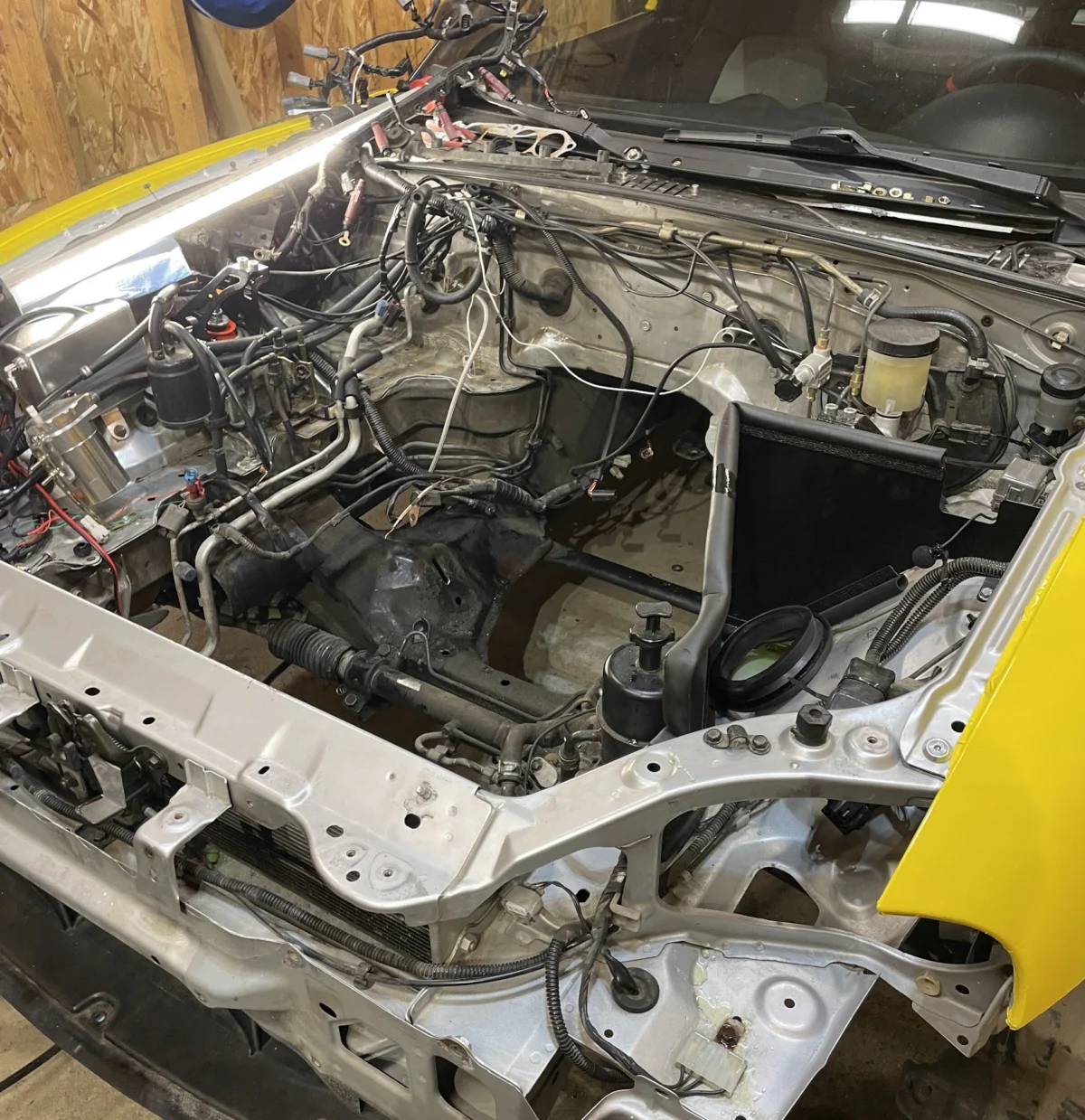
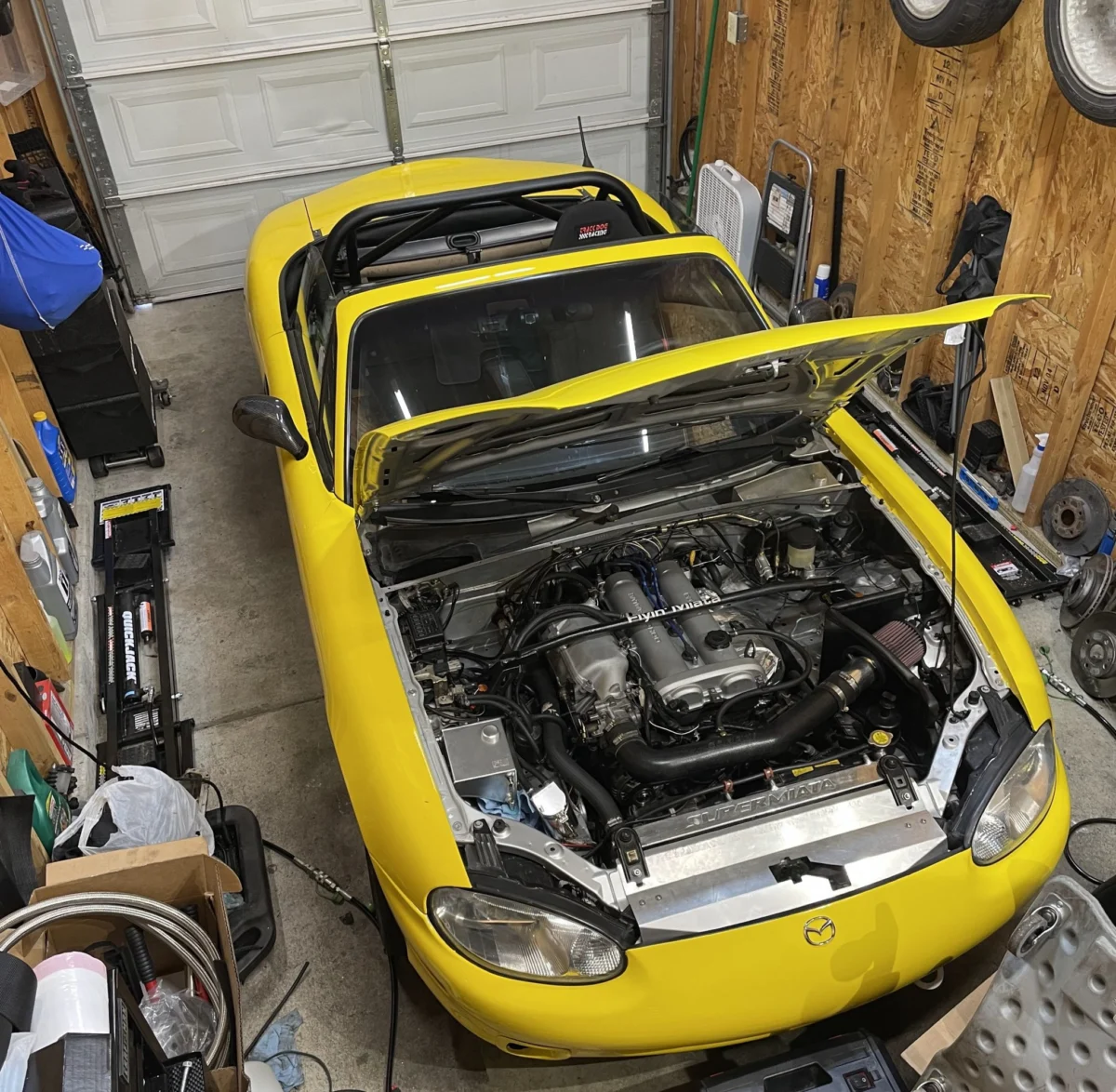
The maintenance and performance enhancement of the second-generation Mazda Miata, known internally as the NB, represents a significant undertaking for automotive enthusiasts seeking to preserve the longevity and track-readiness of the platform. A recent comprehensive project involving an NB Miata focused on a complete engine extraction to address a series of systemic mechanical issues and to implement several high-performance upgrades. While individual repairs such as sealing oil leaks or replacing a clutch can often be performed with the engine in situ, the accumulation of multiple maintenance requirements often necessitates a full engine removal to ensure precision, ease of access, and the successful integration of aftermarket components. This report details the technical processes, the mechanical challenges encountered, and the broader implications of such an overhaul on the BP-series engine platform.
Context and Rationale for Engine Extraction
The Mazda BP engine, a 1.8-liter inline-four, has served as the heart of the Miata from 1994 through 2005. While renowned for its robust iron block and reliability, the engine is susceptible to age-related gasket failures and specific design compromises inherited from its origins as a transverse-mounted power plant in front-wheel-drive vehicles. For the 2000 model year NB Miata, the decision to pull the engine was driven by a combination of critical maintenance needs: a failing rear main seal, a stripped oil pan drain plug, and the desire to install a comprehensive cooling reroute and a high-performance drivetrain assembly.
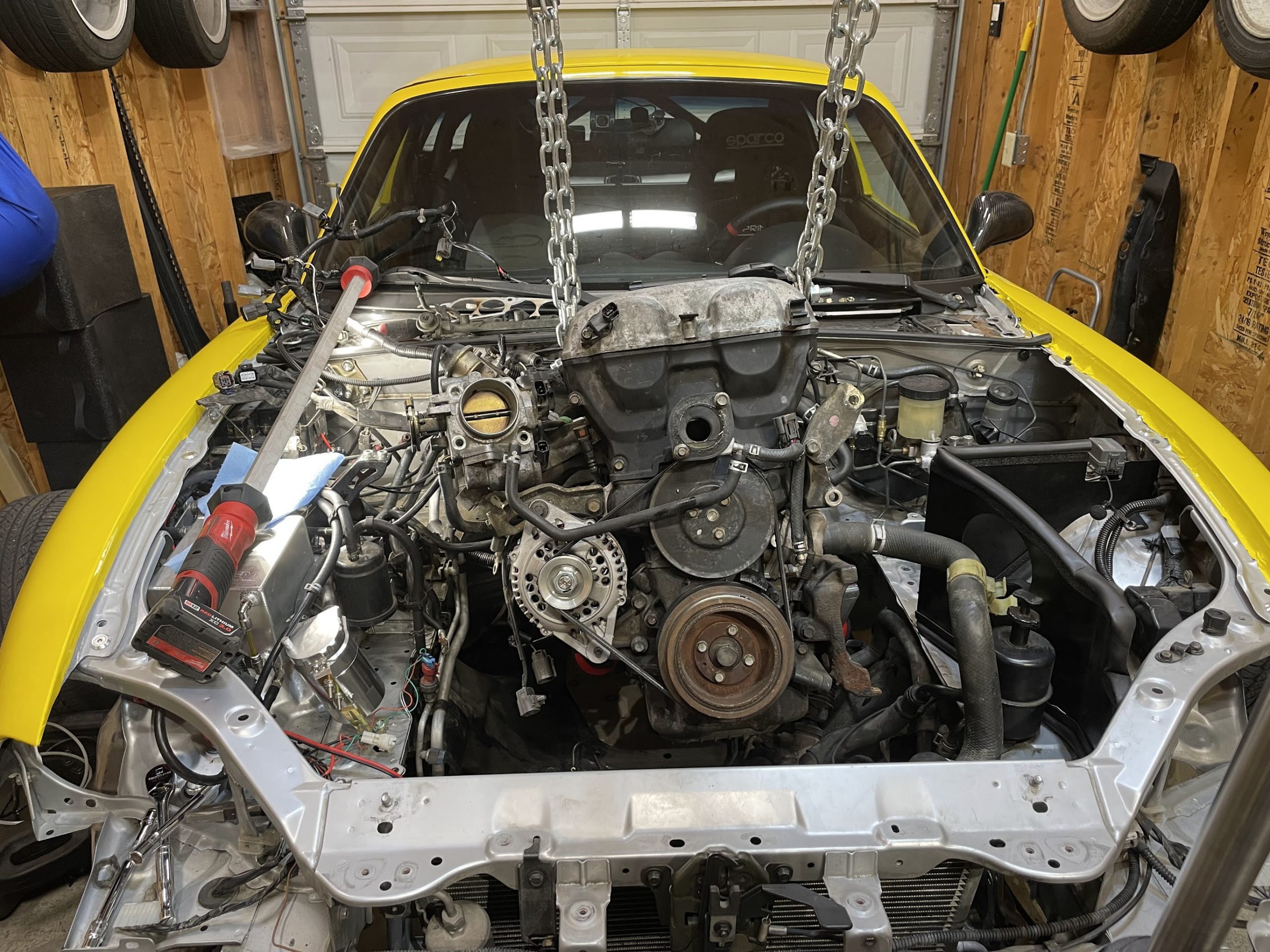
Professional mechanics often cite the "while-you-are-in-there" philosophy when dealing with vehicles of this era. By removing the engine and transmission as a single unit, a technician gains 360-degree access to the block, allowing for a level of cleanliness and torque accuracy that is difficult to achieve within the confines of the Miata’s compact engine bay.
Chronology of the Mechanical Overhaul
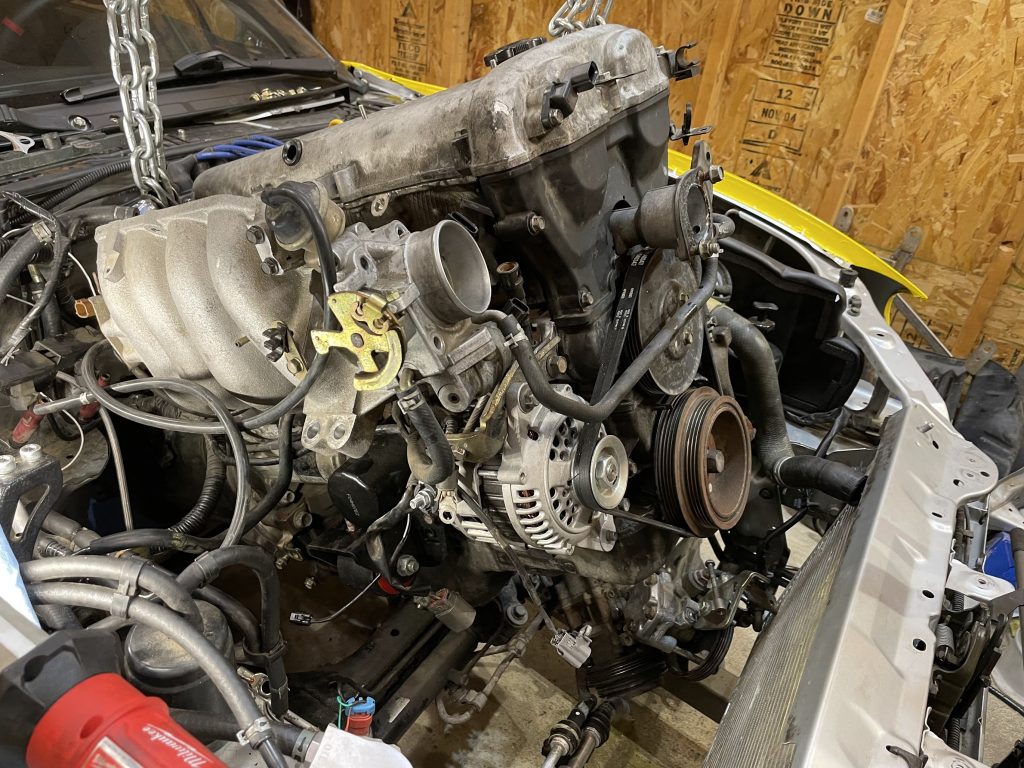
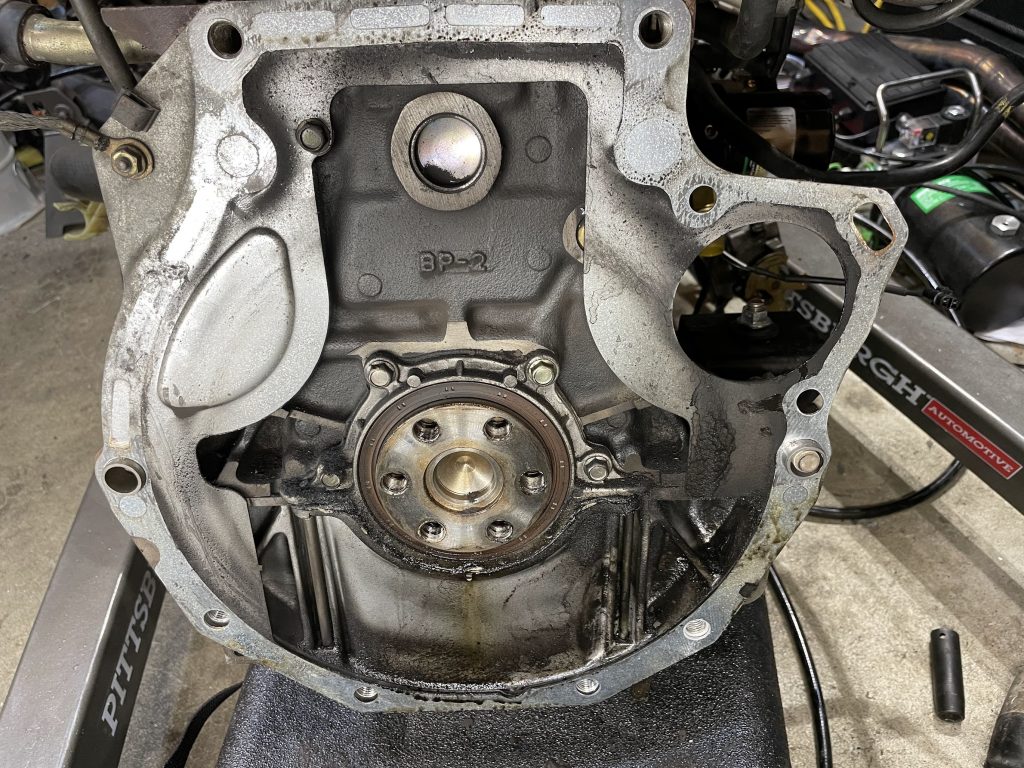
The project commenced with the systematic disconnection of the vehicle’s electrical harness, cooling hoses, and fuel lines. The engine and five-speed manual transmission were extracted from the top of the engine bay using a standard engine hoist. Once the assembly was secured on an engine stand, the focus shifted to the primary source of fluid loss: the rear main seal.
Addressing Systemic Oil Leaks
The BP engine is frequently compared to vintage British roadster power plants regarding its tendency to develop oil leaks over time. To combat this, the project involved a comprehensive resealing strategy. Key areas addressed included the oil pan, the front and rear crankshaft seals, and the transmission input and output shaft seals.
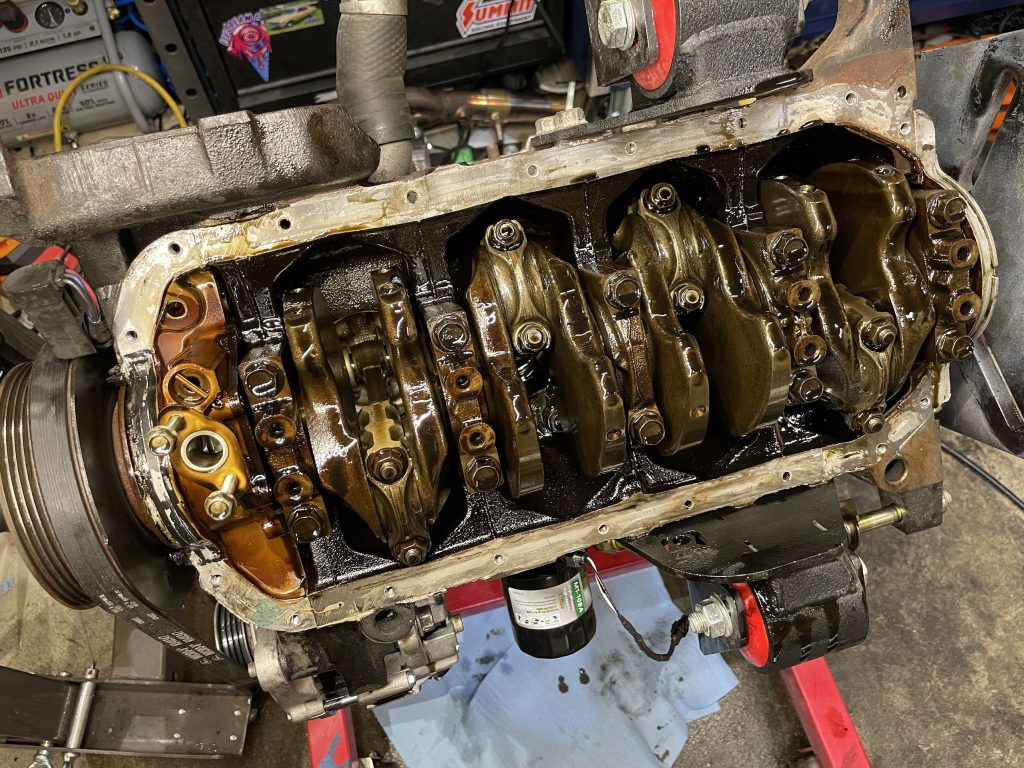
A critical component of this phase was the replacement of the oil pan. The original pan featured stripped drain plug threads—a common issue resulting from over-tightening during routine maintenance. The replacement process revealed the complexity of the Miata’s oiling system, which utilizes a baffle plate sandwiched between the engine block and the pan. Technicians noted that the application of Room Temperature Vulcanizing (RTV) silicone must be precise on both sides of this baffle to prevent future leaks. During the reassembly, a minor crack was discovered on the front oil pan flange, necessitating a temporary epoxy seal to maintain structural integrity until a permanent replacement could be sourced.
Drivetrain and Rotational Mass Upgrades
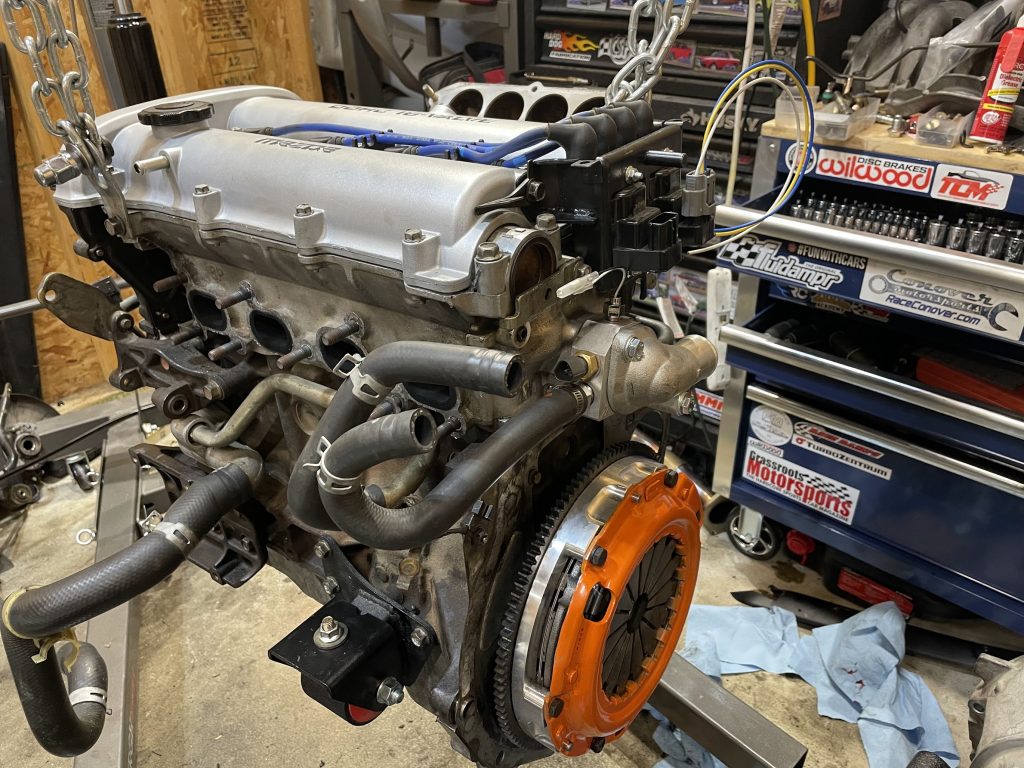
With the engine separated from the transmission, the project integrated a Supermiata Sport Clutch and a 9lb lightweight aluminum flywheel. The stock NB Miata flywheel typically weighs approximately 18 lbs; reducing this mass by 50% significantly decreases the rotational inertia of the drivetrain.
From a technical standpoint, a lighter flywheel allows the engine to accelerate and decelerate more rapidly, which is vital for rev-matching during downshifts on a circuit. The Supermiata Sport Clutch, utilizing an organic friction material, was selected for its ability to handle increased torque loads—exceeding the factory limits of the five-speed transmission—while maintaining the pedal modulation required for street drivability. Initial testing indicated a brief "break-in" period characterized by distinct odors as the friction surfaces mated, a standard phenomenon in high-performance clutch installations.
Thermal Management and the Coolant Reroute
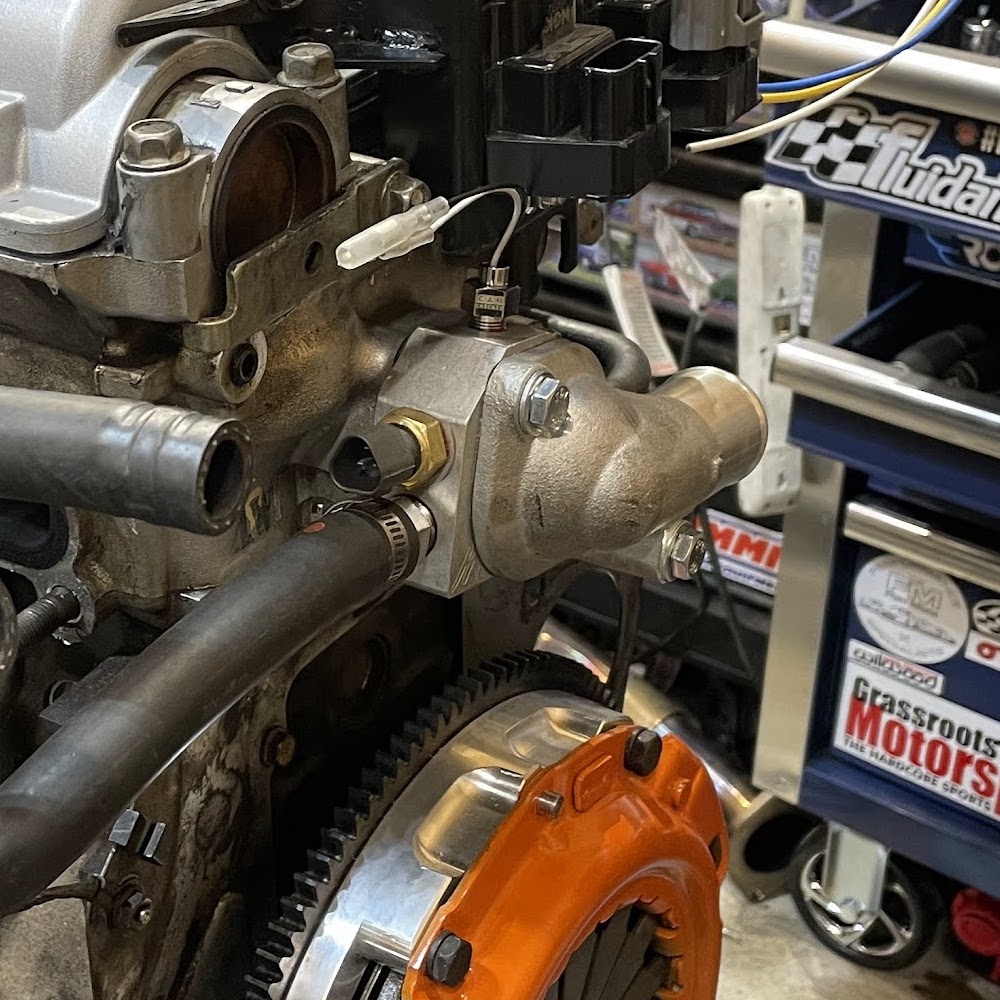
One of the most significant engineering corrections performed during the overhaul was the installation of a Hawley Performance coolant reroute kit. The BP engine was originally designed for transverse mounting (as seen in the Mazda 323), where the thermostat and water pump were located at opposite ends of the block to ensure uniform cooling across all four cylinders.
In the longitudinal configuration of the Miata, Mazda placed both the water inlet and outlet at the front of the engine to facilitate easier servicing. This design choice results in stagnant, hotter coolant at the rear of the engine, specifically around cylinder number four. Under track conditions, this thermal imbalance can lead to premature engine wear or head gasket failure. The reroute kit migrates the thermostat to the rear of the head, forcing coolant to flow through the entire length of the block before exiting to the radiator.
Data from the project indicated that while the reroute effectively lowered overall operating temperatures, it introduced complexities in "burping" the system. The use of an elevated, spill-proof funnel was required to evacuate air pockets trapped in the new, higher-point cooling passages at the rear of the cylinder head.
Air Induction and Manifold Optimization
The final major hardware change involved the installation of a European Domestic Market (EUDM) "flattop" intake manifold. North American NB Miatas from 1999–2000 utilized the Variable Inertia Charging System (VICS), which uses butterflies to change the effective plenum volume to optimize torque at different RPM ranges.
The flattop manifold, however, lacks these internal butterflies, offering a more streamlined path for high-velocity air. It is widely regarded in the Miata community as the superior OEM manifold for high-RPM performance, which is the primary operating range for track-oriented vehicles. Furthermore, the removal of the VICS system simplifies the vacuum routing and eliminates the need for the engine management system to trigger the solenoid at the 5,200 RPM crossover point. To complement the mechanical installation, the valve cover and manifold were refinished in an OEM-style aluminum coating to provide a durable, professional aesthetic.
Post-Installation Analysis and Residual Challenges
Following the reinstallation of the engine and a 500-mile testing phase, the vehicle exhibited improved throttle response and more stable thermal readings. However, the project also highlighted the persistent challenges of vintage vehicle maintenance. Despite the use of specialized tools—such as the Flyin’ Miata rear main seal installer—and new gaskets, a minor oil leak reappeared at the rear of the engine.
This development underscores a common reality in automotive restoration: the potential for "infant mortality" in new seals or the discovery of secondary leak paths that only become apparent once the primary leaks are resolved. Potential sources include the oil gallery plugs or a microscopic imperfection in the crankshaft surface where the seal seats.
Broader Implications and Future Outlook
The decision to source a secondary, high-quality "BP4W" engine from specialized UK-based importers like Prestige Spares highlights the global nature of the Miata enthusiast market. By acquiring a spare engine, the owner can facilitate a "rolling restoration," allowing for a meticulous rebuild of one unit while the vehicle remains operational with the other.
This project serves as a case study for the lifecycle of the NB Miata. As these vehicles surpass the 20-year mark, the transition from simple maintenance to comprehensive overhauls becomes necessary to maintain performance standards. The integration of modern cooling solutions and lightweight drivetrain components effectively "future-proofs" the platform against the rigors of modern track use.
The upcoming phases of this project are expected to focus on cabin safety improvements and a long-term reliability assessment of the epoxy-sealed oil pan. For the broader automotive community, this endeavor reinforces the value of a centralized approach to engine maintenance, proving that while pulling an engine is labor-intensive, it remains the most effective method for achieving a comprehensive mechanical baseline.