Retno Hari Mulyono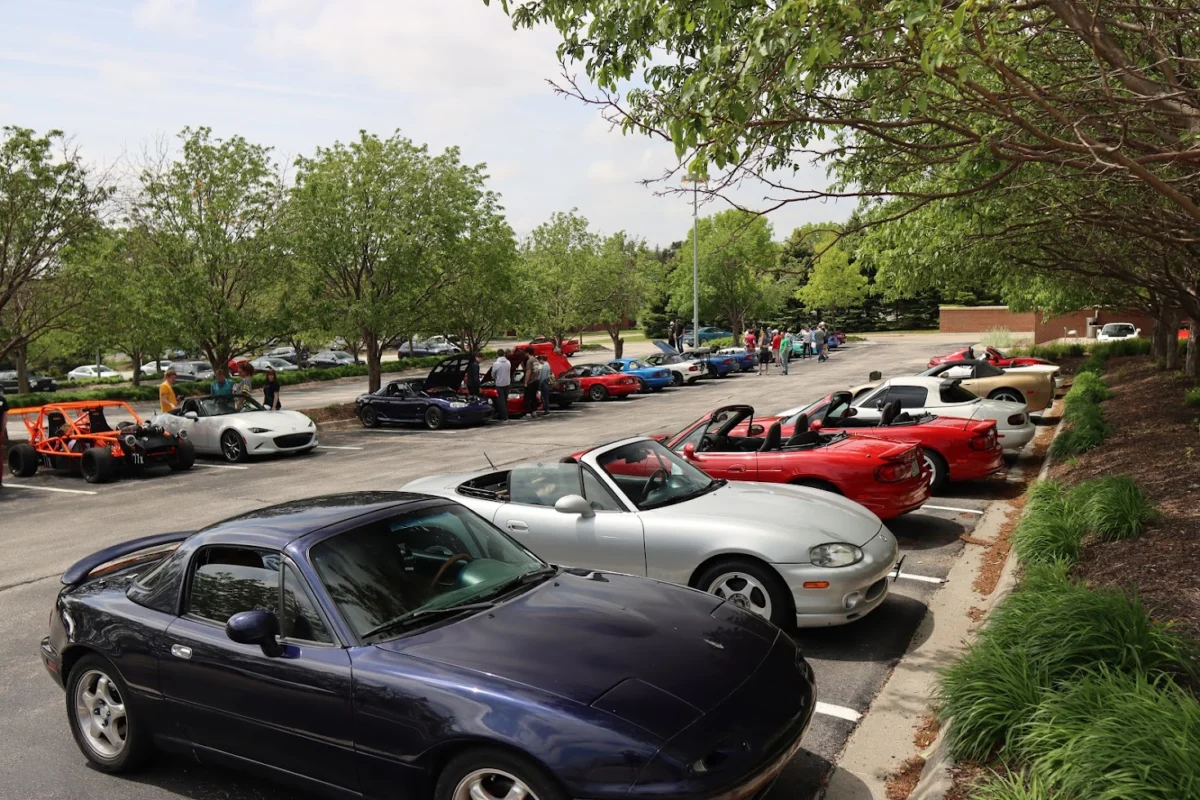
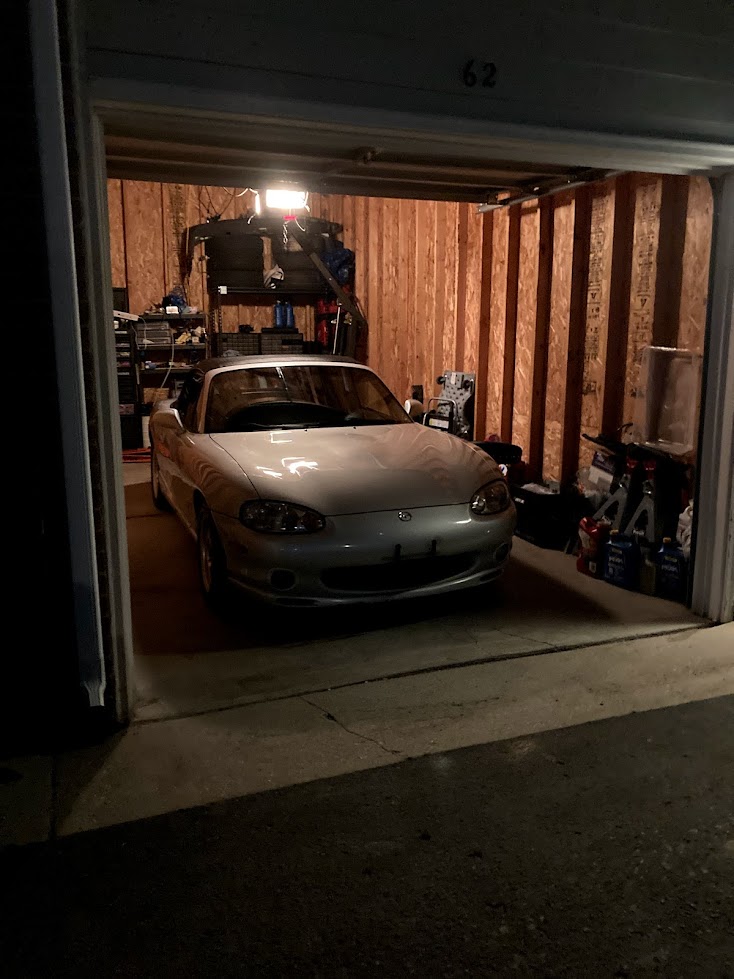
The acquisition of a 2000 Mazda MX-5 Miata in March 2021 initiated a comprehensive twelve-month automotive project dedicated to mechanical restoration, performance enhancement, and competitive motorsport participation. Over the course of one year, the vehicle, a second-generation (NB) model of the world’s best-selling roadster, underwent a systematic transformation from a standard used car with unknown maintenance history into a track-ready performance machine. This project serves as a case study in the viability of the NB platform for grassroots motorsports and the technical requirements of maintaining a twenty-year-old sports car in a modern driving environment.
The Foundation of the NB Platform
The second-generation Mazda Miata, produced between 1998 and 2005, is frequently cited by automotive engineers and enthusiasts as a "sweet spot" in the evolution of the lightweight sports car. Retaining the 92.7-inch wheelbase of its predecessor, the NA Miata, the NB iteration introduced a stiffer chassis, a more powerful 1.8-liter BP4W engine, and improved suspension geometry. For the project at hand, the 2000 model year provided a raw, analog driving experience devoid of modern electronic driver aids like stability control, yet it featured the structural refinements necessary for high-lateral-G maneuvers on a racing circuit.
At a curb weight of approximately 2,300 pounds, the vehicle offers a power-to-weight ratio that prioritizes momentum and handling over raw acceleration. The initial assessment in March 2021 confirmed the car’s inherent balance, prompting a strategic plan to address decades of deferred maintenance before pursuing performance modifications.
Phase I: Mechanical Stabilization and Baseline Maintenance
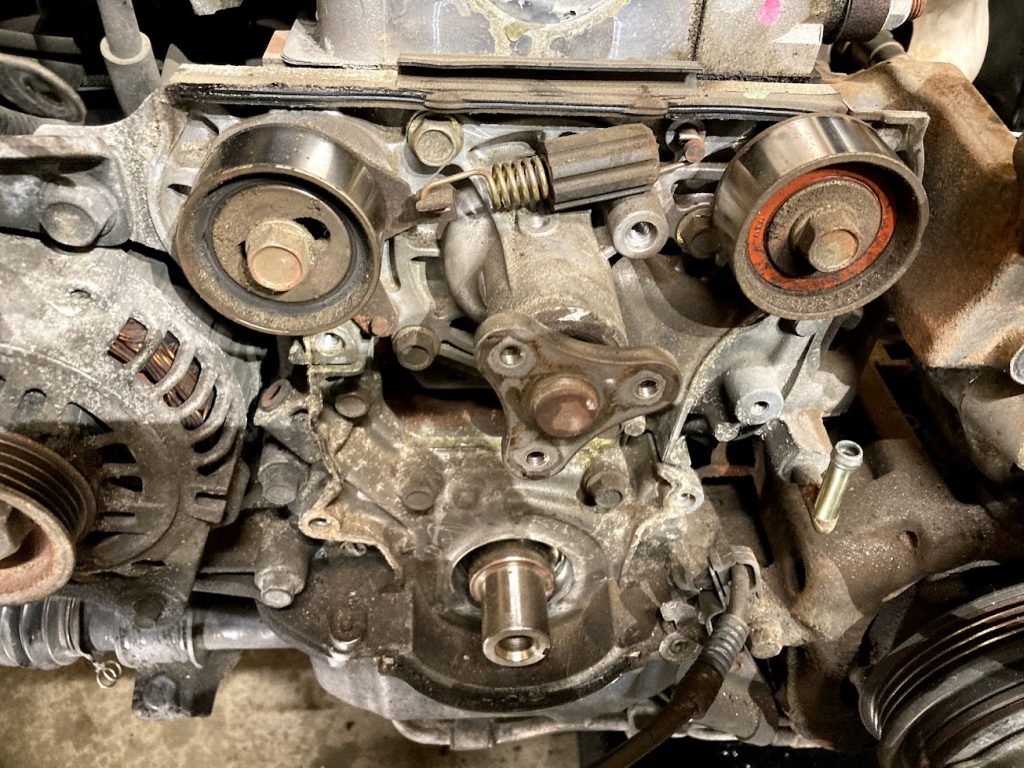
In April 2021, the project transitioned into a "baseline" phase. Automotive professionals generally advise that any vehicle intended for high-performance use must first reach a "known good" state of reliability. Because the vehicle lacked a documented service history, the primary focus was the timing system and fluid integrity.
The Mazda BP4W engine is a non-interference design, meaning that a timing belt failure will not result in the pistons striking the valves. However, to prevent mechanical stranding during competitive events, a full timing belt and water pump service was performed. This preventative maintenance is critical for the NB platform, as the 1.8-liter engine operates at high RPMs during track use, placing significant stress on the cooling and belt systems. By the end of April, the vehicle had been returned to factory-specification reliability, providing a stable foundation for the modifications that would follow.
Phase II: Community Integration and Exhaust Engineering
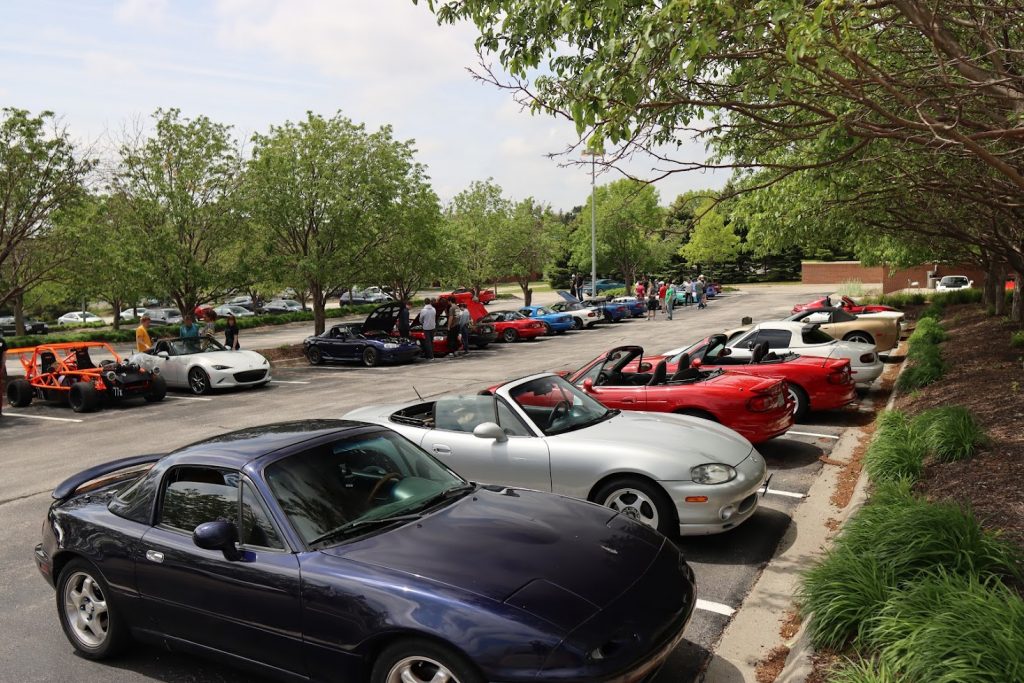
By May 2021, the project began to engage with the broader enthusiast community. The Miata subculture is one of the largest in the automotive world, with various generations of the vehicle—from the original pop-up headlight NA to the modern ND—represented at regional gatherings. Observations of local builds, ranging from turbocharged street cars to V8-swapped "Exocet" kit cars, provided technical insights into the scalability of the platform.
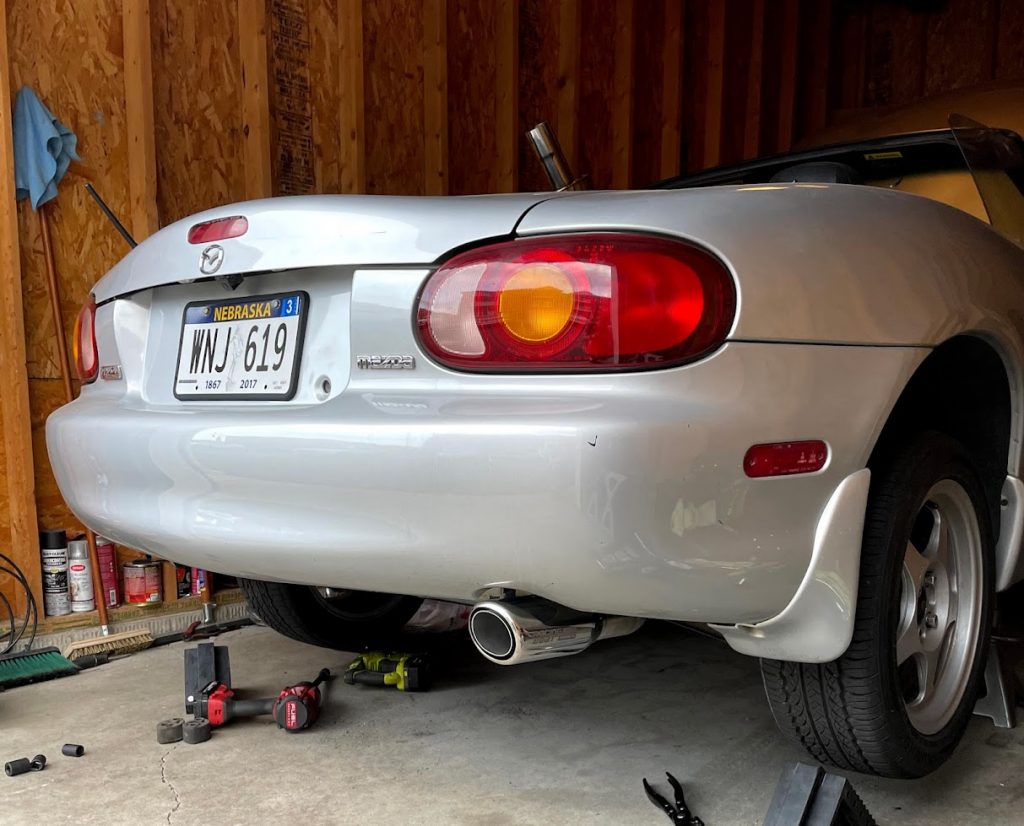
In June, the focus shifted to the vehicle’s breathing and acoustics. The stock exhaust system, hindered by twenty years of corrosion and restrictive catalytic converters, was replaced with a tiered aftermarket setup. The configuration included a Raceland header, a Cobalt mid-pipe, and a Racing Beat Power Pulse muffler. This combination was selected to achieve a balance between increased exhaust flow—essential for reducing backpressure—and a manageable decibel level suitable for both street driving and track environments. However, the installation highlighted the complexities of older vehicle maintenance, as the failure to reconnect the Exhaust Gas Recircirculation (EGR) pipe initially triggered engine fault codes, necessitating further calibration.
Phase III: Aesthetic Transformation and Aerodynamic Preparation
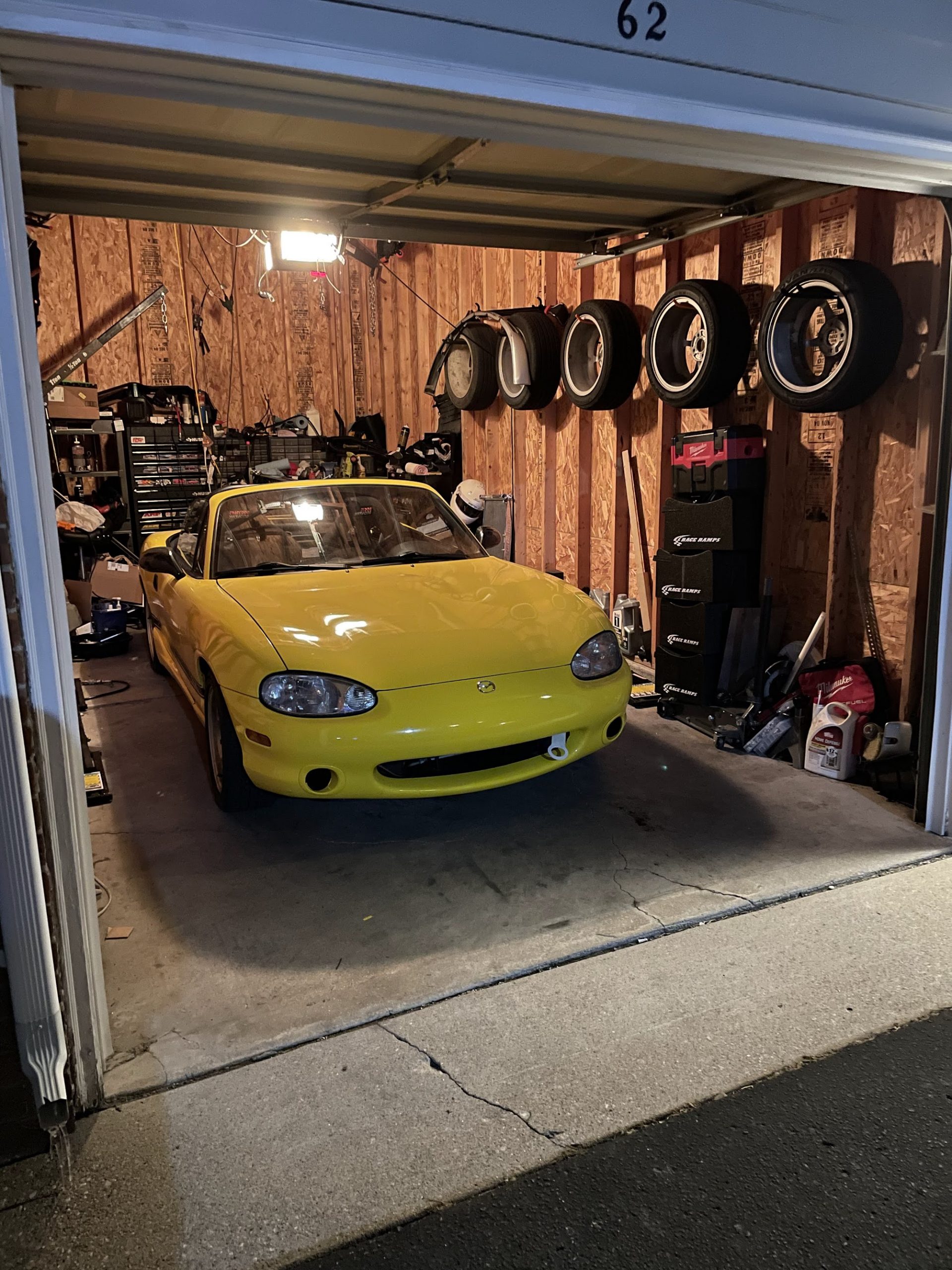
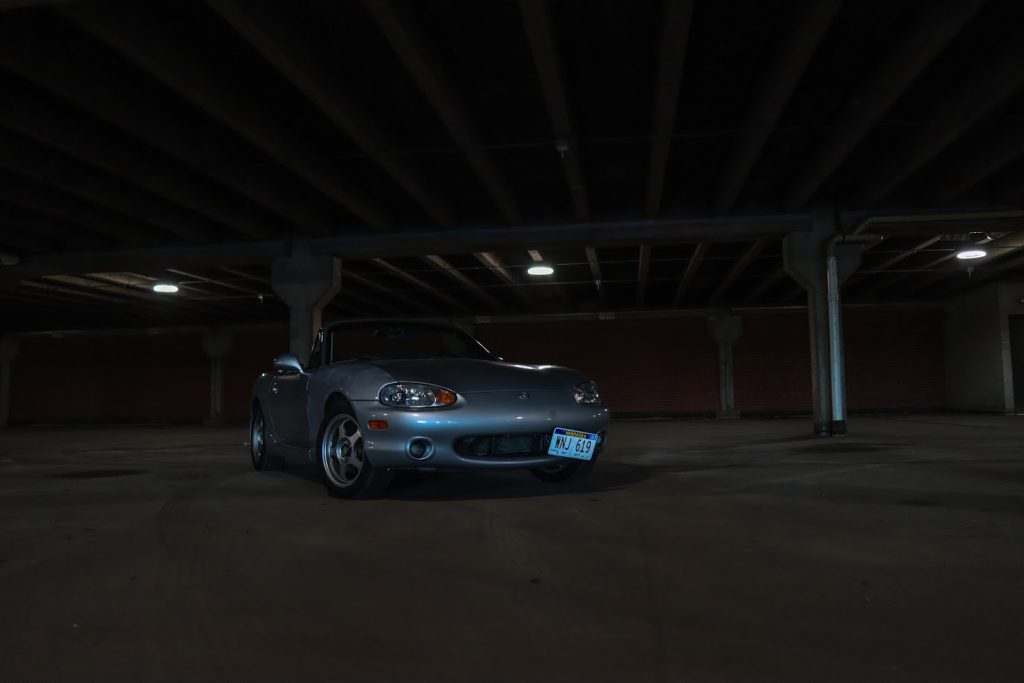
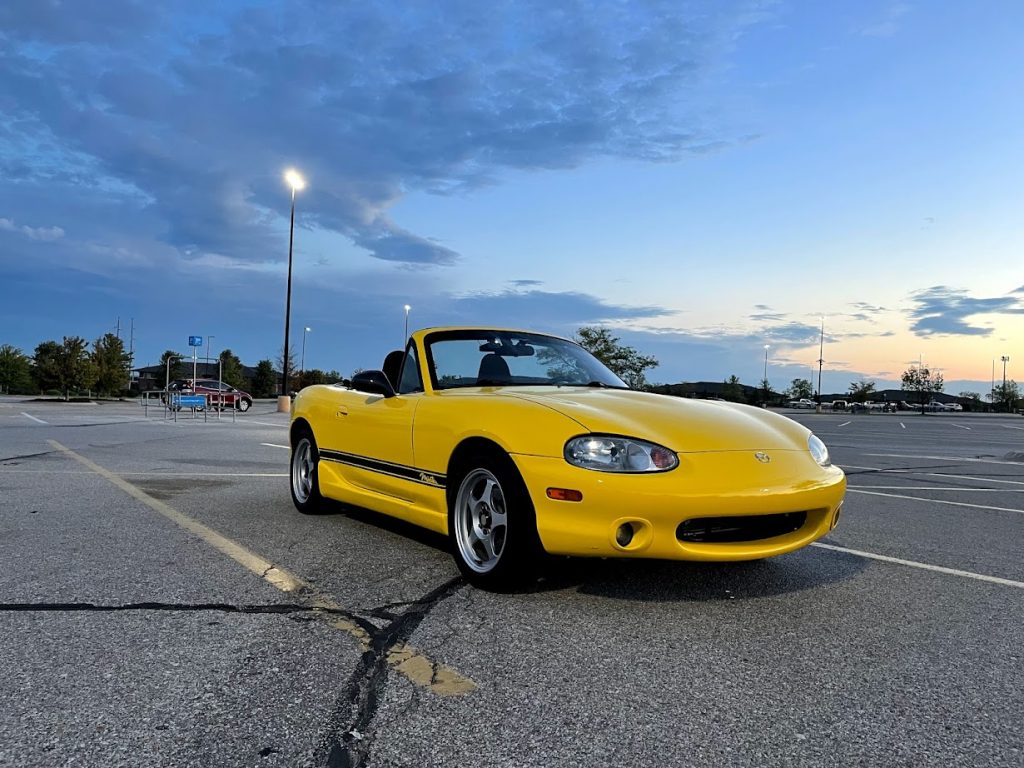
In July and August 2021, the vehicle underwent a significant visual overhaul. While the original silver paint was functional, the owner opted for a full vinyl wrap in yellow. This process required the replacement of a damaged front fender, which was smoothed and color-matched via a temporary paint application to ensure a seamless wrap surface.
Beyond aesthetics, the "Yellow Miata" phase coincided with the installation of a factory hardtop. On the NB platform, the hardtop is more than a cosmetic accessory; it increases chassis rigidity and improves the vehicle’s aerodynamic profile at high speeds. For many track organizations, a hardtop is a preferred safety and performance component, providing a more stable environment for the driver than the standard cloth soft top.
Phase IV: Competitive Entry and Performance Testing
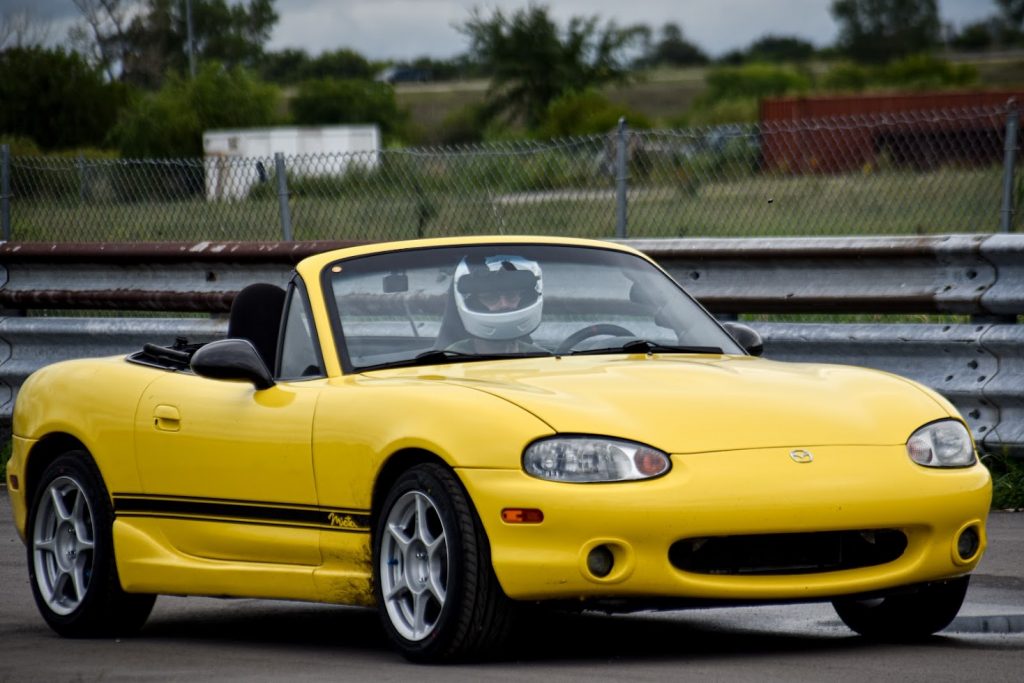
The project reached a major milestone in September 2021 with its first official track day at Raceway Park of the Midlands. Track days serve as a rigorous laboratory for testing a vehicle’s mechanical limits. The NB Miata’s performance on the circuit confirmed the efficacy of the earlier maintenance and exhaust upgrades. The focus shifted from "working on the car" to "learning the car," as high-speed cornering and threshold braking revealed the nuances of the 50/50 weight distribution.
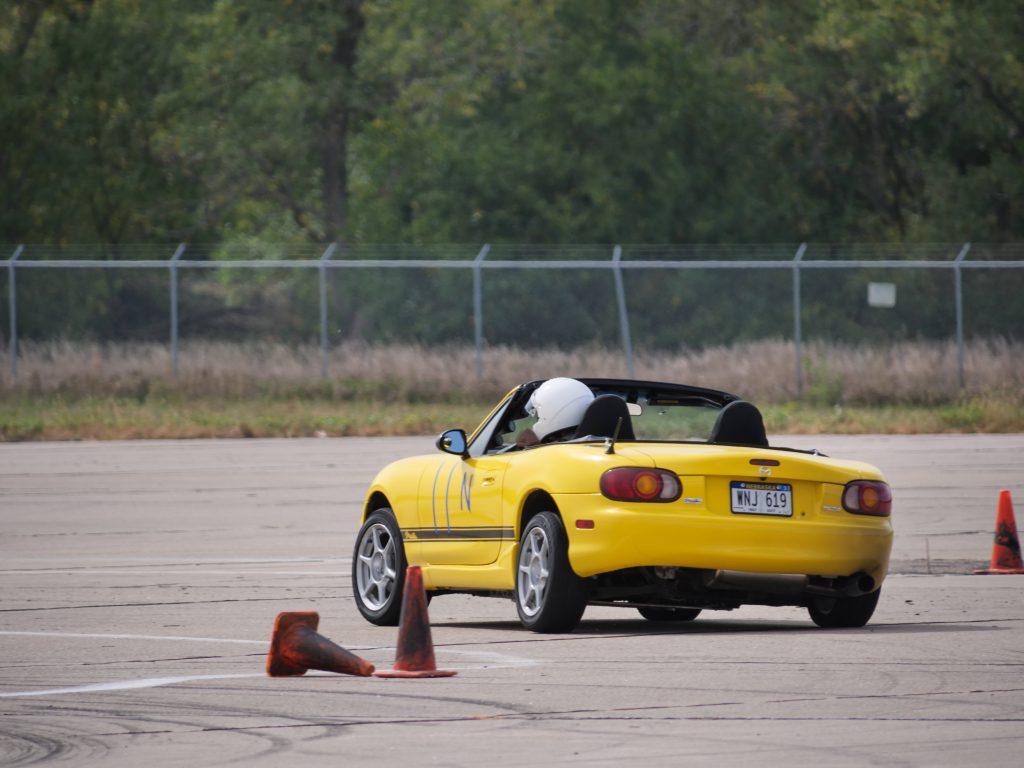
Following the track debut, the vehicle was entered into Autocross events in October. Autocross, typically sanctioned by organizations like the Sports Car Club of America (SCCA), emphasizes low-speed agility and precision steering through a course defined by pylons. These events are significantly more cost-effective than full track days and allow for the testing of suspension transients in a controlled environment. The data gathered during these two months of competition informed the next phase of the build: the suspension and safety overhaul.
Phase V: Structural Integrity and Winter Engineering
As the project entered the winter months of November and December 2021, the focus turned to long-term preservation and handling precision. In regions like Nebraska, where road salt is used extensively during winter, the NB Miata is particularly vulnerable to chassis corrosion. Consequently, the vehicle was withdrawn from daily use to prevent "Miata rust," a common affliction in the front frame rails and rear rocker panels of this generation.
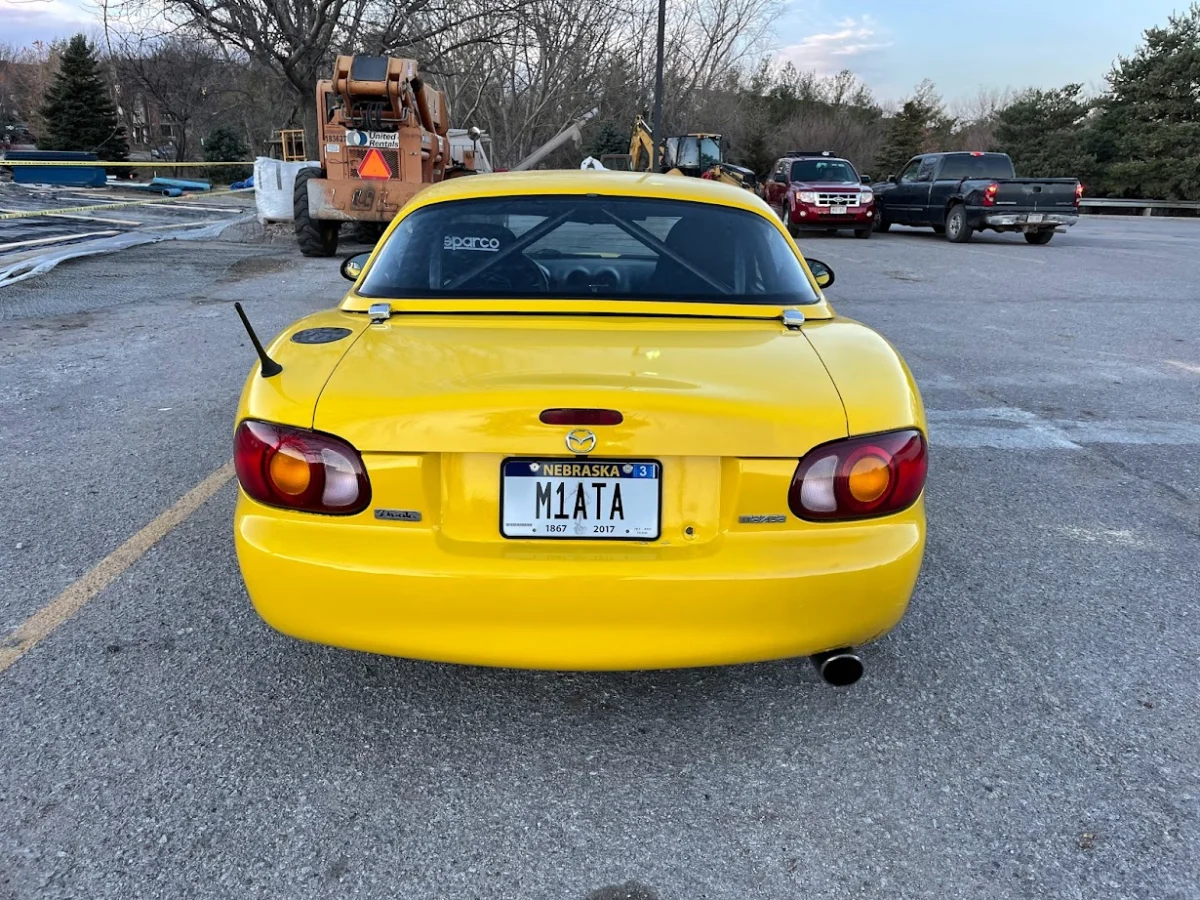
During this period of dormancy, the suspension system was entirely dismantled. Worn factory components were replaced with performance-oriented upgrades designed to lower the center of gravity and reduce body roll. To finalize this phase, the vehicle received "M1ATA" vanity plates, symbolizing its transition from a standard commuter to a dedicated project car.
Phase VI: Major Powertrain Service and Safety Systems
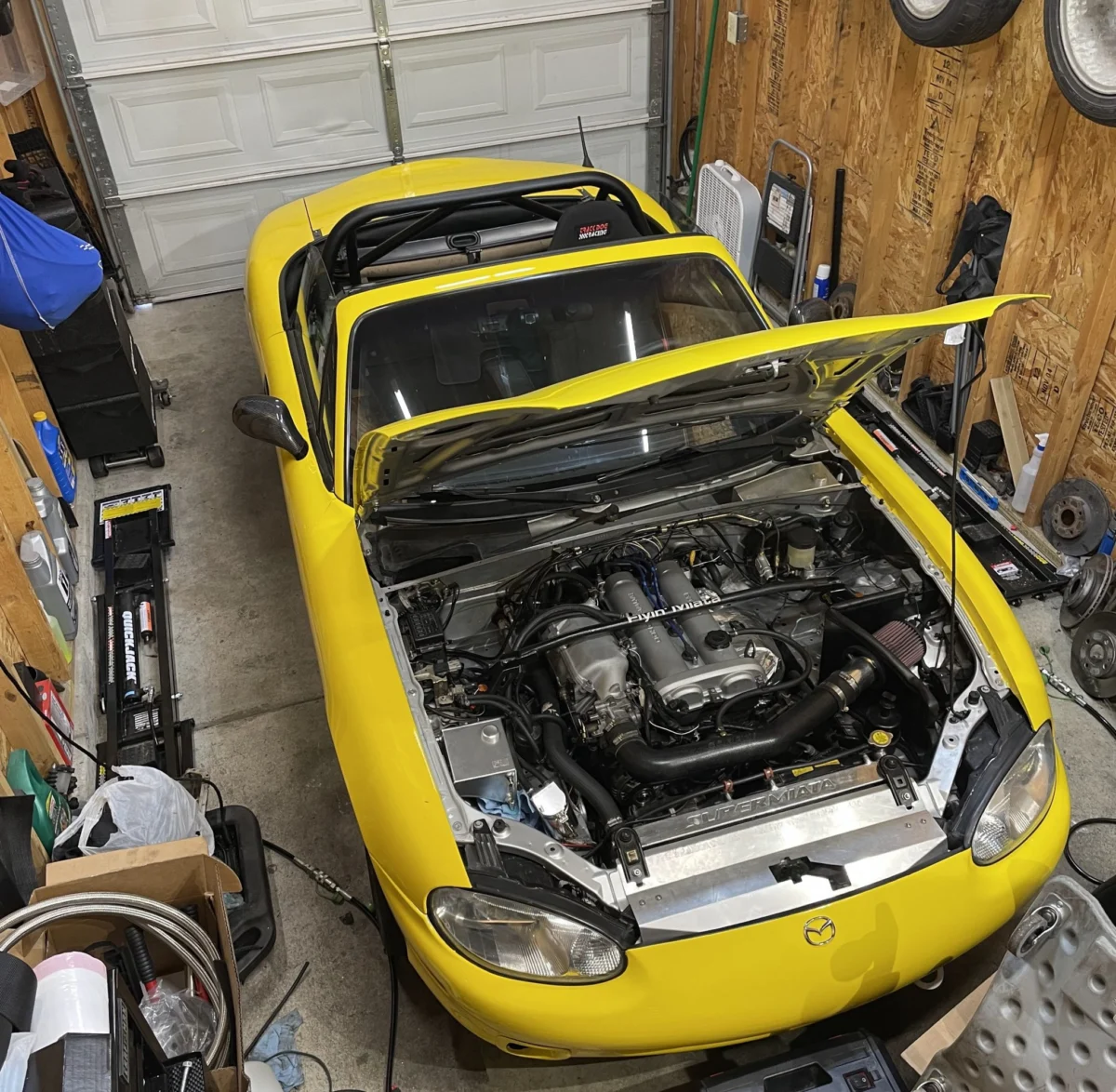
The final quarter of the first year (January and February 2022) involved the most intensive mechanical work of the project. To address a leaking rear main seal and a stripped oil drain plug, the engine was removed from the chassis. This "engine-out" approach allowed for the installation of a "coolant reroute" kit. In the stock configuration, the Miata’s coolant enters and exits the front of the block, often leaving the fourth cylinder at the rear of the engine prone to overheating. The reroute kit corrects this design flaw by forcing coolant to travel through the entire length of the head, a critical modification for sustained high-RPM track use.
Concurrent with the engine work, the vehicle’s interior was outfitted with professional-grade safety equipment. This included:
- Track Dog Racing UltraShield Rally Sport seats: These provide the lateral support necessary to keep the driver fixed during high-G cornering.
- 6-Point Harnesses and HANS Device: In the event of an impact, these systems work in tandem to prevent neck injuries and keep the occupant secured.
- Fire Extinguisher: A mandatory requirement for many advanced racing tiers.
- DIY Alignment: Using precision measuring tools, the owner performed a custom alignment to optimize the tire contact patch for aggressive driving.
The project also addressed the "Broomstick Test," a safety standard used by track inspectors to ensure that a driver’s helmeted head sits below an imaginary line drawn from the roll bar to the top of the windshield. Achieving this clearance in the small NB cabin required precise seat mounting and floorboard considerations.
Analysis of Implications and Future Outlook
The first year of this NB Miata project demonstrates the enduring appeal and technical viability of the Mazda MX-5 platform. From a financial and mechanical perspective, the Miata remains one of the most accessible entries into the world of motorsports. The availability of aftermarket parts and a robust community knowledge base allows owners to perform complex "engine-out" services and custom alignments that would be cost-prohibitive on more exotic platforms.
The transition from a "silver commuter" to a "yellow track car" highlights a broader trend in the automotive industry: the preservation of analog driving experiences. As modern vehicles become increasingly insulated and computer-dependent, the demand for cars like the NB Miata—which provide direct mechanical feedback—continues to rise.
As the project enters its second year, the foundation is set for more advanced performance tuning, including potential forced induction or further weight reduction. The data collected over the first twelve months suggests that with methodical maintenance and strategic upgrades, a twenty-year-old roadster can still compete effectively on modern circuits, proving that the Miata’s "Zoom-Zoom" philosophy remains relevant in the 21st century.