Johny Imanuel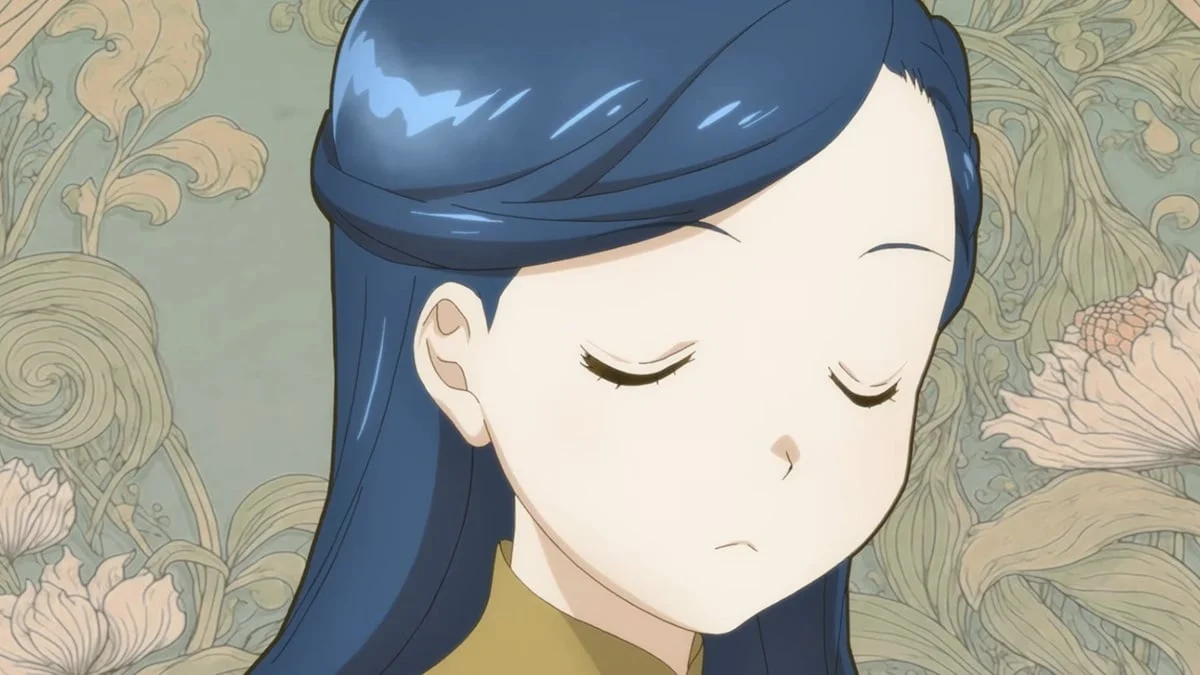
In a decisive response to mounting public scrutiny and internal review, the renowned Japanese animation production house Wit Studio has officially confirmed its intention to remove and replace several sequences within the opening animation of Ascendance of a Bookworm Season 4. The studio admitted to the utilization of generative artificial intelligence (AI) in the creation of these specific scenes, a move that sparked immediate controversy within the global anime community upon the season’s premiere. The studio has committed to replacing the controversial segments with traditional, hand-drawn animation, which is scheduled to debut with the broadcast of the second episode on April 11, 2026.
The incident marks a significant moment in the ongoing dialogue regarding the ethical and practical integration of AI within the creative industries. Wit Studio, widely respected for its high-fidelity visual storytelling and traditional craft, issued a formal apology to the series’ fanbase and the original author, Miya Kazuki. The studio characterized the inclusion of AI-generated assets as a failure in its internal quality control protocols, rather than a deliberate shift in its production philosophy.
Discovery and Immediate Repercussions
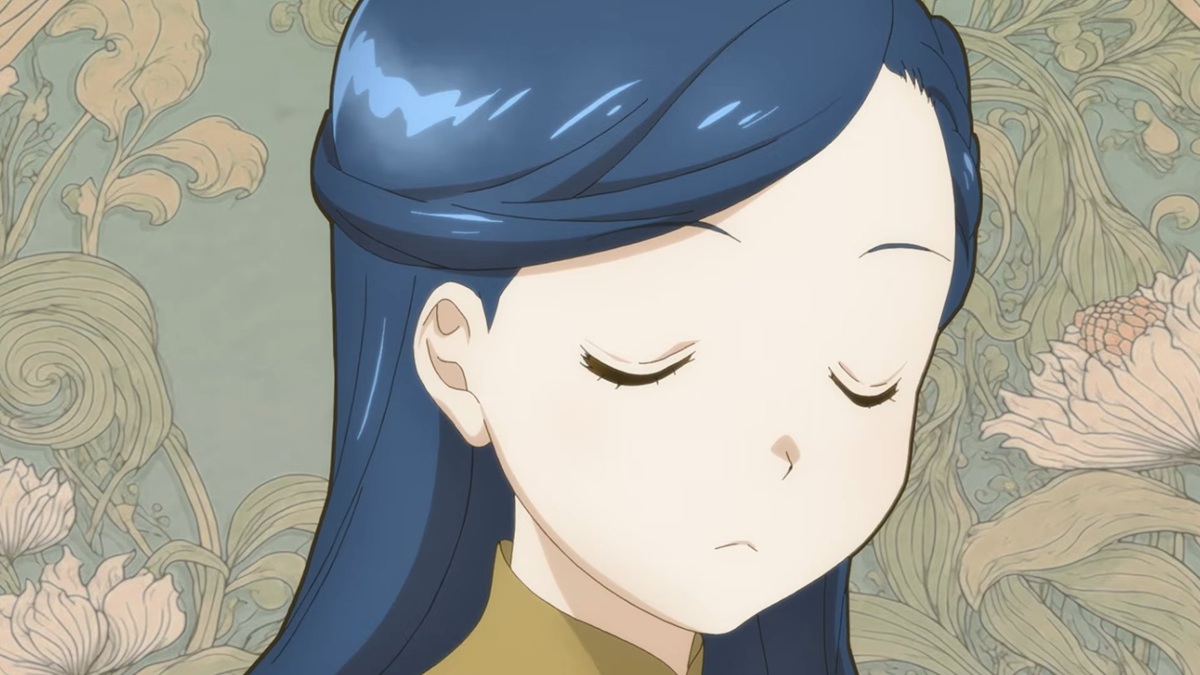
The controversy began on April 4, 2026, coinciding with the highly anticipated premiere of the first episode of Ascendance of a Bookworm Season 4. Shortly after the episode aired on Japanese television and international streaming platforms like Crunchyroll, eagle-eyed viewers began noticing visual inconsistencies in the opening credits sequence. A Twitter user under the handle "ukloim" was among the first to provide side-by-side documentation and screenshots highlighting the tell-tale signs of generative AI, such as unnatural blending of textures, structural inconsistencies in background elements, and "hallucinated" details that lacked the intentionality of human artistry.
The social media post quickly gained traction, garnering thousands of shares and sparking a heated debate regarding the sanctity of the animation process. Critics argued that the use of generative AI undermined the labor of skilled animators and contradicted the "prestige" brand that Wit Studio has cultivated over the past decade. Within 48 hours, the official opening video was removed from Wit Studio’s YouTube channel and various social media platforms as the company moved to address the backlash.
Official Statement and Quality Control Failure
Following the removal of the digital assets, Wit Studio released a comprehensive statement on its official website. The studio clarified that while it remains invested in exploring technological advancements that could assist in the animation pipeline, its current policy does not permit the use of generative AI for final production work in its standard commercial series.
The statement emphasized that the company views the situation as a "breakdown in the quality control process." In the complex landscape of modern anime production, studios often rely on a network of subcontractors and specialized vendors for specific components of a show, such as background art or secondary animation. While Wit Studio did not explicitly name a specific subcontractor, industry analysts suggest that the AI-generated content may have been introduced during an outsourced phase of the opening’s production, bypassing the usual rigorous vetting procedures.
Wit Studio’s leadership expressed deep regret for the oversight, stating: "We sincerely apologize to the fans who have supported Ascendance of a Bookworm, as well as to the original creator and all stakeholders. We are taking this matter seriously and are revising our internal management systems to ensure that such an incident does not recur."
Chronology of the Controversy
To understand the impact of this event, it is necessary to examine the timeline of the production and the subsequent fallout:
- December 2023: Initial announcement of Ascendance of a Bookworm Season 4, with Wit Studio taking over production duties, a move that was met with significant excitement due to the studio’s reputation.
- April 4, 2026: Episode 1 premieres. Viewers identify AI-generated artifacts in the opening sequence within hours of the broadcast.
- April 5–6, 2026: Viral social media threads document the offending scenes, leading to a broader discussion on the ethics of AI in the Japanese animation industry.
- April 7, 2026: Wit Studio removes the opening animation from all official online channels.
- April 8, 2026: Wit Studio issues its formal apology and confirms the removal of AI scenes in favor of hand-drawn replacements.
- April 11, 2026: The scheduled air date for Episode 2, which will feature the revised, AI-free opening sequence.
Historical Context: Wit Studio and Experimental Technology
This is not the first time Wit Studio has been associated with AI. In 2023, the studio collaborated with Netflix and Rinna Co., Ltd. on an experimental short film titled The Dog & The Boy. That project was specifically designed to test the viability of using AI-generated backgrounds to alleviate the chronic labor shortages facing the anime industry.
However, The Dog & The Boy was marketed as an "experimental" work, and its credits explicitly acknowledged the use of AI. The controversy surrounding Ascendance of a Bookworm stems from the fact that the AI usage was not disclosed, was not part of an experimental framework, and appeared in a high-profile, narratively driven series where fans expect a specific standard of human-led craftsmanship. Wit Studio’s statement reaffirmed that The Dog & The Boy remains a contained experiment and does not represent a broader adoption of generative AI in their commercial television productions.
The Significance of Ascendance of a Bookworm
The stakes for this specific production are particularly high given the nature of the source material. Ascendance of a Bookworm, based on the light novels by Miya Kazuki, is a celebrated "isekai" story that centers on a protagonist, Myne, who is obsessed with the preservation of books and the craft of traditional printing. The series celebrates the painstaking effort of human creation, literacy, and the evolution of technology from a historical perspective.
Fans have pointed out the irony of using generative AI—often viewed as a "shortcut" that bypasses the manual labor of creation—in a series that fundamentally honors the struggle and reward of manual craftsmanship. The light novel and manga versions, handled by J-Novel Club in English-speaking territories, have a dedicated following that values the intricate world-building and character development, making any perceived "corner-cutting" in the animation particularly sensitive to the core audience.
Broader Implications for the Anime Industry
The Wit Studio incident serves as a bellwether for the Japanese animation industry as it grapples with the rapid advancement of AIGC (AI-Generated Content). The industry is currently facing a dual crisis: a severe shortage of animators and an ever-increasing demand for high-quality content. While some see AI as a necessary tool to prevent animator burnout and manage workloads, others view it as an existential threat to the medium’s artistic integrity and the livelihoods of artists.
Other major players in the industry have taken varying stances. While companies like Netflix have explored AI for backgrounds, legendary figures such as Hayao Miyazaki of Studio Ghibli have historically expressed strong disdain for AI-generated animation, famously calling it "an insult to life itself" during a 2016 demonstration. Wit Studio’s swift reversal and apology suggest that, for the time being, the "prestige" segment of the anime market remains wary of generative AI due to the potential for brand damage and fan alienation.
Impact on Future Projects
Wit Studio is currently managing a heavy production slate, including the high-stakes remake of the One Piece anime for Netflix. The Ascendance of a Bookworm controversy has led to increased scrutiny of the studio’s upcoming work. Industry observers will be watching closely to see if the studio implements more transparent "human-made" certifications or more rigorous third-party auditing for its outsourced components.
The decision to replace the AI scenes with hand-drawn art is a costly one, involving unplanned labor and expedited schedules for the animation staff. However, the move is widely seen as a necessary investment to protect the studio’s long-term reputation. By choosing to prioritize the "hand-drawn" identity, Wit Studio is signaling to both fans and creators that it remains committed to the traditional artistry that defined its early successes, such as the first three seasons of Attack on Titan and the hit series Spy x Family.
Conclusion and Outlook
As the second episode of Ascendance of a Bookworm Season 4 prepares to air on April 11, the focus shifts back to the story of Myne and her quest for knowledge. The removal of the AI scenes serves as a significant precedent in the digital age: a reminder that even in an era of automation, the value of human touch remains a cornerstone of the anime medium’s global appeal.
For Wit Studio, the incident is a lesson in the complexities of modern production management. For the wider industry, it is a clear indication that while AI may have a place in experimental labs, its integration into mainstream, beloved franchises will be met with rigorous demand for transparency and artistic accountability. The updated opening will likely be scrutinized frame-by-frame by the same community that discovered the AI assets, marking a new chapter in the relationship between animation studios and their digitally literate audience.