Cecilia Chamidah Nur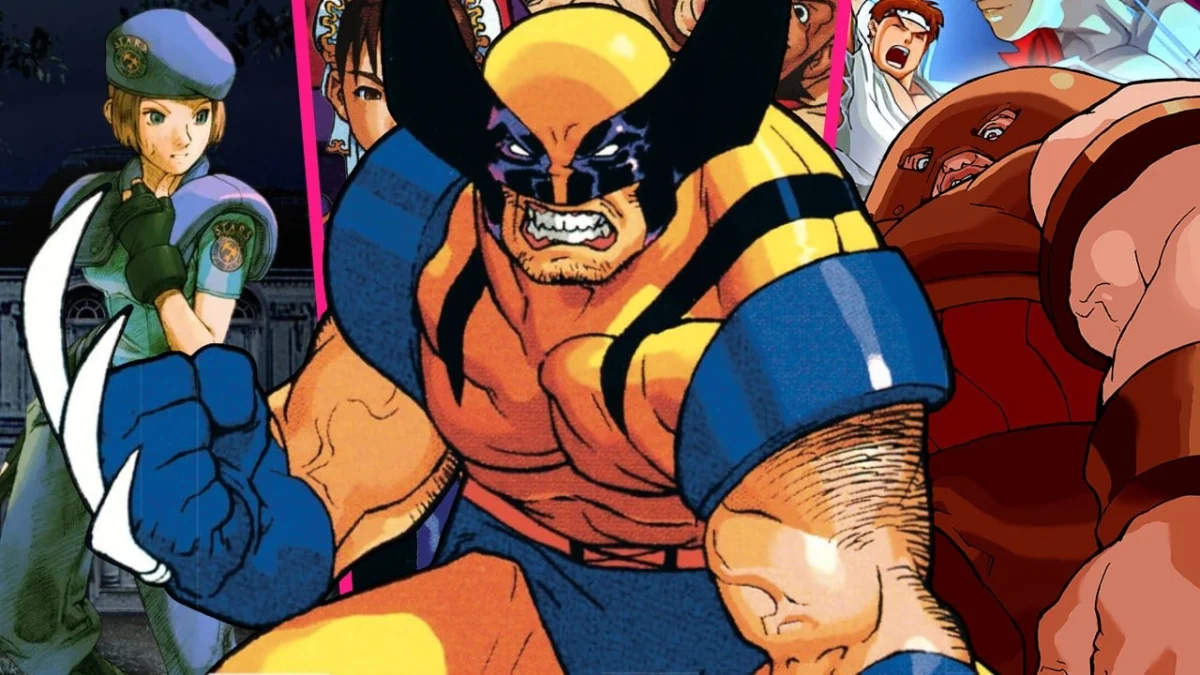
Takuya "Tom" Shiraiwa, a name that quietly permeated the credits of dozens of Capcom’s most iconic titles throughout the 1990s and early 2000s, has emerged from the shadows to shed light on the formative years of video game localization. His career, spanning from a one-person translation effort to a crucial intermediary between Japanese developers and their overseas counterparts, offers a unique historical perspective on the global expansion of a gaming giant. While his contributions were often relegated to "special thanks" sections, Shiraiwa’s work laid essential groundwork for Capcom’s international success, navigating linguistic barriers, technical constraints, and the complex demands of licensed intellectual properties.
The Unsung Pioneer of Capcom’s Global Reach
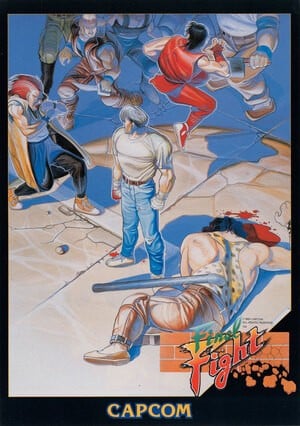
Shiraiwa’s journey at Capcom began in Osaka when he was 25, fresh out of university, initially within the sales department, focusing on exporting arcade boards overseas. This period, roughly 1990 – a pivotal time for Capcom situated just after the success of Final Fight and prior to the groundbreaking release of Street Fighter II – saw a company described by Shiraiwa as "amateurish in a good way," prioritizing game quality over immediate profit. It was within this environment that Shiraiwa’s unique skill set, combining an avid gamer’s sensibility with nascent English proficiency, quickly became invaluable.
At the time, the concept of "localization" as a specialized discipline was virtually non-existent within the Japanese gaming industry. Developers seeking to bring their titles to international audiences simply requested "text translation." Shiraiwa recalled, "There wasn’t a localization department; it was just me. So, one guy." His English skills, initially honed through necessity during meetings with foreign visitors and collaborators from Capcom USA, were further refined during a two-year stint as a liaison in Sunnyvale, California. This early, ad-hoc approach to translation underscored the nascent stage of global game distribution, where individual initiative often filled critical gaps in corporate infrastructure.
Navigating Textual Labyrinths: The Early Challenges of Translation
The process of translating games in the early 1990s was starkly different from today’s sophisticated workflows. Shiraiwa described a manual, laborious system: "They just gave me the text on paper at first; I’d type up the English translation, and I’d then give it back to them as a Word file." More challenging, however, were the severe technical limitations of the era. Developers imposed strict character limits and specified available screen space, demanding that translations fit precisely within these narrow confines.
"Exactly, it was a nightmare," Shiraiwa recounted, highlighting the inherent difficulty of translating from high-context Japanese to English, which often requires significantly more space to convey the same meaning. He frequently had to request "at least double the space of the original Japanese text" to avoid overly compressed or cryptic translations. This led to a pragmatic, though sometimes aesthetically compromised, approach. "Sometimes, unfortunately, my translations looked almost like a hidden code, because I used too many abbreviations, because I had to, right?" This constraint profoundly shaped early game narratives and dialogue, often sacrificing nuance for brevity, a common characteristic observed in many early Japanese game localizations.
The Intermediary Role: Managing Licensed Intellectual Properties
Beyond direct translation, Shiraiwa rapidly accrued additional critical responsibilities. His "special thanks" credits on titles such as Dungeons & Dragons: Tower of Doom and Goof Troop were not solely for translation but also for acting as a vital "middleman" between Capcom’s development teams and powerful overseas licensors like TSR (for Dungeons & Dragons) and Disney. This role involved intricate negotiations and careful adherence to brand guidelines, a testament to the growing complexity of game development involving established external IPs.
For Dungeons & Dragons, Shiraiwa facilitated communication regarding the specific lore and narrative elements that games needed to incorporate. With Disney, the demands were even more granular. "Disney had a lot of specific dos and don’ts for those characters," Shiraiwa noted, explaining that he was responsible for translating extensive "style guides" for the Japanese development team. Subsequently, he would translate Capcom’s gameplay concepts back into English for Disney’s approval, ensuring that character portrayals and thematic elements remained consistent with the licensor’s vision. This dual role of linguistic and cultural mediator was crucial for navigating the often-divergent creative expectations between Japanese developers and Western IP holders.
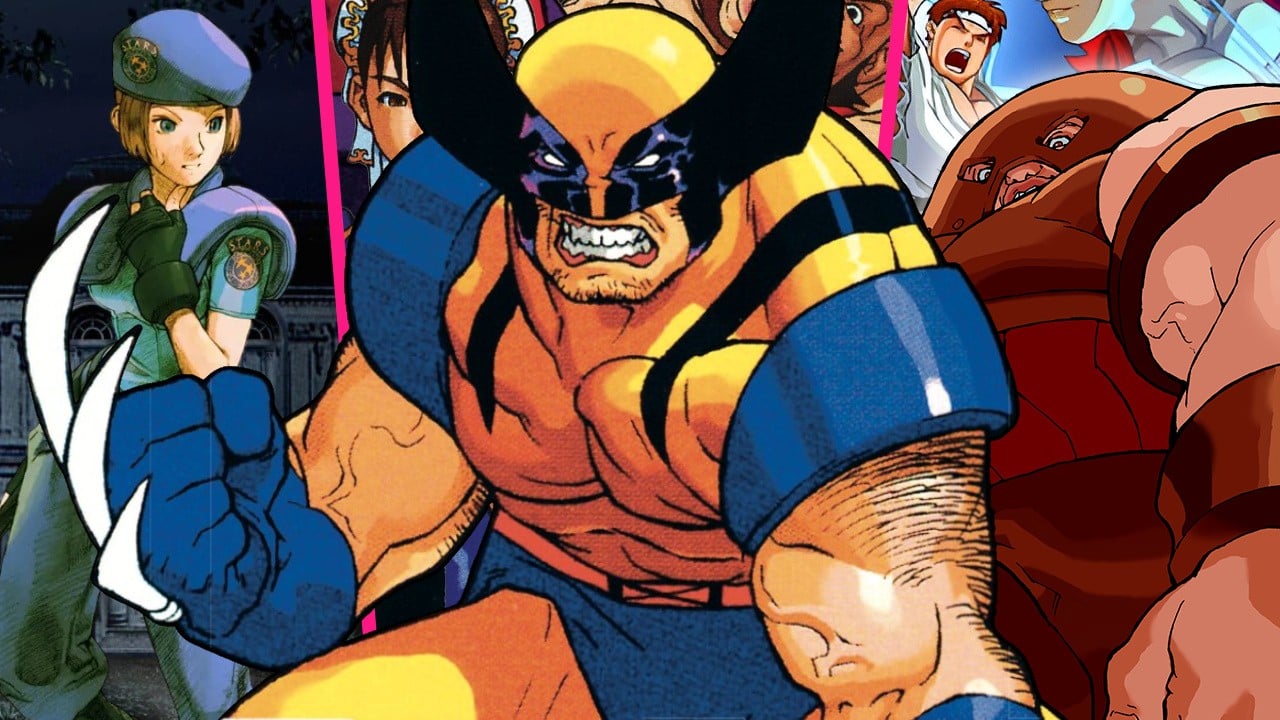
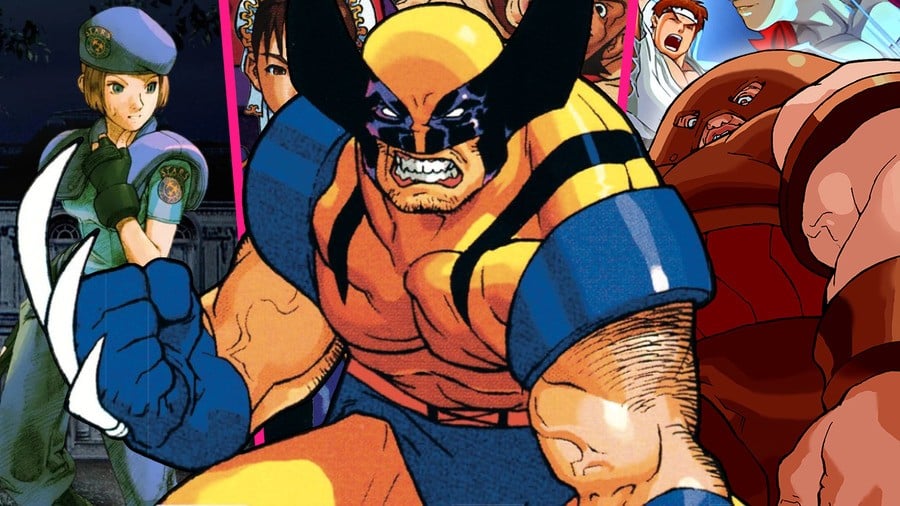
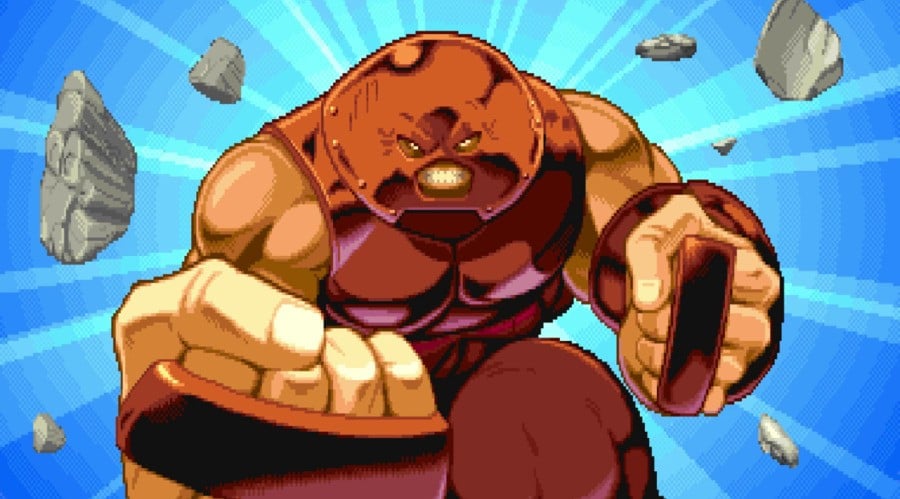
Working with Marvel Comics presented its own unique set of challenges. Shiraiwa recalled the initial strictness regarding character portrayal. A memorable anecdote involved the character Juggernaut in a fighting game. "When we submitted Juggernaut, they said, ‘No, Juggernaut can’t jump. He’s too heavy.’" This seemingly minor detail sparked a debate, as jumping was fundamental to the fighting game genre. Shiraiwa’s persistence, arguing the necessity of the mechanic for gameplay, eventually led to a compromise. However, this early rigidity dramatically shifted with success. "After Capcom released maybe one or two Marvel head-to-head fighting games, and they were extremely successful, they were like, ‘Anything goes. You can do whatever you want.’ So that made me wonder why they had been so strict with us in the first place. But I guess money changes everything." This observation highlights the commercial realities that often influence creative freedom in licensed projects.

The Enigma of Slip Stream and Forgotten Projects
Amidst the celebrated titles, Shiraiwa’s career also touched upon more obscure projects. One such example is Slip Stream, a 1995 Capcom racing title notable for its rarity and its unusual use of Sega System 32 hardware – a rare instance of a third-party game on that platform. Despite being credited, Shiraiwa admitted to having "very little memory" of his specific contributions to the game, which was reportedly only released in Brazil and saw limited production. The existence of unused English and Japanese text within the game files suggests broader release plans that never materialized.
Shiraiwa hypothesized that his ubiquitous involvement in "almost all Capcom games at that time" led to his name being automatically included in credits, perhaps as a "formality issue." This speaks to the informal nature of early game development and the blurred lines of responsibility when a single individual handled such a wide array of tasks. Such forgotten projects underscore the challenges of documenting the full history of early video game production, where crucial contributions like Shiraiwa’s might easily be lost to time without dedicated investigation.
The Resident Evil Turning Point: From "Jill Sandwich" to Professionalization
The landscape of localization within Capcom began to evolve significantly around the release of Resident Evil in 1996. The original game, while revolutionary in its horror genre, became infamous for its "comical expressions" and awkward English voice acting, epitomized by phrases like "Master of Unlocking" and "Jill Sandwich." Shiraiwa clarified his limited role in this initial phase: "Mikami actually went to a studio in Tokyo to record those English voices, and I think maybe the same company worked on the English text as well. So I was not involved in the dialogue you mentioned at all; I only did a preliminary translation before another company stepped in." Director Shinji Mikami’s desire for a "very Western horror-film kind of atmosphere" led him to outsource these critical elements, bypassing Shiraiwa in a rare departure from the norm.
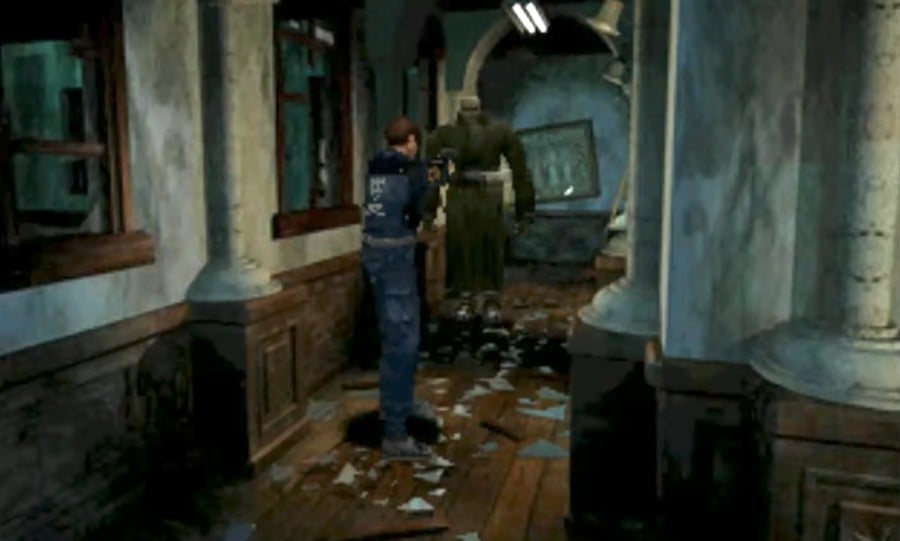
However, the mixed reception of Resident Evil 1‘s localization proved to be a catalyst for change. Shiraiwa noted, "Mikami… heard about those results from many people, which is why he came to me, and I became involved in the voice recording and also the text translation for Resident Evil 2." This shift marked a crucial turning point, signaling Capcom’s growing recognition of the importance of in-house expertise and quality control for international releases. It also highlighted the burgeoning demand for localization services that a single individual, no matter how dedicated, could no longer meet. "Developers at Capcom started to realise they needed translation resources beyond me, because, of course, I was just a single person. There was obviously a limit on the number of works that I could handle myself. The number of titles kept increasing, and I was becoming a bit overwhelmed by it all."
Shiraiwa also provided insights into specific Resident Evil lore. He recalled working on the Nintendo 64 version of Resident Evil 0, noting that the translations for rumble features eventually went unused when the game transitioned to the GameCube. He also addressed the mystery of "Mr. X," the Tyrant character in Resident Evil 2. While the name doesn’t appear in the final game, Shiraiwa speculated it might have been an early placeholder or present in an early draft of the in-game text or style guide, explaining its prevalence in Western licensing material. This illustrates the fluid nature of development and localization, where early decisions and placeholders can leave lasting, albeit unofficial, impacts on character identities.
Mikami’s subsequent approach to localization, particularly with Resident Evil 2, reflected a desire for greater internal control. "Mikami’s Resident Evil team really wanted to do everything internally. They were even hesitant to use people from overseas, and other departments within Capcom," Shiraiwa explained. This philosophy stemmed from a belief that "if you use external people, they will not be able to fully convey what they are trying to achieve in the game because they are outsiders." This perspective, likely informed by the lessons learned from Resident Evil 1‘s outsourced efforts, became a driving force behind the professionalization and expansion of Capcom’s internal localization capabilities.
Talent Migration and a New Chapter at Square Enix
By 2004, after nearly 14 years, Shiraiwa made the significant decision to leave Capcom and join its rival, Square Enix. This move was not unique; Shiraiwa painted a picture of a company in turmoil. "At that time, things at Capcom were pretty bad. Like a lot of key people kept leaving the company," he explained. Financial difficulties and a perceived lack of appreciation from company executives for developers’ hard work contributed to widespread dissatisfaction. "We were all kind of scared that there would be no Capcom in the near future. Things were that bad." This period, indeed, saw a notable exodus of talent from Capcom, with many prominent developers seeking new opportunities amidst an uncertain corporate climate.
Shiraiwa’s time at Square Enix, though credited on titles like Kingdom Hearts: Chain of Memories, marked a distinct shift in his role. At Square Enix, he found a localization department far more established and resourced than anything he had built at Capcom. "Square Enix has such a gorgeous setup for its localisation team. There are many native translators and speakers, so many of them were very familiar with the Disney style," he observed. As a localization manager, his responsibilities shifted from hands-on translation to overseeing processes. "All the actual work on that game was done by those native speakers; I was just making sure everything was done on time." This demonstrated the industry’s maturation, moving from a reliance on versatile individuals to specialized teams and structured departments.
Legacy and the Evolution of Game Localization
Tom Shiraiwa’s career at Capcom stands as a compelling microcosm of the video game industry’s early globalization efforts. From being the lone English speaker navigating arcane character limits to brokering complex deals with international licensors and guiding the localization of landmark titles like Resident Evil, his journey highlights the foundational work that enabled Japanese games to achieve global dominance. His story underscores the often-unseen labor involved in bridging cultural and linguistic divides, transforming games from niche Japanese products into worldwide phenomena.
His candid reflections on the challenges faced – from text restrictions to corporate politics – provide invaluable historical context for understanding the evolution of game development. The shift from an "amateurish" yet passionate company to one grappling with financial pressures and the professionalization of its international operations is a narrative arc familiar to many pioneering studios. Shiraiwa’s quiet, yet profound, contributions serve as a reminder that behind every celebrated game, there are countless individuals whose dedication, adaptability, and unsung efforts are critical to its success on the global stage. His experience vividly illustrates the journey from rudimentary "text translation" to the sophisticated, multidisciplinary field of video game localization we know today.