Ganda Hendra Perkasa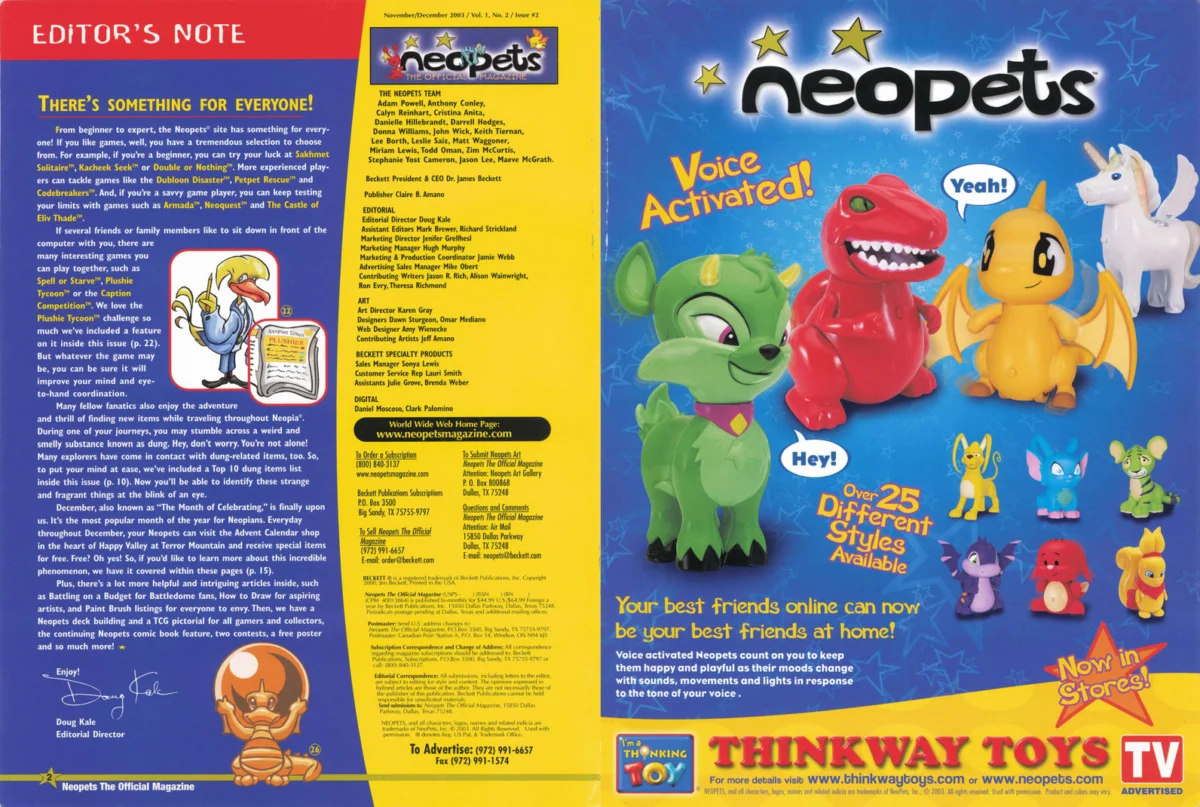
The Video Game History Foundation (VGHF) has announced the digitization and addition of the complete run of Neopets The Official Magazine to its expansive digital archive. This significant undertaking, involving the scanning of over 2,000 pages, aims to rectify a notable gap in the historical preservation of gaming culture, specifically focusing on content and audiences that have historically been underserved by traditional game history narratives.
While the VGHF typically does not publicize every new acquisition, the decision to highlight the inclusion of Neopets Magazine underscores its strategic importance in broadening the scope of documented gaming history. The magazine, which ran for four years in the early to mid-2000s, primarily chronicled news, strategies, merchandise, and lore surrounding the massively popular virtual pet website, Neopets.com. Although the content may appear niche or even tangential to mainstream gaming discourse of the era, the VGHF asserts its crucial role in understanding the audience it served.
A Gateway to Digital Entertainment for a Generation
Neopets, launched in October 1999, rapidly evolved into a cultural phenomenon, particularly among young girls in the 2000s. It offered a unique blend of virtual pet care, Flash-based mini-games, a virtual economy, and social interaction, all accessible through a web browser. For a significant microgeneration of girls, Neopets served as their initial foray into the world of digital entertainment and online gaming. The platform’s appeal lay in its non-violent, creative, and collaborative nature, fostering a sense of ownership and responsibility through the care of virtual pets and the accumulation of virtual currency, Neopoints. This accessibility and engaging gameplay loop cemented its status as a defining digital experience for many.
Addressing a Historical Imbalance in Gaming Archives
The VGHF’s Library Director, in a statement accompanying the announcement, acknowledged that the foundation’s existing digital archive has historically been skewed towards a male-dominated gaming demographic. "Plenty has been written about the boy-centric marketing and messaging of the video game industry," the statement read, referencing existing research on the subject. Traditional game magazines, such as Electronic Gaming Monthly, often reflected this cultural landscape, with content that frequently catered to a perceived male audience. The foundation pointed out that while these publications are invaluable historical resources, their contents, such as numerous supplements dedicated to sports titles like football, represent only one facet of the broader gaming spectrum.
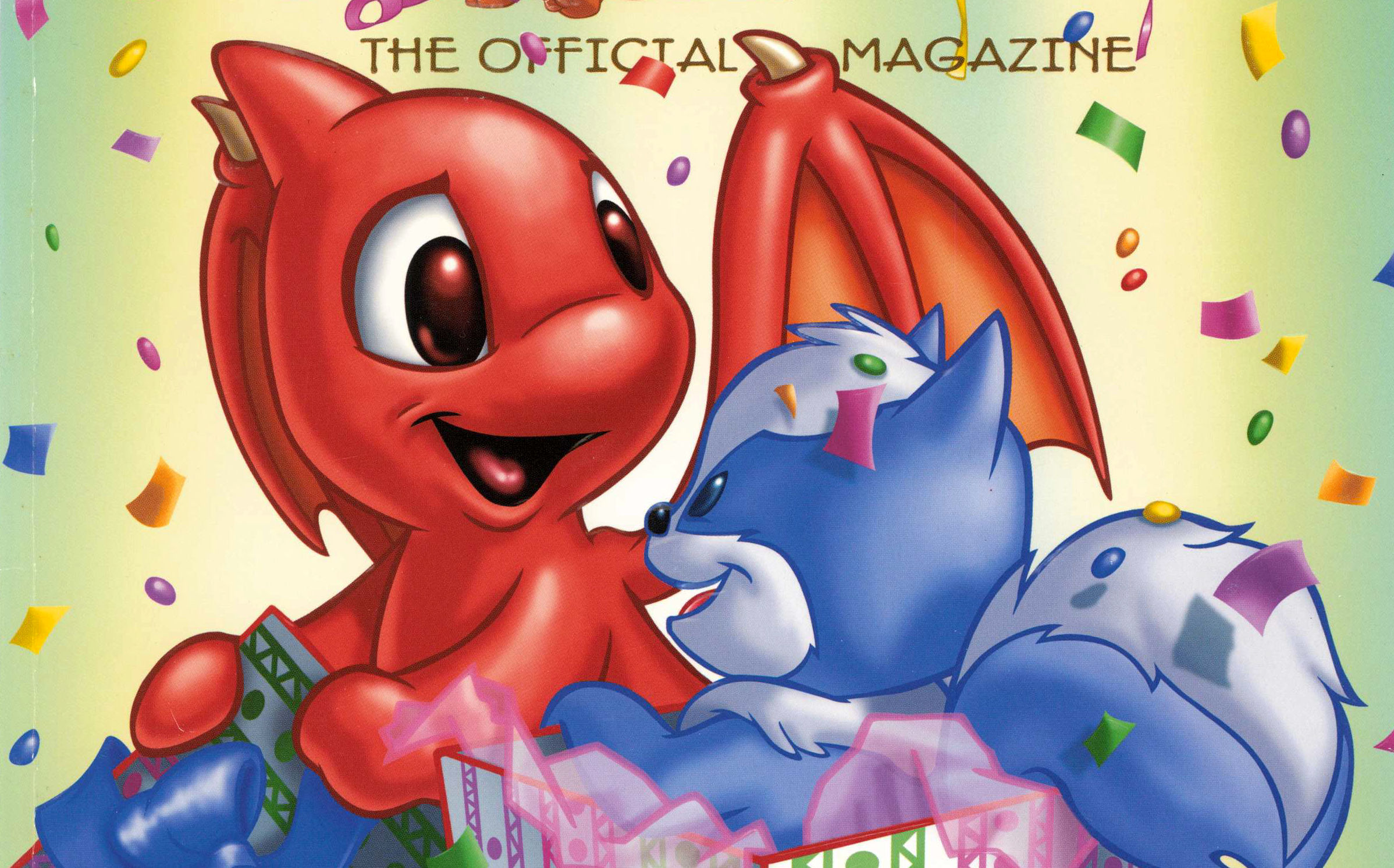
The Neopets Magazine collection, however, provides a crucial counterpoint. Beyond a few specialized publications like Girl Gamer and an occasional promotional magazine from a publisher like Ubisoft, the VGHF noted a significant lack of representation for the Neopets audience within historical game archives. The Neopets audience, largely comprised of young girls, has not had a dedicated space within these historical records where they can see their engagement with gaming culture documented and preserved. This initiative aims to rectify that oversight by ensuring that the experiences and interests of this demographic are accounted for in the annals of video game history.
The Journey of Digitization: Challenges and Perseverance
The acquisition of the complete run of Neopets The Official Magazine was a long-sought goal for the VGHF. The foundation received a set of the magazines in 2023 and expressed immediate enthusiasm for its inclusion in the digital archive. However, the path to digitization was not without its hurdles.
Initially, the VGHF faced challenges in obtaining suitable scans. The Neopets Magazine had largely been overlooked by mainstream game magazine collectors, to the extent that it was not even cataloged in many community groups dedicated to such archives. While a Neopets fan site, Jellyneo, hosted a collection of scans, the VGHF was unable to secure permission for their use in the official archive. Jellyneo’s reported close ties with the Neopets company may have presented licensing or agreement restrictions that prevented them from re-sharing their content. The VGHF emphasized its commitment to building upon existing community resources but stressed the importance of obtaining explicit permission to avoid copyright infringement.
Undeterred by these initial setbacks, the foundation recognized the immense value of the magazine. To ensure its preservation at a high quality, the VGHF embarked on a comprehensive rescanning effort. This involved sourcing a second complete set of the magazines, meticulously debinding them, and digitizing each page at an enhanced resolution. This dedicated approach highlights the foundation’s commitment to providing robust and accessible historical materials.
A Unique Lens on Mid-2000s Gaming Culture
The VGHF believes that the effort to digitize Neopets Magazine was "totally worth it," not only for its direct coverage of the game but also for the unique insights it offers into the presentation of gaming to a specific demographic during the mid-2000s.
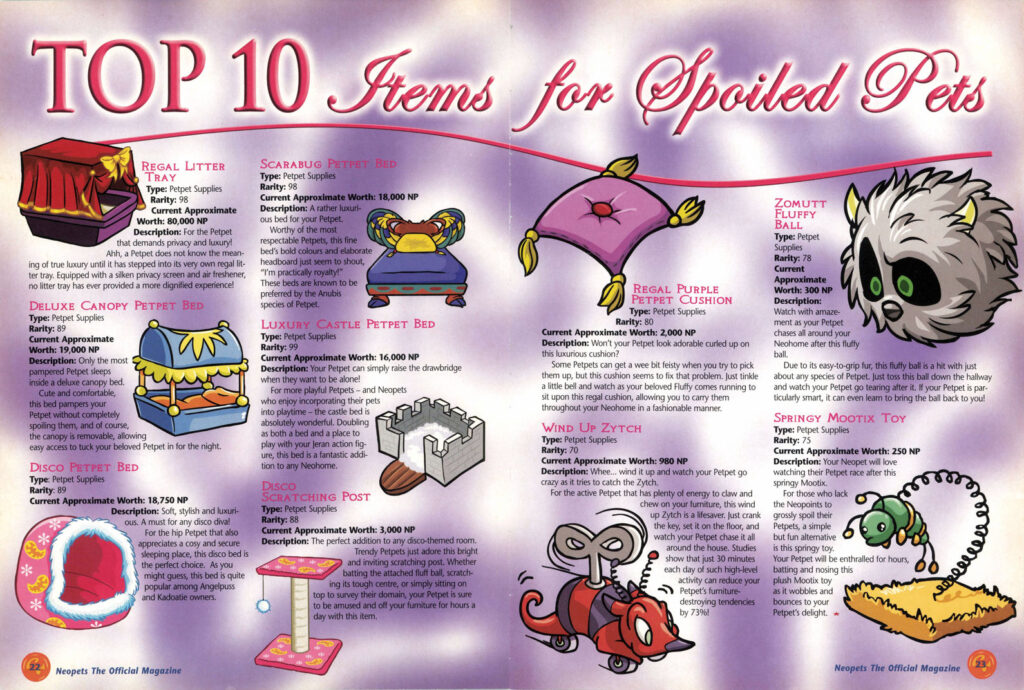
Key insights gleaned from the magazine include:
- Print Media for Web Games: The magazine serves as a rare print-based record of online and evolving live-service games, a format that is inherently interesting given the medium’s traditional focus on physical releases. This offers a unique perspective on how web-based gaming was documented and promoted to a broader audience.
- Targeted Marketing and Content: Unlike many contemporary gaming magazines that adopted an "edgy" persona, often overlapping with extreme sports or professional wrestling, Neopets Magazine presented a distinctly different approach. It featured extensive content on fan art, often dedicating multi-page sections to reader submissions. Advertisements were frequently for casual games, such as those playable on the EyeToy peripheral, or other web-based titles like MapleStory. This demonstrates a conscious effort to cater to an audience that might not have engaged with the more aggressive marketing prevalent in other gaming publications.
- Emphasis on Creativity and Customization: A recurring theme within the magazine’s articles was the emphasis on creativity and customization. This focus resonates with gameplay styles that have gained significant traction in recent years, particularly within the rise of "cozy games" and farming simulations. The magazine’s content foreshadows and reflects an early appreciation for player agency and personal expression within digital environments.
- Unconventional Distribution and Audience Reach: A particularly striking observation from the magazine’s audience surveys was the question regarding whether readers purchased the magazine at clothing stores. This detail suggests that Neopets Magazine reached an audience far beyond the typical gamer demographic, potentially intersecting with fashion and lifestyle retail environments. The VGHF humorously posits the scenario of a publication like PC Gamer being sold at a popular teen clothing store, highlighting the distinct market penetration of Neopets Magazine.
Broader Implications for Game History Research
The inclusion of Neopets The Official Magazine in the VGHF’s archive is significant for several reasons beyond its specific content. It underscores the importance of documenting less conventional forms of gaming and the diverse audiences they attract. Many historical accounts of video games tend to focus on genres and platforms that have historically been perceived as more "serious" or technologically advanced, often overlooking the cultural impact of accessible, web-based, or casual gaming experiences.
The VGHF aims to challenge this narrative by actively seeking out and preserving materials that represent a wider spectrum of gaming culture. Magazines like Neopets Magazine are often poorly documented and rarely included in discussions of "serious" game history. By making these resources available, the VGHF empowers researchers, historians, and the broader community to explore and understand the multifaceted nature of gaming’s evolution and its impact on different demographics.
The foundation’s work in digitizing this magazine, alongside its existing collection which includes titles like Hardcore Gamer, demonstrates a commitment to a comprehensive and inclusive approach to game history preservation. This initiative ensures that the stories and experiences of all gamers, regardless of their preferred platforms or genres, are acknowledged and preserved for future generations. The VGHF’s dedication to capturing these often-overlooked narratives promises to enrich our understanding of video game history and its profound cultural influence.