Farhan hamdan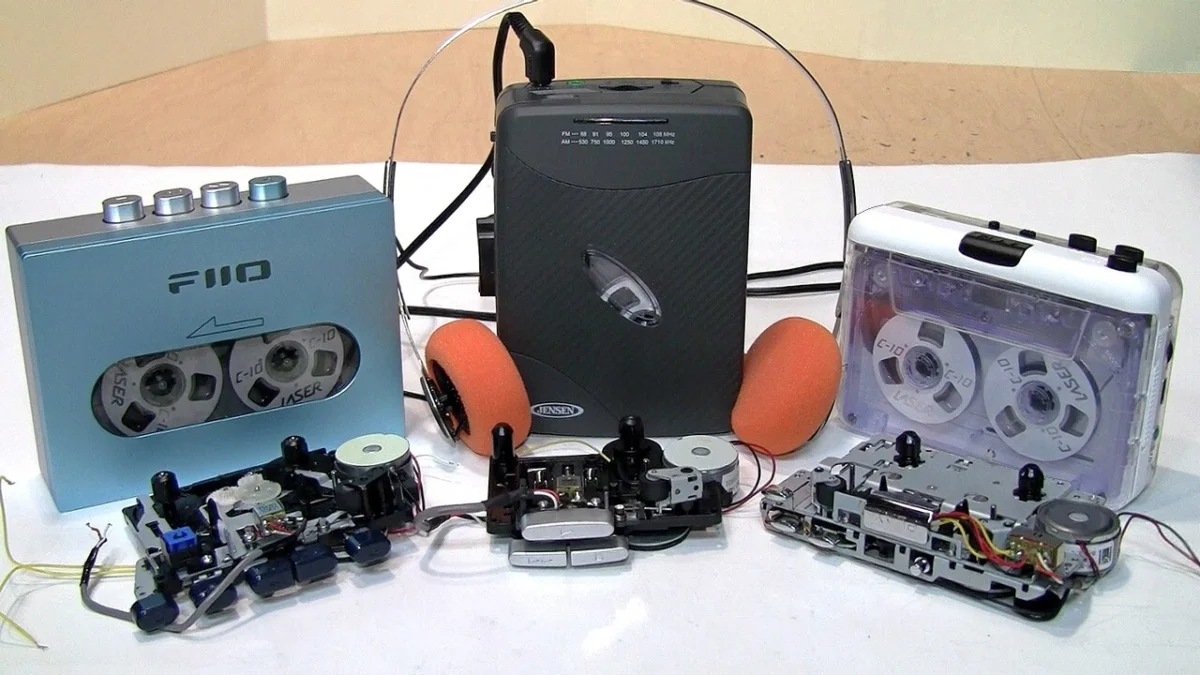
A recent investigative video by YouTube channel VWestlife has definitively debunked the widely circulated myth that only a single type of cassette mechanism is currently being manufactured globally. This revelation, which has generated significant discussion within the retro technology and audiophile communities, indicates that multiple distinct designs of cassette mechanisms are still in production, varying in quality, features, and origin. This finding challenges a long-held belief that had influenced consumer perceptions and market dynamics for modern cassette players, often leading to assumptions of universal low quality.
The Genesis of the "Single Mechanism" Myth
For years, a pervasive narrative suggested that the global supply of new cassette mechanisms had dwindled to a singular, often low-quality, Chinese-made unit, frequently referred to as the "Tanashin clone." This perception arose during the decline of the cassette tape’s mainstream dominance in the late 1990s and early 2000s, when major electronics manufacturers ceased production of high-fidelity cassette decks. As consumer demand shifted overwhelmingly to digital formats, the sophisticated, multi-motor, direct-drive mechanisms once common in Nakamichi, Pioneer, Technics, and Sony decks became relics of a bygone era. The remaining production was largely relegated to basic, often portable, players or integrated into budget-friendly boomboxes and car stereos, where cost-effectiveness superseded audio fidelity.
The "Tanashin myth" likely gained traction due to the widespread presence of basic, single-motor mechanisms manufactured by companies like Tanashin, which specialized in mass-producing inexpensive mechanical components for audio products. These mechanisms were indeed ubiquitous in entry-level players and became a symbol of the perceived decline in quality. Over time, as even these manufacturers faced diminishing returns, the narrative evolved into the idea that only one type of mechanism, often a derivative or clone of these earlier budget designs, remained in production. This belief fostered a sense of pessimism among enthusiasts, leading many to believe that any new cassette player would inherently be inferior and prone to issues.
VWestlife’s Investigation: Uncovering Diversity in Production
VWestlife’s video meticulously dissects various modern cassette players and mechanisms, revealing that the manufacturing landscape is more diverse than previously assumed. The investigation showcased that while many mechanisms are indeed simple and cost-optimized, they are not all identical. The video highlighted several key findings:
- Multiple Designs: Contrary to the myth, VWestlife demonstrated the existence of several distinct mechanical designs. These designs, while often sharing basic principles, exhibit different layouts, motor configurations (though typically still single-motor), and component choices. Some units are direct clones of discontinued designs, but even these clones are not always derived from the same original source, or they have undergone subsequent revisions.
- Varying Quality Tiers: The mechanisms observed ranged from extremely basic, flimsy units found in ultra-cheap portable players to slightly more robust designs integrated into higher-priced, albeit still consumer-grade, stereo systems. While none of these modern mechanisms appear to rival the precision engineering and durability of high-end vintage decks, the video clearly illustrated a spectrum of quality rather than a monolithic standard of poor performance.
- Cloning and Iteration: An interesting aspect highlighted was the prevalence of cloning and iterative design. Some contemporary mechanisms are, in fact, clones of previously discontinued units, which themselves might have been clones of even older designs, including those from original Tanashin or similar manufacturers. This lineage of reverse engineering and adaptation indicates an active, albeit niche, manufacturing ecosystem responding to sustained, albeit modest, demand.
Technical Nuances and Performance Expectations
It is crucial to differentiate between the mere existence of multiple mechanisms and their performance capabilities. While the myth of a single mechanism has been debunked, the expectation that modern players can match the audio fidelity, wow and flutter specifications, or longevity of high-end vintage units remains largely unfounded.
Vintage cassette decks, particularly those from the "golden age" of audio (1970s-1980s), featured sophisticated mechanics:
- Dual Capstans: Often with direct-drive motors, ensuring stable tape speed and minimal wow and flutter.
- Multi-Motor Designs: Separate motors for play, fast forward, rewind, and sometimes even for opening/closing the tape well, reducing mechanical stress and improving control.
- Heavy Flywheels: To smooth out rotational inconsistencies.
- High-Quality Heads: Made from durable alloys like Sendust, Permalloy, or Amorphous materials, offering extended frequency response and wear resistance.
- Advanced Noise Reduction: Dolby B, C, and sometimes S, along with HX Pro headroom extension.
Modern mechanisms, by contrast, are almost universally single-motor designs, relying on belts and gears to handle all tape transport functions. This simplification is driven by cost reduction and results in:
- Higher Wow and Flutter: Noticeable speed variations, particularly on sustained notes.
- Increased Mechanical Noise: Audible operation of gears and motors.
- Reduced Durability: Lighter plastic components are prone to wear and breakage over time.
- Basic Heads: Typically ferrite or generic alloy heads, offering adequate but not exceptional frequency response.
Therefore, while not all modern mechanisms are "junk," they are designed to meet a different market segment – primarily consumers seeking novelty, convenience, or a specific aesthetic, rather than audiophiles demanding uncompromised sound reproduction. The performance gap between a new $50 cassette player and a meticulously restored $500 vintage deck remains substantial.
Addressing the "Modern Players Eat Tapes" Myth

Alongside the "single mechanism" myth, another prevalent concern among tape enthusiasts is that modern cassette players are inherently prone to "eating" or damaging tapes. VWestlife’s video, and similar analyses, also implicitly address this. While it is true that poorly manufactured or malfunctioning players (both modern and vintage) can indeed damage tapes, the blanket assertion that all modern players are tape-eaters is an overstatement.
Tape eating typically occurs due to:
- Incorrect Back Tension: The take-up reel not pulling tape sufficiently, leading to slack.
- Worn or Dirty Pinch Roller/Capstan: Causing the tape to slip or not be properly guided.
- Misaligned Heads or Tape Guides: Leading to creasing or curling of the tape.
- Faulty Auto-Stop Mechanism: Not disengaging when the tape reaches its end or encounters resistance.
- Poorly Designed Tape Path: Sharp edges or obstructions that snag the tape.
While cheaper modern mechanisms might be more susceptible to some of these issues due to lower manufacturing tolerances and less robust materials, a well-functioning modern player, even a basic one, should not routinely damage tapes. The primary issue with many budget players is often inconsistent speed, poor sound quality, and limited longevity, rather than outright tape destruction. Users should, however, exercise caution with any new player, particularly inexpensive ones, and monitor its performance closely, especially with valuable or irreplaceable tapes.
The Resurgence of Analog Media and the RetroRGB Audience
The debunking of these myths comes at a time when analog media, including cassette tapes, is experiencing a remarkable resurgence. Driven by nostalgia, a desire for physical media ownership, and a counter-cultural rejection of purely digital consumption, cassettes have found a new audience. Independent artists, niche labels, and even major acts are releasing albums on tape, contributing to a steady increase in sales figures over the past decade. This revival mirrors the more prominent comeback of vinyl records, underscoring a broader appreciation for the tangible and often unique experience offered by older technologies.
The article’s original context within RetroRGB, a platform dedicated to retro gaming and technology, is particularly insightful. The RetroRGB audience, much like audiophiles, understands that "better" is often subjective and context-dependent. Just as they appreciate the distinct visual characteristics and input lag advantages of Cathode Ray Tube (CRT) displays for retro gaming over even the most advanced modern flat-panel televisions, they also grasp the specific appeal of cassette tapes. This appeal isn’t solely about objective audio fidelity but encompasses the tactile experience of handling a tape, the ritual of listening, the unique sonic signature (often described as "warmth"), and the nostalgic connection to a past era.
For this demographic, the news of multiple cassette mechanisms, even if not high-fidelity, is significant. It suggests a more viable future for new cassette players and accessories, ensuring that the format remains accessible for those who appreciate its unique charm. It also empowers consumers with more informed choices, moving beyond a fatalistic acceptance of a singular, inferior option.
Implications for the Retro Tech Market and Consumers
The implications of VWestlife’s findings are multi-faceted:
- Consumer Confidence: By dispelling the "single mechanism" myth, consumers might feel more confident exploring new cassette players, understanding that there’s a degree of choice and not all modern units are identical in performance or quality.
- Manufacturing Incentives: The continued, albeit niche, demand for cassettes, coupled with the revelation of diverse manufacturing, could potentially incentivize further innovation or at least better quality control in the production of new mechanisms.
- Informed Purchasing Decisions: Enthusiasts and casual listeners alike can now make more informed decisions, distinguishing between truly poor-quality units and those that, while basic, are perfectly functional for casual listening or archival purposes. Reviews and community discussions about specific mechanism types will become more valuable.
- Preservation of the Format: The ongoing production of mechanisms, regardless of quality, contributes to the long-term viability of the cassette format. It ensures a supply chain for parts, even if simple, which is crucial for repair and reproduction.
- Challenges Remain: Despite the debunking, the fundamental challenge of achieving high-fidelity audio from newly manufactured cassette players at consumer-friendly prices persists. The economics of mass-producing precision analog mechanics in an era dominated by digital electronics are difficult. High-end vintage decks will likely remain the gold standard for critical listening.
Conclusion: A Nuanced Reality for Cassette Enthusiasts
VWestlife’s comprehensive video serves as a critical piece of investigative journalism for the retro tech community, providing a much-needed dose of reality regarding the current state of cassette mechanism manufacturing. The myth of a singular, universally poor mechanism has been effectively shattered, revealing a more nuanced landscape where multiple designs, of varying quality, continue to be produced.
This revelation underscores the enduring appeal of analog media and the resilience of niche markets. While modern cassette players may not replicate the pinnacle of vintage audio engineering, the fact that a diverse range of mechanisms exists offers hope and choice for enthusiasts. It encourages a shift from blanket skepticism to informed discernment, allowing consumers to appreciate modern cassette players for what they are: accessible, functional devices that cater to a growing desire for the unique charm and nostalgic experience of the cassette tape. The future of the cassette, while certainly not mainstream, appears to be more robust and varied than previously believed, driven by a passionate community that values the tangible over the purely digital.