Hartono Sudibyo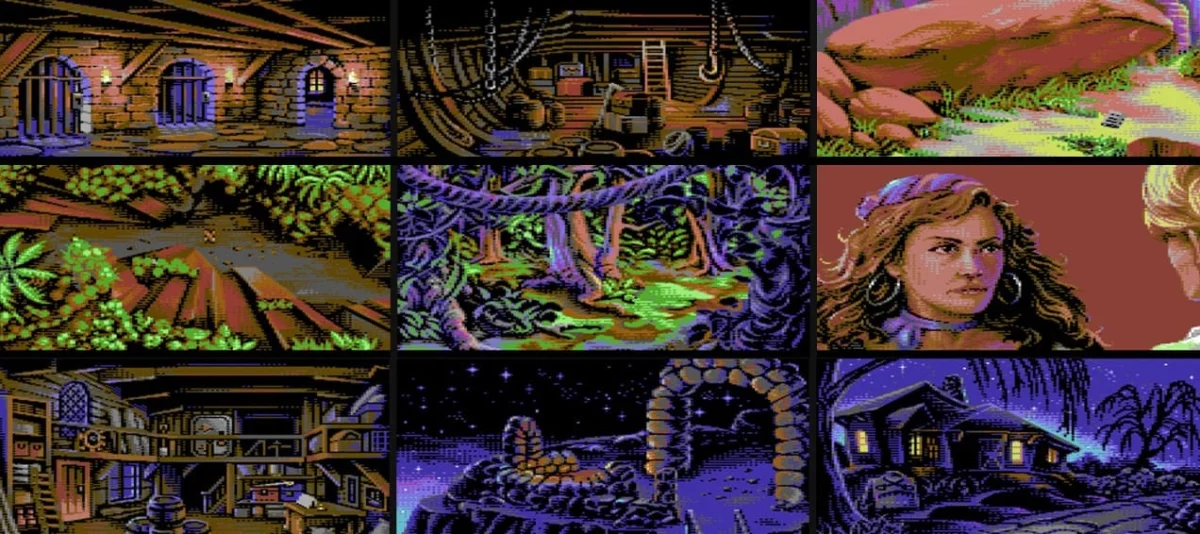
In a testament to the enduring legacy of classic video games and the dedication of retro computing enthusiasts, a monumental fan-driven project is currently underway to bring LucasArts’ seminal adventure game, The Secret of Monkey Island, to the venerable Commodore 64. This ambitious undertaking, spearheaded by graphic artist Andreas Larsson, aims to meticulously recreate every visual aspect of the 1990 PC release for the 8-bit capabilities of the C64, a feat that represents a significant artistic and technical challenge. The project, informally dubbed "The Monkey Island Project," is a labor of love that underscores the profound impact this groundbreaking title continues to have on gamers and developers alike, more than three and a half decades after its initial debut.
A Nostalgic Journey Reimagined for 8-Bit Hardware
The enduring appeal of The Secret of Monkey Island lies not only in its witty dialogue, engaging puzzles, and memorable characters but also in its pioneering use of the SCUMM (Script Creation Utility for Maniac Mansion) engine, which revolutionized point-and-click adventure game design. For many, the game evokes a powerful sense of nostalgia, offering a comforting escape into a world of swashbuckling pirates, arcane mysteries, and hilariously absurd situations. Andreas Larsson’s current endeavor taps directly into this deep well of affection, seeking to bridge the technological gap between the game’s original platform and the beloved, albeit technically constrained, Commodore 64.

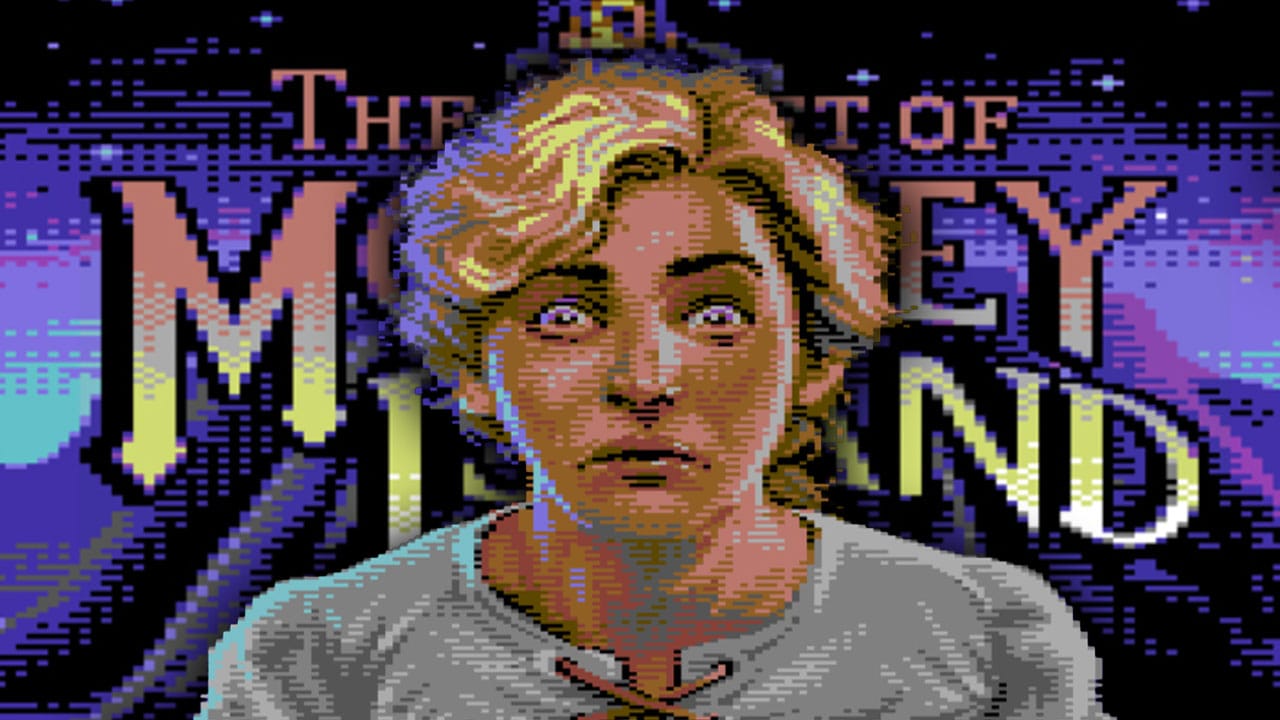
Larsson’s approach is characterized by a painstaking dedication to authenticity, meticulously hand-drawing all backgrounds, character sprites, and animations to fit within the C64’s limited graphical palette and resolution. This is not a simple port or emulation; it is a comprehensive visual reimagining. The goal is to capture the spirit and essence of the original game’s aesthetic while adapting it to the distinct visual language of the 8-bit era. Early visual demonstrations suggest a remarkable success in this regard, with iconic locations like the Scumm Bar and key character designs being translated into a charming, pixelated art style that honors the original while forging a new visual identity for the C64 version.
The Technical Hurdles of an 8-Bit Transformation
Bringing a game designed for 16-bit or 32-bit systems to an 8-bit platform like the Commodore 64 presents a formidable set of technical challenges. The C64, released in 1982, operates with significantly less processing power, memory, and graphical sophistication compared to the machines for which The Secret of Monkey Island was originally developed. Key limitations include:
- Resolution and Color Depth: The C64’s native resolution of 320×200 pixels with a limited color palette of 16 colors (with hardware sprites offering more color flexibility in specific configurations) stands in stark contrast to the higher resolutions and vastly more extensive color palettes available on PCs of the early 1990s. This necessitates careful color selection and creative use of dithering and shading techniques to approximate the look of the original.
- Memory Constraints: The Commodore 64 has a mere 64KB of RAM, a fraction of what modern games, or even those from the early 90s, would require. This means that game assets, including graphics, sound, and code, must be highly optimized and potentially loaded in segments to fit within this limited memory space.
- Processor Speed: The C64’s MOS Technology 6510 processor, running at approximately 1 MHz, is considerably slower than the processors of the era when The Secret of Monkey Island was released. This impacts game logic, animation fluidity, and the overall responsiveness of the interface.
- Sound Capabilities: While the C64’s SID chip is legendary for its unique sound capabilities, it is fundamentally different from the sound hardware of the PC. Recreating the game’s iconic soundtrack and sound effects within the SID’s architecture requires significant skill and ingenuity.
Andreas Larsson’s commitment to hand-drawing every element suggests a deep understanding of these constraints. By creating assets from scratch, he can tailor them specifically to the C64’s capabilities, rather than attempting to force-fit existing assets. This meticulous process allows for a more authentic and visually coherent result, ensuring that the game not only looks good but also plays smoothly within the limitations of the hardware.

A Timeline of Dedication and Progress
While a precise completion date for "The Monkey Island Project" has not been announced, the ongoing development indicates a significant time investment. Projects of this magnitude typically unfold over several years, involving stages of conceptualization, asset creation, programming, testing, and refinement.
- Conceptualization and Initial Art: The project likely began with Larsson’s personal desire to see the game on his preferred retro platform. This phase would have involved studying the original game’s assets, analyzing its graphical style, and developing a clear artistic vision for the C64 rendition. Early character sketches and background studies would have formed the initial groundwork.
- Asset Production: This is the most time-consuming phase, involving the digital redrawing of hundreds, if not thousands, of individual frames of animation for characters and objects, as well as the creation of detailed background art for every location in the game. Each element must be designed with the C64’s pixel grid and color limitations in mind.
- Programming and Integration: Concurrently, a programmer or team of programmers would be working to develop the game engine or adapt existing C64 adventure game frameworks to handle the SCUMM-like mechanics of The Secret of Monkey Island. This involves implementing the game’s logic, puzzle system, inventory management, and user interface. Integrating the newly created graphics and any adapted sound assets would be a crucial step.
- Testing and Refinement: Once a playable build is achieved, extensive testing is required to identify and fix bugs, optimize performance, and ensure the game’s playability and fidelity to the original. This iterative process is vital for a project of this complexity.
The visual updates shared by Larsson indicate that the project has progressed well into the asset production and potentially the integration phases. The fidelity of the recreated scenes suggests a dedicated team working diligently behind the scenes, even if the primary creative force is Larsson himself.
The Community’s Role and Support
The retro gaming and C64 enthusiast communities are vital to the success of such ambitious fan projects. These communities often provide not only moral support and encouragement but also technical expertise and, in some cases, direct assistance. Andreas Larsson’s project is a prime example of this collaborative spirit. While the provided content highlights his individual effort in the visual reinterpretation, it is highly probable that he is working with others, or at least benefiting from the shared knowledge and tools developed within the C64 demoscene and homebrew development circles.
The mention of a "paid membership community" and "exclusive Discord channel" on the Retro Dodo website, where this article is published, suggests a platform for engaging with supporters and potentially recruiting collaborators or testers. Such platforms are invaluable for maintaining momentum, gathering feedback, and fostering a sense of shared ownership in the project’s outcome. The retro computing scene thrives on shared passion, and projects like this serve as powerful catalysts for community engagement.
Broader Impact and Implications
The success of "The Monkey Island Project" would have several significant implications for the retro computing and gaming communities:
- Preservation of Gaming History: By meticulously recreating classic games for older hardware, these projects contribute to the preservation of gaming history. They allow for new generations to experience these seminal works on the original platforms they were designed for, offering a unique and authentic perspective.
- Inspiration for New Developers: The technical ingenuity and artistic dedication displayed in such projects can inspire a new wave of game developers, demonstrating that creative limitations can be overcome with passion and skill. It highlights the enduring power of well-crafted game design, regardless of technological advancements.
- Validation of Retro Computing: The continued interest and investment in platforms like the Commodore 64 underscore the enduring appeal of retro computing. These machines are not merely relics of the past but active platforms for creativity and innovation, proving that they still have a vibrant present and future.
- Artistic Reinterpretation: Larsson’s work is a form of artistic reinterpretation, similar to a musician performing a cover of a classic song or an artist creating a new interpretation of a famous painting. It demonstrates that beloved works can be revisited and appreciated through different artistic lenses, offering fresh perspectives.
The act of bringing The Secret of Monkey Island to the Commodore 64 is more than just a technical exercise; it is a profound act of love for a game that has shaped the landscape of interactive entertainment. It is a celebration of creativity, perseverance, and the enduring power of pixelated storytelling. As Andreas Larsson continues his meticulous work, the retro gaming world watches with anticipation, eager to experience the legendary adventures of Guybrush Threepwood once more, this time through the charming and nostalgic lens of the Commodore 64. The future of this project holds the promise of a unique and deeply satisfying experience for fans old and new, a testament to the timeless magic of Monkey Island.