Edi Durjana
The PlayStation 2 (PS2), launched at the turn of the millennium, stands as a monumental achievement in console gaming history, selling over 155 million units worldwide. Yet, its profound impact and unique visual characteristics were inextricably linked to a technology on the cusp of obsolescence: the Cathode Ray Tube (CRT) television. Unlike modern consoles designed for pixel-perfect digital displays, the PS2 was conceived almost entirely around analog video output, focusing on scanlines and timing rather than discrete pixels or fixed resolutions. While a niche VGA monitor attachment existed for the official PS2 Linux toolkit, offering some VESA display modes, this was an afterthought, largely ignored by commercial game developers. This fundamental design philosophy dictated many of the console’s hardware and software development decisions, influencing everything from framerate targets to widescreen implementations and progressive scan capabilities.
The Analog Heartbeat: PS2 Hardware and CRT Integration
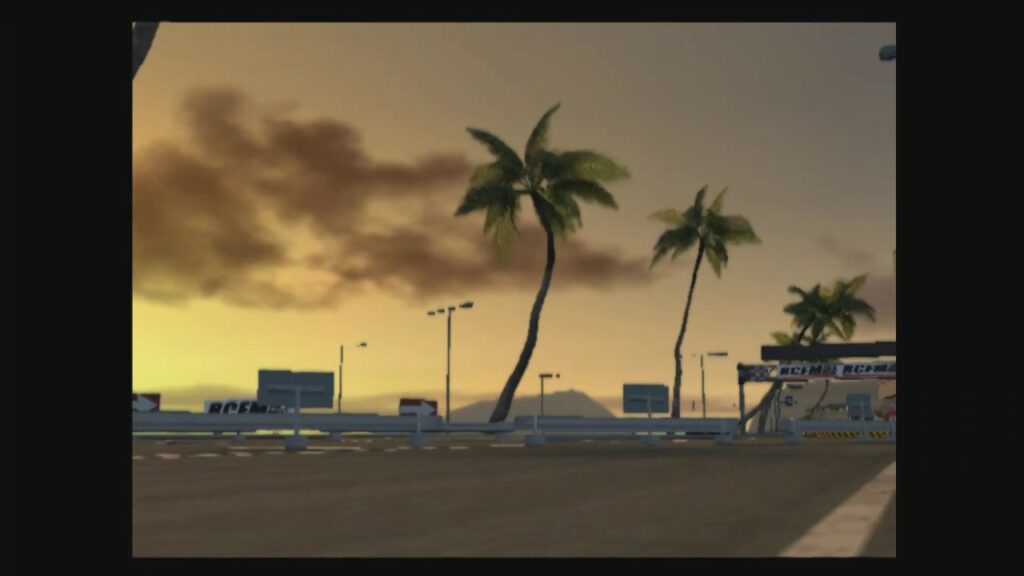
At the heart of the PS2’s visual prowess was the Graphics Synthesizer (GS), its custom-designed GPU, which featured a mere 4MB of embedded VRAM. This modest memory allocation, especially compared to its contemporary rivals like the Sega Dreamcast (8MB) or Microsoft Xbox (64MB shared with main memory), was a significant constraint for developers. Sony often encouraged studios to view this VRAM not as traditional video memory but as a high-speed "scratchpad," emphasizing its exceptional bandwidth. This design choice meant that operations typically expensive on other GPUs, such as alpha blending, multipass rendering, and framebuffer copies, were remarkably efficient on the PS2. Games like Driv3r famously leveraged the GS’s unique strengths, executing complex visual effects that would cripple less specialized hardware.
Adding to its innovative architecture were the two Vector Units (VU0 and VU1), SIMD coprocessors that formed a fully programmable geometry pipeline. These units enabled hardware features akin to modern mesh shaders, a technology that would not become mainstream in PC graphics cards until the NVIDIA Geforce RTX 20 series, nearly two decades later. This combination of highly specialized hardware with limited, high-bandwidth VRAM created a unique development environment where ingenuity was paramount to maximize visual output on the prevailing display technology: the CRT.
The 60fps Mandate: A Technical Imperative for Visual Integrity
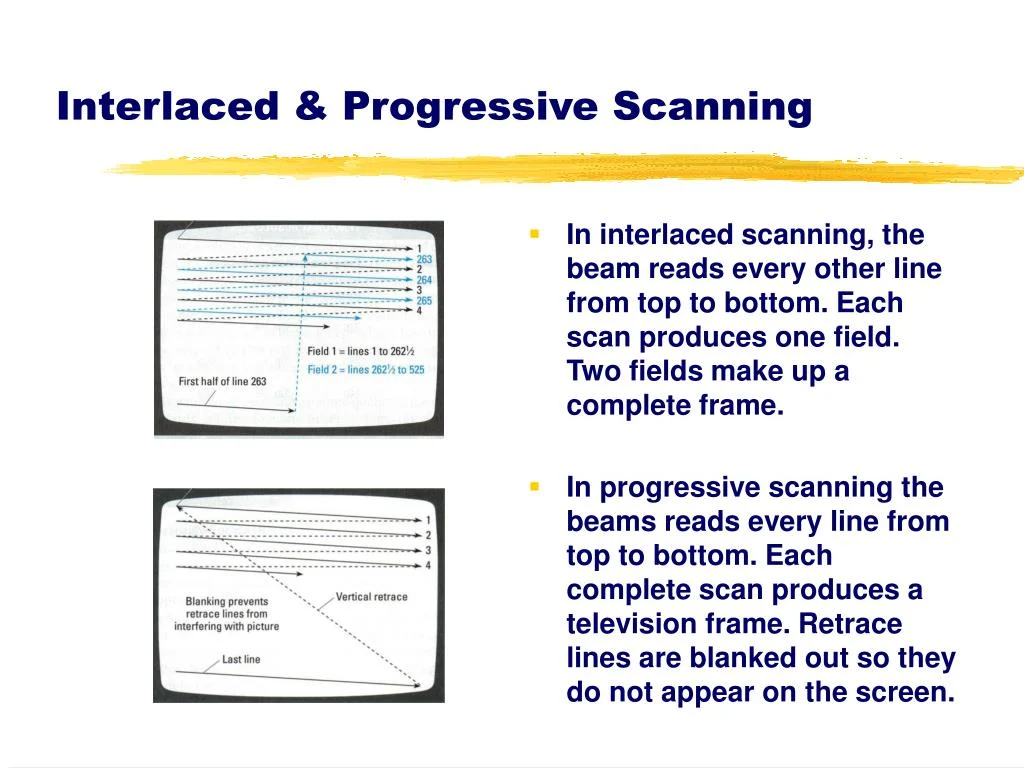
One of the most defining characteristics of the PS2 era, particularly evident in its launch titles, was the widespread commitment to maintaining a solid 60 frames per second (fps) for NTSC regions (or 50 fps for PAL). This wasn’t merely a quest for smoother gameplay; it was a technical necessity dictated by the console’s interlaced video output and the way CRTs rendered images.
Early versions of the PS2’s Software Development Kit (SDK) predominantly supported interlaced scanline modes, requiring a 60Hz refresh rate to achieve resolutions like 640×448. Developers later gained the option of either "frame mode" (rendering full frames) or "field rendered mode" (rendering interlaced fields). Field rendering was particularly appealing due to its significantly reduced memory footprint. By rendering only half the scanlines per frame, memory requirements could be halved, allowing resolutions as low as 640×240 or 512×224 to fit within the GS’s 4MB eDRAM. This also dramatically cut down render times, making it easier to hit higher framerates.
However, field rendering came with a critical caveat: frame pacing. If a game missed its target frametime and the previous field had to be displayed twice, the entire image would visibly "shift" vertically by one scanline. This jarring artifact made it imperative for developers to ensure a perfectly locked 60fps. Consequently, many PS2 games, such as SSX 3, would internally slow down the game logic or skip animation frames to maintain a consistent output framerate rather than suffer visible Y-shifts. While this might have resulted in a slightly slower experience, it preserved visual stability on a CRT, where the analog nature of the display would seamlessly blend the alternating fields, presenting a seemingly full-resolution image to the user. Frame mode, while rendering full frames and thus being more forgiving of dropped frames (by simply repeating the previous full frame), demanded higher VRAM and longer render times, making consistent 60fps more challenging to achieve. This unique technical constraint explains why the PS2 boasts an unusually high number of 60fps titles, especially at launch, a stark contrast to its contemporaries like the original Xbox and GameCube, where framerate fluctuations were often more pronounced.
Visual Fidelity and Early Criticisms
Despite the sophisticated technical optimizations, the PS2 faced criticism early in its lifecycle, particularly regarding "jaggies" – jagged edges on polygons – and a perceived lack of anti-aliasing compared to the Sega Dreamcast. This issue was compounded by the media’s early capture methods. Game magazines and journalists often relied on single-frame capture techniques, which, when applied to interlaced PS2 output, would only capture one field (odd or even scanlines). This resulted in screenshots that appeared significantly more aliased and less visually coherent in print than they did on a real CRT, where the interlacing and analog blending mitigated these issues. While the lower internal rendering resolutions (chosen to fit within the GS’s VRAM) contributed to the problem, the misrepresentation in print media fueled misconceptions about the console’s actual on-screen image quality.
Widescreen’s Emergence: A Transitional Era
The early 2000s marked a pivotal shift in television aspect ratios, driven largely by the proliferation of DVD players. The PlayStation 2, famously doubling as an affordable DVD player, played a crucial role in popularizing "anamorphic widescreen" content. Consequently, 16:9 widescreen CRT TVs began to gain traction, moving from niche products to a more mainstream offering. While the vast majority of PS2 games were initially designed for the traditional 4:3 aspect ratio, demand for widescreen support steadily grew.
The PS2 era saw three primary approaches to widescreen implementation:
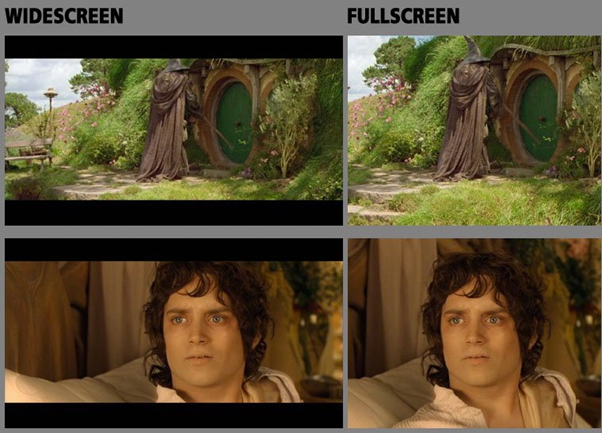
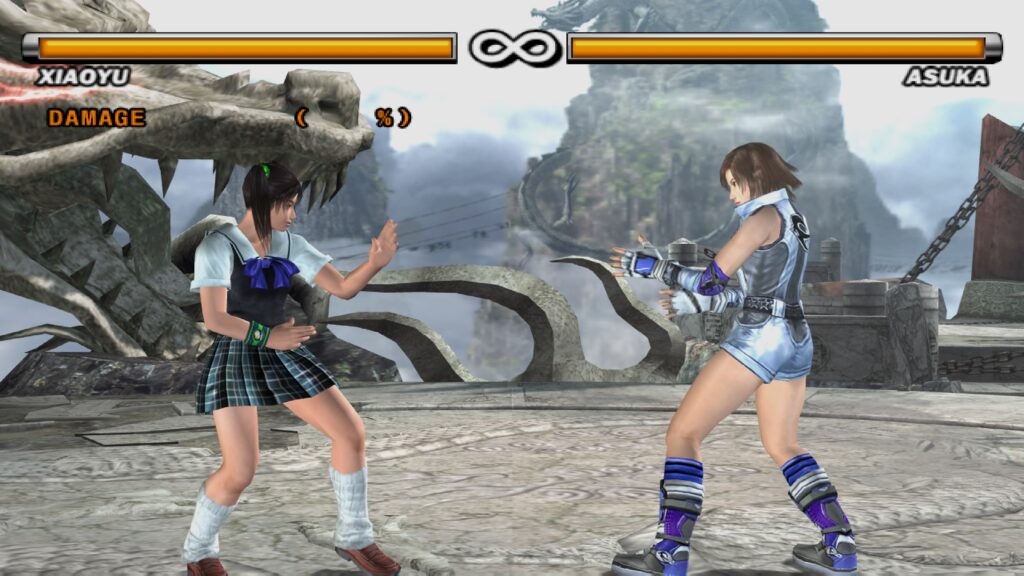
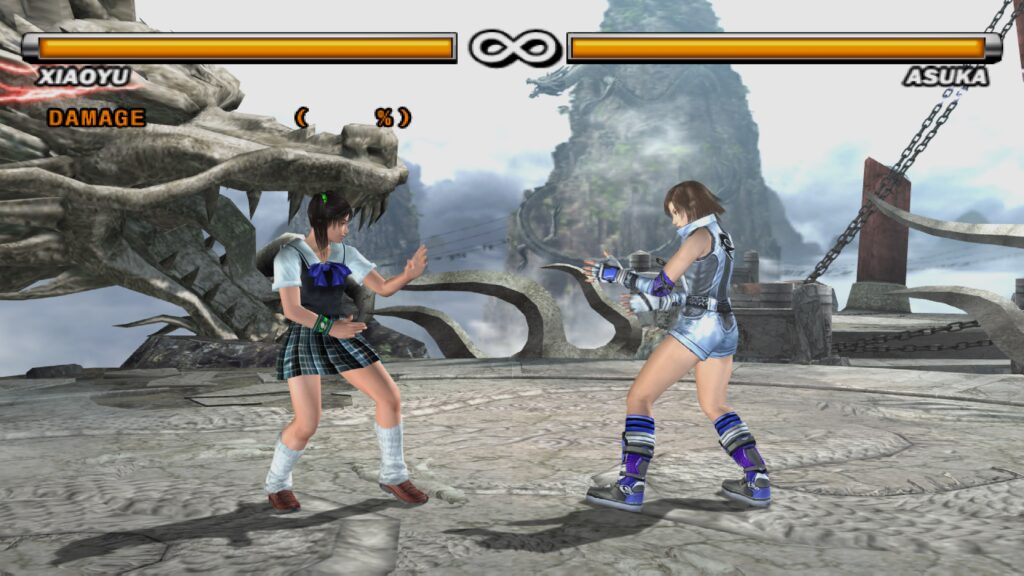
- Vert- (Vertical Shrink): This was the most common method. The game would render a 4:3 image, then crop portions from the top and bottom of the picture before horizontally stretching and zooming the remaining content to fit a 16:9 display. This approach was attractive to developers because scaling and zooming were nearly "free" operations on the GS, and cropping reduced VRAM usage. However, it resulted in a reduced vertical field of view, making objects appear larger and giving a "zoomed-in" feel rather than revealing more of the game world. Popular titles like Tekken 5, Ratchet & Clank, and Jak and Daxter series often employed Vert- widescreen.
- Hor+ (Horizontal Plus): Considered the "correct" method, Hor+ expanded the horizontal field of view, rendering more of the game world on the sides without cropping the vertical dimension. This method offered a genuine advantage of a wider screen. However, it demanded a higher horizontal resolution, placing greater strain on the GS’s VRAM and potentially impacting performance, making it a rarer choice.
- Hybrid (Hor+ and Vert-): A compromise approach, where some horizontal expansion occurred alongside some vertical cropping and zooming. Tekken 5‘s internal "quasi-widescreen" mode, for instance, exhibited signs of Vert- with slight zooming.
The prevalence of Vert- implementations often led to frustration among enthusiasts who sought true widescreen experiences. While the PS2 hardware was capable of Hor+ modes, the practical constraints of VRAM management and the desire for consistent performance often pushed developers towards the easier, albeit visually compromised, Vert- solution. This dynamic highlights the constant trade-offs developers faced in balancing technical limitations with evolving consumer expectations.
Progressive Scan: A Glimpse of High Definition
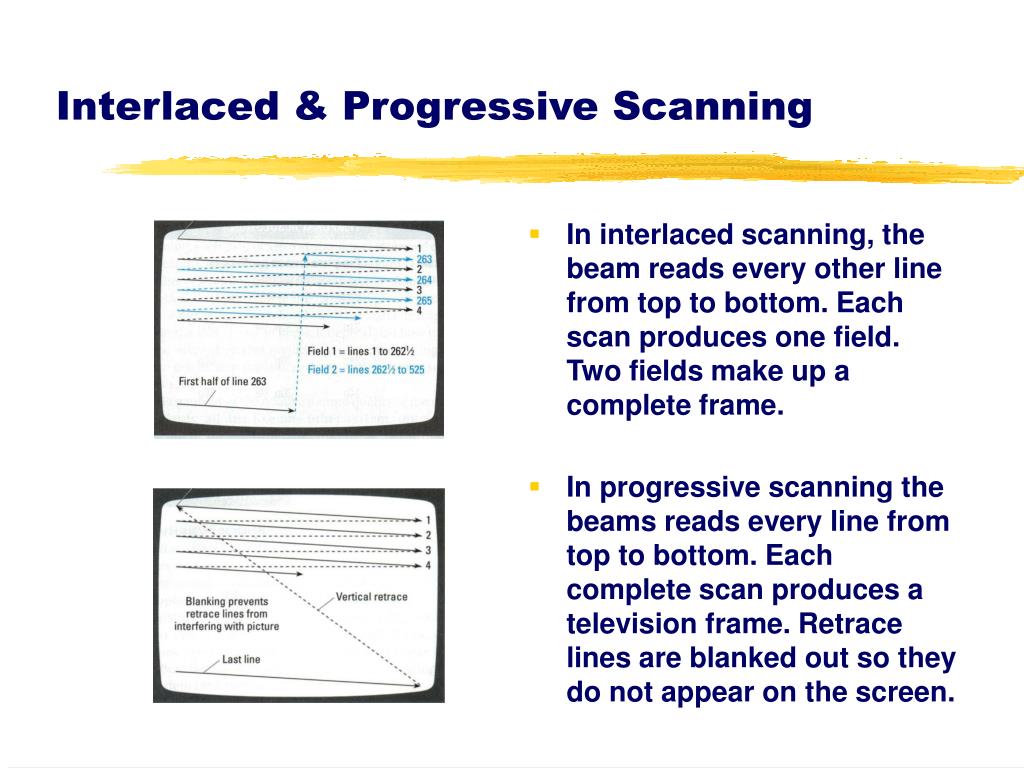
As the PS2 entered its mid-lifecycle, near the twilight of the CRT era, television manufacturers began to introduce "Enhanced Definition Television" (EDTV) sets. These were still CRTs but offered support for progressive scan display modes, specifically 480p (NTSC) and 576p (PAL). Progressive scan, as opposed to interlaced, renders a full frame of video at once, eliminating the visible interlacing artifacts and providing a much sharper, more stable image.
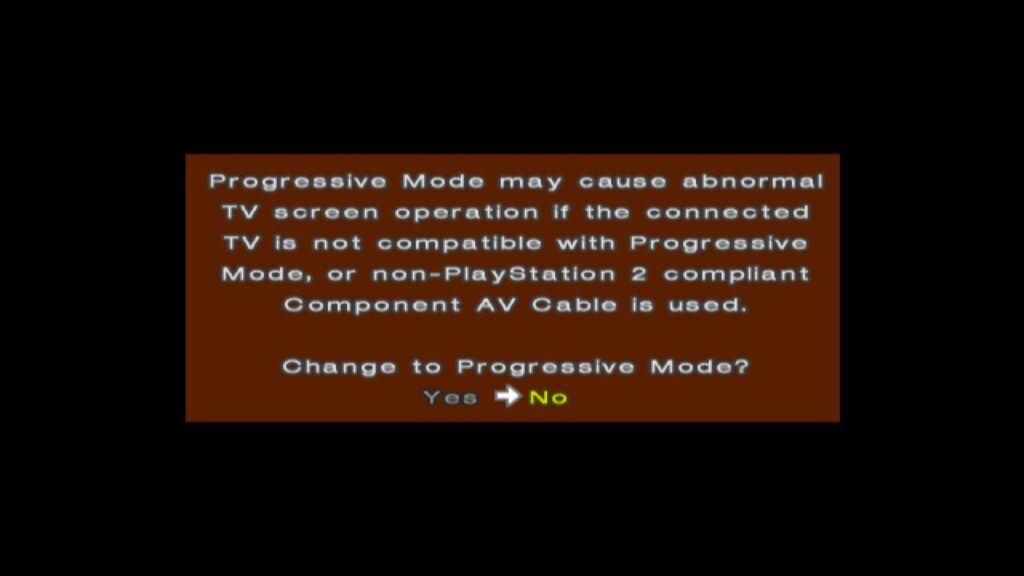
To access these progressive scan modes, users typically needed component cables (YPbPr) in NTSC regions or RGB SCART cables in Europe and Japan, as standard composite or RF-AV cables lacked the bandwidth. Many PS2 games supporting progressive scan would prompt the user to activate it by holding specific button combinations (e.g., X and Triangle) at startup. The benefits were immediate: a noticeably cleaner image, full-height backbuffers, and a more "modern" look.
However, progressive scan wasn’t without its compromises. To accommodate the higher data requirements of full frames within the limited 4MB GS VRAM, some games would reduce their framebuffer depth to 16 bits per pixel (16bpp) or lower. This trade-off could introduce color banding, slightly diminishing the overall color quality in exchange for a non-interlaced image. Despite this, most users found the progressive scan image superior.
A notable example of PS2’s ambition in this area was the inclusion of "1080i" modes in games like Gran Turismo 4 and Valkyrie Profile 2. This was, however, a clever technical illusion rather than a true 1920×1080 resolution. For instance, Gran Turismo 4 internally rendered at 640×540. The GS’s CRTC (Cathode Ray Tube Controller) would then use magnification integers (MAGH and MAGV) to stretch this image to "1920×1080." A horizontal magnification of ‘3’ turned 640 into 1920, while a vertical magnification of ‘2’ (or interlaced framebuffer switching) turned 540 into 1080. On a CRT, this scaling and interlacing could appear convincingly high-resolution, but on modern displays, the underlying low resolution becomes evident, often making the 480p mode appear sharper.
The PAL Conundrum: Regional Display Woes
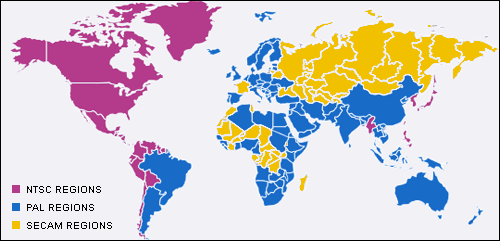
Europe faced unique challenges during the PS2 era due to the prevailing PAL television standard, which operated at 50Hz, compared to NTSC’s 60Hz in America and Japan. This "PAL tax" historically meant European gamers often received slower, letterboxed versions of games. While the Dreamcast had begun offering PAL60 modes (a 60Hz NTSC signal output over PAL systems), Sony initially declined to officially support PAL60 for the PS2, considering it a non-standard. Consequently, many early PS2 PAL titles were locked to 50Hz.
Some European developers, like Psygnosis (Wipeout), Core Design (Tomb Raider), and Rockstar/DMA Design (Grand Theft Auto), made efforts to optimize their PAL releases. These optimizations sometimes included rendering more scanlines than their NTSC counterparts, potentially offering better image quality in terms of vertical resolution. However, the game speed remained tied to the 50Hz refresh rate, making them inherently slower than their 60Hz NTSC equivalents. While some developers attempted to compensate by tweaking game logic speed, the experience was generally considered inferior.
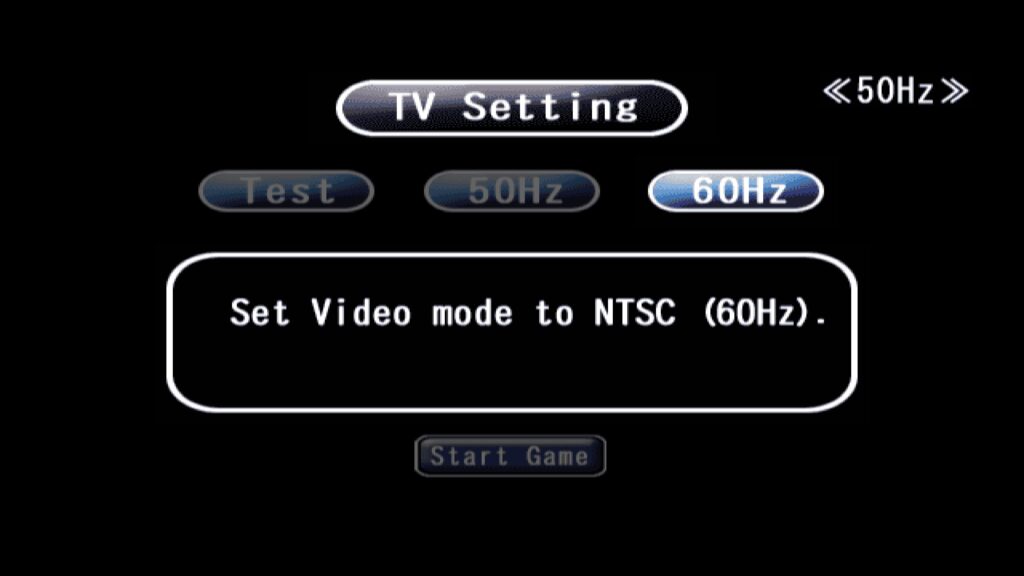
The situation improved around 2002 when more PS2 games began offering a 50Hz/60Hz selector at startup, as seen in titles like ICO. Instead of a true PAL60 mode, these games would switch the console to an NTSC 480i output. This was largely feasible because many European TVs manufactured in the late 1990s and early 2000s were multi-standard, capable of displaying both PAL and NTSC signals. However, this wasn’t always straightforward. Developers like Square Enix, with their visually rich, FMV-heavy games like Final Fantasy X, struggled with the cost and disk space required to ship dual 50Hz and 60Hz versions of their extensive video sequences, often leading them to stick with 50Hz for PAL releases despite growing demand for 60Hz options. Over time, games lacking these 50Hz/60Hz toggles became the exception rather than the rule, marking a significant step towards parity for European gamers.
The Digital Revolution: PS2 on LCDs and Beyond
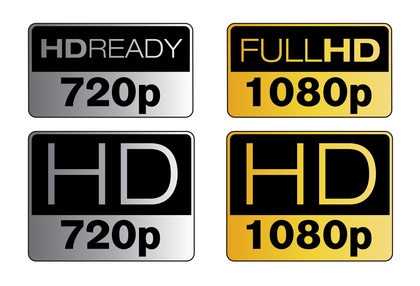
The mid-2000s heralded a seismic shift in television technology, with the advent of HD-ready LCD TVs and the launch of seventh-generation consoles like the PlayStation 3 and Xbox 360. For these new consoles, the transition was largely beneficial, ushering in an era of standardized 60Hz output via HDMI and native, non-interlaced high resolutions. For many, this was their first encounter with 480p or 720p on a home television.
However, for older, CRT-based consoles like the PS2, the move to early LCDs proved problematic. Initial LCD panels suffered from high input latency, significant ghosting, and poor motion clarity. Visual effects meticulously designed for CRTs, such as the "feedback blur" used for motion blur in many PS2 titles, looked disastrous on these new displays, transforming subtle artistic choices into distracting smudges. Games like Soul Calibur 3 even included an in-game "Software Overdrive" setting, an attempt to mitigate the afterimage effects on LCD screens, though it could not fix the underlying latency or fundamental lack of motion clarity.
These issues persisted for years, creating a suboptimal experience for retro gamers attempting to play PS2 titles on modern hardware. It is only in recent times, with advancements in display technology (like high-refresh-rate OLEDs) and sophisticated emulation techniques, that the nuances of the PS2’s original CRT-optimized presentation can be accurately replicated. Innovations such as BlurBusters’ "CRT beam racing simulator" shaders, now integrated into emulators like RetroArch, allow modern displays to achieve near-CRT levels of motion clarity and latency, combined with advanced CRT shaders for visual authenticity. This allows a new generation of players, and nostalgic veterans, to experience PS2 games as they were truly intended, finally bridging the gap between the analog past and the digital present.
In conclusion, the PlayStation 2’s immense success and enduring legacy are deeply intertwined with the technical realities of the CRT era. Its hardware design, from the efficient GS and its limited VRAM to the powerful Vector Units, was optimized for analog display characteristics. The imperative for locked framerates, the evolution of widescreen, and the slow adoption of progressive scan were all dictated by the nuances of CRT technology. The challenges faced by developers, particularly in navigating regional PAL/NTSC differences, underscore the complex interplay between hardware, software, and the prevailing display landscape. As we transition further into the digital age, understanding these foundational design choices provides invaluable insight into the PS2’s unique visual identity and its continued appeal to a global audience.