Edi Durjana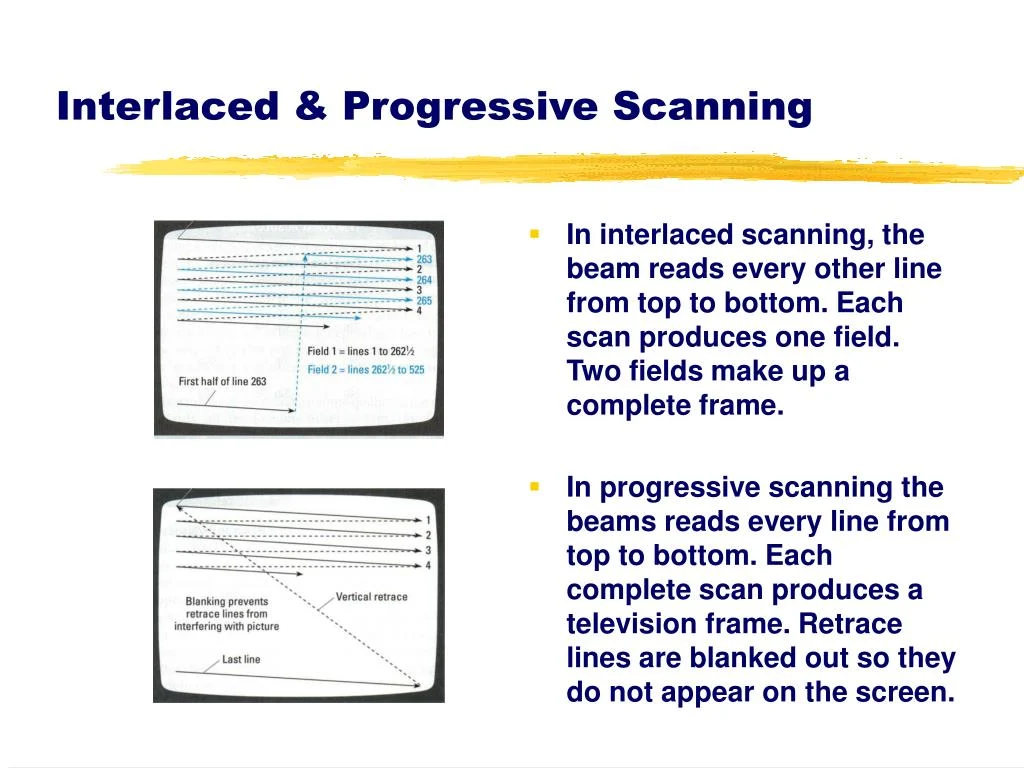
The PlayStation 2 (PS2), a console that defined a generation of gaming, was engineered almost entirely from the ground up for use with Cathode Ray Tube (CRT) televisions. Unlike modern systems built around digital pixels and high-definition resolutions, the PS2, like its analog predecessors, fundamentally operated on the principles of scanlines and precise video timing. While an official PS2 Linux toolkit did permit attachment to a VGA monitor, offering some VESA display modes, this functionality was largely an afterthought, rarely utilized by commercial game developers. This foundational design choice, coupled with the console’s unique architecture, profoundly influenced game development, visual presentation, and the player experience throughout its remarkable lifespan.
The PS2’s Analog Heart: Graphics Synthesizer and VRAM Constraints
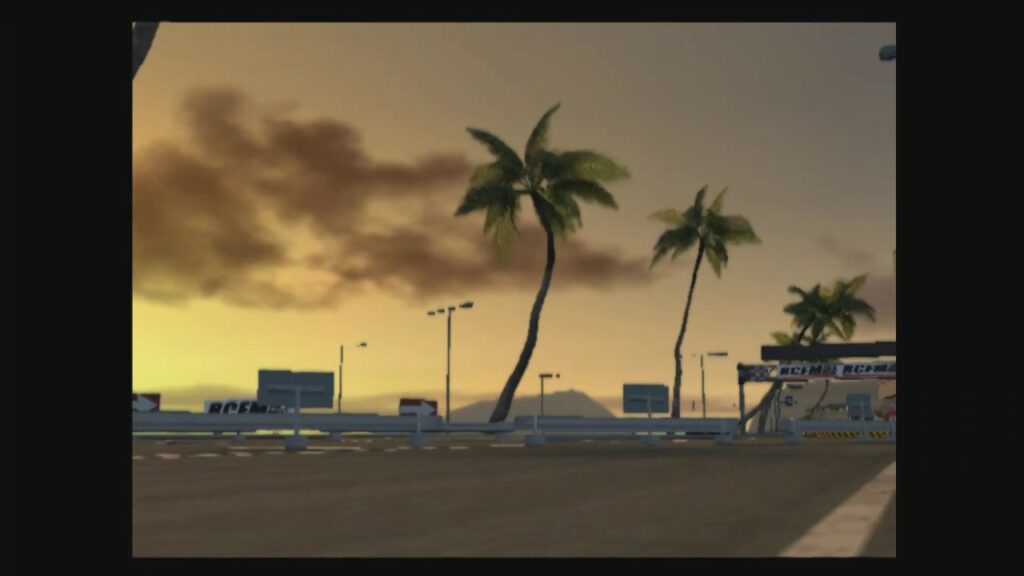
At the core of the PS2’s visual prowess was its Graphics Synthesizer (GS), a powerful yet idiosyncratic Graphics Processing Unit (GPU) that featured a modest 4MB of embedded VRAM. This memory capacity was often insufficient to hold a full 640×480 framebuffer, let alone larger resolutions. Sony encouraged developers to perceive this VRAM not as traditional video memory but as a high-speed scratchpad, demanding innovative approaches to graphics rendering. Despite the limited VRAM, the GS boasted unparalleled memory bandwidth for its era. Operations such as alpha blending, multi-pass rendering, and framebuffer copies, which were notoriously expensive on other contemporary GPUs, were executed with remarkable efficiency on the PS2. This unique strength allowed games like Driv3r to push visual boundaries in ways that would have crippled less optimized hardware. Further enhancing its capabilities were the two Vector Units (VU0 and VU1), specialized SIMD coprocessors that formed a fully programmable geometry pipeline. These units enabled hardware features akin to modern mesh shaders, a technology that would only become mainstream with the advent of the Nvidia Geforce RTX 20 series nearly two decades later.
The 60fps Imperative: A Technical Mandate for Visual Fidelity
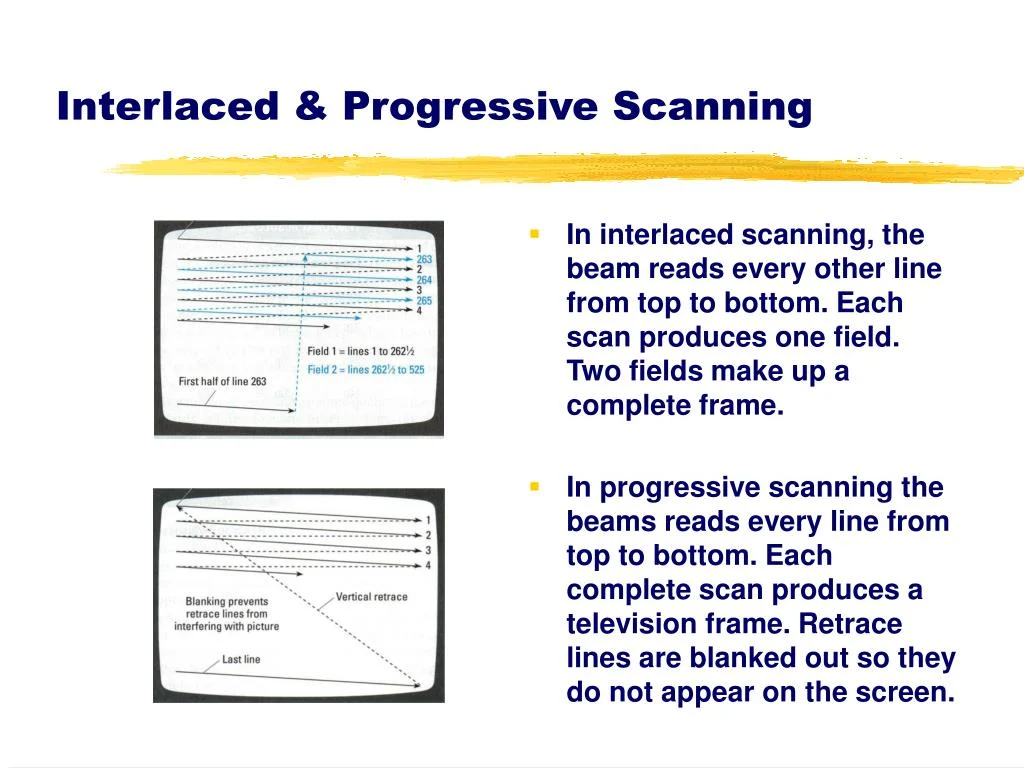
One of the most striking characteristics of the PS2’s early game library, particularly in NTSC regions (America/Japan), was the prevalence of titles targeting a rock-solid 60 frames per second (fps). This high refresh rate was not merely a developer aspiration but a practical necessity, subtly enforced by the console’s hardware design. Early versions of the PS2 Software Development Kit (SDK) predominantly supported interlaced scanline modes, which mandated a 60Hz refresh rate to achieve a resolution of 640×448. Developers later gained the option of using either "frame mode" (rendering full frames) or "field rendered mode" (interlaced frames).
Field rendering, by its very nature, halves the memory requirements per frame, rendering at resolutions such as 640×240 or even 512×224. This was a critical advantage given the PS2’s constrained 4MB eDRAM for framebuffer storage. Furthermore, it significantly reduced the time needed to render the final output image. For many developers, field rendering appeared to be the optimal path to achieving high performance on the PS2. However, this efficiency came with a significant caveat: frame pacing. If a game missed its target and the previous frame had to be displayed twice, the entire image would visibly shift its vertical position by a single scanline. This visual artifact made it imperative for developers to maintain a consistent 60fps. Consequently, many games, such as SSX 3, would internally slow down the game or implement dynamic frame skipping to preserve a stable 60Hz output rather than exhibiting jarring vertical shifts.
In contrast, "frame mode" involved rendering full, non-interlaced frames (e.g., 640×448 or 512×448). While this led to longer render times and potentially made a consistent 60fps harder to achieve, the system was more forgiving of dropped frames. If a new frame wasn’t ready in time, the screen would simply display the second field from the previous full frame, resulting in a less disruptive visual anomaly.
The intricate interplay of field rendering, CRT display characteristics, and the necessity of consistent frame pacing meant that if a game could reliably maintain 60fps, interlaced mode would appear seamless. The CRT would blend the half-frames, creating the illusion of a full, stable image, largely unbeknownst to the average user. This efficient and fast rendering option, reliant on the CRT’s inherent blending capabilities, allowed the PS2 to "get away" with its generally lower display resolutions without significant perceived image degradation. This technical coercion explains why the PS2 boasts an exceptionally large number of 60fps titles, especially early in its life, a testament to developers pushing the hardware to its limits.
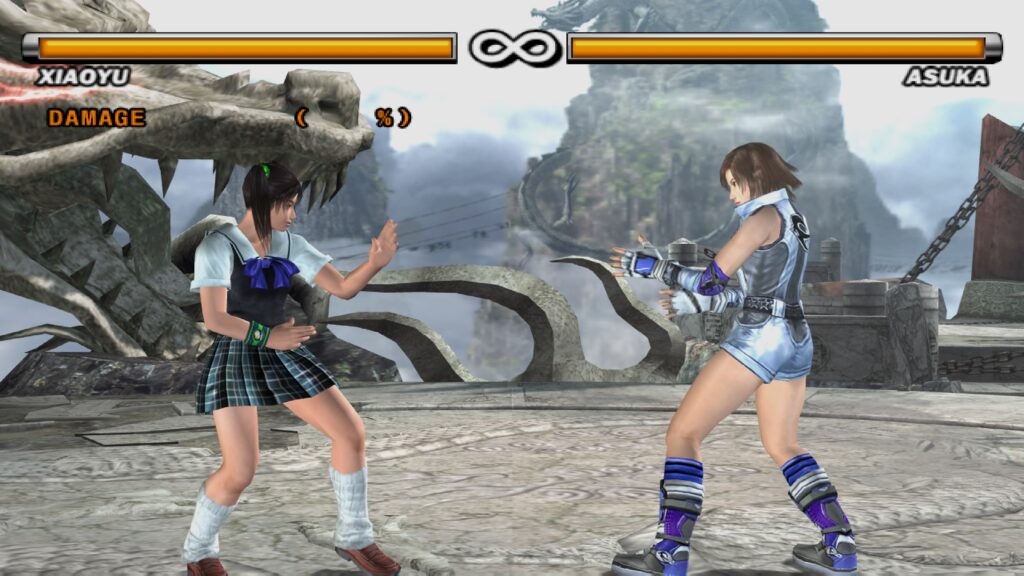
The visual fidelity of early PS2 games was often a point of contention. Critics frequently highlighted "jaggies" – pronounced jagged edges – and a perceived lack of anti-aliasing, particularly when compared to the Sega Dreamcast. This issue was compounded by the limitations of media capture technology at the time. Game magazines and journalists often relied on single-frame captures, which, in the context of interlaced field rendering, would only capture half the fields. This resulted in screenshots depicting only odd or even scanlines, making PS2 games appear significantly more jagged in print than they did on an actual CRT television. The lower effective output resolution, a consequence of the GS eDRAM constraints, further contributed to these misconceptions.
The Dawn of Widescreen: Adapting to a New Visual Standard
As the 2000s progressed, the television landscape began to shift. While the vast majority of console games, including early PS2 titles, were designed for the traditional 4:3 aspect ratio, the PS2’s dual role as a DVD player brought terms like "anamorphic widescreen" into mainstream discourse. Widescreen 16:9 CRT televisions gradually became more accessible in the early to mid-2000s, driving demand for games to support this new format.
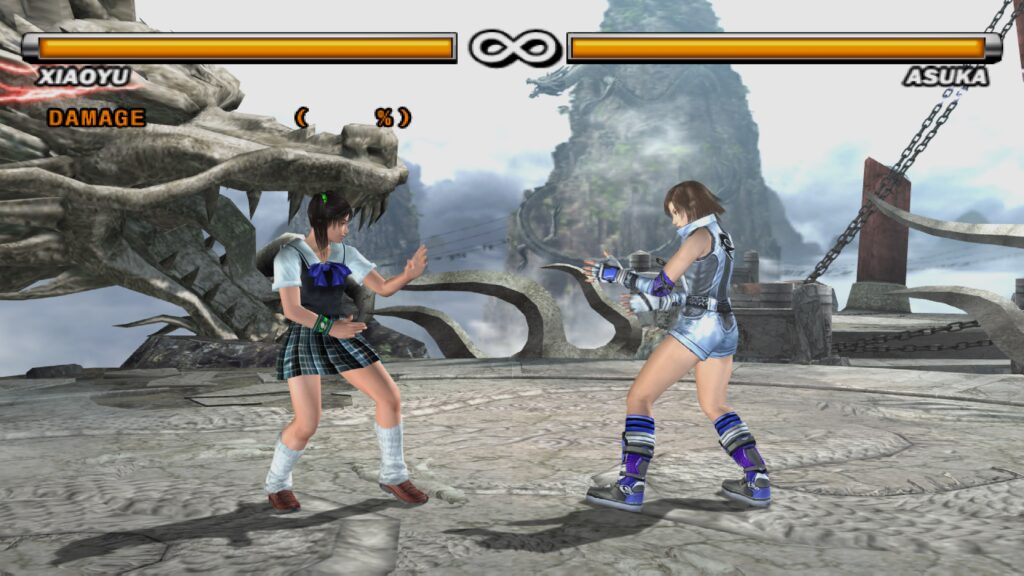
The PS2 implemented widescreen in three primary ways:
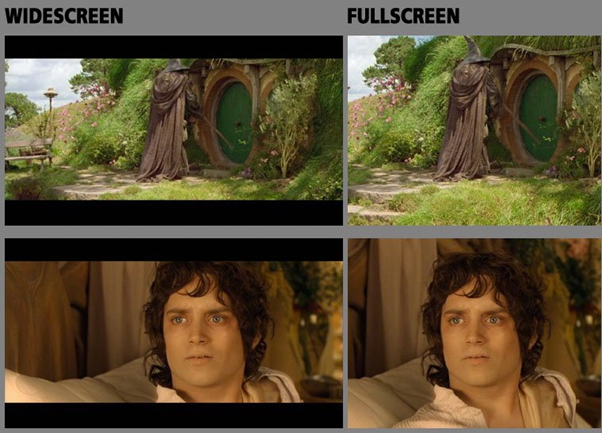
- Hor+ (Horizontal Plus): The game renders a wider field of view, horizontally expanding the image without cropping vertical content. This is generally considered the "correct" widescreen implementation.
- Vert- (Vertical Minus): The game crops the top and bottom portions of the 4:3 image and then zooms in, effectively reducing the vertical field of view to fit a 16:9 aspect ratio.
- Hor+ and Vert-: A combination, where some horizontal expansion occurs, but there’s also some vertical cropping and zooming.
The vast majority of PS2 games offering widescreen modes opted for the "Vert-" approach. This decision was often a pragmatic one, driven by the same VRAM and performance constraints that influenced framerate targets. Zooming and scaling were computationally "free" on the GS, and cropping parts of the image ensured that the render targets still fit within the 4MB GS VRAM. Implementing "Hor+" widescreen required developers to render more of the game world horizontally, potentially increasing the horizontal resolution and thus demanding more VRAM and processing power – resources the PS2 already struggled with. Games like Tekken 5 and the Ratchet & Clank and Jak and Daxter series famously utilized "Vert-" widescreen, where characters appeared larger, and parts of the environment were cropped from the top and bottom, offering a "quasi-widescreen" experience rather than a true expansion of the view. The PS2’s reliance on CRT blending to mask lower resolutions also meant that significantly increasing horizontal resolution for Hor+ could expose visual deficiencies if not carefully managed.
Progressive Scan: A Glimpse into the Future of Display Technology
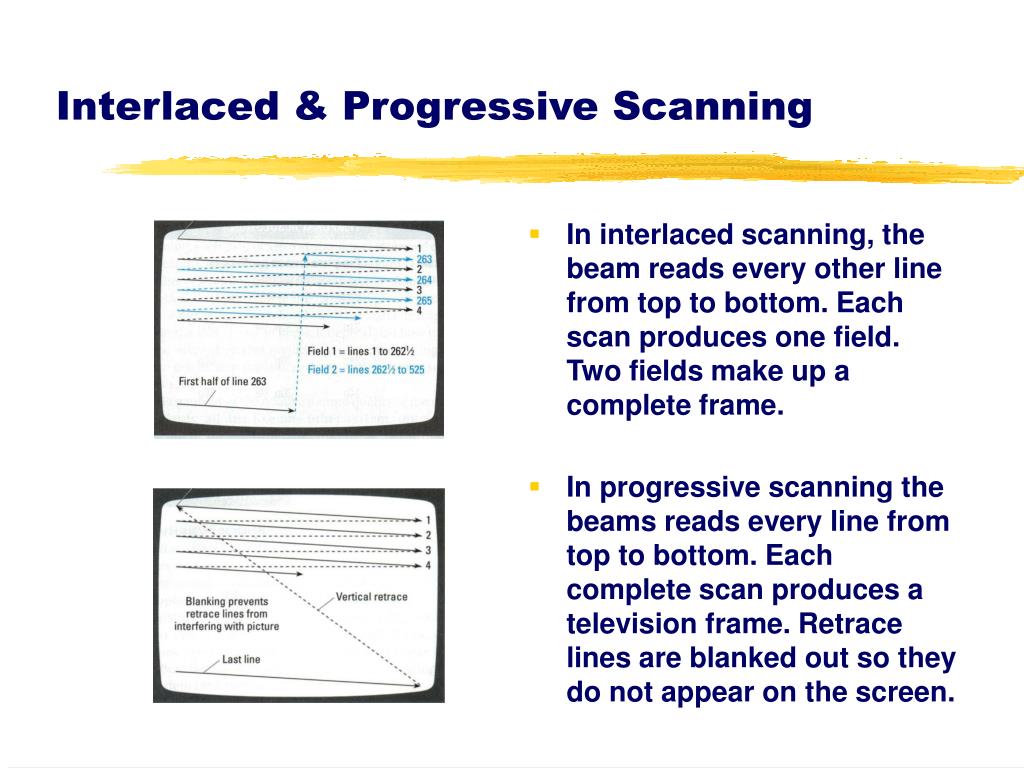
The PS2 arrived towards the twilight years of the CRT’s dominance. As manufacturers anticipated the transition to digital television (DTV), they introduced "Enhanced-definition television" (EDTV) CRTs. These advanced SDTVs supported progressive scan display modes, offering 480p (NTSC) or 576p (PAL) signals. Unlike interlaced video, progressive scan draws every line of the image in sequence, eliminating interlacing artifacts and providing full-height backbuffers.
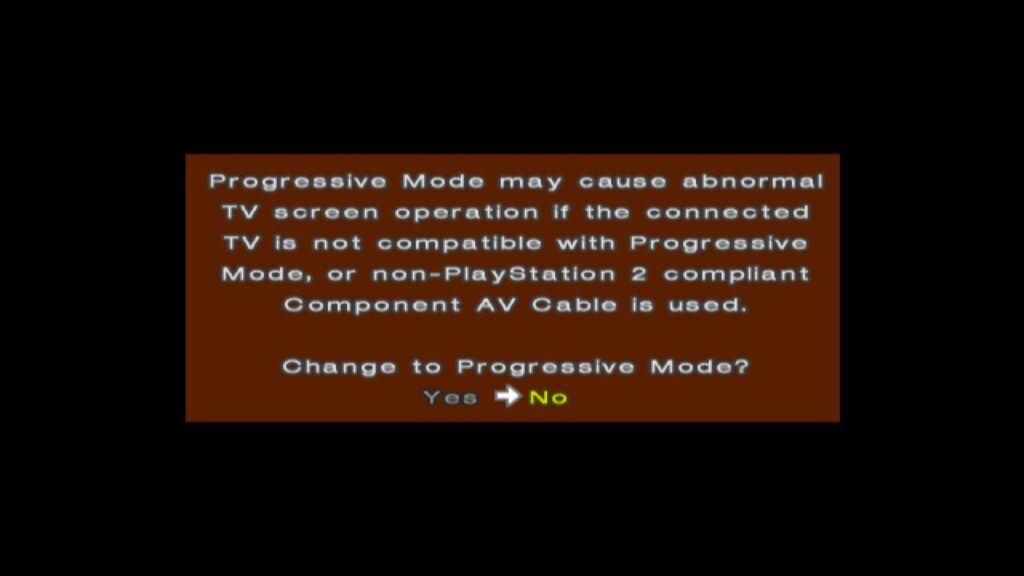
To utilize progressive scan, users needed either component cables (in NTSC regions) or RGB SCART cables (in Japan and Europe), as composite and RF-AV connections lacked the bandwidth for this feature. Games supporting progressive scan typically offered an option to enable it by holding specific button combinations (e.g., X and Triangle) at startup. While progressive scan generally delivered a cleaner, artifact-free image, some games made a trade-off: to accommodate the full-frame buffer within the GS’s 4MB eDRAM, they might reduce the framebuffer depth to 16 bits per pixel (bpp) or lower. This could result in subtle color banding, though for most users, the benefits of progressive scan outweighed this minor visual compromise.
Certain titles, like Valkyrie Profile 2 and Gran Turismo 4, even boasted "1080i" progressive scan modes. However, this was a technical illusion rather than true 1920×1080 resolution. Gran Turismo 4, for instance, rendered internally at 640×540. The GS’s Cathode Ray Tube Controller (CRTC) then magnified this image using a horizontal magnification integer (MAGH) of 3 (640 3 = 1920) and a vertical magnification integer (MAGV) of 2 (540 2 = 1080) or interlaced framebuffer switching to simulate a 1080i output. On a CRT, this clever scaling likely appeared convincing, but on modern displays, the native 480p progressive scan mode often provides a superior image.
Regional Disparities: The Enduring PAL/NTSC Divide
For European gamers, the PS2 era was complicated by the persistent PAL/NTSC divide. Europe utilized PAL signal CRT TVs, operating at 50Hz, while Japan and America adhered to the NTSC standard at 60Hz. This regional difference led to significant issues for European releases. Many early PS2 games in PAL territories suffered from a 16.9% reduction in framerate (50Hz vs. 60Hz) and often displayed with letterboxing, a consequence of PAL’s higher vertical resolution (e.g., 576i) not being fully utilized by games designed for NTSC’s 480i.
Unlike the Sega Dreamcast, which often offered a "PAL60" mode for a 60Hz experience on compatible TVs, Sony explicitly chose not to back PAL60 as a standard for the PS2. This decision meant that most PS2 launch titles in Europe were locked to 50Hz. While some UK developers like Psygnosis (known for Wipeout and Destruction Derby) and Core Design (Tomb Raider) made efforts to optimize PAL versions, often rendering more scanlines for better image quality, the games still ran slower. Developers might tweak game speeds to compensate, but the experience was generally inferior to the NTSC 60Hz versions.
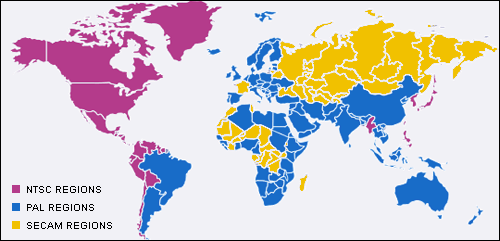
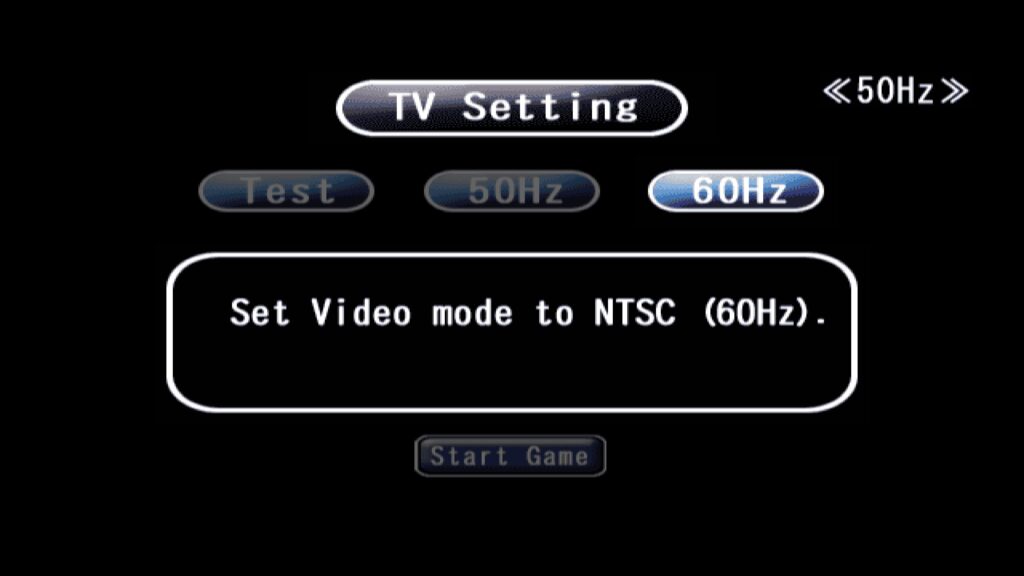
Around 2002, more PS2 games began offering 50Hz/60Hz toggles at startup, as seen in titles like ICO. However, instead of switching to a PAL60 mode, these games typically defaulted to an NTSC 480i mode. Fortunately, many European televisions sold in the late 1990s and early 2000s were multi-standard, supporting both PAL and NTSC signals, mitigating compatibility issues. Developers like Square Enix, famous for their visually rich games, faced significant challenges with this. The necessity of shipping separate 50Hz and 60Hz versions of their extensive, high-quality full-motion video (FMV) scenes often made it impractical to fit both on a single DVD, leading some titles like Final Fantasy X to remain 50Hz despite growing demand for 60Hz. Over time, however, games without these regional refresh rate selectors became the exception rather than the rule. The lack of progressive scan support in many European versions of games, such as God of War 2 and Soul Calibur 3, further highlighted the technical disparities, likely due to lower adoption rates of progressive scan-capable TVs in the region.
The Transition to Digital: LCDs, HDTVs, and the PS2’s Legacy
The mid-2000s marked a pivotal shift in consumer display technology, as the industry transitioned from CRTs to Liquid Crystal Display (LCD) and High-Definition Television (HDTV) panels. This era coincided with the preparation and launch of the seventh generation of consoles, including the PlayStation 3 and Xbox 360. For these new systems, the days of PAL vs. NTSC were largely over; HDMI connectivity promised universal 60Hz output and non-interlaced high resolutions by default, offering a vastly improved experience for European gamers. Many consumers experienced 480p or 720p images for the first time on their new HD-ready televisions.
However, this transition was not without its difficulties, particularly for older, CRT-centric consoles like the PS2. Early LCD HD-ready TVs were often plagued by high input latency and significant ghosting artifacts. Games designed with CRT characteristics in mind, such as those employing "feedback blur" for motion effects, which looked excellent on a CRT, appeared disastrous on these nascent LCD screens. Some games, like Soul Calibur 3, even included in-game settings such as "Software Overdrive" to mitigate the afterimage effects on LCDs, a testament to the developers’ awareness of these new display challenges.
The fundamental issues of latency and motion clarity, however, remained largely unaddressed for older consoles on modern displays for decades. It is only in recent years, with advancements like BlurBusters’ "CRT beam racing simulator" shaders, that modern OLED screens can finally offer a near-CRT-like experience. These sophisticated shaders, when combined with high-quality CRT emulation, allow retro gamers to enjoy the precise motion clarity and low latency reminiscent of CRTs, alongside the superior contrast and color reproduction of modern displays.
The PlayStation 2’s design was a product of its time, optimized for a television technology that was on the cusp of obsolescence. Its embedded VRAM, powerful yet peculiar Graphics Synthesizer, and the enforced 60fps targets due to interlacing dynamics all contributed to a unique development environment. The challenges of widescreen adoption and the complexities of regional video standards further underscore the intricate technical landscape of the early 21st century. Despite these constraints, the PS2 achieved unprecedented commercial success and cultivated a vast, iconic game library, solidifying its place as one of the most influential and technically fascinating consoles in video game history. Its legacy continues to be explored and appreciated as emulation and display technology strive to faithfully reproduce its intended visual experience.