Hartono Sudibyo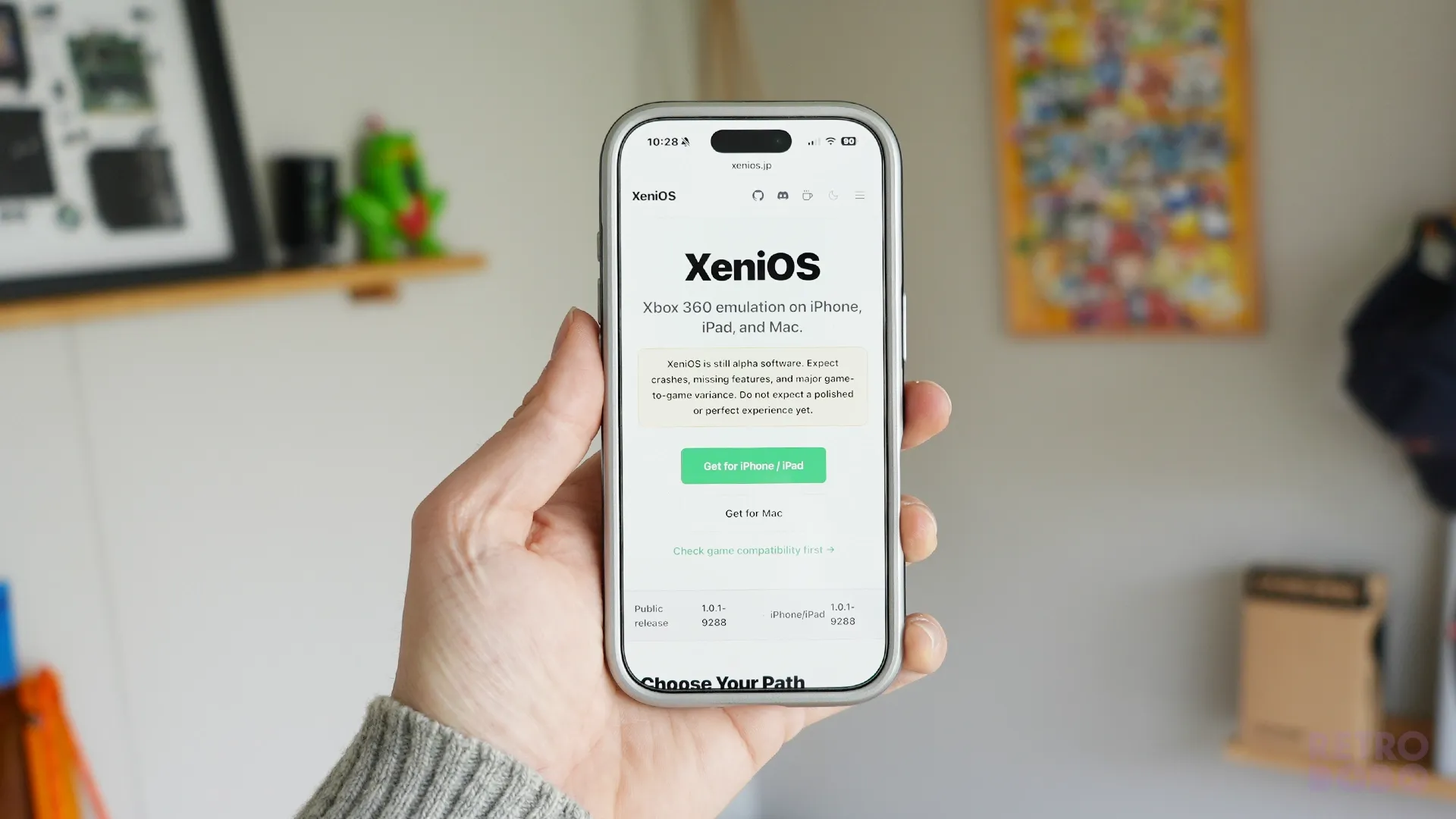
The landscape of mobile retro gaming has witnessed a significant development with the emergence of a functional Xbox 360 emulator on iOS devices. This breakthrough, achieved by an independent developer, arrives shortly after the recent debut of original Xbox emulation on Android, underscoring a renewed momentum in bringing the beloved eighth-generation consoles to handheld platforms. For years, the absence of a viable Xbox 360 emulator on smartphones and tablets has been a notable gap, a void attributed to the inherent complexities of emulating such a powerful and intricate piece of hardware. While the current implementation on iOS is far from perfect, it represents a substantial leap forward, offering a glimpse into a future where mobile devices can powerfully recreate the gaming experiences of a console generation that defined a significant era for many players.
The arduous journey of Xbox 360 emulation
Emulating the Xbox 360 has long been considered one of the most challenging frontiers in the emulation community. Unlike its predecessor, the original Xbox, which utilized a more straightforward architecture based on PC hardware, the Xbox 360 employed a custom triple-core IBM PowerPC-based CPU (codenamed Xenon) and an equally bespoke ATI (now AMD) graphics processor. This proprietary design, coupled with complex operating system elements and advanced graphics techniques, presented formidable obstacles for developers attempting to replicate its functionality on different hardware architectures. The sheer computational power required to accurately translate the Xbox 360’s internal workings into a format understandable by an iPhone or iPad’s ARM-based processor is immense. This difficulty is compounded by the need for near-perfect accuracy to ensure games run as intended, without visual glitches, audio distortions, or functional errors that would render them unplayable.
The development of the Xenia emulator for PC, a project spearheaded by a dedicated team of emulation enthusiasts in Japan, has been a testament to the perseverance required to tackle such complex emulation targets. Xenia, which has been in active development for many years, has gradually improved its compatibility and performance, allowing a growing number of Xbox 360 titles to run on desktop computers. The recent successful porting of a fork of this emulator to iOS, now known as XeniOS, represents a significant technical achievement, demonstrating that the core emulation logic can be adapted to the mobile environment.
XeniOS: A Glimpse of the Future, But With Caveats
The arrival of XeniOS on iOS is not a polished, end-user-ready application readily available on the App Store. Instead, it is a developer-focused project that requires sideloading, a process that typically involves using tools like AltStore or similar methods to install applications not distributed through Apple’s official channels. This installation procedure is described as cumbersome and technically demanding, suggesting that only the most dedicated and technically proficient enthusiasts are likely to undertake the effort. This barrier to entry is a common characteristic of early-stage emulation projects, where the focus is on demonstrating feasibility rather than user accessibility.
Upon successful installation, users can expect an experience that is very much in its nascent stages. Early reports and demonstrations, such as those by YouTuber Retro Spirit, highlight the significant challenges that remain. Gameplay footage often reveals low frame rates, graphical artifacts such as black blocks and flickering textures, and intermittent audio issues. Even on the latest and most powerful iPhone models, the performance is far from the smooth, enjoyable experience that fans of Xbox 360 games would desire. This indicates that the emulator is still heavily reliant on optimization and further refinement to achieve playable performance for a wider range of titles. The demand for constant tinkering and troubleshooting is a hallmark of early emulation, where users often become de facto testers, providing valuable feedback to developers.

The Evolving Landscape of iOS Emulation
The emergence of XeniOS on iOS is further contextualized by a broader shift in Apple’s stance on emulation. In 2025, Apple began to relax its long-standing restrictions on game emulators for iOS, paving the way for more such applications to become available to users. This policy change has already led to the successful introduction of emulators for consoles like the Nintendo 64, PlayStation Portable (PSP), and even the original Xbox. However, the Xbox 360 presents a unique set of challenges that have necessitated a more protracted development cycle. The console’s sophisticated architecture, demanding graphical capabilities, and complex software environment mean that achieving stable and performant emulation is a significantly more involved undertaking than for many older systems.
The technical hurdles associated with XeniOS are further underscored by the fact that even on high-end devices, the performance is suboptimal. This is a critical point: while the emulator technically runs Xbox 360 games, it does not yet run them at a level that can be considered "working" in the sense of an enjoyable, playable experience for the average user. Nevertheless, this early success is crucial. It serves as irrefutable proof of concept, demonstrating that the emulation of this generation of consoles is indeed becoming technically feasible on mobile hardware. For those who have eagerly awaited this possibility for years, it offers a tangible sign that their patience may soon be rewarded.
The Broader Implications for Mobile Gaming and the Emulation Community
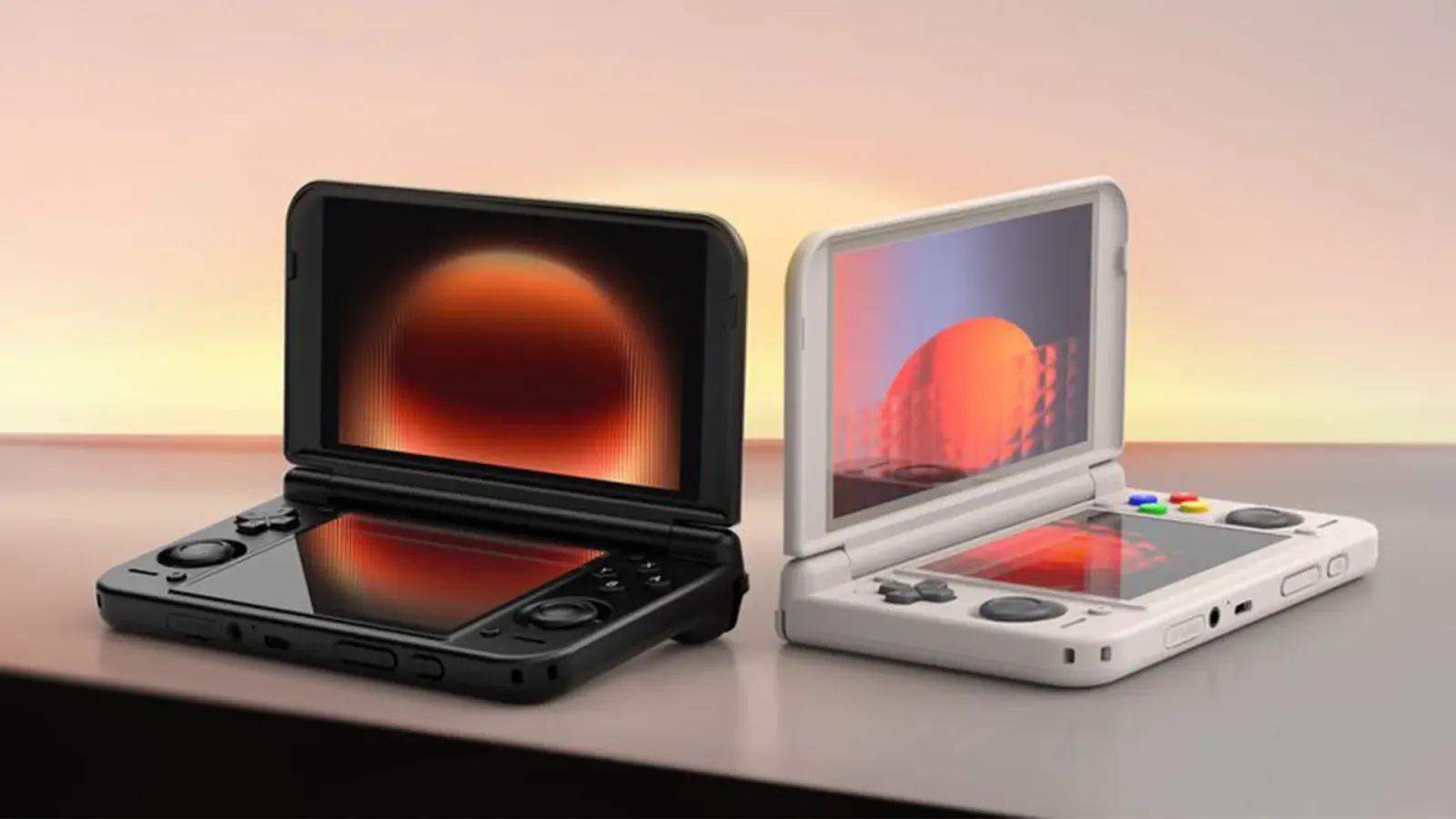
The implications of a functional Xbox 360 emulator on mobile devices extend beyond just the ability to play old games on the go. It signals a maturing of mobile hardware capabilities, demonstrating that smartphones and tablets are increasingly powerful enough to handle emulation tasks that were once confined to high-end PCs. This trend could lead to a broader acceptance and development of emulators for even more complex systems in the future. The potential for a future Android port of XeniOS is also a significant consideration, as it would broaden the reach of this technology and allow users with Android handheld gaming devices to experience the benefits.
However, the development of emulators is not without its challenges, and the broader emulation community faces significant hurdles. The article touches upon a concerning trend where developers of popular emulators are facing burnout and aggressive demands from users. The example of the Duckstation emulator’s developer ending Android support due to time constraints and negative community interactions highlights the precarious nature of volunteer-driven open-source projects. Maintaining complex emulators requires a substantial time commitment, technical expertise, and often, a significant financial investment. The pressure from users who expect constant updates and improvements for free applications can be immense and unsustainable for individual developers.
This context is crucial for understanding the significance of XeniOS’s development. It is a testament to the dedication of its creators, who are pushing the boundaries of what is possible in mobile emulation despite these broader community challenges. While the immediate performance of XeniOS may not be satisfactory for widespread adoption, its existence is a vital step. It provides a foundation for future improvements and demonstrates the technical direction in which the emulation scene is heading. The progress made so far is commendable, and it offers a hopeful outlook for mobile retro gaming enthusiasts who have long dreamed of experiencing the rich libraries of the Xbox 360 era on their smartphones and tablets. The path forward will likely involve continued optimization, community contributions, and potentially, a more structured approach to development to ensure the long-term viability of such ambitious projects. The journey is far from over, but the first, crucial steps have been taken.