Hartono Sudibyo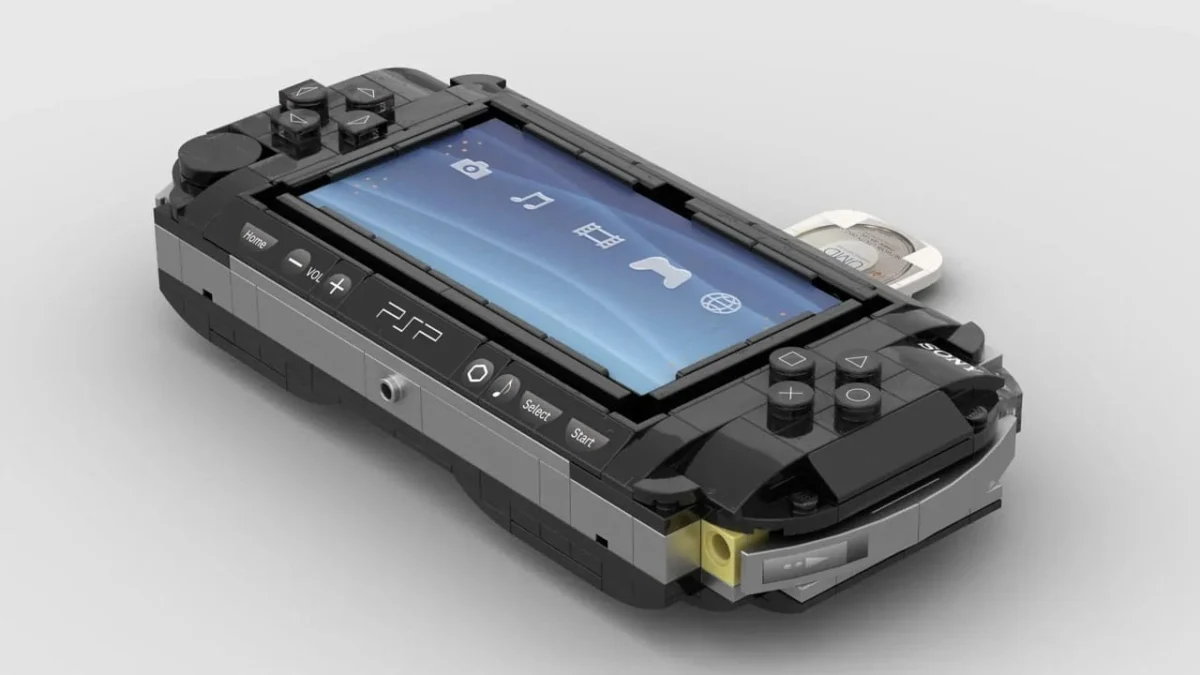
The passion for retro gaming often intertwines with beloved childhood memories, and for many, the Sony PlayStation Portable (PSP) holds a special place. Now, a meticulously crafted LEGO concept of the iconic handheld console is capturing the imagination of fans and sparking hope for its potential to become an official LEGO Ideas set. Designed by the talented builder known as yakyah, this fan-made creation meticulously recreates the distinctive aesthetics of the PSP, complete with a functional UMD drive and a miniature demo disc, offering a tangible piece of nostalgia for a new generation of builders and gamers.
The Genesis of a LEGO Dream
The inspiration behind the LEGO PSP concept appears to stem from a deep appreciation for the original hardware. The article’s author, Sebastian Santabarbara, recounts the joy of building a LEGO Game Boy and the subsequent realization that more LEGO interpretations of classic handhelds are highly desired. This sentiment is echoed by the broader retro gaming community, which often yearns for physical representations of the consoles that defined their youth. The PSP, with its sleek design and innovative features, is a prime candidate for such a tribute.
The PSP, first released by Sony Computer Entertainment in December 2004 in Japan and March 2005 in North America, was a significant entrant into the handheld gaming market. It challenged Nintendo’s dominance with its powerful hardware, capable of delivering console-like graphics on the go. Its distinctive 16:9 widescreen display, the vibrant yellow charging port, and the unique Universal Media Disc (UMD) format were all defining characteristics that yakyah has masterfully translated into LEGO form.
A Detailed Recreation: The Art of LEGO Design
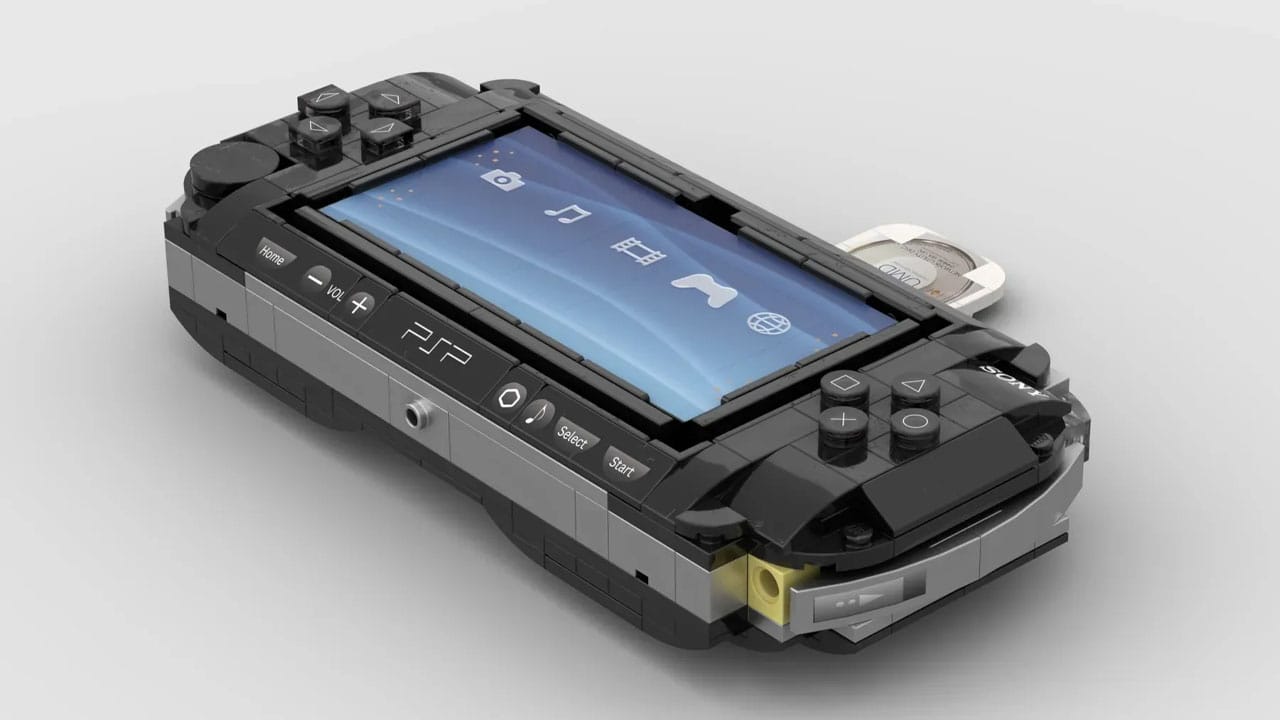
Yakyah’s LEGO PSP concept is a testament to the power of creative brick building. The design prioritizes capturing the exact curves and contours of the original console, a crucial element in achieving an authentic representation. The builder has employed advanced LEGO building techniques, specifically "slope and SNOT" (studs not on top) bricks, to achieve the smooth, rounded aesthetic that is so characteristic of the PSP. This approach allows for intricate detailing and a more realistic recreation of the console’s form factor.

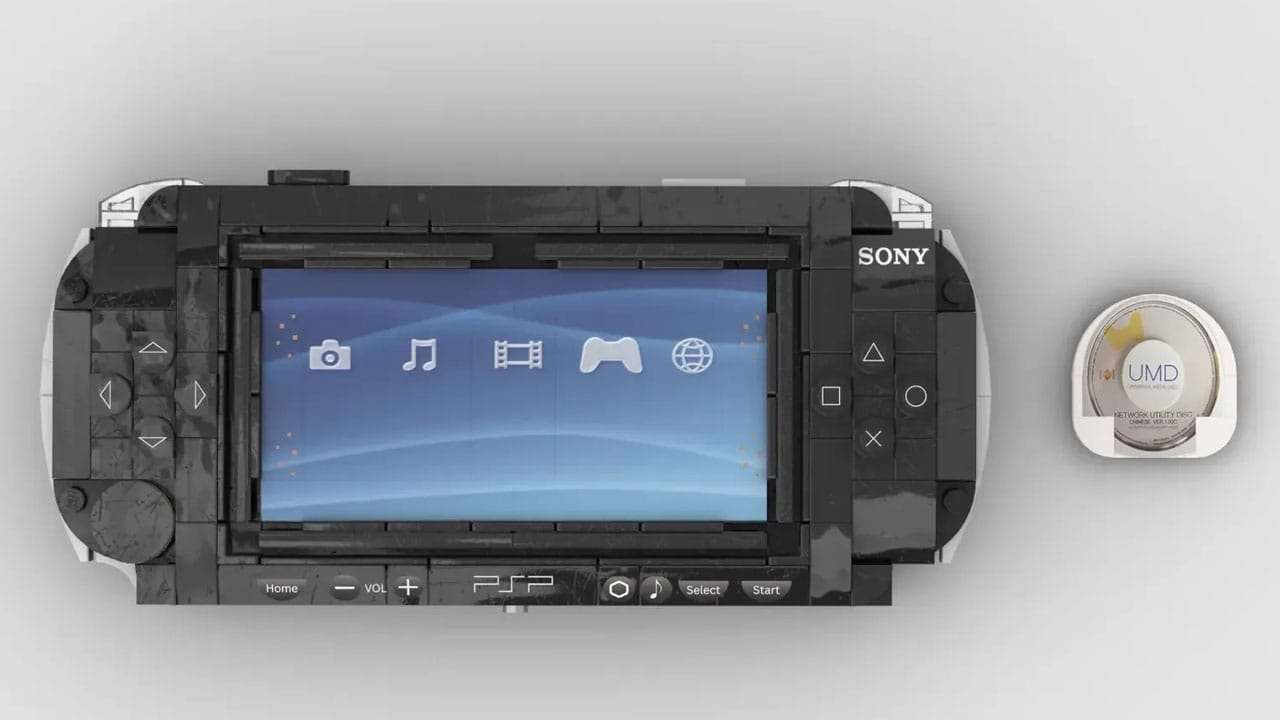
One of the most impressive features of the concept is the inclusion of a functional UMD drive. This element adds a layer of interactive realism, allowing for the insertion and removal of a miniature PSP demo disc. The attention to detail extends to the console’s control interface. The D-pad, shoulder buttons, and action buttons are all meticulously rendered, with many of these elements appearing as realistic as their real-world counterparts, despite being constructed from LEGO bricks and supplemented with stickers for finer details. This level of fidelity has undoubtedly contributed to the project’s appeal among fans.
The LEGO PSP set is estimated to comprise approximately 333 pieces. While this number suggests a moderately sized build, the complexity and detail packed into the design indicate a rewarding construction experience. The use of stickers for smaller, intricate parts is a common practice in LEGO sets to achieve finer details that might be difficult or impossible to replicate with standard bricks. However, in this concept, the stickers are applied so judiciously that they enhance the illusion of real buttons and controls.
Navigating the LEGO Ideas Platform: A Path to Production
The LEGO PSP concept is currently submitted to the LEGO Ideas platform, a unique initiative that allows fans to propose their own LEGO set designs. For a fan-made project to be considered for official production, it must first gather significant community support. The LEGO Ideas platform has a well-defined progression system designed to nurture and evaluate fan creations.
The journey begins with creators submitting their designs and descriptions. The initial hurdle is to attract 100 supporters within 60 days. Upon reaching this milestone, the project receives an additional 365 days to continue garnering support. Further extensions are granted at the 1,000 and 5,000 supporter thresholds, with an additional 182 days added at each stage. This tiered system provides ample opportunity for projects to gain traction and build momentum within the LEGO fan community.
The ultimate goal is to reach 10,000 supporters. Once this critical mass is achieved, the project is moved to the LEGO Ideas review phase. During this stage, a dedicated panel of LEGO designers, product managers, and marketing representatives meticulously evaluates the submission. They assess the project’s potential for mass appeal, its playability, its construction feasibility, and its alignment with the LEGO brand. If a project successfully navigates this rigorous review process, it has the potential to be developed into an official LEGO set available for purchase worldwide.

Context and Precedent: The Growing Trend of LEGO Gaming Sets
The emergence of the LEGO PSP concept is part of a broader trend of LEGO venturing into the realm of video game nostalgia. LEGO has increasingly recognized the significant market for gaming-themed sets, tapping into the passionate fan bases of iconic franchises. This has led to the development of popular lines such as LEGO Super Mario, LEGO Minecraft, and, more recently, sets based on classic consoles like the Nintendo Entertainment System.
The upcoming official LEGO PlayStation 1 set, a collaboration between LEGO and Sony, further underscores this burgeoning relationship. The success of these previous ventures likely bodes well for other gaming-related concepts on the LEGO Ideas platform. The inclusion of a LEGO PSP could represent a logical expansion for Sony’s presence in the LEGO universe, potentially complementing the PS1 set and catering to fans who experienced gaming during the early 2000s.
The appeal of such sets lies in their ability to evoke strong nostalgic connections. For many adults who grew up with these consoles, building a LEGO version offers a dual sense of satisfaction: the joy of constructing with LEGO and the emotional resonance of reconnecting with a cherished piece of their past. Furthermore, these sets serve as excellent display pieces, allowing fans to showcase their passion for gaming in a unique and creative way.
Analysis of Implications: Potential Impact on the Market and Community
The potential for yakyah’s LEGO PSP concept to become an official set carries several significant implications. Firstly, it would represent a substantial win for the LEGO Ideas community and fan designers. It validates the platform’s ability to identify and develop popular fan-driven ideas into commercially viable products. The success of this project could inspire more creators to submit innovative and nostalgic designs, further enriching the LEGO Ideas portfolio.
Secondly, for Sony, a LEGO PSP set could be a strategic move to engage with a broader audience and reinforce its brand presence in a novel way. It offers a unique opportunity to connect with consumers who appreciate retro gaming and the craftsmanship of LEGO. Such a product could tap into the nostalgia market, potentially driving sales and generating positive brand sentiment.
From a market perspective, the introduction of a LEGO PSP would cater to a growing segment of consumers interested in collectible and displayable LEGO sets. The success of existing retro gaming LEGO sets suggests a healthy demand for such products. A LEGO PSP, with its distinct design and the appeal of the original console, is well-positioned to capture a significant share of this market.
The financial implications for yakyah, the designer, would also be substantial. Upon a project’s approval and subsequent release as an official LEGO set, the original creator receives a percentage of the sales revenue and is recognized for their contribution. This can be a life-changing opportunity for aspiring designers and a testament to the power of creativity and community support.
Community Reactions and Future Prospects
While official statements from Sony or LEGO regarding yakyah’s specific PSP concept have not been released, the sentiment within the retro gaming and LEGO fan communities appears overwhelmingly positive. Social media discussions and fan forums are abuzz with excitement and support for the project, with many individuals expressing their desire to see it become a reality.
The author’s personal endorsement, stemming from his positive experience with a LEGO Game Boy, further amplifies the project’s appeal. This kind of enthusiastic backing from influencers within relevant communities is crucial for building momentum on the LEGO Ideas platform.
The future of the LEGO PSP concept now rests with the LEGO Ideas review board and the broader fan community. The project’s success in reaching the 10,000-supporter milestone is a critical first step. If it garners sufficient votes, the rigorous evaluation process will then determine its fate. Given the detailed design, the strong nostalgic appeal of the PSP, and the growing success of LEGO gaming sets, there is considerable optimism that this fan-made dream could very well materialize into a tangible LEGO product.
Fans eager to support yakyah’s creation can visit the official LEGO Ideas project page to cast their vote and contribute to its potential realization. The journey of a LEGO Ideas project is a fascinating interplay of creativity, community, and corporate decision-making, and the LEGO PSP concept stands as a compelling example of a fan’s vision brought to life, brick by brick, with the hope of becoming an official part of LEGO’s celebrated catalog.