
 Jia Lissa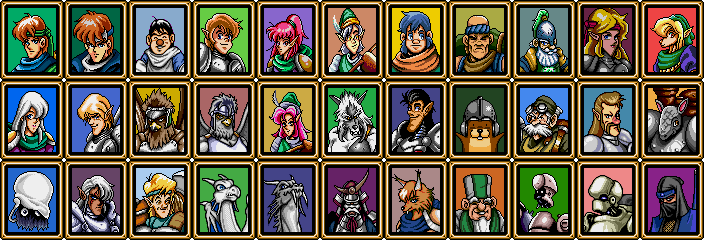
The release of Shining Force in March 1992 marked a pivotal moment in the history of Sega and the evolution of the role-playing game (RPG) genre on home consoles. Developed by Climax Entertainment and the newly formed Sonic Co., Ltd., the title followed the successful 1991 debut of Shining in the Darkness. While its predecessor was a first-person dungeon crawler, Shining Force expanded the franchise’s scope into a tactical, grid-based strategy RPG that would define the series for decades. This shift in gameplay style was not merely a creative whim but a calculated effort by lead designer Hiroyuki Takahashi to modernize a genre he felt was becoming stagnant. The development of Shining Force was characterized by technical innovation, internal corporate restructuring, and a strained relationship between the independent developers and their publisher, Sega.
The Strategic Vision of Hiroyuki Takahashi
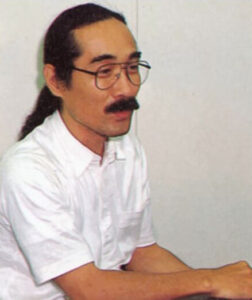
Before founding Climax Entertainment in April 1990, Hiroyuki Takahashi had cultivated a deep understanding of the RPG market during his tenure at Enix and Chunsoft, where he worked on the iconic Dragon Quest series. By the early 1990s, Takahashi observed a growing fatigue among players regarding traditional turn-based combat. He believed that the standard "menu-driven" battles lacked the dynamic engagement necessary for the next generation of hardware.
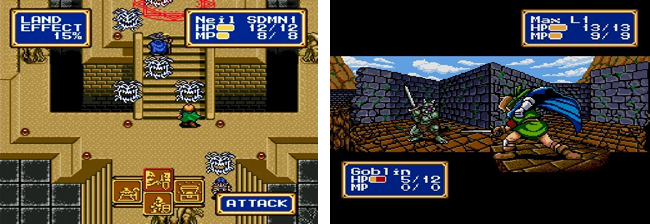
Takahashi sought to integrate elements of simulation and strategy into the RPG framework. While many historians point to Nintendo’s Fire Emblem as a potential influence, Takahashi has explicitly stated that he found the pacing of that title to be suboptimal. Instead, he drew inspiration from the 1988 PC88 title Silver Ghost, developed by Kure Software Koubou. Silver Ghost featured a real-time management system for multiple characters, which Takahashi believed could be adapted into a more refined, turn-based tactical system. His goal was to introduce the concept of "distance" and "terrain" into combat, forcing players to consider formations and positioning rather than simply selecting commands from a static menu.
The Formation of Sonic Co., Ltd. and Corporate Synergy
As the complexity of RPG development increased, Takahashi recognized that Climax Entertainment lacked the manpower to produce titles at the frequency Sega required. In June 1991, a joint venture was established between Sega and Takahashi to create Sonic Co., Ltd. This new entity was designed to handle planning, market research, and software marketing, allowing Climax to focus on the technical aspects of development.
Sega invested 40 million yen into the venture, retaining an 85 percent ownership stake, while Climax held 6.25 percent and Takahashi personally held four percent. The company was named after Sega’s new mascot, Sonic the Hedgehog, following a trend established by Nintendo, which had affiliates named after its own characters. The creation of Sonic Co., Ltd. brought in specialists from other industries, such as manga editor Kenji Orimo, who served as a Director. Orimo’s experience in the manga industry was vital for recruiting high-level artists and storytellers, ensuring that the narrative and visual fidelity of Shining Force would meet the high standards of the Japanese market.
Technical Innovation and the 12-Megabit Frontier
At the start of development, the team considered creating a "simple" RPG for the Game Gear or a low-memory cartridge for the Mega Drive. However, Takahashi and his team quickly realized that a scaled-back project would betray the expectations of their growing fanbase. The project subsequently evolved into a massive 12-megabit production, the largest cartridge size for a Sega Genesis game at that time.
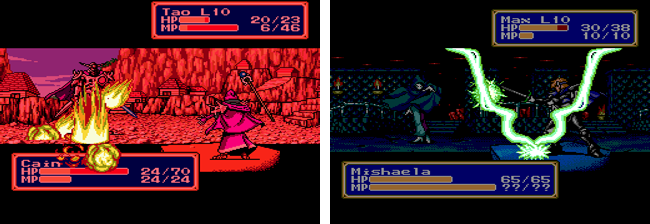
The primary technical challenge lay in the combat animations. Takahashi insisted on high-frame-count, full-screen battle sequences that felt cinematic. This requirement put immense pressure on the 68000 processor and the console’s limited Video RAM (VRAM). To overcome these hurdles, programmer Yoshinori Tagawa and his team developed sophisticated data compression routines. While standard industry compression typically reached a 50 percent reduction rate, the Climax team achieved an unprecedented 22 percent rate. This allowed the game to feature over 30 playable characters and a diverse array of enemies, each with unique attack patterns and "promoted" class animations, without sacrificing visual detail.
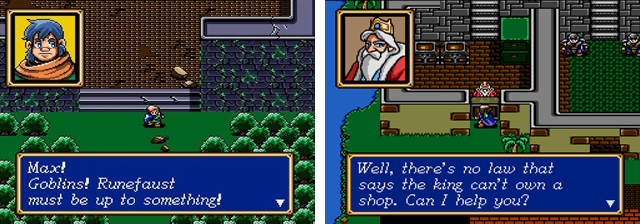
The artificial intelligence (AI) was another area of significant advancement. Takahashi wanted enemies to react quickly and intelligently to player movements. The final AI system could calculate optimal moves—including healing, magic use, and physical strikes—in under one second, ensuring that the tactical pace remained brisk and challenging.
Narrative Depth and the World of Rune
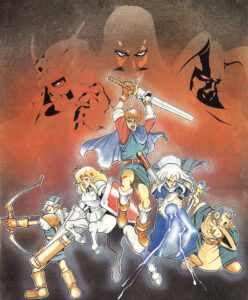
Shining Force was conceived as a prequel to Shining in the Darkness, set on the dual continents of East and West Rune. The plot centers on Max, a young knight with a mysterious past, who leads a diverse group of warriors known as the "Shining Force" to prevent the resurrection of the Dark Dragon by the sorcerer Darksol.
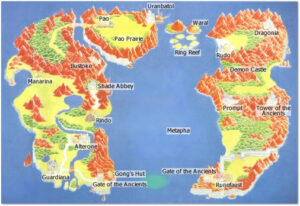
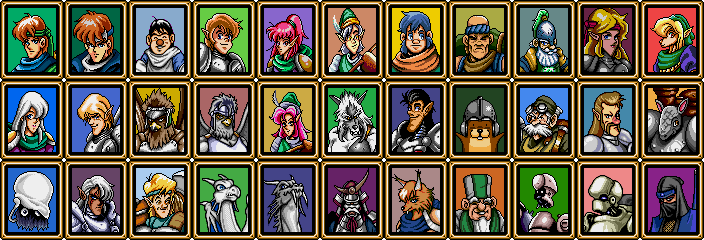
Scenario writer Masaki Wachi was tasked with bridging the gap between the dungeon-crawling lore of the first game and the expansive world-building of the second. The narrative was divided into eight chapters, each featuring scripted events and tactical battles. Unlike many RPGs of the era, which focused solely on the protagonist, Shining Force featured an ensemble cast of 30 characters across 10 different races, including centaurs, birdmen, and giants.
Character designer Yoshitaka Tamaki opted for a more realistic manga style compared to the "Disney-like" caricatures of Shining in the Darkness. This shift reflected the game’s more serious tone, which touched upon themes of war, loss, and political betrayal. Tamaki’s dedication was legendary; he often worked to the point of exhaustion, designing not only the primary heroes but also their promoted versions and the vast array of monsters they faced.
The Enigma of the Soundtrack
The audio for Shining Force was composed by Masahiko Yoshimura, who had previously scored Shining in the Darkness. Yoshimura utilized the Genesis’s FM synthesis to create a soundtrack that ranged from regal town themes to urgent, percussion-heavy battle tracks. However, Yoshimura was notoriously dissatisfied with the hardware’s ability to replicate his compositions.
Following the release of Shining Force, Yoshimura largely disappeared from the video game industry. Subsequent titles in the series were handled by Motoaki Takenouchi. Yoshimura’s legacy remains preserved through "Sound Story" CD releases, where he rearranged his themes with full orchestration to reflect his original vision for the music.
Marketing, Launch, and the 1992 CES
The push to complete Shining Force was grueling. Takahashi declared a state of emergency at the studio to meet the deadline for the 1992 Winter Consumer Electronics Show (CES) in Las Vegas. Developers worked 18-hour days, often sleeping at the office, to ensure the ROM was ready for production by December 1991.
In Japan, Sega and Famitsu magazine organized large-scale preview events known as the "Shining Force First Party." These events allowed hundreds of fans to test the game on Mega Drive kiosks. The marketing campaign also included a high-budget television commercial featuring live-action miniatures and a manga adaptation by Toshihiro Ono, titled Authentic Story of Saint Fencer Max.

Sales Performance and Industry Impact
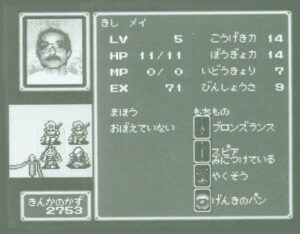
Upon its release on March 27, 1992, Shining Force received critical acclaim for its accessibility and visual flair. Despite the praise, historical data suggests the game sold approximately 200,000 units worldwide. While respectable, this figure was lower than that of Shining in the Darkness. Analysts attribute this to the niche status of strategy games in the West at the time and the confusion regarding the game’s relationship to its predecessor.
However, the long-term impact of Shining Force far outweighed its initial sales figures. It proved that tactical RPGs could be successful on home consoles, paving the way for future hits like Final Fantasy Tactics and Disgaea. The game has since been re-released on numerous platforms, including the Wii Virtual Console, PlayStation 3, and Xbox 360, cementing its status as a foundational title of the 16-bit era.
Fractured Relationships and the End of an Era
Despite the success of the Shining franchise, the relationship between Climax and Sega began to deteriorate. Hiroyuki Takahashi noted that as Sega grew into a global powerhouse, its management became more profit-driven and less supportive of independent creative units. The budgets for Climax titles remained stagnant despite their proven sales potential.
This friction eventually led to the franchise moving away from Takahashi’s direct control. While Climax and Sonic Co. would go on to develop the Shining Force III trilogy for the Sega Saturn—a project famous for its ambitious three-scenario structure—the series ultimately found a new home at Sega’s internal studios. The Dreamcast famously became the only major Sega platform to never receive a Shining Force installment, a testament to the fractured state of the partnership during that era.
Conclusion and Legacy
Shining Force remains a landmark achievement in game design, representing a perfect synergy of narrative ambition and technical prowess. By challenging the conventions of the RPG genre, Hiroyuki Takahashi and his team at Climax created a template for tactical combat that is still studied by developers today. The game’s rich world, memorable cast, and sophisticated AI elevated the Mega Drive’s library and provided a blueprint for the "Shining" brand that continues to exist in various forms under Sega’s ownership. For many gamers, the original 1992 release remains the definitive tactical experience, a "shining" example of 16-bit creativity at its peak.








