Hartono Sudibyo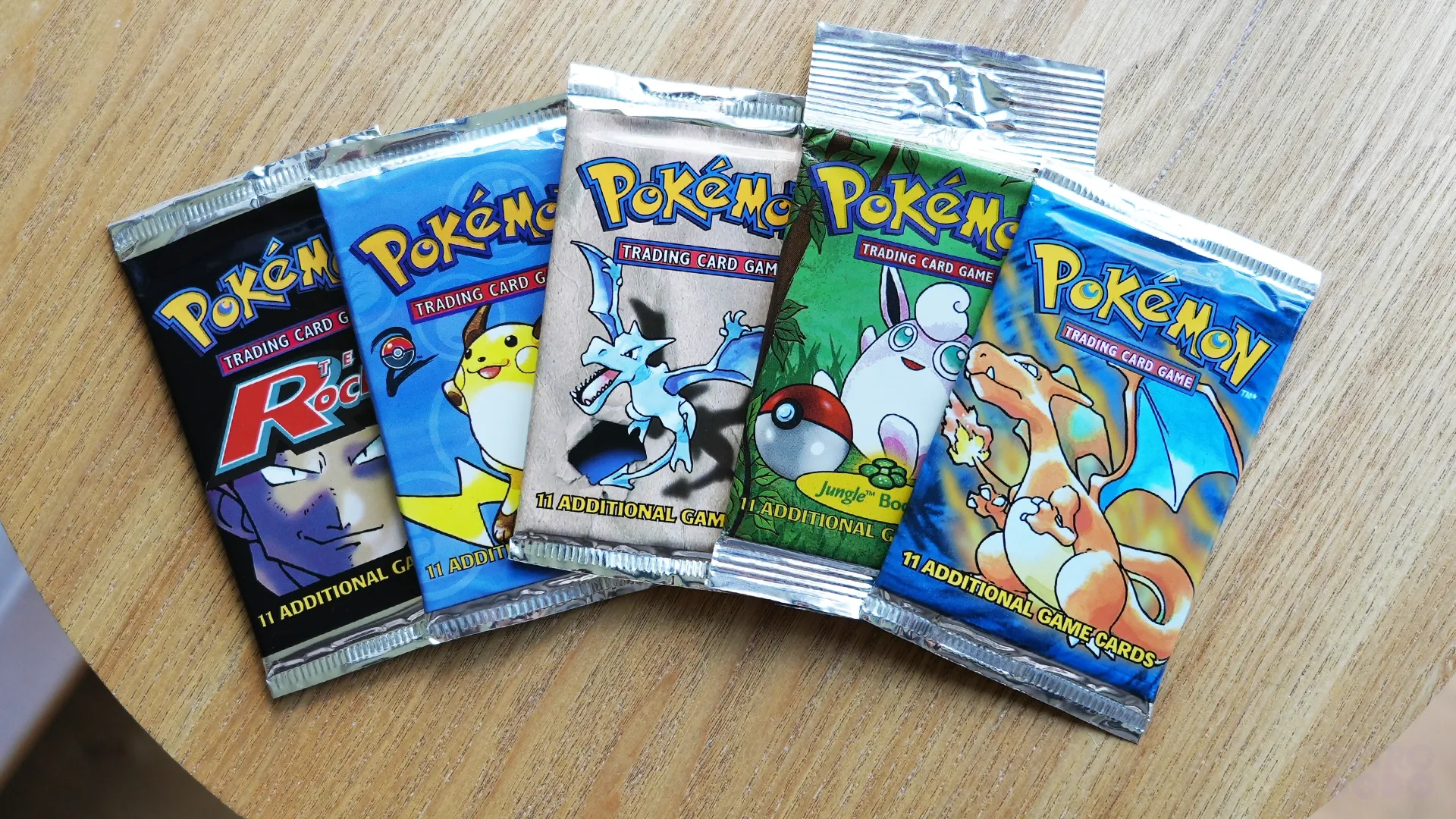
My journey into the vibrant world of Pokémon TCG collecting began in 1999, a formative experience sparked by a trip to a local newsagent in the United Kingdom with my father. It was there that I acquired my first Base Set booster pack, a seemingly ordinary purchase that yielded an extraordinary reward: a holographic Machamp. Decades later, this passion has evolved, now shared with my own children as we explore new Pokémon, discover innovative illustrators, and marvel at the ever-expanding universe of card types. This deep-seated dedication has fueled an ambitious, albeit costly, endeavor: to collect at least one booster pack from every single Pokémon TCG set released. To manage this personal quest and to assist fellow collectors embarking on their own Pokémon TCG adventures, I have meticulously compiled this comprehensive list, deliberately excluding promotional sets.
The Genesis of a Global Phenomenon: Early Years of the Pokémon TCG
The Pokémon Trading Card Game (TCG) first debuted in Japan in 1996, quickly becoming a cultural touchstone. Its arrival in North America and Europe in 1999, spearheaded by Wizards of the Coast (WotC), marked the beginning of a global craze. The initial release, known as the Base Set, was instrumental in establishing the game’s mechanics and introducing iconic Pokémon to a worldwide audience.
Base Set (1999 – 2000)
The inaugural set, released between 1999 and 2000, laid the foundation for the entire Pokémon TCG. This foundational set featured 102 cards, including the highly sought-after holographic Charizard, Blastoise, and Venusaur. The rarity and iconic status of these cards have made them cornerstones of many collections and a significant driver of the early market for Pokémon cards. The Base Set was later re-released as Base Set 2 in 2000, combining cards from the original Base Set and the Jungle expansion.
![All Pokémon TCG Sets In Order [Full English List]](https://storage.ghost.io/c/58/fd/58fdc82a-ad84-44e2-ad58-166d1b419bc4/content/images/size/w1200/2026/04/pokemon-tcg-sets-list.webp)
Jungle (1999)
Following closely on the heels of the Base Set, the Jungle expansion introduced an additional 64 cards to the TCG. This set is notable for featuring a variety of Grass-type Pokémon and introducing new mechanics. The holographic Flareon, Jolteon, and Vaporeon are particularly memorable from this expansion.
Fossil (1999)
The Fossil expansion, also released in 1999, added another 62 cards to the growing TCG universe. This set introduced Pokémon fossils and brought popular Pokémon like Aerodactyl, Gengar, and Lapras into the fray. The holographic Zapdos, Articuno, and Moltres are highly prized by collectors.
The WOTC Era: Innovation and Expansion
Wizards of the Coast continued to innovate and expand the Pokémon TCG throughout the late 1990s and early 2000s, introducing diverse themes and mechanics that kept collectors engaged.
Team Rocket (2000)
This expansion brought the nefarious Team Rocket into the TCG, introducing Dark Pokémon, which possessed unique abilities and played a significant role in the game’s competitive meta. The Dark Charizard holographic card is a standout from this set.
![All Pokémon TCG Sets In Order [Full English List]](https://www.gravatar.com/avatar/12b320545673355758628cfdf8eadc95?s=250&r=x&d=mp)
Gym Heroes (2000)
Gym Heroes introduced cards based on the Pokémon Gym Leaders from the video games, allowing players to incorporate iconic characters like Brock, Misty, and Erika into their decks. This set featured 132 cards, with notable holographic cards including Blaine’s Charizard and Misty’s Gyarados.
Neo Genesis (2000 – 2002)
The Neo Genesis set marked a significant turning point as it introduced the first generation of new Pokémon from the Johto region. This expansion included 111 cards and was the first to feature Steel and Dark Energy types. The holographic Typhlosion, Meganium, and Feraligatr are highly sought after from this set.
Neo Discovery (2001)
Neo Discovery continued the introduction of Johto Pokémon, adding 75 new cards to the TCG. This set is known for its focus on Fossil Pokémon and the introduction of Unown. The holographic Espeon and Umbreon are iconic cards from this expansion.
Neo Revelation (2001)
Neo Revelation brought 65 new cards to the TCG, further expanding the Johto Pokedex. This set is recognized for the introduction of the Legendary Beasts: Raikou, Entei, and Suicune, all of which have highly collectible holographic versions.
![All Pokémon TCG Sets In Order [Full English List]](https://storage.ghost.io/c/58/fd/58fdc82a-ad84-44e2-ad58-166d1b419bc4/content/images/size/w1600/2026/04/pokemon-tcg-sets-list.webp)
Neo Destiny (2002)
The final main expansion of the Neo series, Neo Destiny, introduced 113 cards and featured the highly collectible "Shining" Pokémon. These rare cards, such as Shining Charizard and Shining Mewtwo, are among the most valuable and sought-after in the WOTC era.
Legendary Collection (2002)
The Legendary Collection set was a unique release that combined cards from previous WOTC expansions. It featured 110 cards, with a special "Reverse Holo" treatment on many of the cards, where the holographic foil was applied to everything except the Pokémon’s artwork.
E-Card Series (2002 – 2003)
The E-Card series, comprising the Expedition, Skyridge, and Aquapolis sets, introduced a new era of Pokémon TCG design and gameplay. These sets were notable for their integration with the Nintendo e-Reader peripheral, allowing for special in-game features. Skyridge holds the distinction of being the final Pokémon TCG set printed by Wizards of the Coast, marking the end of their stewardship of the franchise’s card game in the Western market.
The Transition to Nintendo and the EX Era
Following the expiration of Wizards of the Coast’s license, The Pokémon Company International took over the production of the Pokémon TCG, ushering in a new era of design and strategy.
![All Pokémon TCG Sets In Order [Full English List]](https://storage.ghost.io/c/58/fd/58fdc82a-ad84-44e2-ad58-166d1b419bc4/content/images/2026/04/base-set-pokemon-tcg-sets.webp)
EX Ruby & Sapphire (2003 – 2006)
The EX Ruby & Sapphire era marked the beginning of Pokémon-EX cards, which were significantly more powerful but also carried higher risk for the player who fielded them. This era included numerous sets such as EX Sandstorm, EX Dragon, EX Team Magma vs. Team Aqua, EX Hidden Legends, EX FireRed & LeafGreen, EX Emerald, EX Unseen Forces, EX Delta Species, EX Legend Maker, EX Crystal Guardians, EX Dragon Frontiers, and EX Power Keepers. These sets introduced Pokémon from the Hoenn region and introduced mechanics like Pokémon Tool cards.
EX Power Keepers (2006)
This set was the final in the EX series and served as a bridge to the next generation of Pokémon TCG releases. It featured powerful Pokémon and Trainer cards, making it a notable set for collectors and players alike.
The Diamond & Pearl, Platinum, and HeartGold & SoulSilver Eras
These successive eras continued to introduce new Pokémon and mechanics, building upon the established gameplay of the TCG.
Diamond & Pearl (2007 – 2008)
The Diamond & Pearl era brought Pokémon from the Sinnoh region into the TCG. Sets in this era included Diamond & Pearl, DP Promos, Mysterious Treasures, Secret Wonders, Great Encounters, and Majestic Dawn. This period saw the introduction of the "SP" (Special) Pokémon, which were powerful cards associated with Team Galactic.
![All Pokémon TCG Sets In Order [Full English List]](https://storage.ghost.io/c/58/fd/58fdc82a-ad84-44e2-ad58-166d1b419bc4/content/images/2026/04/pokemon-gym-heroes-booster-pack.webp)
Platinum (2009)
The Platinum expansion and its associated sets, such as Rising Rivals and Supreme Victors, focused on the Legendary Pokémon Dialga and Palkia. This era continued to develop the SP Pokémon mechanic and introduced new Trainer cards.
HeartGold & SoulSilver (2010)
This era celebrated the release of the HeartGold and SoulSilver video games by reintroducing classic Pokémon from the Johto region with updated mechanics and artwork. Sets like HeartGold & SoulSilver, Invasion of the Chaos, Unleashed, Undaunted, and Triumphant were part of this nostalgic and highly collectible series.
The Black & White, XY, and Sun & Moon Eras: A New Generation of Pokémon
With the introduction of the Unova, Kalos, and Alola regions, the Pokémon TCG continued to evolve, introducing new gameplay mechanics and aesthetic designs.
Black & White (2011 – 2013)
The Black & White era marked the beginning of the Unova region’s Pokémon. This period included sets such as Black & White, Next Destinies, Dark Explorers, Triumphant, Noble Victories, Emerging Powers, Dragons Exalted, Boundaries Crossed, and Plasma Storm. A key feature of this era was the introduction of "Full Art" cards, which displayed artwork across the entire card.
![All Pokémon TCG Sets In Order [Full English List]](https://storage.ghost.io/c/58/fd/58fdc82a-ad84-44e2-ad58-166d1b419bc4/content/images/2026/05/pokemon-tcg-xy-sets.webp)
XY (2014 – 2016)
The XY era introduced Pokémon from the Kalos region and brought back the popular Mega Evolution mechanic from the video games. Sets like XY, Flashfire, Furious Fist, Primal Clash, Roaring Skies, Double Crisis, Treacherous Seas, Ancient Origins, Breakthrough, Break Point, and Generations were part of this expansive series. The introduction of "BREAK" Pokémon cards added another layer of strategic depth.
Sun & Moon (2017 – 2019)
This era focused on the Alola region and introduced the Z-Move mechanic. Key sets included Sun & Moon, Guardians Rising, Burning Shadows, Crimson Invasion, Ultra Prism, Forbidden Light, Celestial Storm, Lost Thunder, Team Up, Detective Pikachu, and Unbroken Bonds. This period also saw the introduction of "Alternate Art" cards, which became highly sought after by collectors for their unique artistic styles.
The Sword & Shield and Scarlet & Violet Eras: The Modern Age of Pokémon TCG
The most recent eras have continued to expand the Pokémon TCG with new mechanics, regional expansions, and a continued focus on collectible artwork.
Sword & Shield (2020 – 2023)
The Sword & Shield era brought Pokémon from the Galar region into the TCG. This era introduced the "Pokémon V" and "Pokémon VMAX" mechanics, offering powerful new card types. Notable sets include Sword & Shield, Rebel Clash, Vivid Voltage, Battle Styles, Chilling Reign, Evolving Skies, Fusion Strike, Brilliant Stars, Astral Radiance, Lost Origin, Silver Tempest, and Crown Zenith. This period also saw the release of numerous special sets and collaborations, further diversifying the collectible market.
![All Pokémon TCG Sets In Order [Full English List]](https://storage.ghost.io/c/58/fd/58fdc82a-ad84-44e2-ad58-166d1b419bc4/content/images/2026/05/pokemon-tcg-sun-moon-sets.webp)
Scarlet & Violet (2023 – 2025)
The current era, based on the Paldea region, has introduced "Terastal" Pokémon and the "Ancient" and "Future" card types. Sets such as Scarlet & Violet, Paldea Evolved, Obsidian Flames, Paradox Rift, Temporal Forces, and Twilight Masquerade continue to expand the TCG’s offerings. The focus on unique illustrations and storytelling within these sets has maintained the TCG’s appeal to both players and collectors.
Mega Evolution (2025 – 2027)
This speculative future era, based on the name provided, would likely focus on the highly popular Mega Evolution mechanic, potentially reintroducing it with new gameplay elements and card designs. Such an expansion would undoubtedly generate significant excitement among long-time fans of the franchise.
The Enduring Appeal and Economic Impact of the Pokémon TCG
The Pokémon TCG has transcended its status as a mere children’s game to become a significant cultural and economic force. The demand for rare and vintage cards, particularly those from the WOTC era, has driven market values to unprecedented heights. Graded cards, such as a pristine first-edition holographic Charizard, have sold for millions of dollars, underscoring the TCG’s appeal as a high-value collectible.
The continued innovation in card design, the introduction of new Pokémon and mechanics, and the enduring nostalgia associated with the franchise all contribute to the sustained popularity of the Pokémon TCG. The meticulous collection of every booster pack from every set represents a monumental undertaking, a testament to the passion and dedication of the global Pokémon TCG community. This comprehensive chronicle serves as a roadmap for those embarking on similar journeys, offering a structured overview of the rich and evolving history of the Pokémon Trading Card Game.