
 Hartono Sudibyo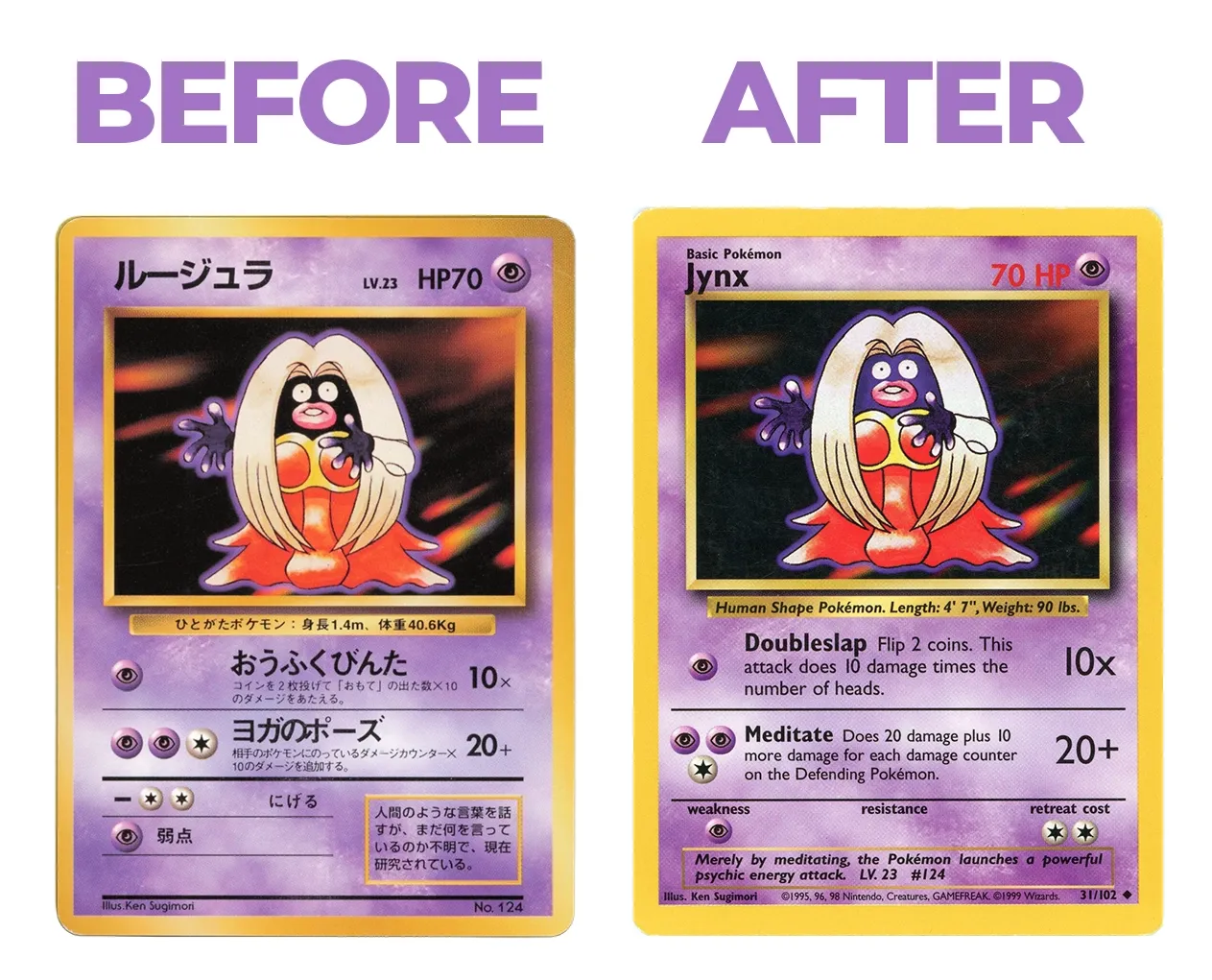
The Pokémon Trading Card Game (TCG), a global phenomenon that began its journey with the release of the Base Set in 1999, has always strived for meticulous quality control. Thousands of new cards have since been introduced, with new sets arriving regularly. However, this rigorous process wasn’t always in place during the early years of the Pokémon TCG, particularly under the management of Wizards of the Coast. A closer examination reveals that some early card designs, while making it to print, were later removed or significantly altered due to controversial imagery or thematic elements. This article delves into a comprehensive list of Pokémon cards that were previously banned or had their artwork replaced, exploring the reasons behind these decisions and their impact on the collectible landscape.
![Every Banned Pokémon Card Ever Made [Full List]](https://retrododo.com/content/images/size/w1200/2026/03/banned-pokemon-cards-1.webp)
The early days of the Pokémon TCG, spanning roughly from 1999 to 2003 under Wizards of the Coast, were a period of rapid expansion and global introduction for the franchise. As the game gained immense popularity, a greater emphasis was placed on ensuring that its visual content aligned with broader cultural sensitivities and brand values. This led to a retrospective review of certain cards, some of which contained artwork that, upon further scrutiny, was deemed inappropriate or potentially offensive by contemporary standards. The decision to alter or remove these cards, while sometimes controversial in itself, reflects an evolving understanding of global audience reception and brand management within the entertainment industry.
Sabrina’s Gaze: A Gesture Misunderstood
One of the most widely discussed banned Pokémon cards is "Sabrina’s Gaze." Originally released in 1999 as part of the Japanese Gym 2 Challenge set, the card features the Psychic-type Gym Leader Sabrina. The controversy stems from the artwork, which depicts Sabrina holding a Master Ball in a manner that has been interpreted as an offensive gesture. Specifically, her grip on the Poké Ball has been seen as resembling a middle finger, an insult widely understood across many cultures, including Japan due to the pervasive influence of Western media.
![Every Banned Pokémon Card Ever Made [Full List]](https://retrododo.com/content/images/2026/03/sabrinas-gaze-pokemon.webp)
The Western release of this card saw a significant alteration to the artwork. In the revised version, Sabrina is shown simply holding the Master Ball, a far less provocative depiction. This change highlights the TCG’s adaptation to different cultural norms and its commitment to avoiding potentially alienating imagery. The original Japanese version of "Sabrina’s Gaze" is now a sought-after collectible among dedicated Pokémon TCG enthusiasts, often commanding high prices in both graded and ungraded conditions on secondary markets like eBay.
Misty’s Tears: A Nudity Controversy
Another notable card that faced removal and alteration is "Misty’s Tears." This card, exclusively released in Japan in 1998 as part of the Hanada City Gym Deck, features the Water-type Gym Leader Misty. The artwork depicted Misty holding her Staryu, but a closer inspection revealed that Misty was depicted without clothing. This made it a unique, and ultimately problematic, card as it was the only known instance in the Pokémon TCG featuring a character in a state of nudity.
![Every Banned Pokémon Card Ever Made [Full List]](https://retrododo.com/content/images/2026/03/mistys-tears-pokemon.webp)
While a number of these cards made their way into circulation, Pokémon quickly moved to address the issue for future releases. The Western reprints featured revised artwork that removed the nudity. The implications of such a card’s initial release and subsequent removal underscore the challenges of translating content across different cultural expectations regarding modesty and character representation, particularly in a franchise aimed at a broad audience that includes children. Original Japanese copies of "Misty’s Tears" are also available on platforms like eBay, appealing to collectors interested in the game’s history and its more controversial moments.
Grimer’s Perilous Peek: Early Concerns of Appropriateness
The Grimer card, featured in the Team Rocket set and released in 1997 in Japan, presented a different kind of controversy. The original artwork depicted the Poison-type Pokémon Grimer peeking out from under a drain cover, observing a person walking by in a skirt. This scene was interpreted by many as creepy and potentially voyeuristic, raising concerns that it could depict an inappropriate situation involving a younger individual.
![Every Banned Pokémon Card Ever Made [Full List]](https://retrododo.com/content/images/2026/03/grimer-banned-pokemon-card.webp)
Pokémon acknowledged these concerns and made a change for the Western release of the Team Rocket set in 2000. The revised artwork shifted Grimer’s gaze to a less suggestive position, ensuring the card’s imagery aligned better with the franchise’s family-friendly image. This alteration demonstrates Pokémon’s proactive approach to addressing player feedback and ensuring that its visual content remains universally acceptable. These early Grimer cards, particularly the Japanese versions, are now collectors’ items, available for purchase on eBay, reflecting the evolving nature of acceptable content in collectible card games.
Sabrina’s Gengar: A Somber Scene Revisited
Sabrina reappears on another card that underwent alteration: "Sabrina’s Gengar." This card, released in 1999 as part of the Japanese Gym 2 set, shares its origin with "Sabrina’s Gaze." The original artwork for "Sabrina’s Gengar" featured a more unsettling theme: Gengar was depicted standing in front of gravestones, suggesting a connection to the souls of the deceased. This depiction was considered by many to be too somber and morbid, potentially disrespecting the dead and clashing with the generally positive and adventurous spirit of the Pokémon universe.
![Every Banned Pokémon Card Ever Made [Full List]](https://retrododo.com/content/images/2026/03/sabrinas-gengar-banned-pokemon-card.webp)
For the Western release, the artwork was modified in a way that some critics found to be a less elegant solution. The gravestones were removed entirely, and the background was covered with aggressive holofoil. This resulted in an image of Gengar appearing to stand in an empty, undefined space, a choice that, while removing the offensive elements, was seen by some as a less inspired artistic revision. The original Japanese version, with its more poignant imagery, remains a point of interest for collectors.
Jynx (Base Set): Addressing Racial Sensitivities
The original Base Set of the Pokémon TCG, released in Japan in 1996, included a card featuring Jynx with a distinct appearance that later sparked discussion regarding racial insensitivity. The original Jynx design featured a black body and face. As the Pokémon franchise gained global traction, questions arose from some fans and critics about whether this depiction could be perceived as racist.
![Every Banned Pokémon Card Ever Made [Full List]](https://retrododo.com/content/images/2026/03/jynx-abse-set-banned-japanese-card.webp)
While the intention behind the original design was not to cause offense, Pokémon opted for a precautionary approach. To mitigate any potential misinterpretations or sensitivities, Jynx’s appearance was altered for subsequent releases. The character’s face and overall coloration were changed to a more purple hue, moving away from the dark skin tone. This change, implemented for Western releases and later adopted globally, underscores the franchise’s commitment to cultural sensitivity and its efforts to ensure its characters are perceived positively by a diverse international audience. The original Japanese Base Set Jynx cards are now highly valued by collectors interested in the early history and evolution of the Pokémon TCG.
Moo Moo Milk: An Unconventional Subject
"Moo Moo Milk" stands out as one of the more peculiar cases of a card being altered. Released in 1999 as part of the Neo Genesis set, the Japanese version of this card featured an image of a person feeding milk to a Sentret, a small Normal-type Pokémon. The controversy stemmed from two main points: the depiction of an animal (a cow) providing milk for a Pokémon, which deviated from the established lore of Pokémon-specific items, and the implication of a human interacting directly with an animal in such a way.
![Every Banned Pokémon Card Ever Made [Full List]](https://retrododo.com/content/images/2026/03/moo-moo-mlik-japanese-card.webp)
The revised artwork for the Western release addressed these issues by replacing the cow with cartons of Miltank milk, a Pokémon known for producing milk, and placing it within a barn setting with a wild Clefairy, a Pokémon and not an animal. This change brought the card more in line with the established Pokémon universe and its thematic elements, ensuring consistency and avoiding unusual interspecies interactions. The original "Moo Moo Milk" card, with its unique depiction, is a curious footnote in the TCG’s history and is available to collectors on the secondary market.
Sabrina’s Jynx: A Pattern of Revisions
The character Jynx reappears in the context of banned artwork with "Sabrina’s Jynx." This card, released in 1999 as part of the Japanese Yamabuki City Gym Deck, also underwent a color change for its Western release. Similar to the original Base Set Jynx, the revision focused on altering the coloration of Jynx’s face. The intention was to further distance the character from any potential racial connotations and to soften its features, which some had found to be exaggerated and potentially stereotypical.
![Every Banned Pokémon Card Ever Made [Full List]](https://retrododo.com/content/images/2026/03/sabrinas-jynx-banned-pokemon-card.webp)
This particular revision, along with others involving Jynx, highlights a recurring theme in the early TCG’s development: the careful calibration of character design to meet evolving global standards of representation. "Sabrina’s Jynx," particularly the Japanese version, is a more affordable collectible compared to some of the rarer banned cards, making it accessible to a wider range of enthusiasts interested in the TCG’s historical revisions.
Magmortar: Firearms in the Pokémon World
A more recent example of artwork alteration comes from "Magmortar," released in Japan in 2012 as part of the Black & White—Dragonblade set. The original Japanese artwork depicted a trainer looking down the barrel of a gun. This imagery was deemed problematic, particularly for a Western audience, due to heightened sensitivities surrounding firearms and the potential for causing distress or triggering post-traumatic stress disorder (PTSD).
![Every Banned Pokémon Card Ever Made [Full List]](https://retrododo.com/content/images/2026/03/Magmortar-banned-pokemon-card.webp)
In response, the artwork was modified for the Western release. The revised image shows Magmortar reloading its weapon and pointing it away from the viewer, a less confrontational and more stylized depiction. This change reflects Pokémon’s ongoing commitment to ensuring its visual content is appropriate for all its markets, acknowledging that cultural contexts and sensitivities can vary significantly. The Japanese version of this Magmortar card is available on eBay, appealing to collectors who value the original artistic intent.
Arcade Machine and Card-Flip Game: The Gambling Debate
Two cards, "Arcade Machine" and "Card-Flip Game," both released in 1999 and 2000 respectively as part of the Neo Genesis set, faced scrutiny due to their depiction of gambling-related imagery. These cards mirrored the "Game Corner" found in the original Pokémon video games, which allowed players to gamble in-game currency for items and Pokémon. The inclusion of slot machine imagery in the TCG was met with concern from some Pokémon enthusiasts and parents, who worried that it might encourage gambling behavior among young players.
![Every Banned Pokémon Card Ever Made [Full List]](https://retrododo.com/content/images/2026/03/arcade-machine-banned-pokemon-card.webp)
In response to these concerns, the artwork for both cards was altered for their Western releases. The "Arcade Machine" card subtly shifted the depiction to resemble a generic "slot game" rather than an explicit casino slot machine. Similarly, the "Card-Flip Game" card was revised to focus more closely on the game screen, removing the overt gambling elements. These changes reflect Pokémon’s broader efforts to manage the perception of its brand and to avoid associations with activities that might be considered inappropriate for its younger audience. Both original Japanese versions are available for collectors on eBay.
Koga’s Ninja Trick: An Unfortunate Resemblance
Perhaps the most egregious example of problematic artwork is found in "Koga’s Ninja Trick," released in 1999 as part of the Japanese Gym Heroes set. The artwork for this card featured a sign in the top left corner that bore a striking resemblance to the Nazi swastika. While it’s possible the symbol was intended to represent Buddhist swastikas, which are distinct in their orientation and context, the visual similarity was too close for comfort.
![Every Banned Pokémon Card Ever Made [Full List]](https://retrododo.com/content/images/2026/03/kogas-ninja-trick-banned-pokemon-card.webp)
The resemblance caused significant upset and was quickly removed from both Japanese and English versions of the card. This incident serves as a stark reminder of the critical importance of thorough cultural and historical awareness during the art design process for global media. The original Japanese "Koga’s Ninja Trick" card is a rare and highly sought-after item among collectors, primarily due to its controversial history and the swiftness with which it was removed from circulation.
Dark Kadabra: A Legal Battle’s Lingering Effect
While not technically a "banned" card in the same vein as others on this list, "Dark Kadabra" had a profound and lasting impact on the Pokémon TCG. The character Kadabra was originally based on the Israeli-British mentalist Uri Geller, who was known for his spoon-bending magic tricks. Geller eventually filed a lawsuit against Nintendo, claiming that the "evil" depiction of Dark Kadabra, which was shown bending spoons, negatively portrayed him without his permission. Adding to the claim, Kadabra’s Japanese name, "Yungeraa," closely resembled Geller’s own name.
![Every Banned Pokémon Card Ever Made [Full List]](https://retrododo.com/content/images/2026/03/card-flip-game-pokemon-card-banned.webp)
Although no official statement was released regarding the lawsuit’s resolution, Pokémon ceased creating new Kadabra artwork for nearly 20 years, from its release in 1997 as part of the Team Rocket set until 2023. This prolonged hiatus on new Kadabra card art, stemming from a single legal challenge, is a unique chapter in the TCG’s history, demonstrating the significant influence of legal disputes on creative output. While the original Dark Kadabra cards remain in circulation, their impact led to an extended period where the character was absent from new card releases.
Sabrina’s Jynx (Gym Heroes): Another Jynx Revision
The final card to be discussed, "Sabrina’s Jynx," released in 1999 as part of the Japanese Gym Heroes set, represents a third instance of Jynx’s artwork being altered for Western releases. Similar to the other Jynx cards, the revision focused on changing the coloration of Jynx’s face to a more purple hue. This change was intended to further mitigate any perceived racial connotations and to soften the character’s features, which had been subject to criticism for their exaggerated feminine characteristics.
![Every Banned Pokémon Card Ever Made [Full List]](https://retrododo.com/content/images/2026/03/dark-kadabra-banned-pokemon-card.webp)
These revisions to the Jynx character across multiple cards and sets highlight the ongoing challenges of character design in a globalized entertainment industry. The aim was to create a universally appealing and inoffensive character, a complex task given the diversity of cultural interpretations and sensitivities. "Sabrina’s Jynx" from the Gym Heroes set is available on eBay and is considered one of the more accessible banned artwork cards for collectors.
The history of banned and altered Pokémon cards offers a fascinating glimpse into the evolving landscape of media content regulation, cultural sensitivity, and brand management. These instances, while sometimes leading to rare and sought-after collectibles, ultimately reflect Pokémon’s commitment to adapting its presentation to resonate with a global audience while maintaining its core identity as a family-friendly entertainment franchise. The careful curation and revision of card art demonstrate a dynamic approach to creative development, ensuring the enduring appeal and accessibility of the Pokémon TCG for generations to come.








