Cecilia Chamidah Nur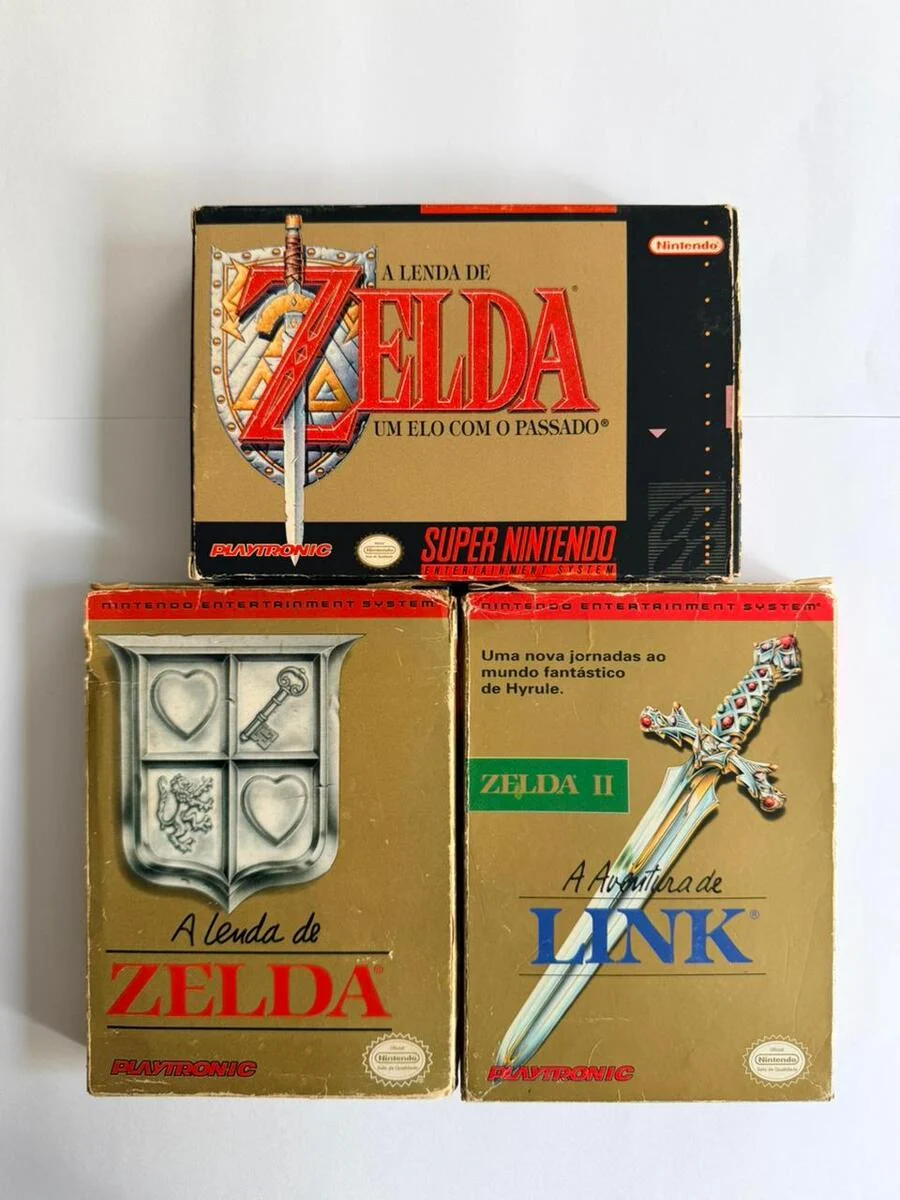
The story of Nintendo in Brazil is an intricate tapestry woven from threads of restrictive government policies, rampant piracy, a burgeoning grey market, and the often-capricious whims of a global licensor. This unique confluence of factors, compounded by the inherent language barrier, has historically made reliable, English-language information on the company’s regional history exceptionally scarce. Following a previous exploration into Tectoy’s pivotal role in establishing Sega in Brazil, the ongoing commitment to document Nintendo’s parallel, yet distinct, journey has led researchers down a challenging path, with many key personnel having long since departed the games industry or become untraceable. This ambitious undertaking has recently borne fruit through connections with former employees of Playtronic, the groundbreaking joint venture that officially introduced Nintendo to the Brazilian market in 1993.
A New Chapter in Gaming History: The "Nintendistas" Project
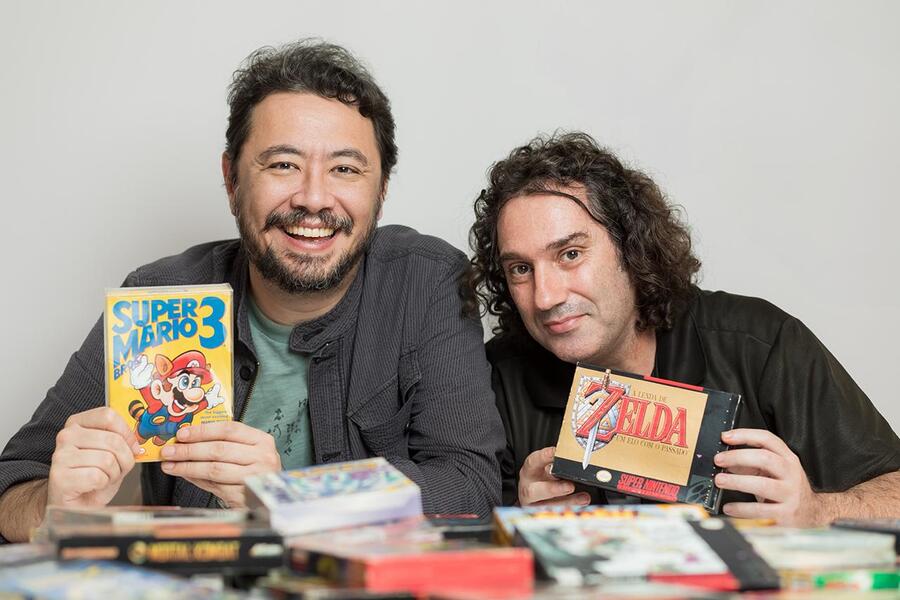
The quest for historical clarity led to Eliana Rocca, a former Playtronic marketing assistant, who facilitated an introduction to Pablo Miyazawa. A veteran journalist and former Playtronic employee himself, Miyazawa has dedicated the past two years to chronicling this very subject in a crowdfunded book titled "Nintendistas." His project promises to be an authoritative account, filling a significant void in the global understanding of Nintendo’s often-turbulent path in one of the world’s largest emerging markets.
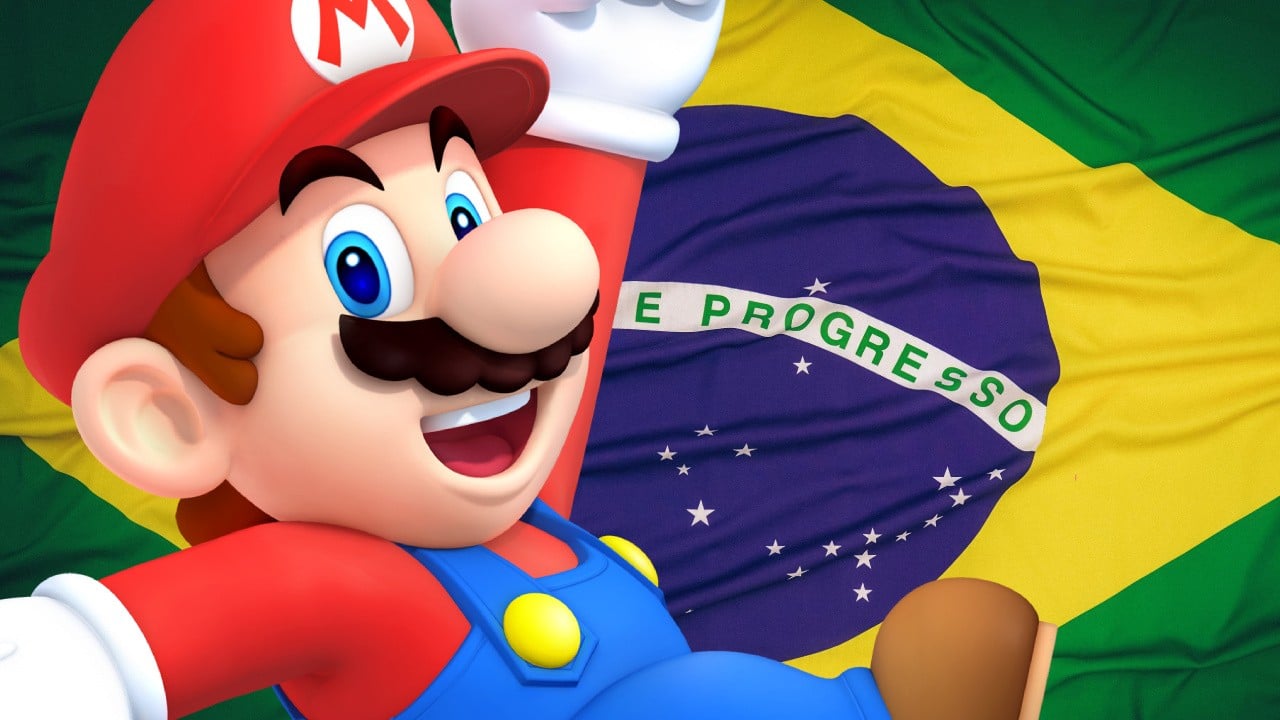
Miyazawa’s credentials for this monumental task are extensive. He began his career at Playtronic in the mid-1990s, serving on Brazil’s version of the Nintendo Power Hotline, known as the Nintendo Power Line. His trajectory then led him to Nintendo World, the country’s first official Nintendo magazine, where he became a staff writer just prior to its launch. Notably, Miyazawa holds the distinction of being one of the first Brazilian journalists to interview the legendary game creator Shigeru Miyamoto. His career further blossomed with editorial leadership roles at the Brazilian iterations of esteemed publications like Rolling Stone and IGN. Now, leveraging his deep institutional knowledge and extensive network, Miyazawa is meticulously interviewing former colleagues to reconstruct Nintendo’s complex narrative in Brazil.
The Genesis of "Nintendistas": Inspired by "Console Wars"
Miyazawa’s motivation for embarking on the "Nintendistas" project stems from a desire to produce a work as engaging and informative as Blake J. Harris’s "Console Wars." He recognized the compelling, untold story of Nintendo in Brazil as a perfect subject, given the glaring lack of accessible information. During the global lockdowns of the COVID-19 pandemic, he began assembling an "all-star" editorial team of seasoned Brazilian journalists and editors. This team includes André Forastieri, who famously launched Nintendo World magazine, and Eduardo Trivella, a former Power Liner and contributing editor for the same publication.
Miyazawa articulates the profound impact of his early career: "I did many things after Nintendo; I worked at Rolling Stone Brazil and IGN. But people always say, ‘Oh, you were that guy from that magazine that I read when I was 10 years old; I started enjoying reading because of Nintendo World.’ Back then, we didn’t have the influencers that we have now, so we were kind of the influencers of the day." This realization solidified his belief that he was uniquely positioned to undertake this research, possessing both the historical perspective and the network to connect the disparate pieces of Nintendo’s Brazilian past.
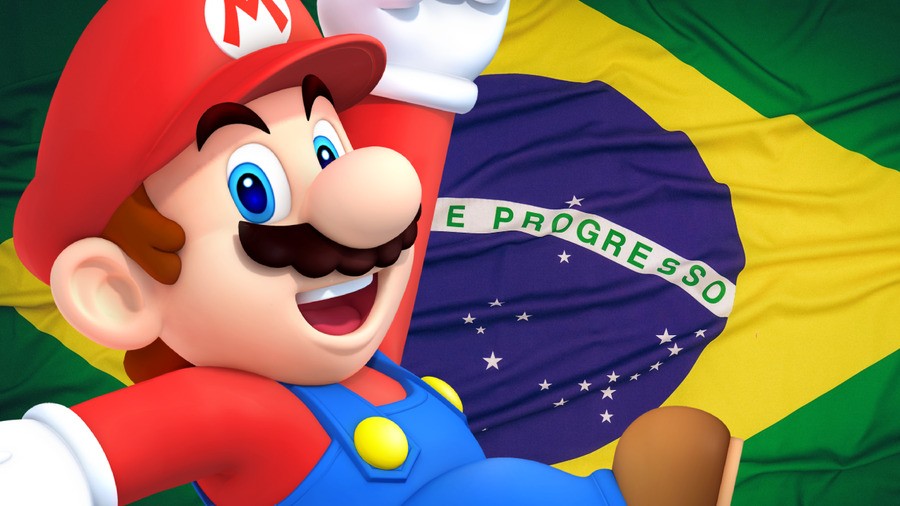
The book’s title, "Nintendistas," carries significant cultural weight. Miyazawa explains it is not a term he coined, but rather one used by Nintendo fans in Brazil for a "long time" to self-identify as supporters of the company. The suffix "-istas" is common in Portuguese to denote adherents or enthusiasts. For instance, Sony fans are "Sonistas," and Xbox fans are "Caixistas" (from "Caixa," Portuguese for "Box"). "Nintendistas," therefore, signifies not just a preference for Nintendo but a profound, almost tribal loyalty, akin to supporting a football team or holding a deeply cherished belief. "It’s almost like a religion to them," Miyazawa observes, underscoring the fervent dedication of Brazilian Nintendo fans.
Unearthing a Hidden History: Research Challenges and Discoveries
Despite his initial confidence, stemming from extensive connections within the industry, Miyazawa quickly grasped the immense scale of the "Nintendistas" project, particularly the oral history component. The passage of time presented significant roadblocks: many individuals involved in Playtronic’s inception had transitioned to other sectors, some were reluctant to speak, and others simply struggled to recall precise details.
Miyazawa recounts, "For many of the people who worked at Playtronic, it wasn’t their dream job. It was just a job. So they’ve now moved on to other things." He illustrates this with the example of Playtronic’s hiring process in 1993-94, where job seekers often responded to generic newspaper ads and only discovered they were interviewing with Nintendo during the process. Consequently, many hires lacked an inherent passion for gaming, making the retrieval of specific memories a painstaking effort. "This was, of course, a bit of a disappointment for me, because I was expecting people to have been keeping all these amazing secrets from the general public, and that they’d be able to give them all to me. But I would often say something to them, and they would respond, ‘Oh, I don’t remember.’" Despite these challenges, Miyazawa affirms the effort was worthwhile, leading to the discovery of "a ton of new things not documented anywhere else," albeit taking far longer than anticipated.
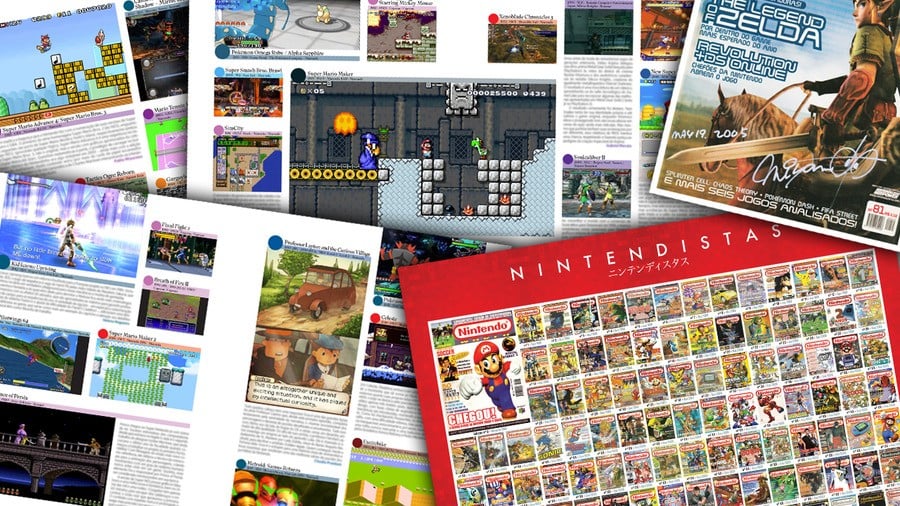
The book’s content, as outlined on its Catarse campaign page, is structured into three distinct sections: an oral history of Nintendo in Brazil, narrated by key figures from Gradiente and Playtronic; a comprehensive retrospective of Nintendo World Magazine; and an overarching historical overview of Nintendo’s main games, consoles, and accessories from the 1970s onwards. This holistic approach aims to provide both firsthand accounts and broader contextual understanding.
Brazil’s Unique Gaming Ecosystem: The Shadow of "Reserva de Mercado"
A crucial dimension of Nintendo’s Brazilian story, Miyazawa emphasizes, is the indispensable background of the country’s early video game market. This includes the emergence of domestic clone consoles and the pivotal role of Paraguayan imports in introducing official hardware like the Super Famicom and SNES. To understand Nintendo in Brazil, one must first grasp the impact of government policy.
From 1964, Brazil was under a military regime that implemented a protectionist policy known as Reserva de Mercado (Market Reserve). This policy severely restricted or heavily taxed imports of foreign goods, particularly electronics and IT products, with the stated aim of fostering domestic industry and technological autonomy. While intended to stimulate local manufacturing, it effectively isolated Brazil’s consumer market from global trends, creating a fertile ground for local companies to produce their own versions of popular products, including video game consoles.
In the early 1980s, as the Atari 2600 captivated American households, Brazil saw the rise of its own "clone consoles," such as Dynacom’s Dynavision. This caught the attention of Gradiente, a major Brazilian electronics manufacturer. Unlike other clone producers, Gradiente pursued an official partnership with Atari, leading to the local manufacture and release of the Atari 2600 in Brazil in 1983. This period, dubbed the "Natal do Video Gaming" (Christmas of Video Games), was a massive cultural event, putting Brazil on a different gaming timeline than the rest of the world. "So while Nintendo was releasing the Nintendo Famicom in Japan and people in the U.S. were burying Ataris, what’s interesting is here in Brazil we had the ‘Natal do Video Gaming,’ the Christmas of Video Games, which was huge. So, in 1983 and 1984, everyone here was playing Atari," Miyazawa recounts. Similarly, Brazil developed its own versions of home computers, like the TK, a local variant of the UK’s ZX Spectrum. This meant that throughout the 1980s, while Japan and the US were embracing Nintendo, Brazil remained largely an Atari and local computer market.
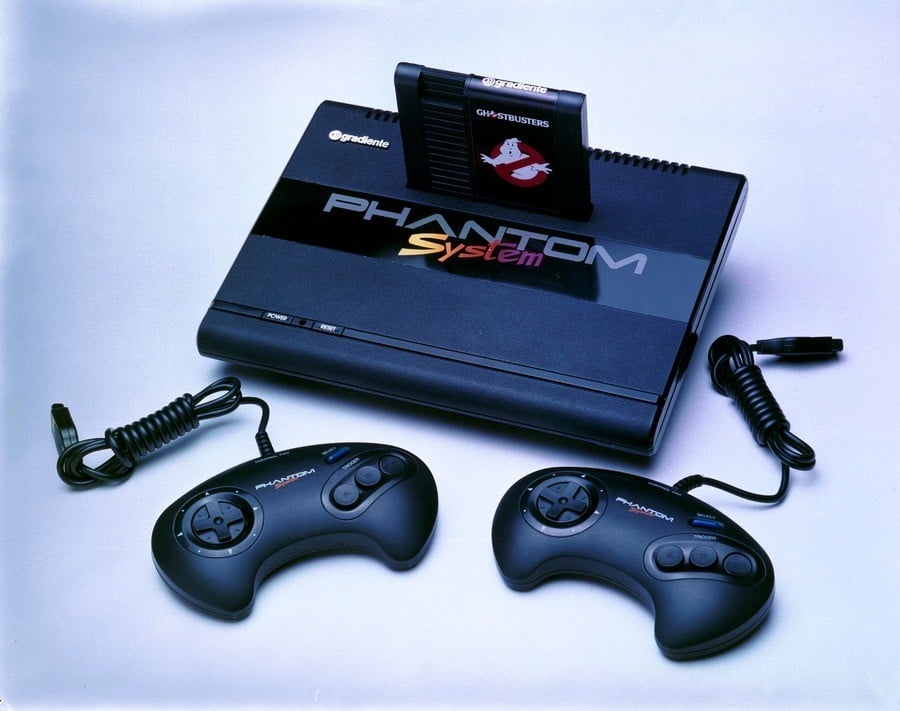
The "Market Reserve" policy thus created a significant "Nintendo-shaped hole" in the Brazilian market. Brazilian manufacturers, recognizing the demand, began reverse-engineering Nintendo’s consoles. This led to a plethora of NES clones, the most prominent being Gradiente’s own Phantom System. Described as a "Frankenstein’s monster," it sported the shell of an Atari 7800, controllers inspired by Sega hardware, and the capability to play Nintendo games. Miyazawa proudly states, "Phantom System was the best-selling clone in Brazil. They did the whole project in six months, and it was amazing, because it was a better Nintendo 8-bit than the original."
Gradiente had, in fact, attempted to secure an official licensing deal with Nintendo for the NES, much as they had with Atari. However, Nintendo declined, citing the perceived difficulties and high costs of doing business under Brazil’s protectionist policies. Consequently, Nintendo clones flourished from 1989 onwards. This coincided with Tectoy’s successful official launch of the Sega Master System in Brazil, establishing Sega with a significant first-mover advantage and setting the stage for a unique localized "console war" where Sega held official representation against a fragmented market of unofficial Nintendo clones.
The SNES Era: Grey Markets, Rental Stores, and Emerging Media
Brazil’s unique gaming landscape was further shaped by the informal economy. With official imports restricted and prices exorbitant for the average citizen, a thriving grey market emerged, largely fueled by goods brought in from Paraguay. The border region, particularly Ciudad del Este, became a de facto free-market zone where individuals and businesses could acquire the latest international consoles and games, often circumventing heavy taxes.
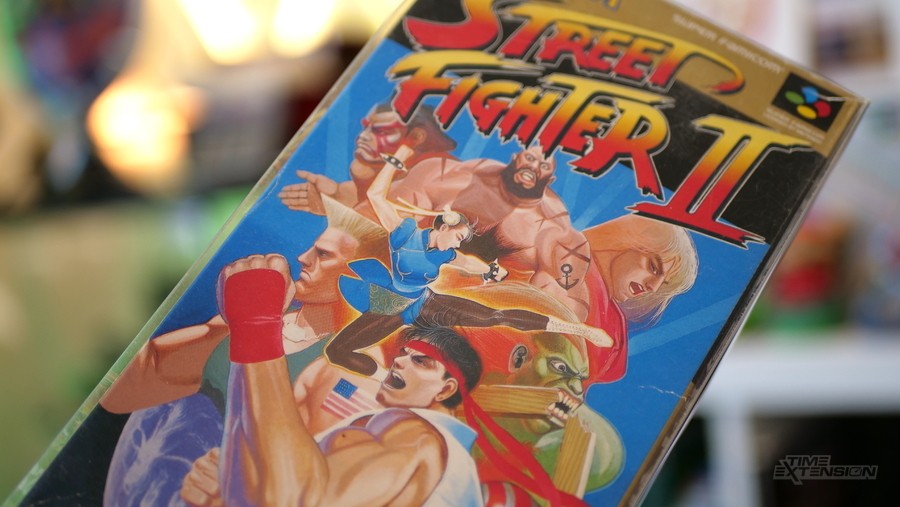
"Rental stores (or ‘locadoras’)" became critical hubs for this burgeoning gaming culture. These establishments allowed players to rent games for in-store play or take them home at a fraction of the full retail price, which was often beyond the reach of an average Brazilian’s monthly wage. By the early 1990s, these locadoras were booming, stocking a mix of official releases, clones, and crucially, imported goods from Paraguay. "Before rental stores, we didn’t have a place to go when you wanted to talk about games or see what’s happening," Miyazawa explains. "In the ’90s, it became the place to be if you wanted to be a gamer or to know what was going on." These stores became the primary conduits through which many Brazilians, including Miyazawa, first encountered consoles like the Super Famicom. Miyazawa vividly recalls playing the Super Famicom and "Street Fighter II: The World Warrior" on the very day of its Japanese release in 1992, thanks to a local locadora’s access to Paraguayan imports.
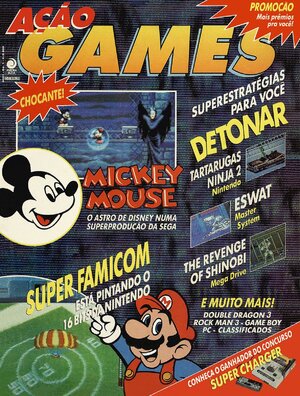
The growing appetite for gaming information spurred the creation of the country’s first dedicated video game magazines in the early 1990s. Titles like Editora Azul’s "Ação Games" and Sigla Editora Ltda’s "Video Games" provided vital coverage, not only for official Sega products but also for the Super Nintendo, further fanning the flames of interest for Nintendo’s hardware despite its unofficial status.
Playtronic’s Debut: Nintendo Officially Enters Brazil
Amidst this "fever pitch" of gaming excitement, the long-standing impasse between Nintendo and Gradiente finally broke. The introduction of Estrela, a prominent Brazilian toy company, into the negotiations proved instrumental, providing Nintendo with the necessary reassurance to proceed. In 1993, Gradiente and Estrela formed Playtronic, a joint venture designed to establish an official channel for Nintendo products in Brazil. This landmark deal marked the official debut of Nintendo, beginning with the Super Nintendo Entertainment System (SNES), followed by the Game Boy, NES, Virtual Boy, and Nintendo 64 over the subsequent three years. The establishment of Playtronic simultaneously signaled the end of Gradiente’s unofficial Nintendo products, including the popular Phantom System.
Nintendo’s decision to enter the Brazilian market, years after its rivals and with consoles already past their prime in North America and Japan, might seem counterintuitive. However, Miyazawa elucidates the clear strategic logic: "When Nintendo officially released the Super NES here in Brazil in September 1993, there were people who already had access to a Super Nintendo or had been playing it for two years, because they were late to the party. But you also have to remember that video games were something that only the high classes in Brazil could afford." Brazil’s economic conditions, characterized by high inflation and a low minimum wage, made premium consoles a luxury item, costing "at least one or two minimum wages." This meant millions of Brazilians had never encountered official Nintendo products, representing a vast, untapped market potential. Nintendo recognized that even "out of style" consoles still offered substantial growth opportunities in a market starved for official access.
Playtronic’s operational strategy involved adapting the North American SNES design for Brazil’s PAL-M television standard. Games were largely available in English, with only manuals and box art translated into Portuguese. A few significant titles, such as "The Legend of Zelda: A Link To The Past," received a Portuguese title ("A Lenda De Zelda: Um Elo Com O Passado"). This approach had a remarkable cultural side effect: it turned gaming into an unexpected catalyst for English language acquisition for an entire generation of Brazilian children. Miyazawa himself attests, "I am one of these guys who learned English through gaming. And I know lots of people who can say the same who grew up in the 90s." This was particularly impactful in an era where only a small fraction of the Brazilian population, perhaps 5%, spoke or read English, highlighting the dedication required to engage with these foreign-language games.
Playtronic also spearheaded Nintendo’s marketing efforts, drawing heavily from North American strategies. They launched a local version of the Nintendo Power Hotline, staffed by "Power Liners" who provided game tips. In-store demonstrations introduced official hardware to consumers directly. In 1994, Playtronic introduced "Hot Shots," a bi-monthly newsletter sent to subscribers who mailed in cards included with their games. "Hot Shots was a little newspaper written by the game counsellors," Miyazawa explains. "We wrote the tips and included things like ‘Ask the Pros’ and news on upcoming games, like an announcement that ‘Donkey Kong Country 2 is coming’. The idea was that the guy who got this, who was reading it at home, would always be like, ‘Oh, cool, there’s something to look forward to.’" While effective, Playtronic soon realized the need for broader outreach, leading to the conception of a dedicated magazine.
The Enduring Legacy of Nintendo World Magazine
The idea of a comprehensive Nintendo magazine materialized in 1998, approximately a year after Estrela withdrew from the Playtronic joint venture, leaving Gradiente as the sole purveyor of Nintendo products. Nintendo World Magazine was launched in September 1998 through a partnership between Gradiente and Conrad Publishing, a publishing house founded by André Forastieri, known for his work on the influential "Herói" magazine.
Miyazawa, then a journalism student, transitioned from Gradiente to Conrad Publishing as a staff writer for the new venture. Initially, the plan was to translate and adapt content from Nintendo Power. However, after consultations with Nintendo of America, Gradiente, and Conrad, it was decided that the magazine needed a distinct "Brazilian flavor" to resonate with the local market. "So, that’s why Nintendo World became a very different magazine from Nintendo Power. It became very much like the other magazine I mentioned to you, Herói. So, it was a bit crazy, and every page was very different from the others," Miyazawa notes. This localized approach proved highly successful, solidifying Nintendo World Magazine’s role as a cornerstone of Brazilian gaming culture. It ran from 1998 until 2017, remarkably outlasting Gradiente’s official partnership with Nintendo, which concluded in 2003.
The Post-Playtronic Era and Nintendo’s Enduring Appeal
Gradiente’s exit from the video game market in 2003 was driven by a combination of factors, primarily the escalating challenges posed by widespread piracy and a decline in household spending, which severely impacted the affordability of legitimate software and hardware. The post-Playtronic era has presented continuous hurdles for Nintendo fans in Brazil. Subsequent console generations have frequently been subject to prohibitive prices due to high import taxes, and digital distribution often faced frustrating restrictions due to a lack of local infrastructure and official support. These challenges underscore the unique position of Brazilian gamers, who have often navigated a landscape dictated by global corporate decisions and local economic realities.
Despite these persistent obstacles, the brand continues to evoke profound nostalgia among Brazilians, a sentiment Miyazawa’s book aims to capture and validate. His project is not merely a historical account but a testament to the enduring power of Nintendo’s cultural footprint in a market that developed in isolation yet cultivated an incredibly passionate fanbase. The "Nintendistas" project promises to offer an unparalleled deep dive into this fascinating chapter of gaming history, providing crucial context for understanding the complexities of global market penetration and the resilience of local communities. As Miyazawa prepares for the book’s release later this year, it stands to become an indispensable resource for anyone seeking to comprehend the unique and often arduous journey of Nintendo in Brazil. More information on the "Nintendistas" project can be found on its campaign page.