Hartono Sudibyo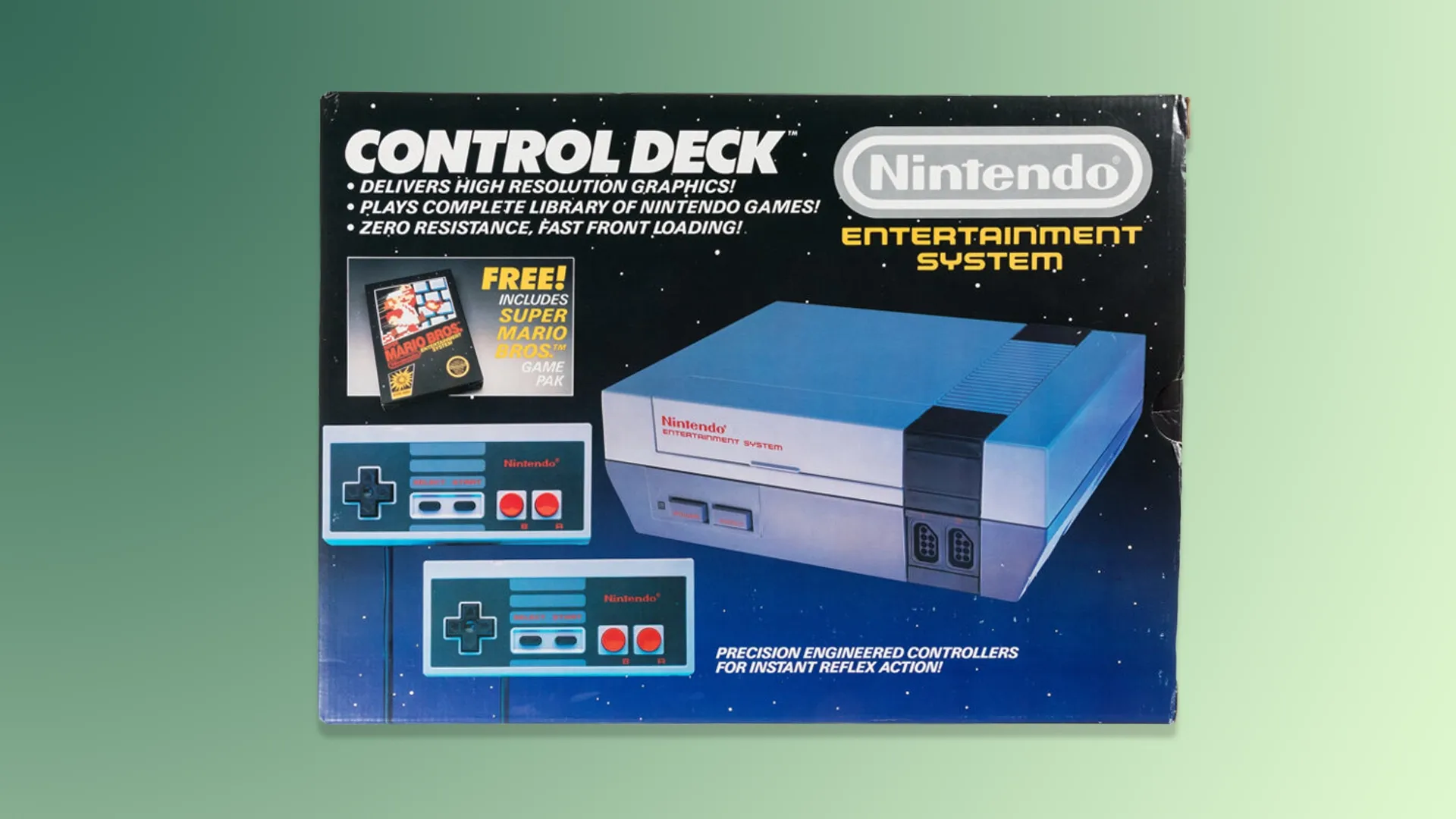
The world of collectible gaming has witnessed an unprecedented event, with a sealed copy of the original Super Mario Bros. for the Nintendo Entertainment System (NES) fetching a staggering $3 million at auction. This monumental sale, conducted by Heritage Auctions, has not only shattered previous video game sales records but also cemented the NES classic as the most valuable video game ever sold, underscoring the burgeoning and often surprising trajectory of the retro gaming market.
The Rise of Graded Retro Games as High-Value Assets
Over the past decade, the collectable scene has experienced a dramatic evolution, particularly within the realm of retro video games. Once primarily a niche hobby for enthusiasts, vintage gaming has transitioned into a significant investment avenue, with graded titles leading the charge. This surge in value is largely attributed to the rigorous grading processes employed by specialized authentication companies, which assess and certify the condition of these rare artifacts.
Historically, the grading landscape for video games was dominated by WATA Games, a prominent company in the sector. However, WATA’s tenure has been marked by controversy, with allegations of internal practices that may have inflated market values. This perceived instability created an opportunity for competitors, most notably Professional Sports Authenticator (PSA). In October of the previous year, PSA, a titan in the sports and trading card grading industry, expanded its services to include video game media submissions. This strategic move by PSA opened the floodgates for an influx of exceptionally rare, high-condition, and historically significant video games to enter the graded market.
The impact of PSA’s entry has been profound, bringing previously unseen treasures to light and setting new benchmarks for value. The recent sale of Super Mario Bros. is a testament to this new era, highlighting how established grading practices can amplify the desirability and monetary worth of iconic gaming pieces.
A Near-Perfect Specimen: The $3 Million Super Mario Bros.
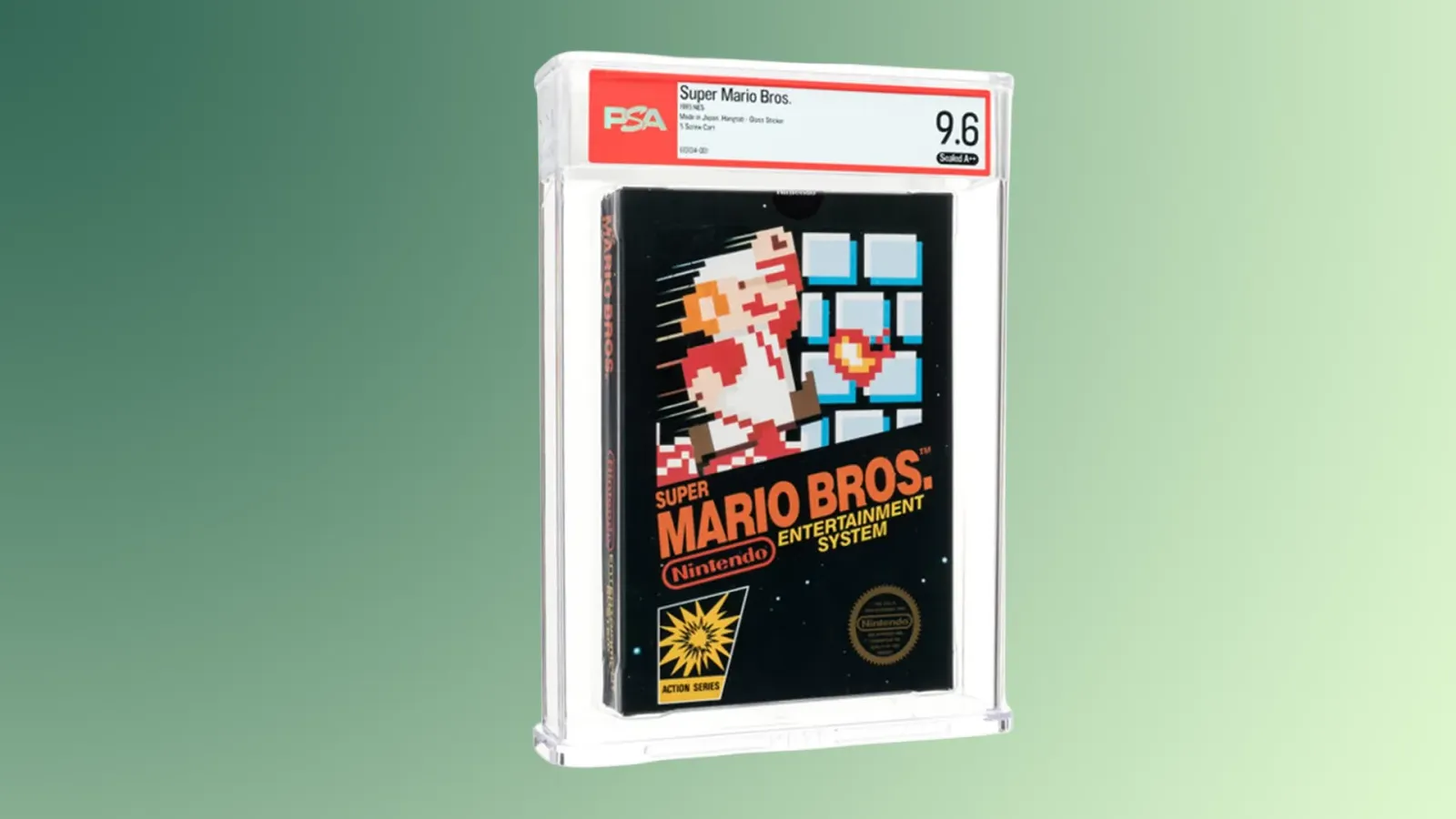
The record-breaking Super Mario Bros. copy is a sealed, second-production release featuring the desirable gloss sticker variant. It achieved a near-perfect grading score of 9.6 out of 10 from PSA, positioning it as one of the finest preserved versions of this seminal game ever to be graded. The rarity and condition of this particular copy are exceptional, contributing significantly to its stratospheric sale price.
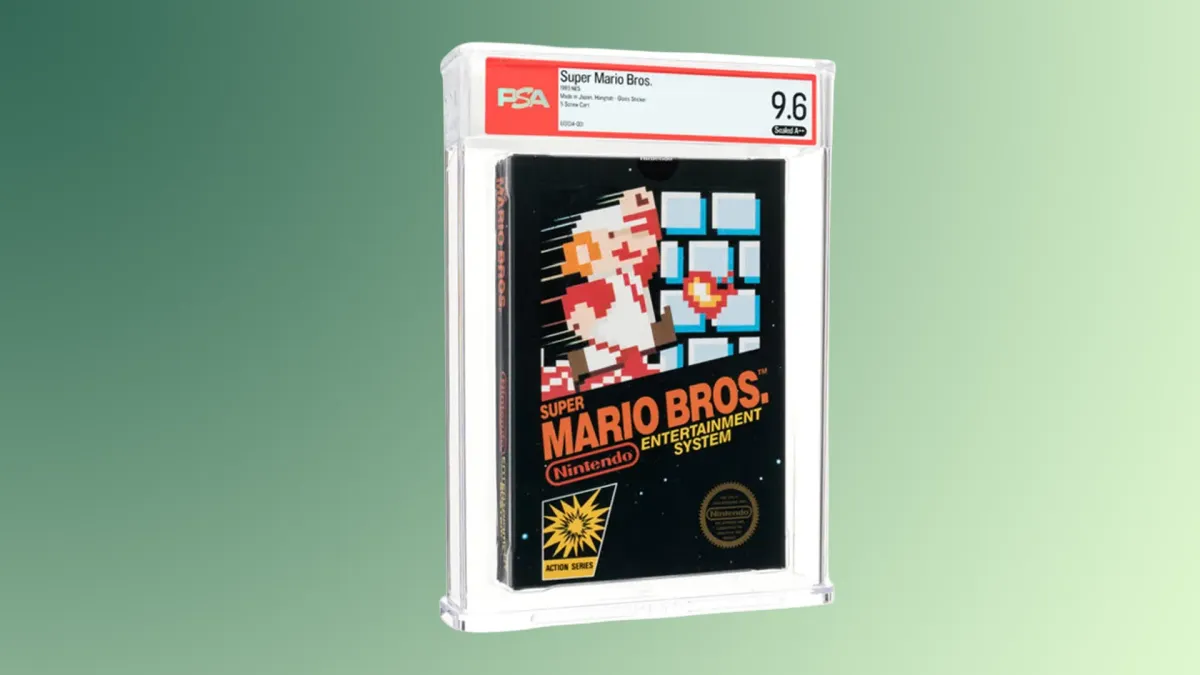
The game was brought to market by its private owner through Heritage Auctions, a reputable auction house with a strong track record in collectibles. The auction saw an astonishing 3,516 bids placed over its duration, culminating in the final sale price of $3,000,000. This figure eclipses all previous records for video game sales, solidifying its place in auction history.
Evan Masingill, Heritage Auctions’ Consignment Director for Video Games, commented on the significance of the sale: "It is only appropriate that the most significant video game in the world should bring the most impressive result in the history of the hobby. The remarkable back story – it was just discovered a few months ago inside a brand-new Control Deck NES console bundle, meaning it has not been touched for nearly 40 years – makes the result even more impressive."
Unearthing a Piece of History: The Control Deck Bundle
The extraordinary condition of the Super Mario Bros. cartridge is directly linked to its discovery. The game was found sealed within a never-opened, launch edition NES Control Deck console bundle from the Los Angeles test market era. This console itself is a rare find, complete in its original box and unused, retaining all its original inner packaging. The console and its components were in pristine condition, having never been removed from their factory-sealed plastic.
This specific Super Mario Bros. copy was originally bundled with this very Control Deck console, remaining untouched and sealed for approximately four decades. This prolonged period of undisturbed preservation is key to understanding the immaculate state of both the game and the console. The protective environment within the unopened bundle shielded the game from the ravages of time, light, and handling, which typically degrade cardboard packaging and expose surfaces of early sealed games.
The Nuances of Rarity: Gloss Sticker Variants and Production Runs
The Super Mario Bros. copy that achieved this record sale is distinguished by its gloss sticker format. This particular sticker variant was adopted in early 1986, following a brief period where Nintendo utilized a matte sticker exclusively on launch copies during the game’s initial test market rollout in October 1985.
Crucially, no first-production examples of Super Mario Bros. are known to exist in a sealed condition. Therefore, this gloss sticker, second-production copy represents the earliest confirmed sealed example of this groundbreaking game. Even within this extremely limited category, this particular copy stands out. Worldwide, only three sealed, gloss sticker, second-production copies of Super Mario Bros. are known. The other two graded copies are a Wata 9.4 A++ and a VGA 80. The PSA 9.6 graded copy is demonstrably the highest-graded among this elite trio.

The inherent fragility of these early sticker-sealed games, manufactured before Nintendo adopted plastic shrink-wrapping for their consoles and games, contributes to their scarcity. The exposed cardboard surfaces and black covers are particularly susceptible to damage, making their survival in high grade for over 40 years a remarkable feat.
A Precedent Set: The 2019 Private Sale
The significance of this record-breaking sale is further contextualized by a landmark private transaction that occurred in 2019. In that year, the Wata 9.4 A++ second-production copy of Super Mario Bros. was sold in a private sale for a then-unprecedented amount, marking the first time a video game had ever commanded a six-figure sum. This event was a pivotal moment, fundamentally altering perceptions of the potential value of historically important video games.
While the 2019 sale did not create scarcity, it effectively revealed it to a wider audience. It brought mainstream attention to the extreme rarity of early, sealed copies of iconic games and the exceptionally infrequent appearance of certified gloss sticker second-production examples in the market. The current sale of the PSA 9.6 copy builds upon this precedent, demonstrating a substantial escalation in market value and investor confidence in this asset class.
The Broader Implications for the Collectible Market
The $3 million sale of Super Mario Bros. has far-reaching implications for the broader collectible market. It signals a maturing of the retro gaming sector, moving beyond enthusiast circles and attracting serious investment from individuals and entities looking for tangible assets with significant growth potential.
Market Validation: The sale provides strong validation for the grading industry’s role in establishing and preserving value for vintage items. The investment made in grading services by collectors and sellers is proving to be a significant factor in realizing maximum market potential.
Shifting Investment Paradigms: This event challenges traditional investment portfolios. For some, retro video games are becoming an attractive alternative or complement to assets like fine art, classic cars, or rare coins. The narrative of nostalgia combined with verifiable scarcity and condition is a powerful combination for investors.
Increased Scrutiny and Competition: The success of PSA in handling this high-profile sale is likely to intensify competition within the grading space. It may also lead to greater scrutiny of grading methodologies and market dynamics, ensuring the integrity of the market as it continues to expand.
Future Market Growth: The record-breaking sale is expected to fuel further interest in other rare and high-condition retro games. Collectors and investors will likely be motivated to identify and pursue other undervalued or under-appreciated titles that possess similar scarcity and historical significance. This could lead to a broader appreciation for a wider range of vintage games, not just the most obvious icons.
Accessibility and Discovery: The discovery of the game within an unopened console bundle also highlights the potential for further significant finds. As more attention is paid to the collectable value of retro games, it is plausible that other hidden treasures, preserved in pristine condition, could emerge from attics, basements, and long-forgotten storage spaces.
A New Era for Gaming Collectibles
The sale of Super Mario Bros. for $3 million is more than just a record-breaking transaction; it represents a significant milestone in the evolution of the collectible gaming market. It underscores the immense cultural and monetary value that vintage video games now hold, transforming them from cherished relics of the past into highly sought-after investment assets. As the market continues to mature, it will be fascinating to observe how this unprecedented event shapes the landscape of collectibles for years to come.
The financial implications are clear: the retro gaming market is no longer a fringe pursuit but a legitimate and potentially lucrative investment arena. The story of this particular Super Mario Bros. cartridge, from its humble beginnings in 1985 to its current status as the most expensive video game ever sold, is a compelling narrative of preservation, rarity, and the enduring power of iconic entertainment.