Johny Imanuel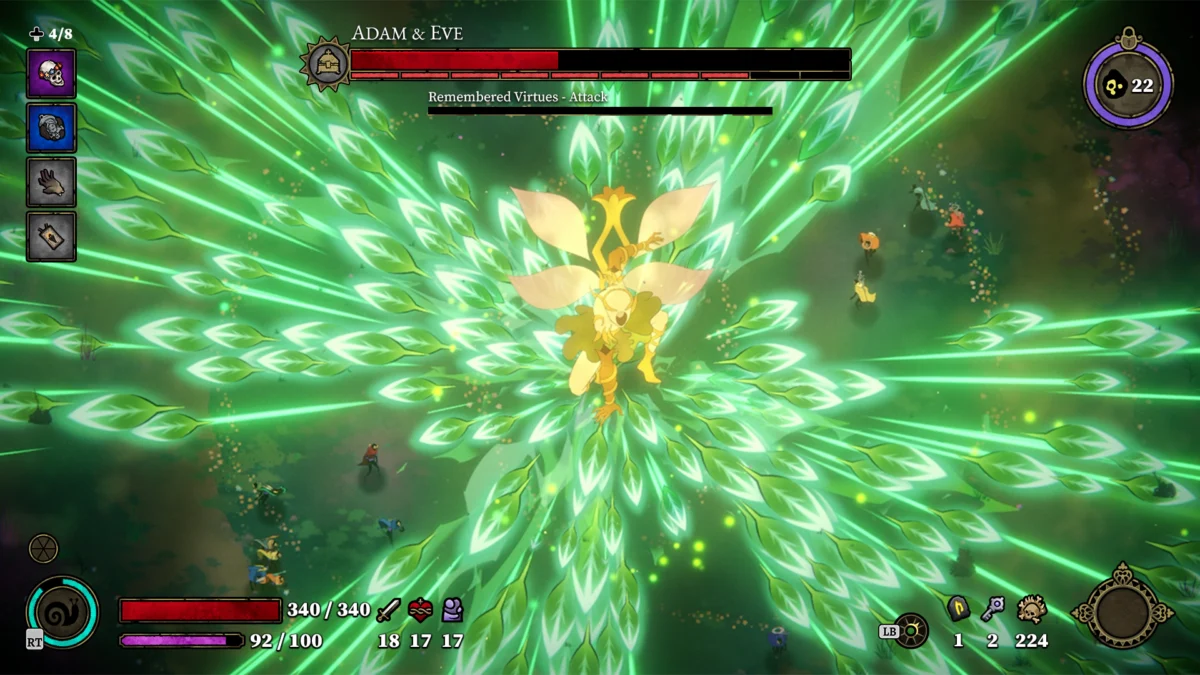
Narrative Framework and Thematic Inspiration
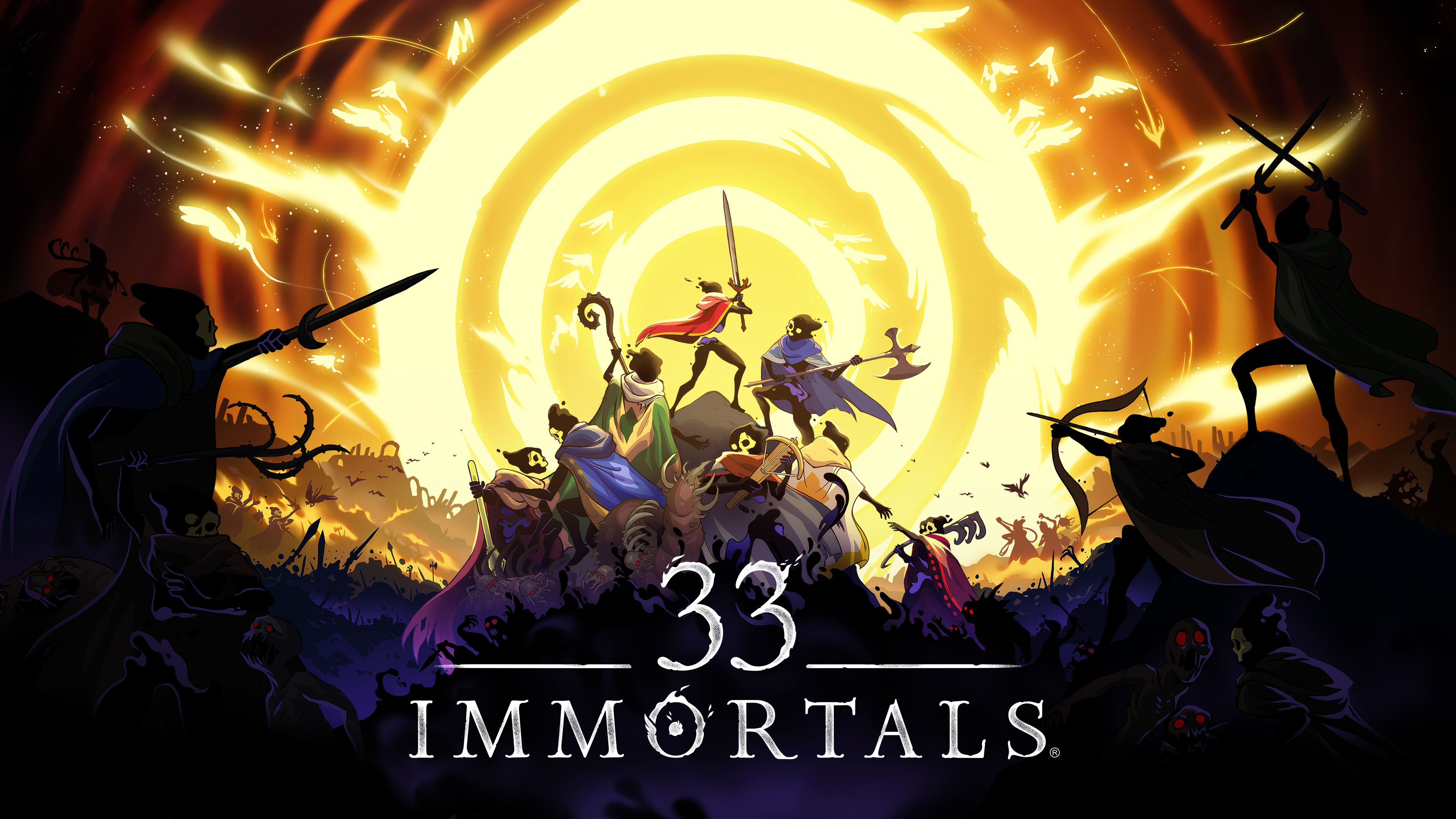
The narrative of 33 Immortals draws heavy inspiration from Dante Alighieri’s Divine Comedy, positioning players within a stylized interpretation of the afterlife. The game begins at the conclusion of the protagonist’s mortal life, where the player’s avatar is introduced as a "condemned soul." The overarching plot is set in motion by Beatrice, a central figure who identifies the player as a "Rebel Soul." This meeting serves as the catalyst for the game’s primary objective: joining a rebellion against the divine order to achieve immortality.
Players are directed to gather in the Dark Woods, a central hub area that serves as the gateway to the game’s three primary realms: Inferno, Purgatorio, and Paradiso. This thematic structure provides the logic for the game’s difficulty scaling and player count reductions. As players progress from the depths of Inferno toward the heights of Paradiso, the number of participants allowed in a single instance decreases, effectively filtering the player base into smaller, more specialized groups.
The Mechanics of 33-Player Cooperative Play
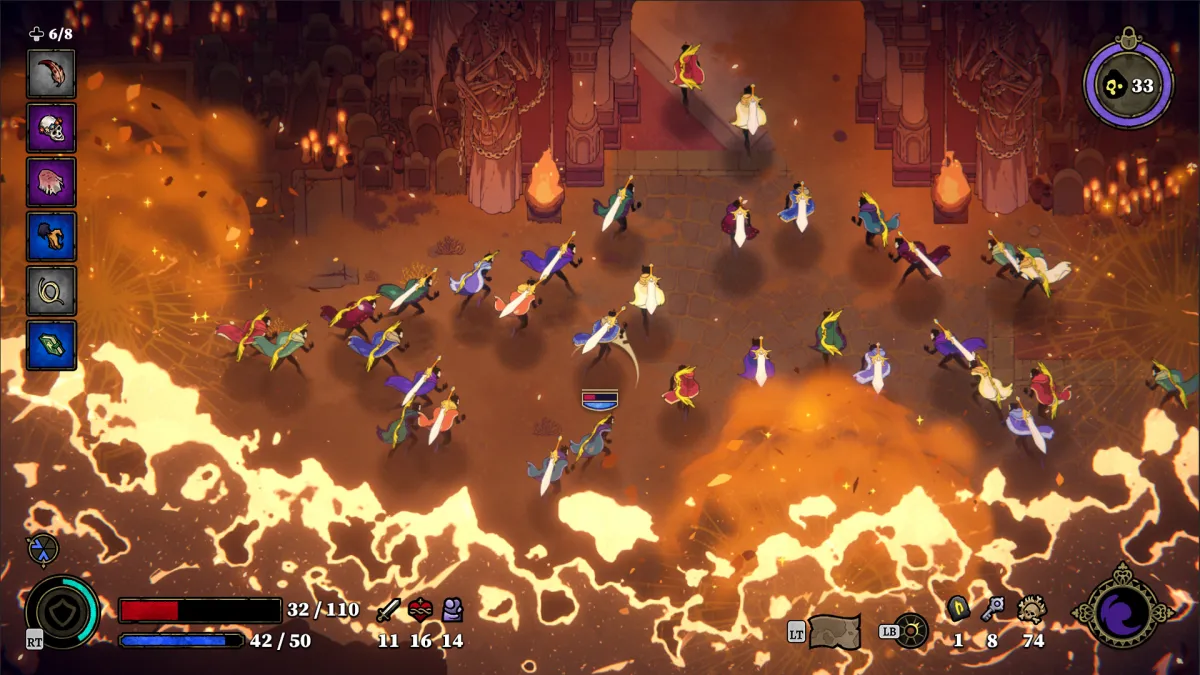
The core gameplay loop of 33 Immortals is built around the "raid" concept, but it is executed through an overhead action-RPG lens. Upon entering a match, the game utilizes matchmaking to group 33 individual players into a shared instance of Inferno. Unlike traditional MMOs, there is no requirement to form a pre-made party, though the game supports playing with friends.
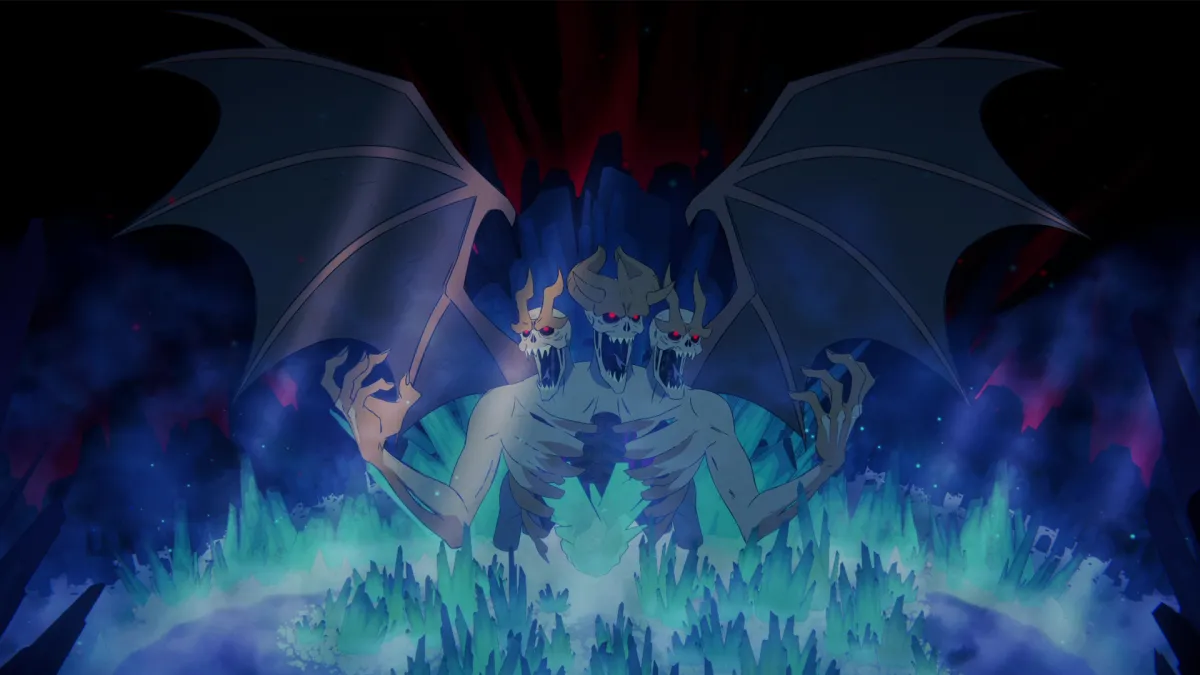
The initial phase of a run involves navigating the Inferno map, where players must engage in combat to unlock "Torture Chambers." These chambers act as mini-dungeons or localized challenges that, when completed, provide the necessary resources and progression markers to challenge the realm’s final boss. For Inferno, this boss is Lucifer. Defeating Lucifer is not merely a goal for loot, but a mechanical requirement for progression, as the boss drops the "Purgatorio Key."
The game’s scaling system is a unique feature in the genre:
- Inferno: 33 players participate in the initial assault.
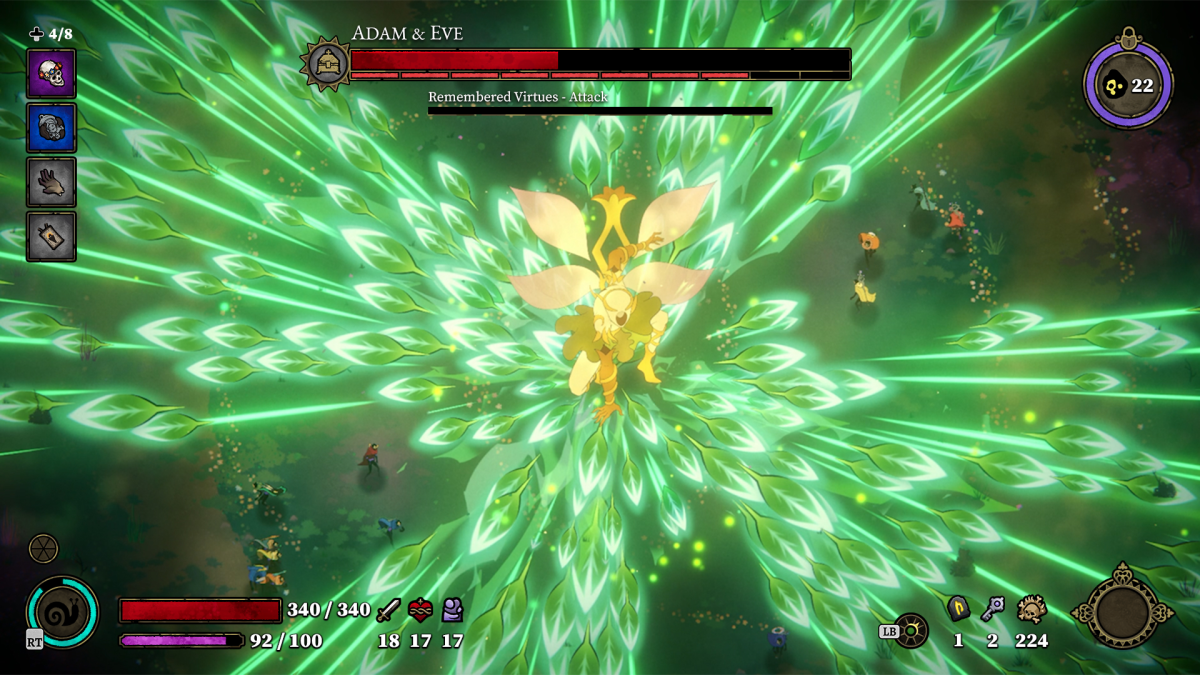
- Purgatorio: 22 players are permitted, requiring a key from the previous tier. The boss encounter features Adam and Eve.
- Paradiso: 11 players participate in the final, most difficult tier, culminating in a confrontation with the "Wrath of God."
Character Archetypes and Weapon Systems
At the start of a session, players select from four distinct weapon classes, each dictating their role within the 33-person collective. These classes are designed to balance solo survivability with group utility:
- Sword of Justice: A versatile melee weapon designed for close-quarters combat. It features defensive capabilities, including a guard mechanic and the ability to summon "Bubble Shields." This class is widely regarded as the most reliable for players entering matchmaking without a pre-coordinated group.
- Daggers of Greed: A high-risk, high-reward melee option focused on rapid attacks and "bone harvesting." While it boasts significant damage output, its lack of robust defensive options makes it less forgiving for players who find themselves isolated from the larger group.
- Bow of Hope: The primary ranged option, allowing players to deal damage from a distance. While effective in a group setting, it requires careful positioning to avoid being overwhelmed by enemy mobs.
- Staff of Sloth: A support-oriented weapon that utilizes magical orbs to debuff enemies, break armor, and slow down hostile groups. This class is heavily dependent on the presence of other players to capitalize on the openings it creates.
Progression, Perks, and the Roguelike Cycle
As a rogue-like, 33 Immortals utilizes a system of permanent and temporary upgrades. "Feats" provide long-term bonuses, such as improved shrine effects and additional "Perk" slots. During individual runs, players collect Perk Tokens and Relics that provide immediate stat boosts or mechanical changes.
Specific perks, such as "Defiant Denial" (which provides a shield) and "Rejuvenated Vigor" (which increases the drop rate of Rare and Epic Relics), often become staples of a player’s loadout. However, data from early player experiences suggests a potential imbalance in the perk system. Once a player identifies a set of high-tier perks, the incentive to experiment with different builds can diminish, leading to a standardized "meta" for survivability.
Analysis of Technical Stability and Group Dynamics
One of the most significant technical achievements of 33 Immortals is its matchmaking and server stability. Thunder Lotus Games conducted several closed and open beta phases prior to launch to stress-test the 33-player environments. Reports indicate that the game maintains consistent performance even during high-intensity boss fights where dozens of players are deploying special abilities simultaneously.
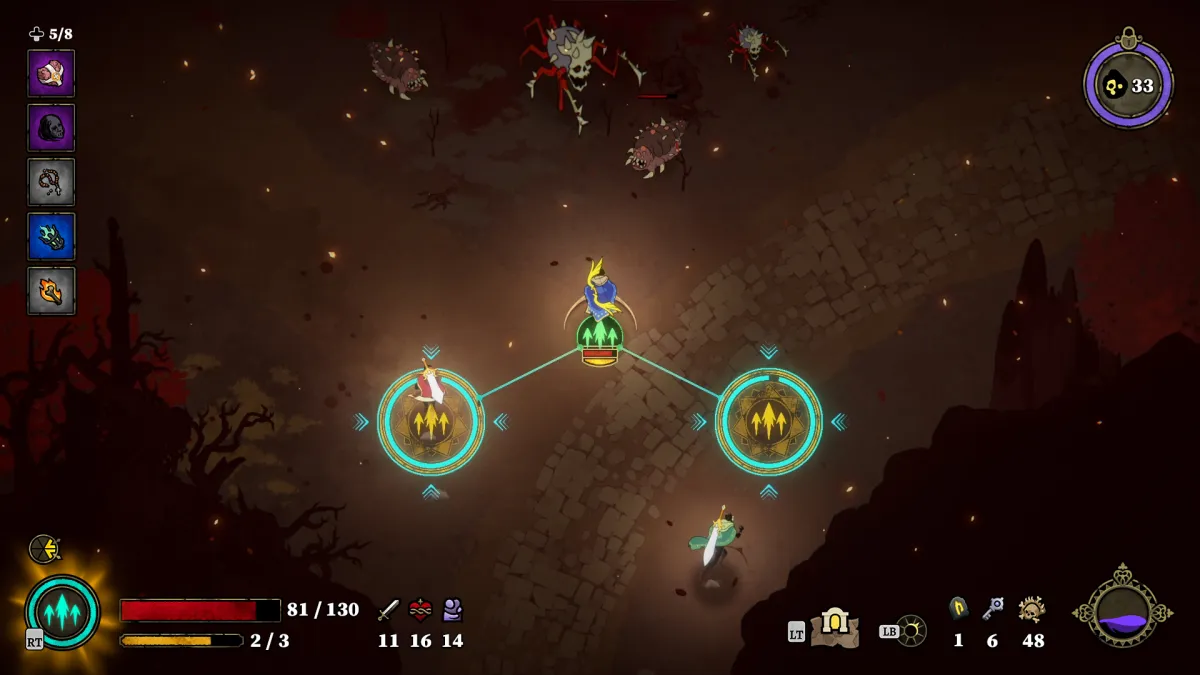
However, the reliance on large-scale cooperation introduces a "human element" of difficulty. In boss fights like Lucifer’s "Eternal Sorrow," success is contingent upon the group’s ability to coordinate and shatter crystals simultaneously to create safe zones. If a significant portion of the 33-player group is unfamiliar with the mechanic, the entire run can end in failure regardless of an individual player’s skill level. This creates a friction point in the early-game (Inferno) that tends to smooth out in the later stages (Purgatorio and Paradiso), as the players reaching those tiers have generally demonstrated a higher level of mechanical competence.
Aesthetic Design and Repetition
Visually, 33 Immortals employs a hand-drawn art style that has become a hallmark of Thunder Lotus Games. While the artistic direction is praised for its unique look, the environmental design has faced criticism for a lack of variety. The three realms—Inferno, Purgatorio, and Paradiso—share similar assets and color palettes, which can occasionally lead to navigational confusion.
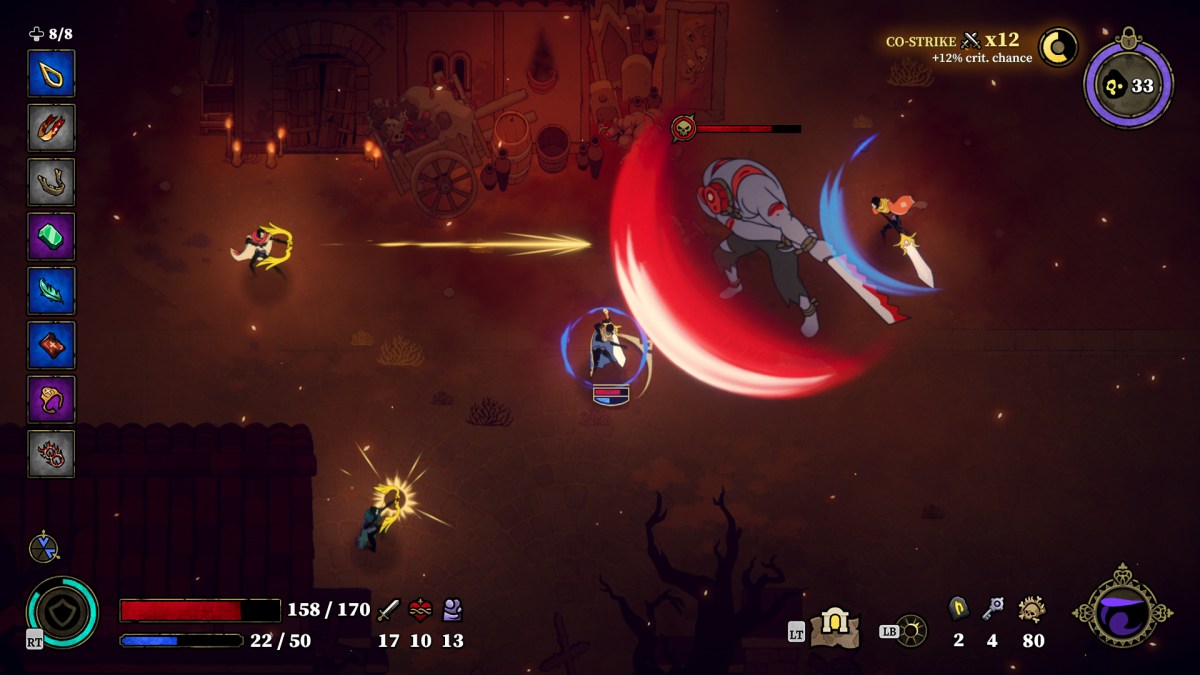
The game’s maps are procedurally generated or randomized to an extent, but the core points of interest and the visual language of the afterlife remain largely static. This contributes to a sense of repetition during the first several hours of gameplay, as players must repeatedly clear Inferno to earn the keys necessary for higher-tier content.
Monetization and Long-term Incentives
Thunder Lotus has opted for a multi-pronged approach to monetization and player retention. Beyond the initial purchase price or Game Pass availability, the game includes:
- In-game Drops: Cosmetic items found during runs.
- Eternal Shards: A currency used for specific unlocks.
- DLC Packs: Optional $5.99 cosmetic bundles.
- Twitch Drops: Integration with streaming platforms to provide exclusive items, such as the "Familiar" pets (cats and dogs).
Despite these systems, some critics argue that the long-term motivation for replaying content is currently tied too closely to the pursuit of keys for higher difficulty tiers. Once a player has experienced Paradiso, the incentive to return to Inferno can feel diminished if the loot and cosmetic rewards do not offer sufficient variety or power scaling.
Broader Industry Implications
The release of 33 Immortals comes at a time when the "Live Service" model is under intense scrutiny. Many players are moving away from games that require "second job" levels of commitment. By blending the session-based nature of a rogue-like with the social scale of an MMO raid, Thunder Lotus is testing a new middle ground.
This hybrid model addresses several current industry trends:
- Accessibility: Removing the "gatekeeping" of high-end raiding.
- Subscription Fatigue: Providing a raid experience without a monthly fee.
- Cross-Platform Play: Ensuring a healthy player pool through PC and console integration.
Conclusion and Future Outlook
33 Immortals is a bold experiment in genre-blending that successfully captures the spectacle of large-scale cooperative combat while maintaining the "just one more run" addictive quality of a rogue-like. While it faces challenges regarding environmental variety and the inherent unpredictability of large-scale matchmaking, its technical foundation is robust.
The success of the title in the coming months will likely depend on Thunder Lotus’s ability to provide meaningful content updates and more diverse incentives for veteran players. As the player base matures and more individuals reach the 11-player Paradiso tier, the game’s meta-progression will need to evolve to prevent the "tedium" reported by early adopters. Nevertheless, as a proof of concept for "instant-action raiding," 33 Immortals stands as a unique and functional addition to the modern multiplayer landscape.