Cecilia Chamidah Nur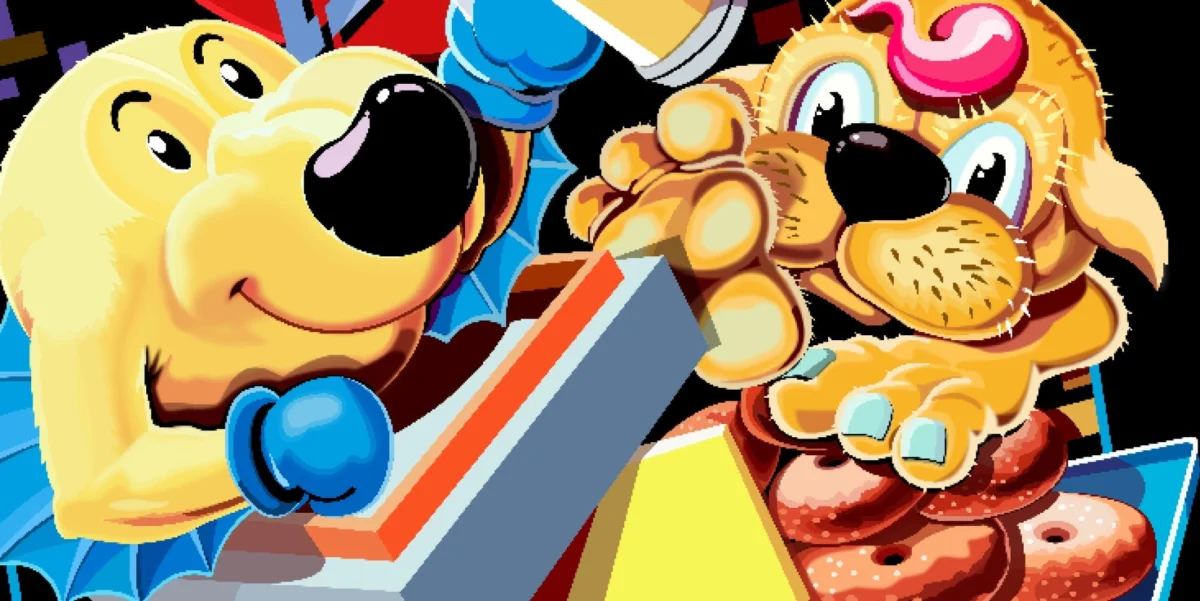
A landmark moment for retro gaming enthusiasts has arrived with the confirmation of a release date for Return to Blacktooth: A Head Over Heels Adventure. This highly anticipated sequel to the beloved 1980s classic, Head Over Heels, has been developed in secret over 36 years by a single individual, Colin Porch, and is set to launch initially on the Commodore Amiga and Atari ST platforms. This announcement, updated on April 25th, 2026, follows a previous delay from its intended 2025 launch window, solidifying the culmination of an extraordinary passion project that has spanned more than three decades.
The Unveiling of a Decades-Long Project
The journey of Return to Blacktooth is nothing short of remarkable, representing one of the longest individual development cycles in video game history. Since 1989, Colin Porch, a name familiar to fans of the original Head Over Heels for his pivotal role in converting the game to the Atari ST, has been meticulously crafting this sequel. His dedication to extending the universe of Head and Heels, characters ingrained in the memory of a generation of gamers, has remained steadfast through shifting technological landscapes and evolving industry trends. The revelation of such a long-term, clandestine project has ignited widespread excitement within the retro gaming community, underscoring the enduring appeal of classic titles and the unwavering commitment of their creators.
The original story, first reported on June 17th, 2025, introduced the world to this clandestine endeavor. At that time, the game was expected to launch in Q4 2025. However, as is often the case with ambitious independent projects, particularly those developed for legacy hardware, the timeline shifted. The recent update on April 25th, 2026, bringing definitive news of a confirmed release date, signals that the final hurdles have been cleared, and players are now closer than ever to experiencing this unique continuation of a gaming legend.
A Legacy Reimagined: The Original Head Over Heels
To fully appreciate the significance of Return to Blacktooth, one must delve into the illustrious history of its predecessor, Head Over Heels. Released in 1987, Head Over Heels quickly ascended to legendary status among isometric arcade adventure games. Developed by the prodigious duo Jon Ritman and Bernie Drummond, it built upon the innovative foundations they laid with their 1986 isometric take on Batman. Both titles were lauded for their ingenious puzzle design, intricate level layouts, and groundbreaking use of an isometric perspective that provided a pseudo-3D environment on 8-bit and 16-bit home computers.
Head Over Heels stood out for its unique gameplay mechanic: players controlled two distinct characters, Head and Heels, simultaneously or independently, each possessing different abilities. Head, a disembodied brain, could jump higher and fire doughnuts to stun enemies, while Heels, a striped creature, could run faster and carry objects. Players were required to strategically switch between or combine their abilities to navigate complex environments, solve devious puzzles, and overcome obstacles. This dual-character dynamic added an unparalleled layer of strategic depth, forcing players to think creatively about how to utilize each character’s strengths.
The game launched on virtually every major home computer platform of the era, including the Commodore 64, ZX Spectrum, Amstrad CPC, Commodore Amiga, and Atari ST, showcasing its broad appeal and technical adaptability. Its critical reception was overwhelmingly positive, with reviewers praising its expansive world, challenging puzzles, charming graphics, and innovative mechanics. Head Over Heels is frequently cited as one of the best games of the 1980s, leaving an indelible mark on the adventure game genre and influencing countless developers. Its status as a stone-cold classic was further cemented by its recent re-release on modern platforms, allowing a new generation of players to discover its enduring brilliance.
Colin Porch’s Vision: From Conversion to Creation
Colin Porch’s involvement with the Head Over Heels franchise dates back to its inception, where he was responsible for the critically acclaimed Atari ST conversion of the original game. This intimate familiarity with the game’s engine, mechanics, and design philosophy evidently sparked a profound desire to expand its universe. For over three decades, Porch has poured his creative energy into Return to Blacktooth, a testament to personal dedication and artistic vision.
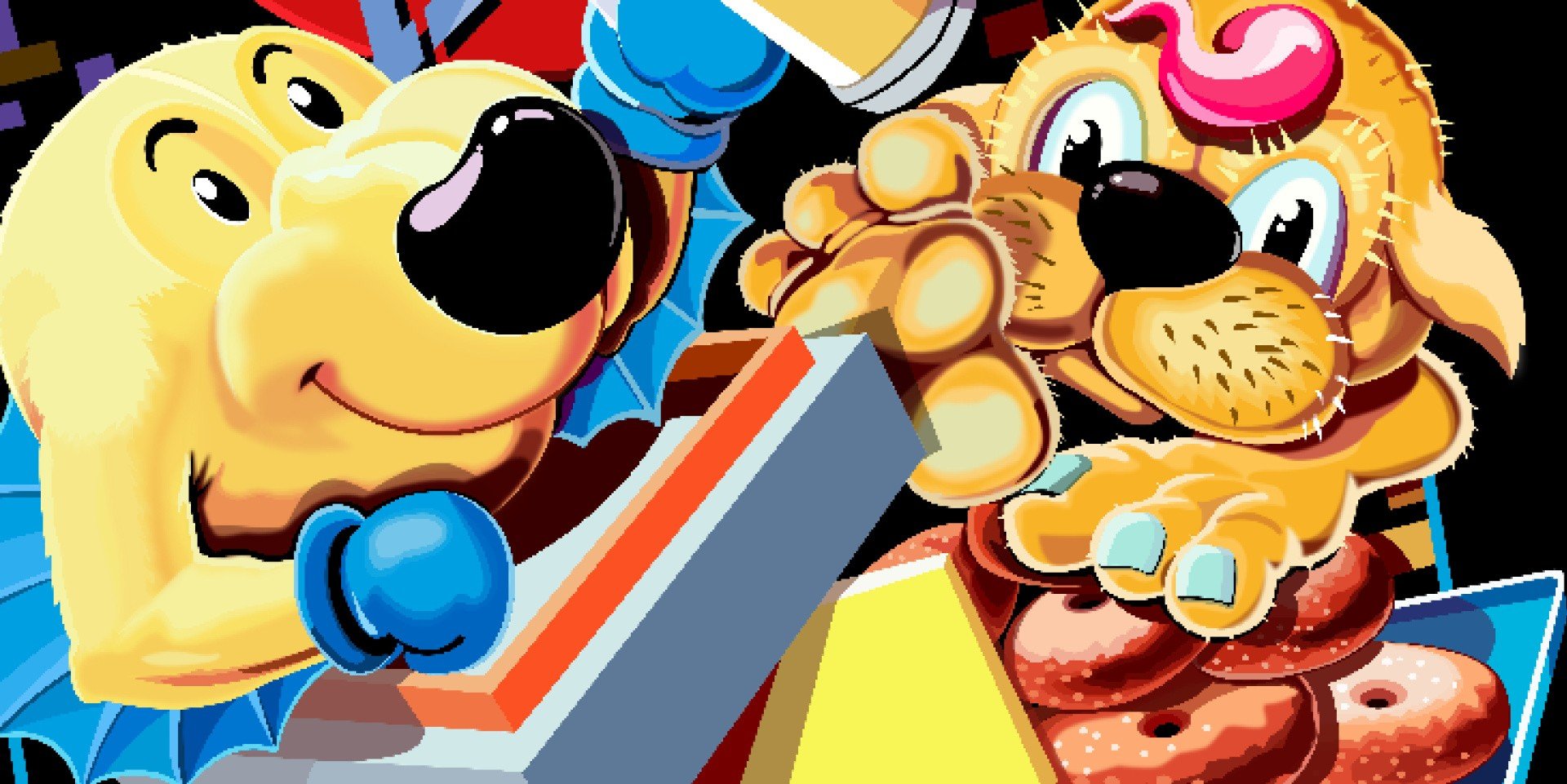
In a press release, Porch expressed his profound excitement: "You simply cannot believe how excited I am. Since working on the original game back in the ‘80s, this sequel has been an enormous part of my life. Over the last 30+ years, I’ve added a host of new features to give a new edge to the gameplay while retaining the core ‘feel’ of the original. It’s definitely my sort of game, with logical puzzles that challenge your brain rather than your reflexes. Devious? Certainly! But fair, too. Let battle commence!"
His statement highlights a crucial aspect of Return to Blacktooth: it aims to honor the spirit of the original while introducing fresh elements. Porch has been diligently adding new rooms, intricate level designs, and innovative puzzles. Thalamus Digital, the game’s publisher, confirms that he has also conceived "a host of challenging new gameplay mechanics." This approach promises a sequel that feels both nostalgic and novel, a delicate balance that is often difficult to achieve in retro revivals. The emphasis on "logical puzzles that challenge your brain rather than your reflexes" reassures fans that the intellectual depth of the original will be faithfully preserved and expanded upon.
Thalamus Digital and Atari: Catalysts for a Classic Revival
The journey of Return to Blacktooth from a secret personal project to a commercially released title has been significantly aided by the involvement of Thalamus Digital Publishing and Atari. Thalamus Digital, known for its commitment to classic gaming and retro re-releases, recognized the immense potential and cultural significance of Porch’s work.
Andy Roberts, founder and CEO of Thalamus Digital, articulated his passion for the project: "As a diehard fan of the original Head over Heels, I was adamant that we had to bring Colin’s sequel to its target audience. The game is a labour of love crafted with the utmost care and respect for the original, and I can’t wait for players to dive back into the world of the eponymous Head and Heels once again. I’m also incredibly grateful that Atari shared our passion for the project from the outset – it’s been a privilege to work with their team to bring the game to fruition."
Roberts’ statement underscores the collaborative effort and shared enthusiasm that propelled Return to Blacktooth to completion. Atari’s involvement, lending its brand and resources, further legitimizes the project and provides valuable support for its distribution and reach. This partnership exemplifies a growing trend in the gaming industry where established entities are recognizing the value of niche, passion-driven projects, particularly those that tap into the rich heritage of video game history. The combined efforts of a dedicated developer, a specialized retro publisher, and a historic gaming brand create a powerful synergy capable of bringing unique titles like Return to Blacktooth to fruition.
Gameplay Evolution and Technical Specifications
Return to Blacktooth is officially pitched as a "3D isometric arcade adventure," faithfully adhering to the genre conventions established by its predecessor. The game promises an expansive experience, featuring over 350 rooms spread across five distinct worlds. This scale is ambitious for its target platforms and suggests a journey even grander in scope than the original’s already impressive map.
Players will once again control two playable characters, presumably Head and Heels, suggesting a continuation of the beloved dual-character mechanics that defined the original. The inclusion of a "host of enemies" indicates that players will face various challenges beyond environmental puzzles, requiring strategic engagement and tactical thinking.
Visually, Return to Blacktooth is designed to offer "16-bit-level visuals," a crucial detail for a game targeting the Amiga and Atari ST. These platforms, particularly the Amiga, were celebrated for their graphical capabilities in the late 1980s and early 1990s, offering a significant leap from the 8-bit machines. Ensuring that the sequel leverages these capabilities to deliver rich, detailed environments and character sprites will be key to capturing the authentic retro aesthetic while still providing a visually engaging experience. The commitment to these specific visual standards demonstrates a deep respect for the target hardware and the expectations of its dedicated fanbase.
A Phased Rollout: Future Platforms and Accessibility

While the initial release of Return to Blacktooth is confirmed for the Commodore Amiga and Atari ST, Thalamus Digital has outlined broader ambitions for the game’s availability. The publisher plans to extend its reach to other retro platforms, including the Atari Jaguar, Commodore 64, ZX Spectrum, and ZX Spectrum Next. This multi-platform retro strategy ensures that a wider segment of the classic gaming community can experience Porch’s creation, catering to the diverse ecosystem of vintage hardware enthusiasts.
Beyond the retro sphere, there are also plans to bring Return to Blacktooth to modern platforms, specifically PC and contemporary consoles. This phased rollout strategy is a smart move, allowing the game to first celebrate its roots on the machines for which it was originally conceived, before potentially introducing it to a new, broader audience. Porting to PC and consoles would make the game accessible to players who might not own or have access to classic hardware, allowing them to experience a piece of gaming history reimagined through modern emulation or re-coding. This approach could significantly expand the game’s cultural footprint, bridging the gap between generations of gamers.
The Retro Revival: Broader Implications for Gaming
The impending release of Return to Blacktooth: A Head Over Heels Adventure carries significant implications for the retro gaming community and the broader industry. It serves as a powerful testament to the enduring appeal of classic game design and the passion that continues to drive both developers and players in the retro scene.
Firstly, it highlights the viability of developing new content for legacy platforms. While emulators and re-releases are common, a brand-new, high-profile sequel specifically engineered for original hardware is a rare and celebrated event. This can energize the retro computing scene, encouraging hardware enthusiasts, collectors, and other independent developers to pursue similar projects.
Secondly, Colin Porch’s 36-year development journey is an inspiring narrative of perseverance. It showcases that passion projects, even those spanning decades, can ultimately find an audience and a path to publication. This could inspire other long-term, independent developers who are toiling away on their dream projects.
Thirdly, the collaboration between Thalamus Digital and Atari demonstrates a growing recognition of the commercial and cultural value of retro intellectual property. Publishers are increasingly looking back at their catalogs, not just for remasters, but for opportunities to expand beloved franchises in authentic ways. This trend contributes to game preservation efforts, ensuring that classic gameplay styles and narratives remain relevant and accessible.
Finally, the release of Return to Blacktooth provides a unique opportunity for cultural exchange between generations of gamers. Veterans will experience a cherished world revisited, while younger players, accustomed to modern graphics and mechanics, can discover the intricate puzzle design and innovative gameplay that defined an earlier era of gaming. It serves as a bridge, reminding us that good game design transcends technological advancements.
Anticipation Builds
As the confirmed release date for Return to Blacktooth: A Head Over Heels Adventure draws near, anticipation within the gaming world is palpable. This game is more than just a sequel; it is a labor of love, a historical artifact, and a testament to the timeless appeal of a classic. Colin Porch’s decades-long dedication, coupled with the support of Thalamus Digital and Atari, has forged a unique entry into the annals of video game history. Fans old and new eagerly await the chance to once again guide Head and Heels through a world of cunning puzzles and challenging adventures, proving that some legends never truly die, they simply take a long, secret journey home.