Vera Clarissa
The Vintage Computer Festival (VCF) Midwest, held annually in the Chicago metropolitan area, serves as a pilgrimage site for enthusiasts dedicated to the preservation of early consumer electronics. During the 2026 iteration of the event, a discarded 2006 1.83 GHz Intel Core Duo MacBook was salvaged from a parts bin provided by the Wisconsin Computer Club. This machine, a seminal piece of hardware in Apple’s transition from PowerPC to Intel architecture, represents a pivotal moment in personal computing history. Its restoration offers a case study in how aging hardware, once deemed obsolete by modern standards, can be maintained and rendered functional through community-driven software development and hardware optimization.

Historical Context and Technical Specifications
Launched in May 2006, the original MacBook replaced the iconic iBook G4, marking the first time Apple integrated Intel processors into its consumer-grade portable line. The model recovered at VCF Midwest is an early-production unit, distinguished by its 1.83 GHz Core Duo processor and the signature polycarbonate white chassis. At the time of its release, the MacBook was praised for its aesthetic design and significantly improved performance over its G4 predecessor. However, the 32-bit architecture of the Core Duo chip eventually placed a hard ceiling on software support, with Apple officially ending support for the hardware long before the transition to 64-bit-only operating systems became standard.
Initial Assessment and Diagnostic Procedures
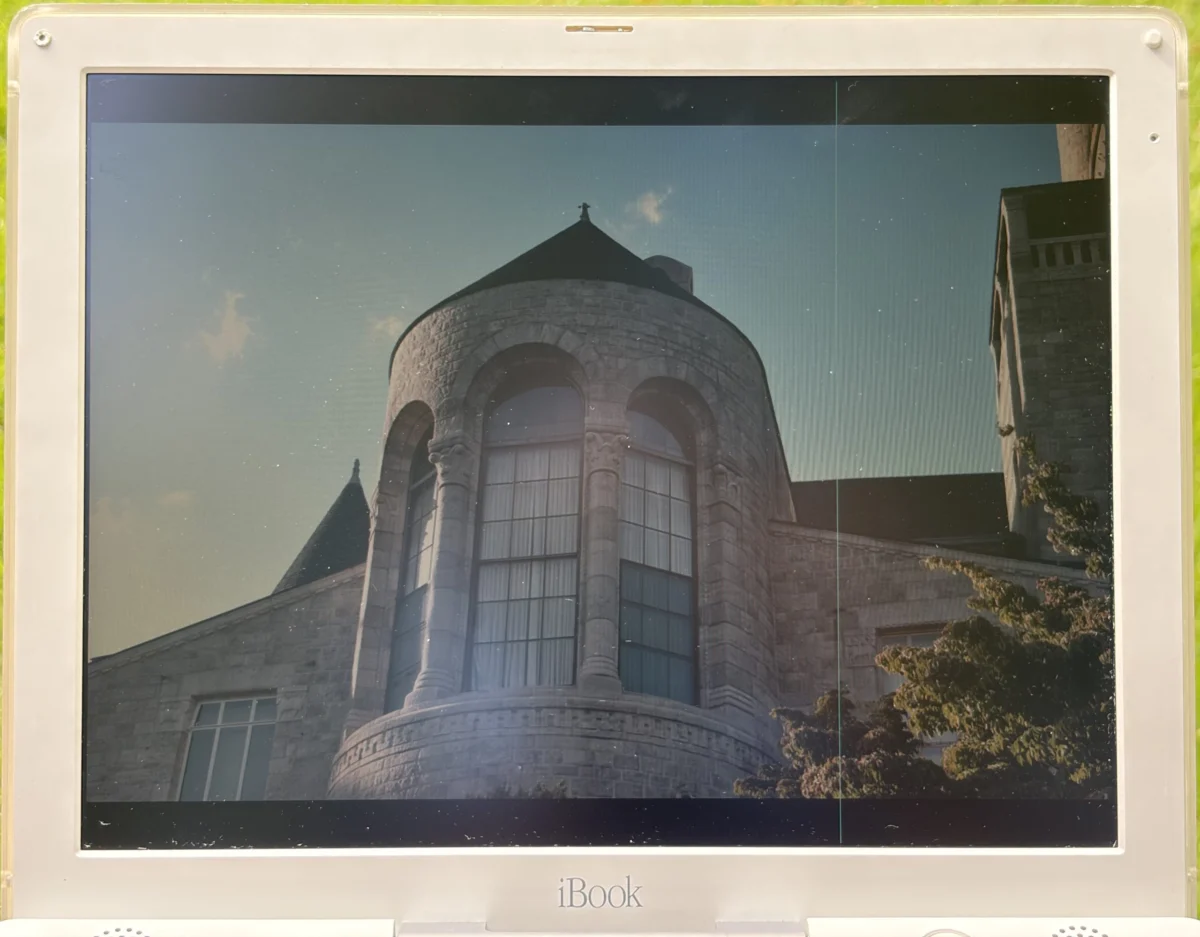
The recovery of the device began with a comprehensive diagnostic phase. Upon initial power-on, the device displayed intermittent screen artifacting, a common failure point in legacy laptops due to oxidation or loose seating of internal display ribbons. The technician performed a physical inspection of the LVDS (Low-Voltage Differential Signaling) connector, identifying it as the source of the visual anomalies. By reseating the connection, the display was restored to full functionality without the need for component replacement.
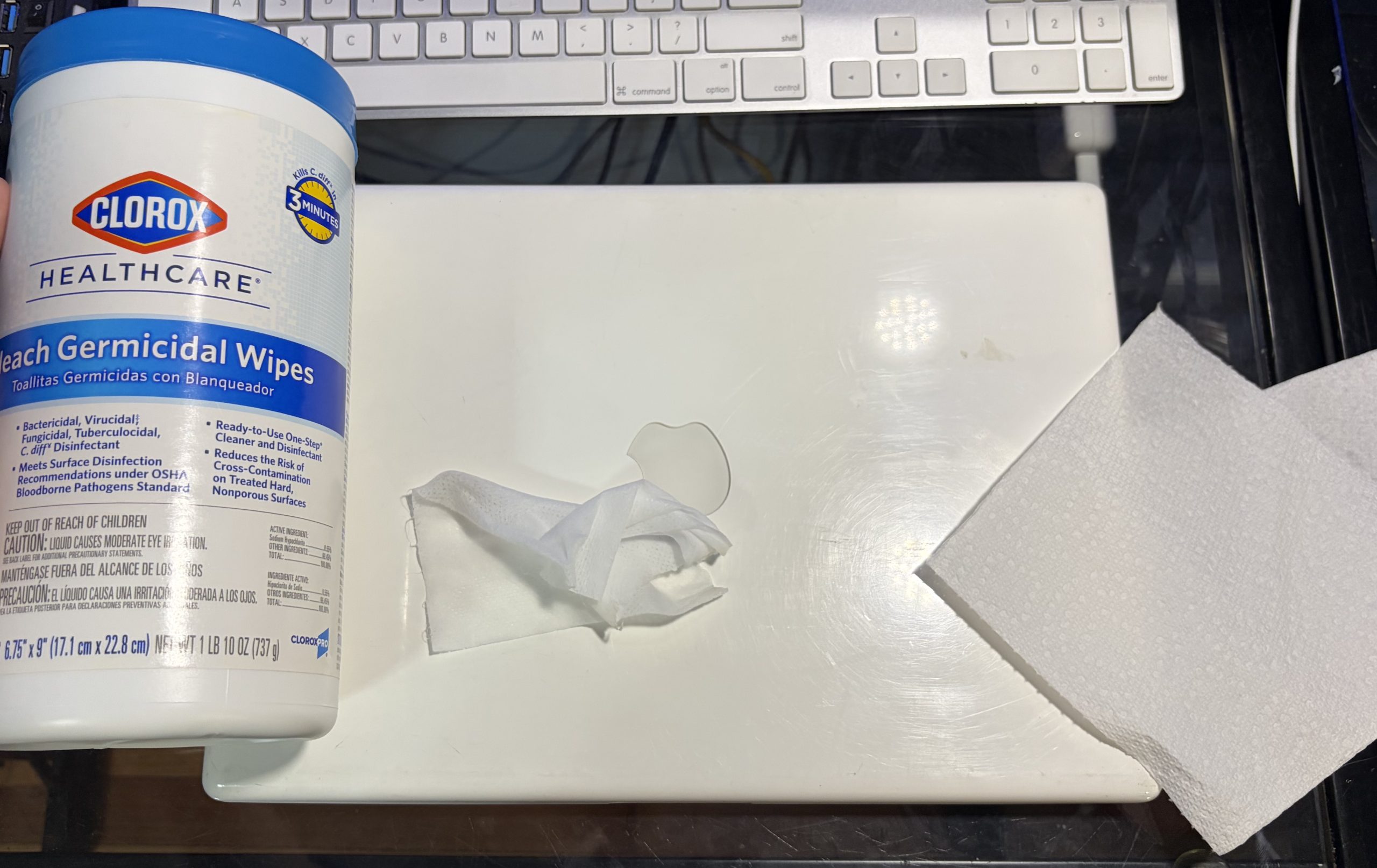
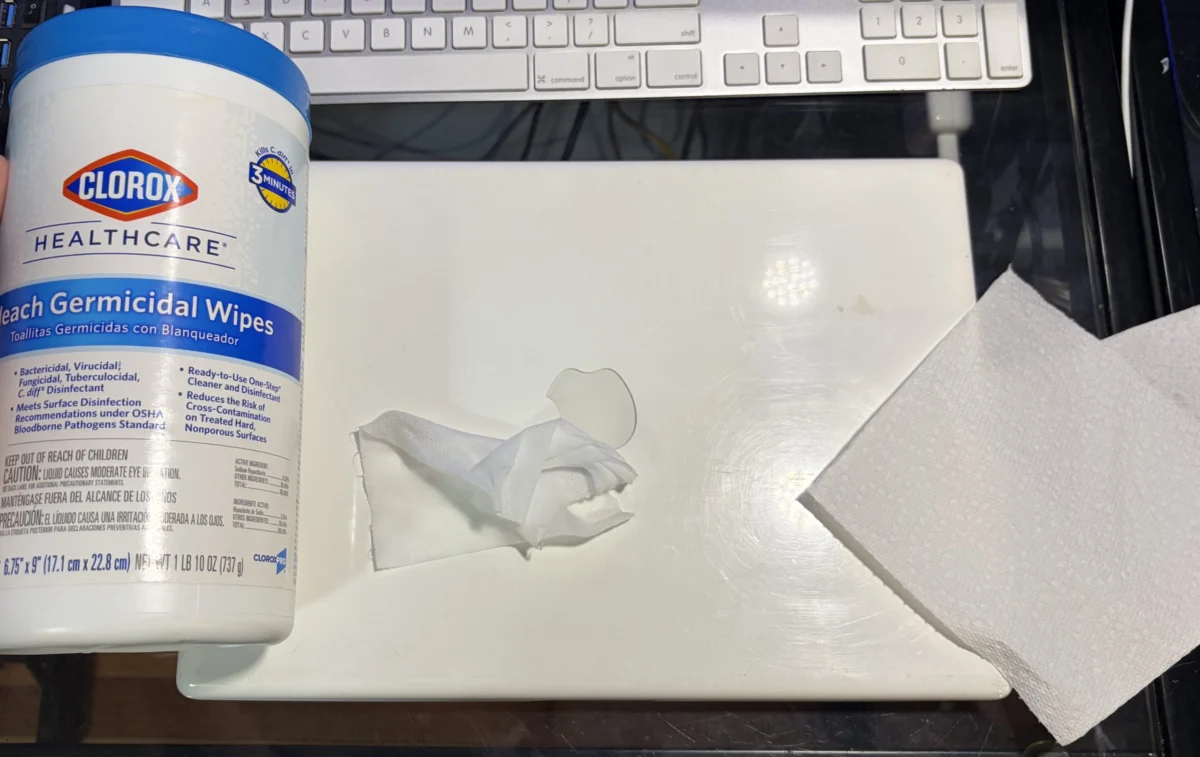
Further inspection revealed the necessity of internal maintenance. The original thermal interface material (TIM) between the CPU and the heat sink had degraded, leading to thermal instability. The removal of the legacy paste and the application of modern Arctic MX-4 thermal compound ensures that the processor remains within safe operating temperatures during intensive tasks. Additionally, the internal polycarbonate shell, often prone to discoloration and staining over two decades of use, was treated with specialized cleaning agents to restore its structural integrity and visual clarity.
The Challenge of Modern Operating Systems
A significant hurdle in the restoration of 2006-era Intel Macs is the limitation of the native operating system, Mac OS X Snow Leopard. While stable, it lacks modern security protocols and compatibility with contemporary web standards. The project objective involved installing Mac OS X 10.7.2 Lion—an operating system not officially supported by the early 32-bit Core Duo firmware.
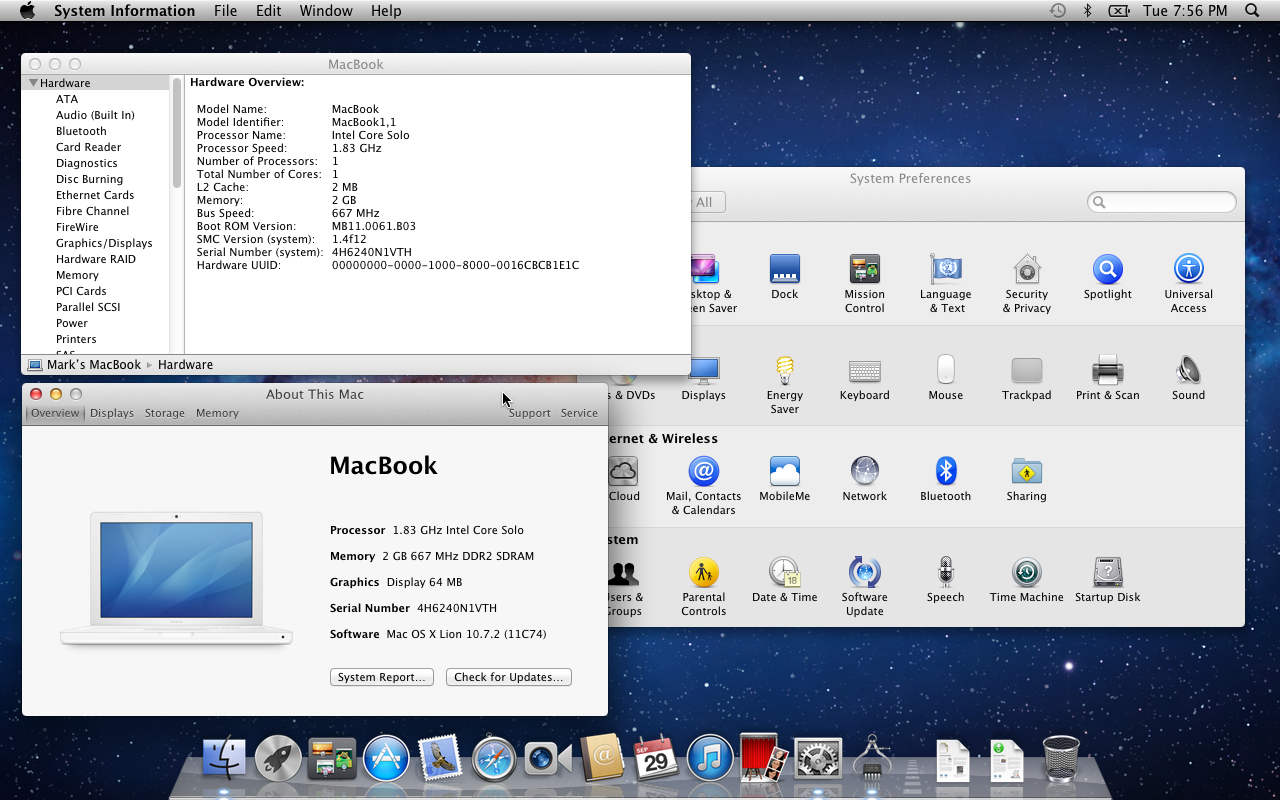
The process of installing Lion on this hardware proved complex. Initial attempts using standard cloning software, such as Carbon Copy Cloner 4, resulted in a "crossed-out" kernel panic, indicating a bootloader mismatch. By following advanced procedures documented by the enthusiast community on platforms like MacRumors, the technician was able to circumvent these limitations. During a deliberate attempt to debug the boot sequence in "verbose mode," the machine unexpectedly triggered a low-level firmware update. This undocumented sequence enabled the hardware to communicate effectively with the Lion kernel, allowing for a successful boot into build 11C74.
Software Innovation and Web Compatibility
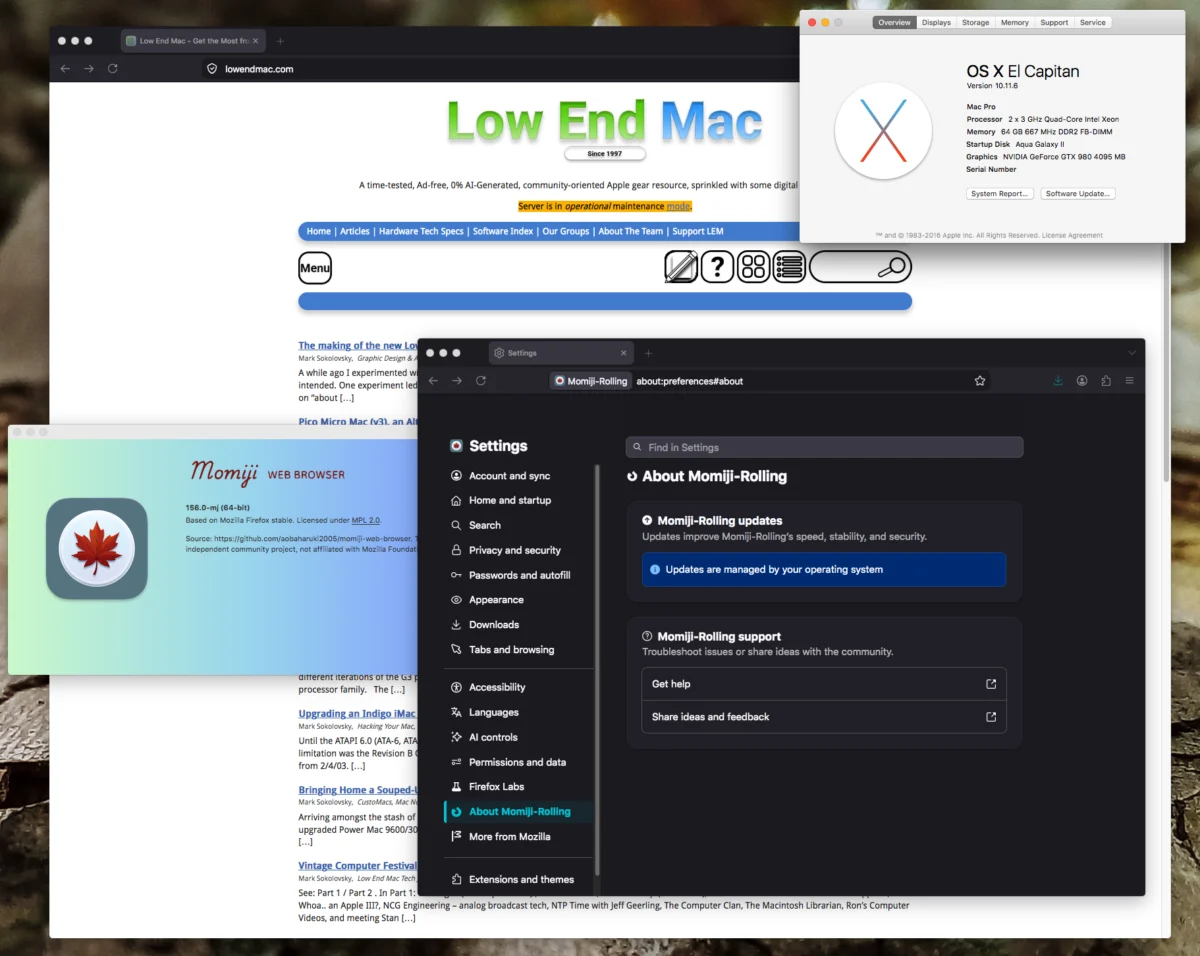
The primary limitation for any retro-computer user today is the inability of legacy web browsers to render modern encrypted websites. This is where the PowerFox browser, a community-developed project, becomes essential. PowerFox enables 32-bit Intel Macs to interpret modern web traffic, effectively bridging the gap between 2006 hardware and 2026 internet standards.

The integration of PowerFox on this MacBook required specific optimization. The Intel GMA 950 integrated graphics chip, while capable of basic 2D rendering, struggles with modern hardware acceleration. By disabling hardware-accelerated rendering in the browser’s configuration files, the technician was able to stabilize the interface, allowing for the functional loading of search engines and news portals. While high-definition video playback remains beyond the capability of the CPU and GPU, basic web navigation is now viable.
Comparative Hardware Analysis and Future Upgrades
The current configuration of the MacBook is rudimentary: an 80 GB mechanical hard drive and limited RAM. To evaluate the machine’s true potential, a roadmap for further enhancement has been established:

- Storage: Transitioning from the legacy 80 GB hard disk drive (HDD) to a SATA solid-state drive (SSD) is the most critical upgrade. SSDs eliminate the mechanical latency of spinning platters, which significantly improves boot times and file system responsiveness in macOS.
- Memory: Upgrading the system to 3 GB of DDR2 RAM—the maximum capacity supported by the 2006 chipset—will provide the necessary overhead for running multiple background processes, which is essential for the stability of the Lion operating system.
- Battery: As the original Lithium-ion batteries for these units are long since defunct, the procurement of modern third-party replacement cells is planned to restore the portability of the device.
Broader Implications of Legacy Restoration
The restoration of this MacBook is not merely a hobbyist endeavor; it serves as a testament to the longevity of industrial design and the resourcefulness of the open-source community. By keeping these devices in operation, enthusiasts reduce electronic waste and preserve the history of personal computing.
From an industry perspective, the success of running modern-adjacent software on 20-year-old silicon highlights the inefficiency of "planned obsolescence." While mainstream software developers often terminate support for older architectures to prioritize performance, the community-driven development of browsers like PowerFox proves that hardware can remain useful well beyond its manufacturer-mandated support window.

Conclusion and Ongoing Research
The 2006 MacBook, once headed for a scrap pile, has been returned to a state of utility. While it will never compete with modern silicon in raw processing power, its current state—running a modified version of Lion with a functional, modern-compatible web browser—demonstrates that the gap between vintage and modern can be narrowed.
Future testing will focus on benchmarking the machine’s performance after the installation of the SSD and the maxed-out RAM configuration. These tests aim to determine if the device can maintain stability under heavier workloads, such as local document editing and offline productivity tasks. As the tech industry continues to push for faster turnover cycles, the work being done at events like VCF Midwest provides a necessary perspective on the durability and potential of the devices we leave behind. The restoration project is currently ongoing, with further updates expected as the hardware reaches its final intended configuration.