Hartono Sudibyo
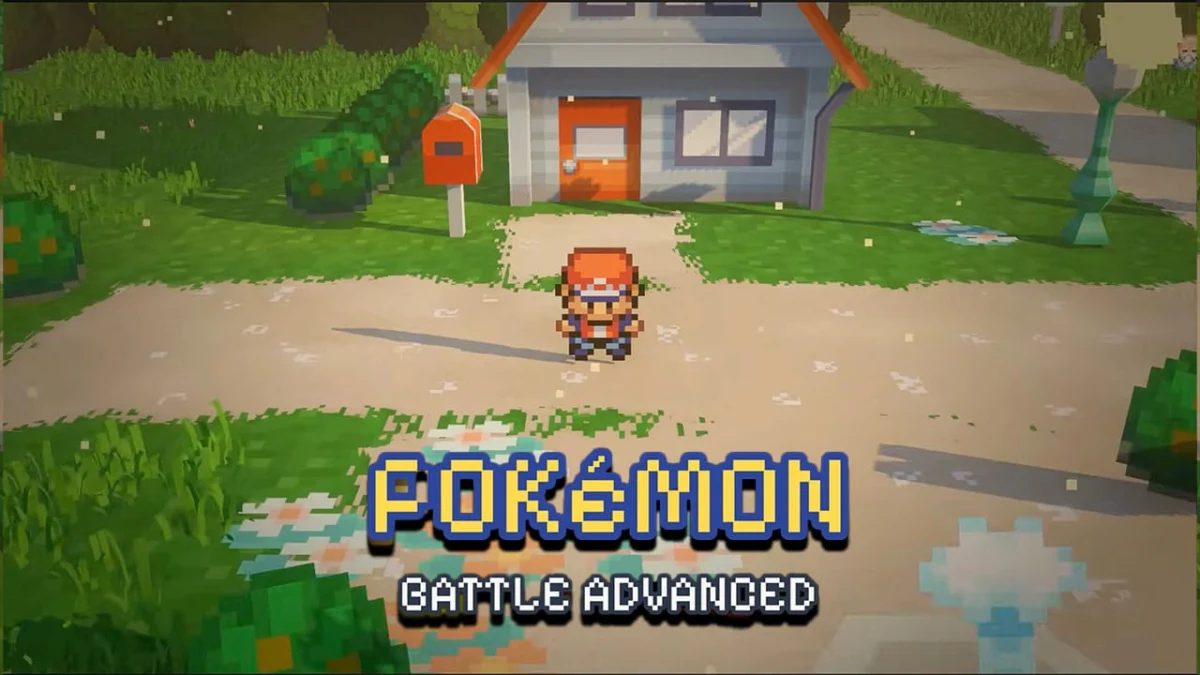
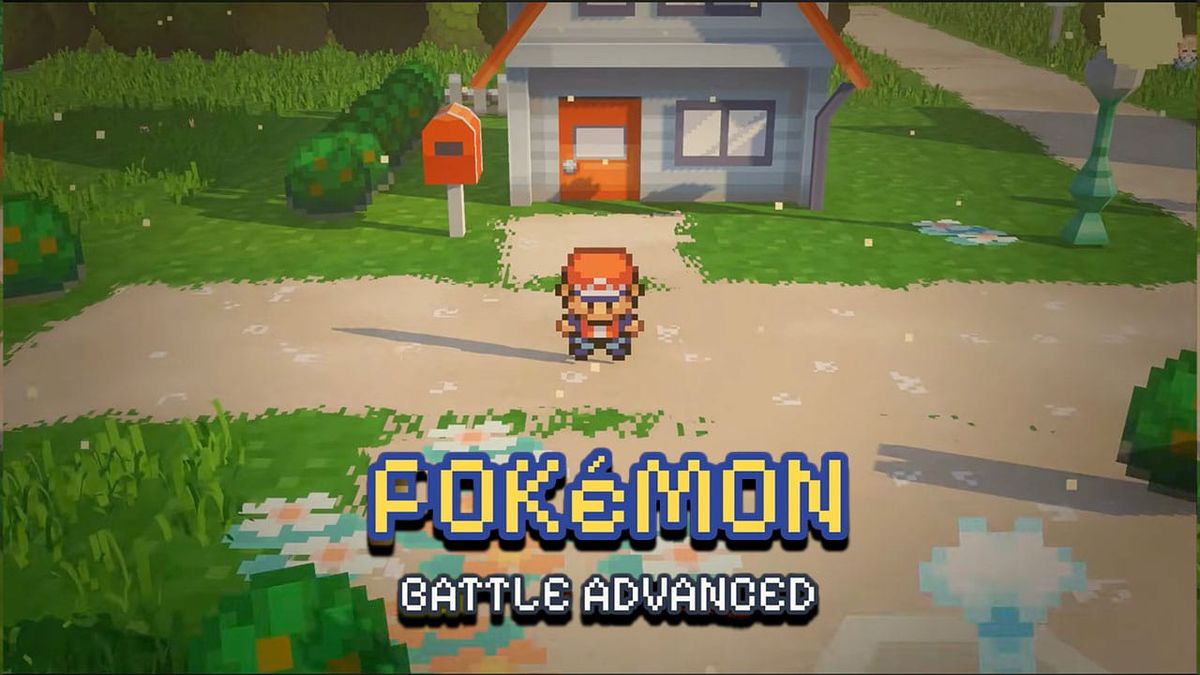
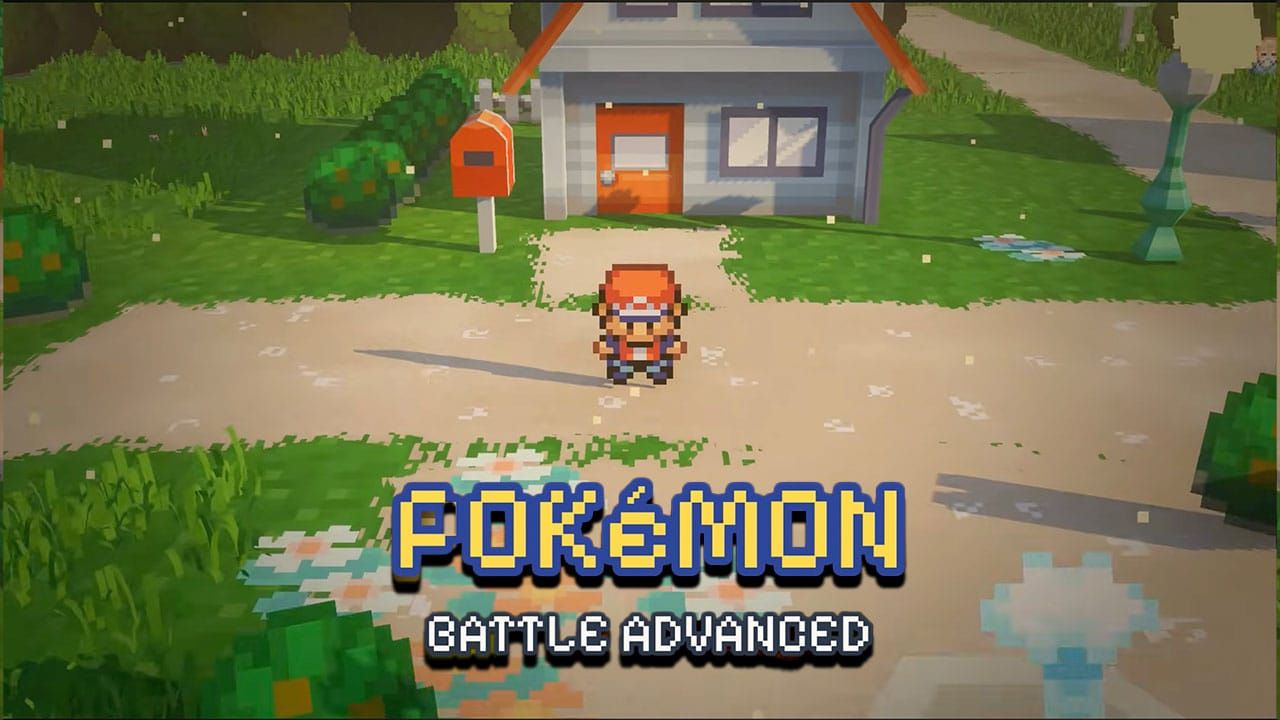
The landscape of Pokémon fan modifications and derivative projects has shifted significantly with the release of Pokémon Battle Advanced, a reimagined version of Pokémon FireRed developed by creator The Daigan. Available to play directly through web browsers via Itch.io without requiring complex ROM patching, emulator setups, or technical configuration, the project transitions the classic Game Boy Advance experience into a dynamic, three-dimensional environment. Featuring real-time combat mechanics, advanced environmental lighting, and atmospheric weather systems, the release represents a technical departure from the franchise’s traditional turn-based roots.
Main Facts and Technical Overview
Pokémon Battle Advanced reimagines the familiar Kanto region through a contemporary visual lens, blending voxel-style assets with modern rendering techniques often compared aesthetically to high-definition 2D and voxel crossover projects. Players navigate a fully realized 3D world where environmental details react to external conditions. Flowers sway in dynamic wind currents, fireflies populate evening landscapes, and a fully functional day-and-night cycle alters the lighting of the game world in real time, activating streetlamps and building lights as darkness falls.
The most notable departure from official Pokémon titles lies in its combat system. Traditional turn-based menus have been replaced with real-time tactical action. During encounters with wild Pokémon and trainers, players maneuver their starter Pokémon across the field while monitoring health bars displayed at the top of the screen, mirroring the presentation of boss encounters in contemporary action-RPG titles. Furthermore, the demo introduces tag-team mechanics for wild encounters and features structured real-time boss battles against formidable opponents, such as the Pewter City Gym Leader Brock and his signature Onix.
Evolution of Pokémon Fan Modifications
The release arrives amid a broader wave of technological innovation within the retro gaming and emulation communities. Historically, transforming titles like Pokémon Red, Blue, or FireRed required advanced knowledge of assembly language, graphic editing tools such as Advance Map, and hexadecimal editing. Players interested in enhanced versions of classic games typically had to apply IPS or UPS patches to legally extracted ROM files and run them through specialized emulators.
Recent years, however, have seen a surge in browser-based accessibility and procedural tools. Projects utilizing 3D voxel engines have captured the imagination of the retro gaming community by granting free-roaming camera control and curved-horizon perspectives to legacy titles. Despite their visual appeal, these earlier mods often presented steep technical hurdles for casual users. Pokémon Battle Advanced addresses this barrier to entry by leveraging modern web technologies to host the playable demo directly on cloud-hosting platforms like Itch.io, allowing instantaneous execution without installation requirements.

Chronology and Development Scope
The development of Pokémon Battle Advanced represents a synthesis of traditional human game design and modern technological assistance. According to disclosures on the project’s official distribution page, artificial intelligence tools were utilized to assist with coding and development efficiency—a practice increasingly common in independent browser-game development. However, the core creative direction, world design, and structural integration remain the product of independent design work by The Daigan.
The current public release is structured as an introductory demo. Content is limited to the initial stages of the Kanto journey, culminating in the player’s confrontation with Brock at the Pewter City Gym. This targeted scope allows the developer to test complex real-time combat mechanics, pathfinding, and browser performance before expanding the project to encompass subsequent gym leaders, routes, and legendary encounters.
Broader Impact and Industry Implications
The project highlights the enduring cultural footprint of Generation I and Generation III Pokémon titles, which continue to serve as a foundational canvas for independent developers and modding communities. While official franchise developer Game Freak and publisher Nintendo maintain strict intellectual property enforcement policies regarding derivative works, fan projects continue to explore alternative design philosophies that diverge from the official series’ trajectory.
The integration of real-time action mechanics into the Pokémon formula frequently sparks discussion among long-term players regarding the future evolution of the official franchise. While mainline entries such as Pokémon Legends: Arceus and Pokémon Legends: Z-A have introduced semi-real-time mechanics, action-oriented evasion, and untethered overworld interaction, fan-made adaptations like Pokémon Battle Advanced demonstrate the appetite within the community for more radical departures from traditional battle systems.
As the development of Pokémon Battle Advanced continues, observers within the retro gaming and indie development sectors are monitoring how browser-based engines handle more complex gameplay systems. The eventual inclusion of advanced Kanto content—such as anticipated encounters with legendary Pokémon like Mewtwo and Moltres—will serve as a crucial test for the scalability of real-time boss mechanics within a browser environment. For now, the public demo stands as an accessible technological showcase of how classic sprite-based adventures can be reinterpreted through modern interactive lenses.