Hartono Sudibyo
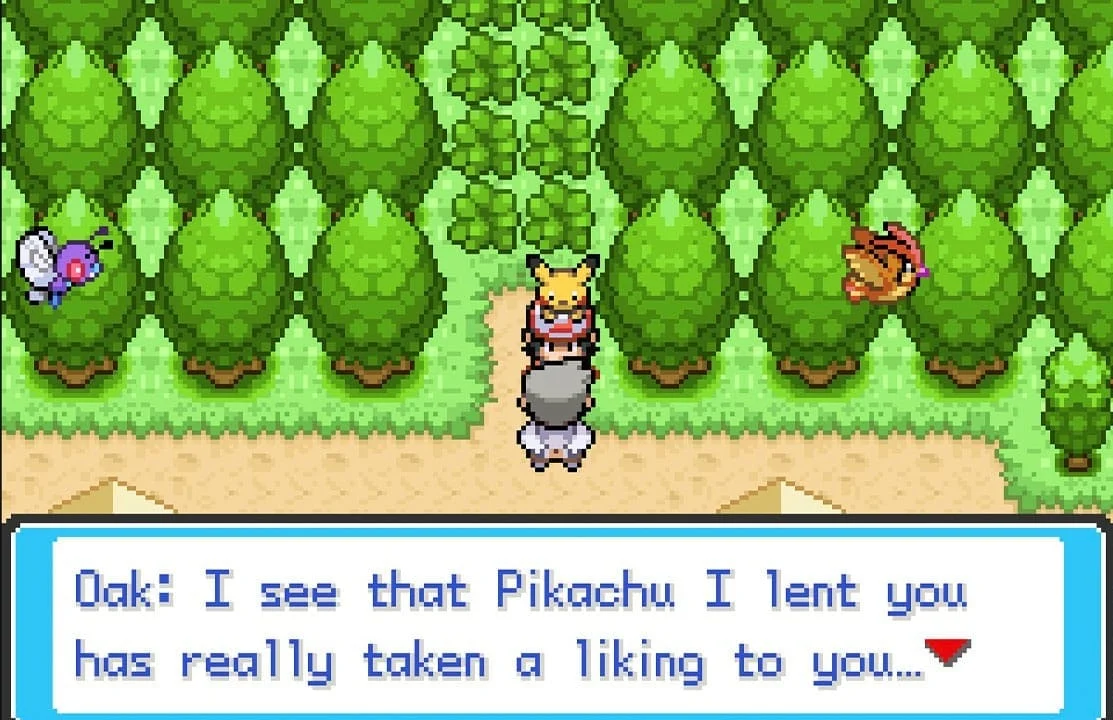
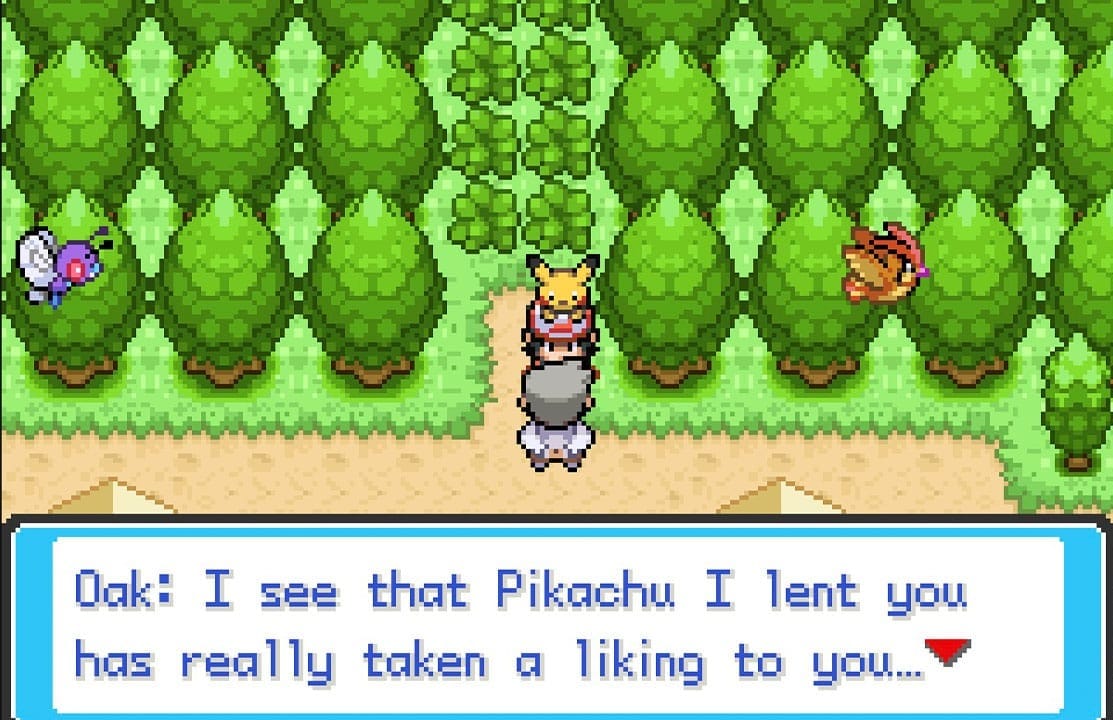
The landscape of retro video game preservation and community-driven modification has reached a significant milestone with the release of a complete English translation for Pokémon Let’s Go Pikachu and Eevee GBA. Originally developed from scratch by Spanish ROM hacker Kevin PokeFan, the project successfully adapts the modern Nintendo Switch mechanics and Kanto-region reimaginings back onto Game Boy Advance hardware, specifically utilizing Pokémon FireRed as its foundational base.
For years, the linguistic barrier restricted the reach of Kevin PokeFan’s technical achievement to Spanish-speaking retro gaming enthusiasts. However, following prolonged inactivity from the original creator and an unresponsive development channel, a community member operating under the pseudonym logicalpuddings undertook the monumental task of translating the modification entirely by hand. The newly minted English patch has since been published on Hackdex, opening the experience to a global audience of handheld gaming aficionados.
Main Facts and Scope of the Translation Project
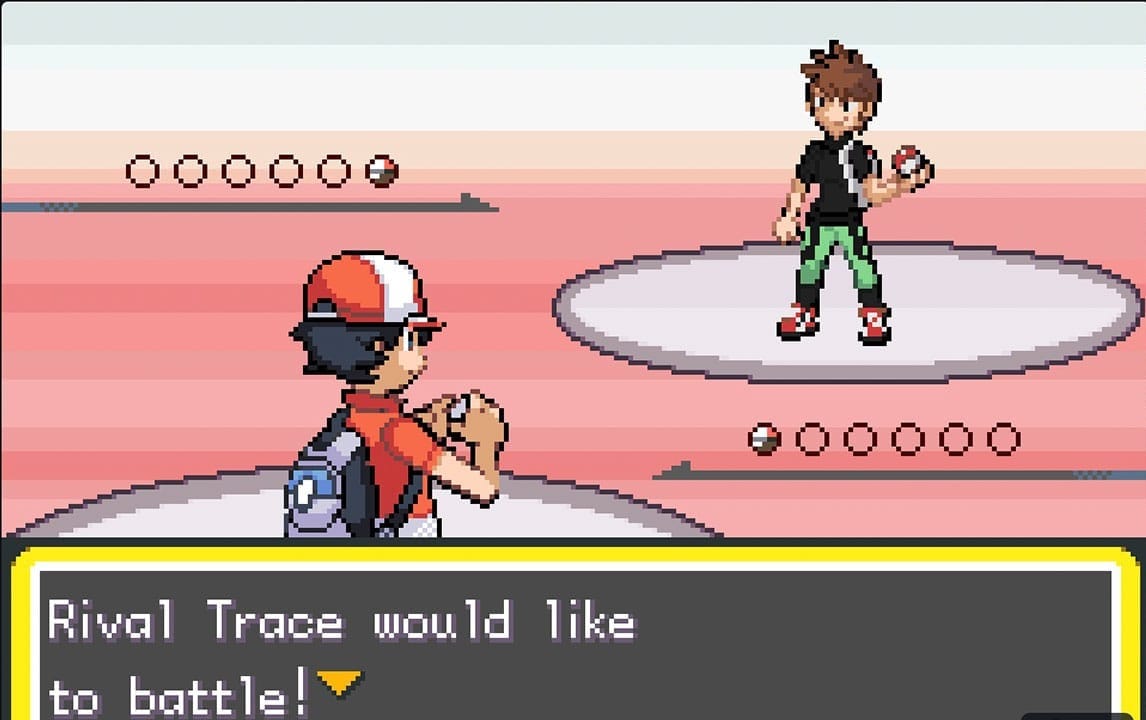
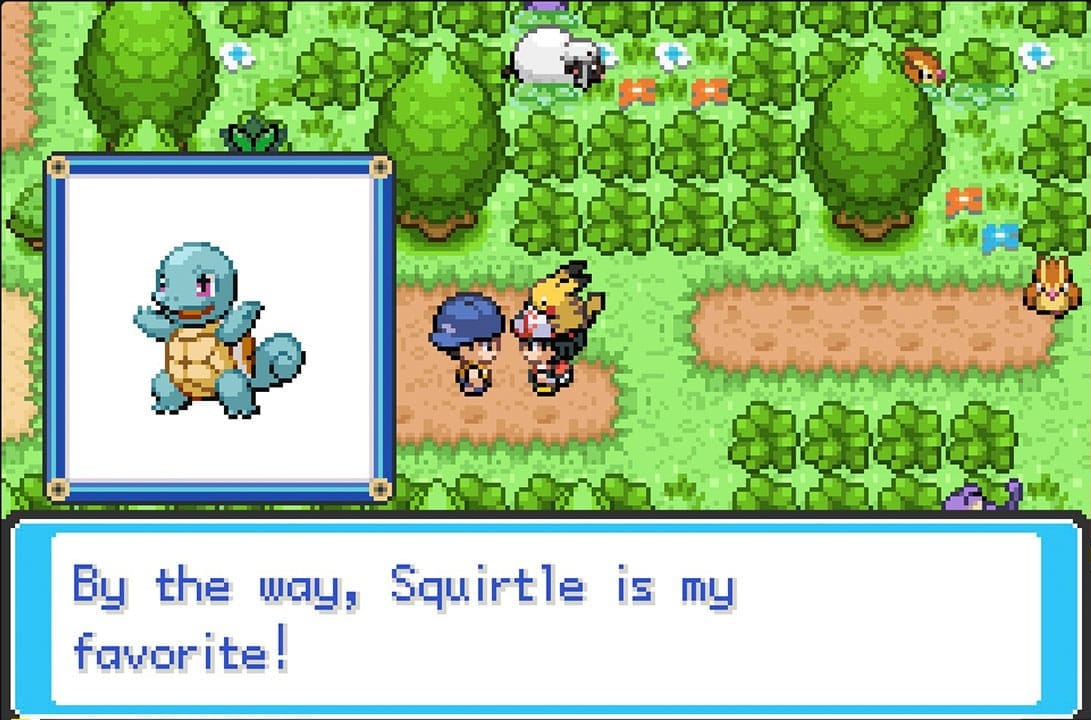
The newly released patch addresses roughly 99% of the text within the game. This comprehensive localization effort encompasses standard non-player character (NPC) dialogue, environmental signposts, intricate battle text, comprehensive Pokédex entries, and descriptive terminology for abilities, items, and moves.
Crucially, the localization was executed entirely without the assistance of artificial intelligence tools, a detail explicitly documented in compliance with modern repository standards on platforms like Hackdex. Logicalpuddings preserved the artistic integrity of Kevin PokeFan’s original vision, maintaining all custom graphical assets, sprites, and environmental designs crafted during the Spanish release. Furthermore, the translation patch intentionally leaves the inherent bugs and technical quirks of the initial ROM hack untouched to preserve the author’s authentic codebase.
However, alongside the linguistic overhaul, logicalpuddings incorporated optional minor technical refinements—spanning one to three bytes—designed to correct move functionalities and associated battle side effects. Players are provided the flexibility to apply these minimal engine adjustments or experience the modification in its original, unaltered state.

Chronology and Background Context
To understand the significance of this release, one must examine the lineage of the Pokémon franchise on handheld hardware and the evolution of modern ROM hacking.
In 2004, Nintendo and Game Freak released Pokémon FireRed and LeafGreen for the Game Boy Advance. These titles served as definitive, enhanced remakes of the original 1996 Game Boy titles, Pokémon Red and Blue. They integrated updated graphics, the physical/special split mechanics of later generations, and the Sevii Islands expansion, cementing themselves as cornerstones of the GBA library.
Over a decade later, in 2018, Nintendo released Pokémon: Let’s Go, Pikachu! and Let’s Go, Eevee! for the Nintendo Switch. These titles bridged the gap between traditional core RPGs and the mobile phenomenon Pokémon GO, introducing overworld encounters, simplified catch mechanics inspired by Niantic’s application, and modernized high-definition aesthetics while retaining the classic Kanto map layout.
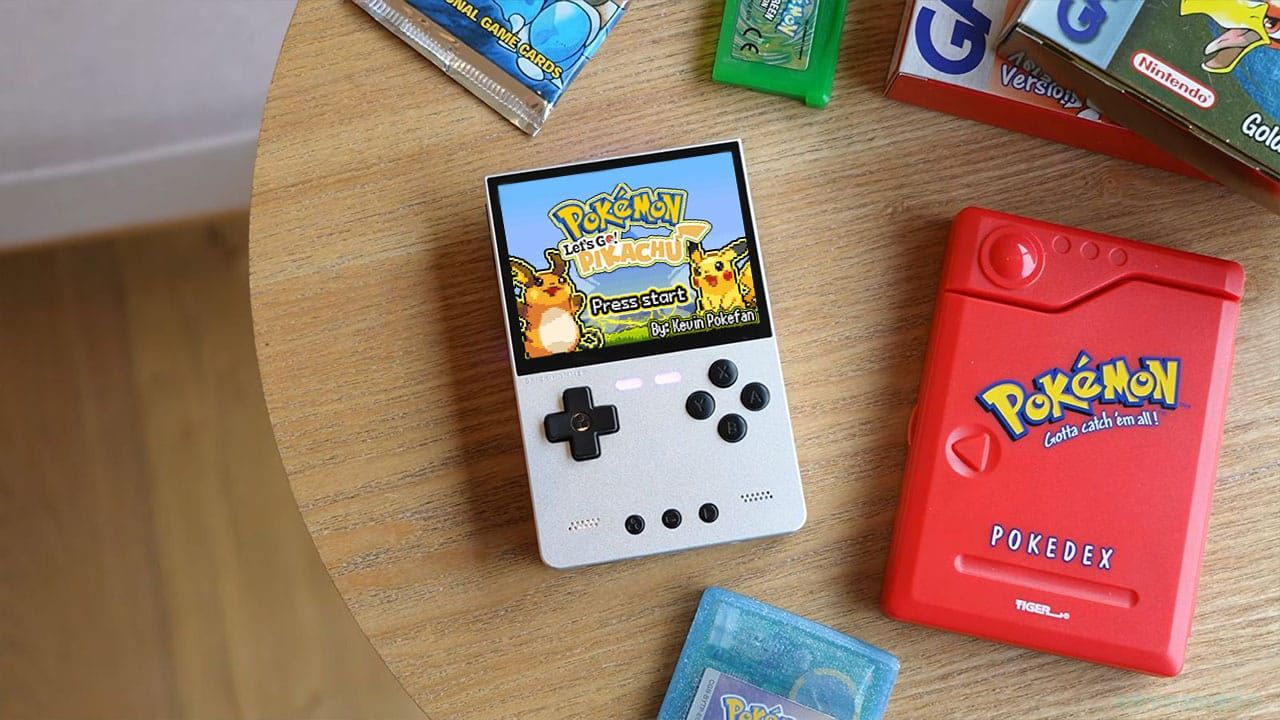
Sensing an opportunity to bring the modern Switch experience full circle back to legacy hardware, Spanish developer Kevin PokeFan initiated a project to demake Let’s Go Pikachu and Eevee. Working from scratch, the developer restructured the GBA architecture of Pokémon FireRed to mirror the visual style, encounter philosophy, and pacing of the 2018 Nintendo Switch titles. Upon its initial completion, the ROM hack gained critical acclaim within the Spanish-speaking emulation community for its high level of polish and technical ingenuity.
Despite its success, the language barrier limited its broader international adoption. Communication channels, including the official Discord server associated with the project, gradually fell into disarray as development stalled and the creator became inactive. Recognizing a stagnation in project outreach, logicalpuddings attempted multiple formal inquiries to secure official authorization for an English localization. Receiving no response due to months of creator dormancy, logicalpuddings proceeded with an independent translation to prevent the technical achievement from remaining isolated to a single linguistic demographic.
Technical Implementation and Requirements
The application of the English translation requires adherence to standard ROM modification protocols. Users must supply a legally acquired, unedited ROM of Pokémon FireRed (specifically Revision 0) to serve as the baseline base file. Patching utilities, such as Lunar IPS or online patching tools available through the Hackdex repository, are then utilized to merge the patch file with the base ROM.
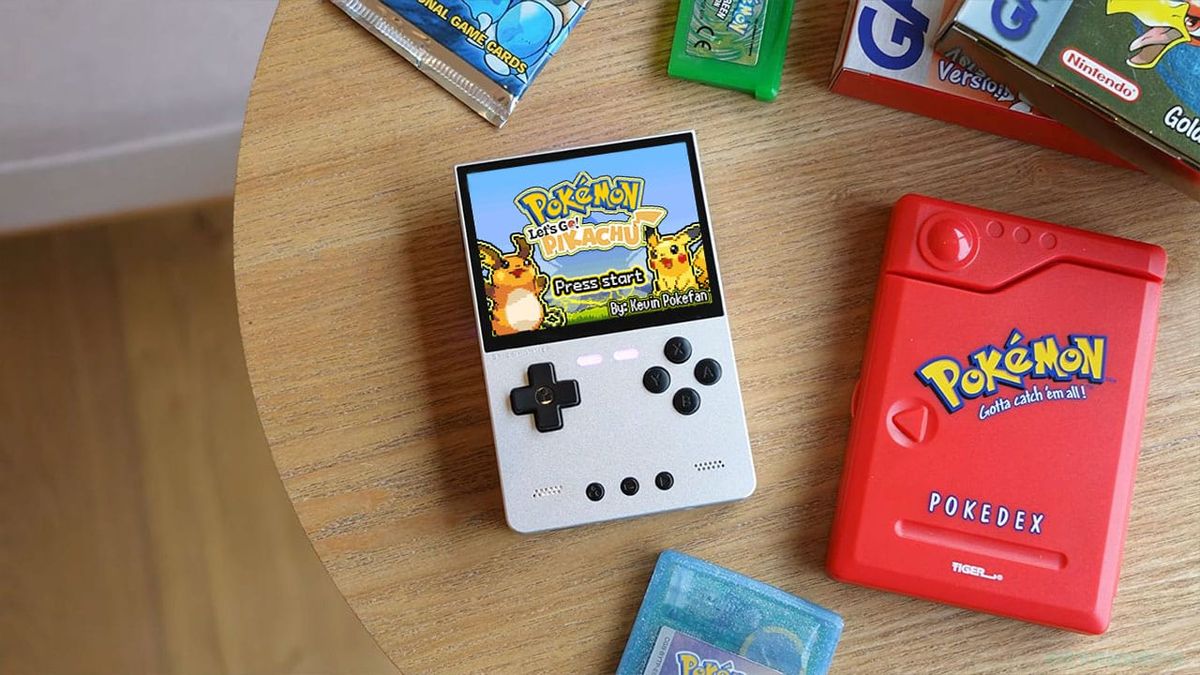
Because the underlying engine relies on the Game Boy Advance architecture, the modified game is fully compatible with authentic hardware via flash carts—such as the EZ-Flash Omega or EverDrive-GBA—as well as a vast array of modern retro handheld emulators. Devices ranging from high-end emulation consoles to pocket-sized systems like the Trimui Brick can run the translated ROM smoothly, offering modern players a seamless bridge between modern game design principles and vintage hardware aesthetics.
Industry Implications and Community Dynamics
The release of the English patch for Pokémon Let’s Go Pikachu and Eevee GBA highlights several evolving trends within the retro gaming, ROM hacking, and emulation ecosystems:
1. The Collaborative Nature of Preservation
ROM hacking has increasingly evolved from isolated individual projects into collaborative, cross-cultural endeavors. While original programmers establish the core engineering framework, community translators, debuggers, and archivists often step in to ensure projects achieve global accessibility. This division of labor mirrors professional software localization, albeit driven entirely by passion and voluntary labor rather than commercial incentives.
2. Ethical Considerations in Unofficial Localization
The release raises notable questions regarding open-source etiquette within the modding community. While logicalpuddings made documented attempts to contact Kevin PokeFan for authorization, the absence of a response placed the project in a regulatory gray area common to fan-made modifications. By explicitly leaving the original author’s visual and structural work intact while clearly crediting their foundational labor, the translator attempted to balance community contribution with authorial attribution.
3. Anti-AI Sentiments in Retro Restoration
The explicit declaration by logicalpuddings that the translation was completed without artificial intelligence underscores a profound preference within the retro gaming community for human-crafted localization. As automated translation tools become prevalent in mainstream software development, retro gaming enthusiasts continue to value nuanced, context-aware human translation that respects the specific colloquialisms, character constraints, and cultural touchstones native to classic role-playing games.
4. Continued Longevity of Legacy Hardware
The fact that developers continue to push the Game Boy Advance hardware to its absolute limits—demaking modern Nintendo Switch software onto a platform released in 2001—demonstrates the enduring appeal of sixth-generation handhelds. Communities surrounding devices like the GBA continue to sustain active development pipelines, treating vintage hardware as a viable medium for contemporary creative expression.
Future Outlook
As the translated ROM circulates through emulation hubs and specialized databases like Hackdex, it is expected to inspire further technical exploration within the Pokémon community. Whether the original creator, Kevin PokeFan, eventually returns to review the localization remains uncertain. However, the completion of this project ensures that one of the most ambitious demographic crossovers in handheld ROM hacking history is no longer bounded by linguistic frontiers, allowing a global audience to experience a modern Kanto reimagining through a vintage lens.