Arya Paningal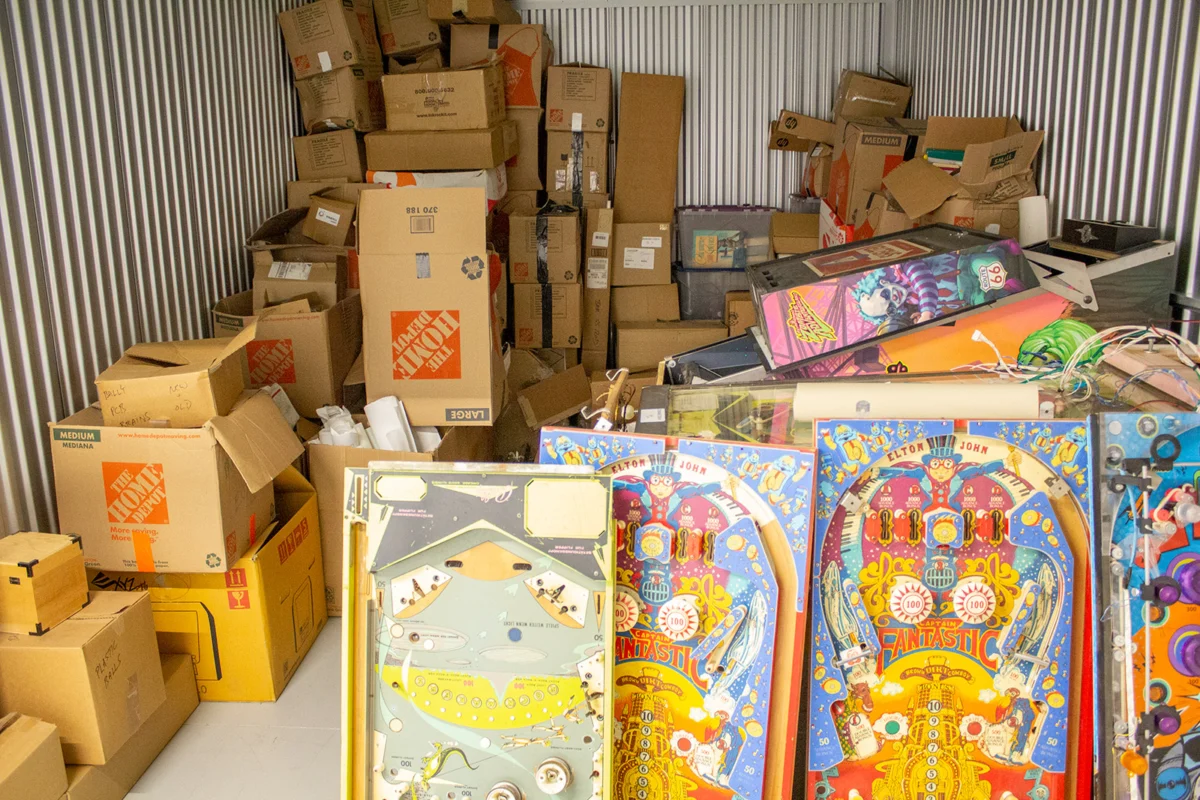
The burgeoning partnership between pinball designer Melvin Brouwer-Williams and Dutch Pinball, operating under the banner of Dutch Pinball Exclusive (DPX), has abruptly concluded with Brouwer-Williams’ departure. This significant development casts a shadow over the much-anticipated release of the Retro Atomic Zombie Adventureland (RAZA) pinball machine and signals a potential shift in the strategic direction for Dutch Pinball. The dissolution of DPX, a joint venture intended to leverage Brouwer-Williams’ creative vision and intellectual property with Dutch Pinball’s manufacturing capabilities, marks a critical juncture for both parties and the wider pinball community.
Genesis of DPX and the Alice’s Adventures in Wonderland Launch
The DPX venture was established with the express purpose of bringing Brouwer-Williams’ innovative pinball designs to life. The collaboration aimed to combine his unique concepts and intellectual property with the established manufacturing infrastructure of Dutch Pinball, based in Herkenbosch, the Netherlands. The maiden voyage for DPX was the Alice’s Adventures In Wonderland pinball machine, which saw its public reveal in October 2024. This title, limited to a production run of 500 units, is currently in production, with Dutch Pinball continuing the assembly process.
Melvin Brouwer-Williams, in his official statement, assured the public that his departure would not disrupt the ongoing build of the outstanding Alice machines. He also pledged continued support for code updates, though he cautioned that the pace of these updates might be affected due to a reduction in available development resources. This sentiment underscores the collaborative nature of game development and the impact of personnel changes on project timelines and execution.
The Tumultuous Path of Retro Atomic Zombie Adventureland (RAZA)
The Retro Atomic Zombie Adventureland (RAZA) was slated to be the second major release from DPX. Development for RAZA was reportedly near completion, building upon design work initially undertaken by Deeproot Pinball before the company’s unfortunate bankruptcy. The genesis of RAZA itself traces back to an original design concept by legendary pinball designer John Popadiuk for his Zidware company. Melvin Brouwer-Williams acquired the rights to Zidware’s intellectual property, along with its physical assets, a move that was publicly reported in December 2022. This acquisition gave him significant leverage and ownership over a portfolio of previously unreleased or stalled pinball projects.
Following the collapse of Deeproot Pinball, Brouwer-Williams secured the rights to the games that were in their development pipeline, which included not only RAZA but also another title, Magic Girl. While Magic Girl was also part of his acquired intellectual property, Brouwer-Williams had previously indicated that a remake was not a priority. He cited the existence of several games already in circulation and the need for substantial design modifications to enhance playability and manufacturing feasibility for mass production.
Underlying Tensions and the Catalyst for Separation
A statement issued by Melvin Brouwer-Williams on February 9, 2026, alluded to growing friction between himself and Dutch Pinball. It became evident that he had harbored concerns regarding the speed and quality of Dutch Pinball’s manufacturing processes, particularly concerning the Alice game and its accompanying topper accessory. These concerns had reportedly been simmering for some time. The impending announcement of RAZA, scheduled for the following month, appears to have been the catalyst that brought these underlying issues to a head, especially with the introduction of new investors into Dutch Pinball who possessed a divergent strategic vision.
Melvin Brouwer-Williams’ Official Statement and Future Outlook
In his comprehensive statement, Brouwer-Williams expressed his regret over the circumstances leading to his departure. He articulated that the decision was a direct consequence of a new organizational structure within Dutch Pinball and the differing perspectives of new investors. This led to Dutch Pinball’s decision to proceed independently, without his involvement.
"It is with a heavy heart that I have to announce that, effective as of today, I Melvin Brouwer-Williams will be stepping away from DPX (Dutch Pinball Exclusive)," Brouwer-Williams stated. "This decision is an unfortunate result of a new organizational structure within Dutch Pinball and also because of a new investors party that have a different vision then me. Therefore Dutch Pinball has decided that it will be continuing on its own path without my involvement."

He acknowledged the uncertainty surrounding this transition but remained steadfast in his belief in the future of the pinball industry and his own continued career within it. Brouwer-Williams confirmed that DPX, as a brand associated with his direct involvement, would cease to exist for future releases. He expressed his commitment to building the brand to a standard he could no longer control, a testament to his high expectations and dedication.
Brouwer-Williams extended profound gratitude to his supporters, emphasizing the impact of their trust, encouragement, and shared passion. He conveyed his heartbreak at the situation, having envisioned greater achievements for the DPX brand.
"While this chapter comes to a close, my commitment to pinball does NOT," he declared. "I have to look forward in my own way to see what the future holds and hope our pinball paths in the community may cross again, as my plan with my upcoming game/games will have to shift to other MFG party’s in the USA when that possibility arrives."
He reiterated his commitment to assisting with Alice where possible through community channels and forums. While acknowledging that code updates might experience delays, he assured that they would not be forgotten, as his core development team, including coders, technical staff, and other key individuals, would transition with him to future projects. He emphasized that both Alice and the planned RAZA game, along with other titles, represent his intellectual property and designs.
Brouwer-Williams concluded by expressing his expectation that Dutch Pinball would uphold its promises to customers, ensuring the completion of all Alice machines and resolving outstanding topper-related issues. He stated that these aspects, along with other structural challenges, had unfortunately been beyond his direct control. He advised that any questions regarding Alice’s Adventures In Wonderland or his departure should be directed to local distributors or Dutch Pinball support to maintain a professional separation.
Dutch Pinball’s Strategic Realignment and Investor Confidence
Barry Driessen, the owner of Dutch Pinball, has officially confirmed the separation from Melvin Brouwer-Williams and the significant involvement of new investors. In a communication to distributors, Driessen outlined a strategic pivot for Dutch Pinball, indicating a move away from collaborations with external parties. The company intends to concentrate on developing its in-house designs and intellectual property.
While some interpretations of this statement have suggested a complete cessation of licensed titles, it is more probable that Dutch Pinball will focus exclusively on original concepts developed internally. Industry observers and distributors are hinting at an accelerated announcement for the anticipated Dutch Pinball title, Back to the Future, suggesting that the company is eager to unveil its independent projects.
Brouwer-Williams had previously outlined the original timeline, which involved revealing RAZA in March and Dutch Pinball’s own next game at the Pinball Expo in October. With RAZA no longer under the DPX umbrella, Dutch Pinball now has the opportunity to bring forward its own product announcements.
Driessen’s message to partners detailed the rationale behind the strategic shift:

"Dutch Pinball confirms that its collaboration under the working name DPX, involving an external creative partner, has come to an end," Driessen stated. "While the first title was successfully brought to market, discussions around a potential second title revealed a misalignment on commercial terms, specifically regarding margin structure and long-term sustainability for all parties involved. As a result, both sides mutually agreed to discontinue not only the second project, but the collaboration as a whole."
He further elaborated on the perceived complexities of external collaborations: "Based on this experience, Dutch Pinball has concluded that this type of external collaboration introduces a level of complexity and dependency that does not align with how we want to build and scale the company going forward."
The addition of two Dutch entrepreneurial investors, both described as having a strong passion for pinball, is expected to bolster Dutch Pinball financially and strategically. This infusion of capital and expertise is anticipated to enable the company to operate with greater professionalism, stability, and financial capacity.
"Dutch Pinball is fully committed to completing the remaining Alice’s Adventures in Wonderland machines and continues to work diligently toward final delivery," Driessen assured. "An announcement regarding new Dutch Pinball projects will follow in the next couple of months."
Broader Implications for the Pinball Industry
The split between Brouwer-Williams and Dutch Pinball carries significant implications for the pinball landscape. The immediate concern is the fate of RAZA, a game that had generated considerable anticipation within the enthusiast community. The acquisition of Zidware assets and the subsequent development efforts represented a significant investment of time and resources, and its future production remains uncertain. Brouwer-Williams’ indication of seeking manufacturing partners in the USA suggests a potential avenue for RAZA’s realization, but this will likely involve new negotiations and timelines.
The departure also raises questions about the sustainability of collaborative models in the pinball industry. While partnerships can offer synergistic benefits, as seen with the initial DPX concept, inherent challenges related to differing business objectives, production standards, and financial expectations can lead to irreconcilable differences. Dutch Pinball’s decision to focus on in-house development could signal a broader trend towards greater control over intellectual property and manufacturing processes, potentially leading to fewer multi-party ventures.
The pinball community, accustomed to a dynamic and often unpredictable development cycle, will be closely watching the next steps of both Melvin Brouwer-Williams and Dutch Pinball. The success of their respective future endeavors will undoubtedly shape the trajectory of new game releases and the overall business strategies within this niche but passionate industry. As Brouwer-Williams seeks new manufacturing partners and Dutch Pinball embarks on its solo journey with renewed financial backing, the industry awaits further developments with keen interest.