Johny Imanuel
The release of Magical Princess, developed by Neotro and Magi, marks a significant evolution in the niche but enduring "daughter-raising" simulation genre. While the genre has long been defined by the foundational mechanics of the Princess Maker series, Magical Princess introduces a modernized framework that prioritizes narrative cohesion, emotional connectivity, and transparent statistical management. Available now on PC via Steam, the title attempts to bridge the gap between classic stat-heavy simulations and contemporary role-playing games (RPGs) by implementing a more structured skill progression system and a grounded family-oriented backstory.

The Evolution of the Raising Simulation Framework
Historically, the raising simulation genre—popularized by Gainax’s Princess Maker in the early 1990s—has relied on a specific narrative trope: the protagonist is typically a retired hero or a guardian who is gifted a magical or celestial child to raise from age ten to adulthood. In these traditional titles, the relationship between the parent and the child is often established through a sense of duty rather than biological or long-standing emotional ties.
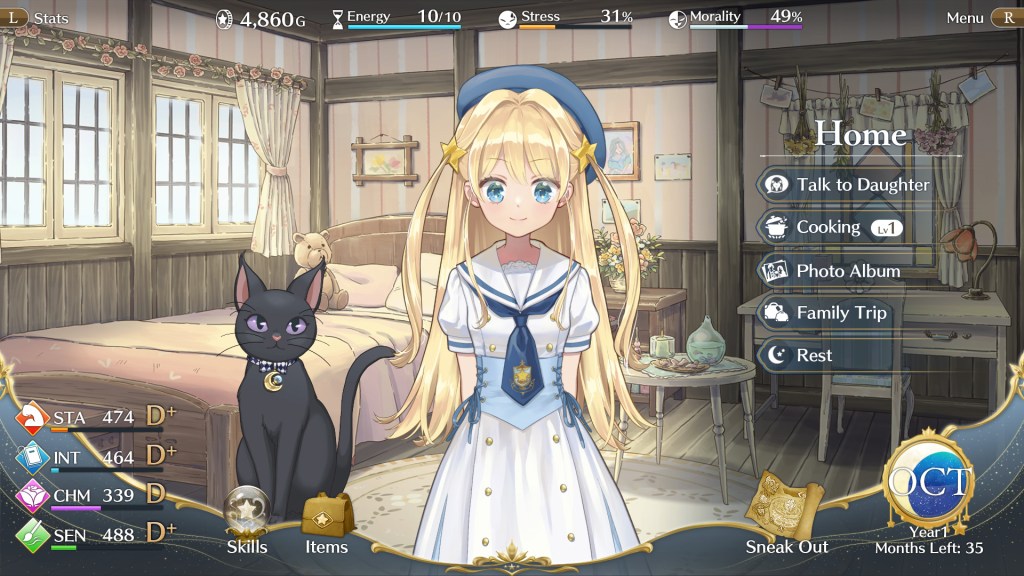
Magical Princess departs from this convention by framing the experience as a family simulator. The narrative begins with a fully established household. The backstory involves a world-threatening conflict where a Dark Mage opened a portal between the human and monster realms. This threat was neutralized by a Light Mage named Sara and her companions, including a priest who serves as the player’s avatar. Following the conflict, the two characters marry and have a daughter, Alice. This prologue serves as a functional tutorial, allowing players to experience the family unit in its complete state before a narrative catalyst results in the player character becoming a widower. This shift from a "foundling" narrative to a "biological family" narrative fundamentally changes the tone of the interactions, making the parental guidance feel more personal and less like a clinical management task.
Chronology of Development and Release
The journey of Magical Princess from concept to its current Steam release reflects a growing trend in the indie development scene where classic Japanese-style simulations are being reimagined for a global audience.
- Conceptual Phase: Developers Neotro and Magi identified a gap in the market for a raising simulation that reduced the reliance on "hidden" statistics and random number generation (RNG), which often plagued older titles in the genre.
- Demo Release: A playable demo was released on Steam prior to the full launch, allowing the community to test the "Skill Tree" system and provide feedback on the UI layout.
- Full Launch: The game officially debuted on the Steam platform, featuring a complete narrative arc, multiple endings based on professional and social outcomes, and a comprehensive combat system.
- Post-Launch Support: The developers have indicated a commitment to balancing the "EX Skill" system based on player data to ensure that various career paths (e.g., scholar, warrior, or artist) remain viable.
Technical Analysis of Stat Management and UI Design
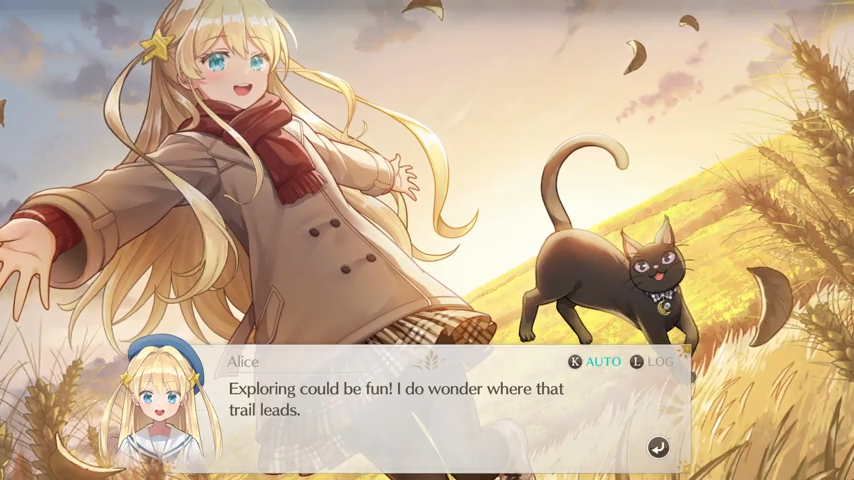
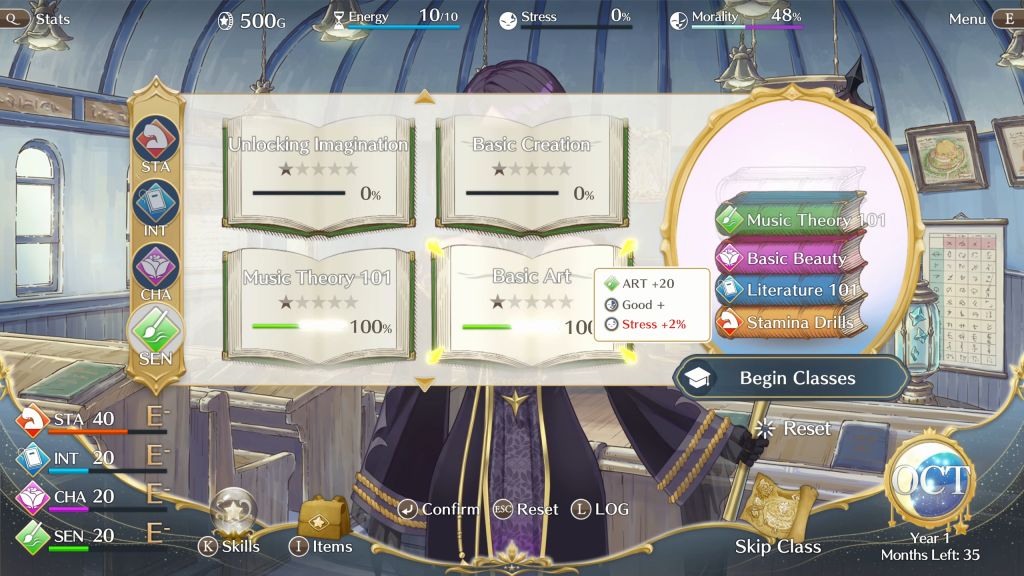
One of the primary criticisms of traditional raising simulations is the opacity of the statistics. Players often struggled to understand how specific activities, such as "Literature Class" or "Church Service," influenced long-term outcomes without consulting external guides. Magical Princess addresses this through a tiered UI that categorizes 20+ sub-stats into four primary pillars:
The Four Pillars of Development
- Stamina (STA): This category governs the daughter’s physical resilience and is influenced by sub-stats such as Vitality, Vigor, Strength, and Speed.
- Intelligence (INT): Academic and mystical prowess are tracked here, fed by Literature, Math, Magic, and Piety scores.
- Charm (CHA): Social standing and elegance are determined by Beauty, Manners, Sociability, and Virtue.
- Sensitivity (SEN): The creative and emotional core of the character, influenced by Imagination, Musicality, Creativity, and Art.
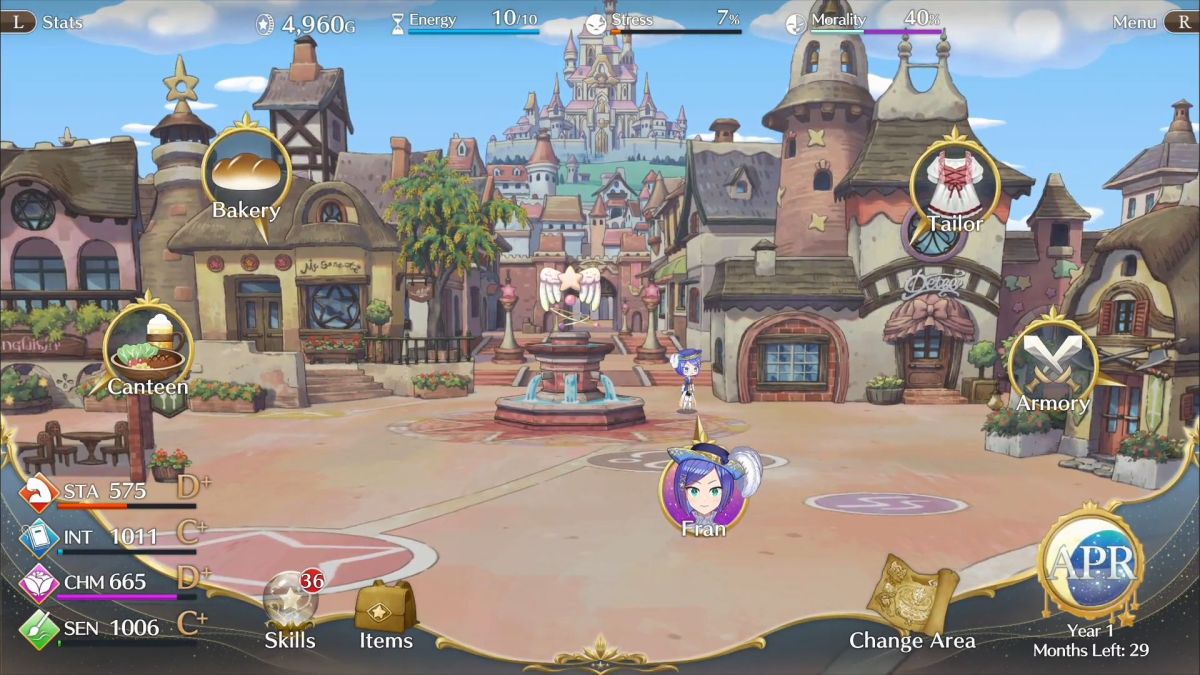
By using letter grades (A through E) and visible progress bars on the main hub screen, the game allows for "at-a-glance" decision-making. This transparency is a strategic shift intended to make the game more accessible to players who may be intimidated by the spreadsheet-like nature of older simulations. Furthermore, a separate "Battle Stat" tracking system monitors HP, Attack, Defense, and specific magical resistances, ensuring that players who wish to engage with the monster-hunting aspects of the game have the data necessary to optimize their daughter’s combat readiness.
The Skill Tree and RNG Mitigation
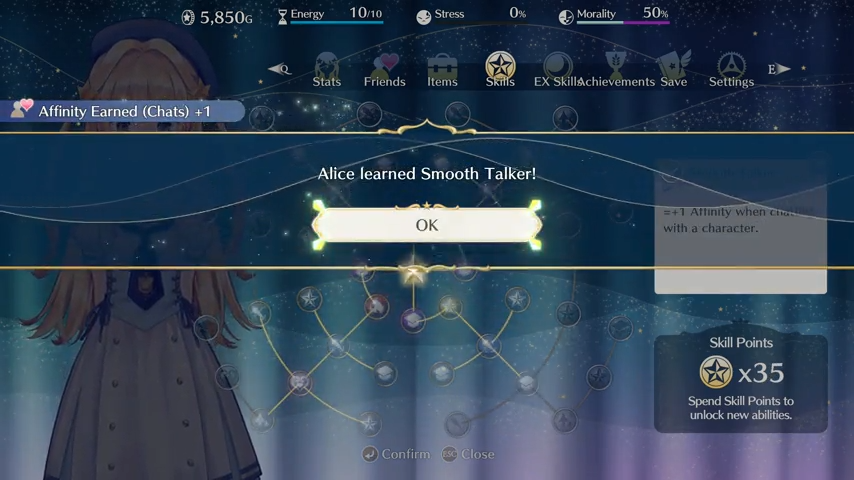
A significant innovation in Magical Princess is the implementation of a Skill Tree and EX Skill system, which bears a striking resemblance to the "Sphere Grid" found in high-budget RPGs like Final Fantasy X. In traditional raising sims, success in a task is often a percentage-based roll. Magical Princess mitigates the frustration of failure by allowing players to invest Skill Points (SP) into permanent buffs.
For instance, the "A Student" nodes provide a 5% bonus to progress in classes associated with specific pillars (STA, INT, CHA, or SEN). Other utility skills, such as "Pay Raise," provide a flat 10% increase in wages from part-time jobs, while "Freshen Up" offers a passive stress reduction at the start of each month.
The "EX Skills," which unlock once a pillar reaches "Rank A," provide high-level benefits that can drastically alter a playthrough. The "Self-Help Prodigy" skill, for example, grants a 20% boost to stats earned from any successful class or job. This system moves the game away from being a "luck-based" simulation and toward a "build-based" strategy game, where the player’s long-term planning is the primary driver of success.
Social Integration and Combat Mechanics
The game’s social system is deeply integrated into the gameplay loop rather than being a secondary feature. Unlike earlier titles where social interactions were limited to brief text boxes, Magical Princess emphasizes "Bonds." These bonds are formed with a recurring cast of characters, such as Fran and Hasis, who act as allies during combat encounters.
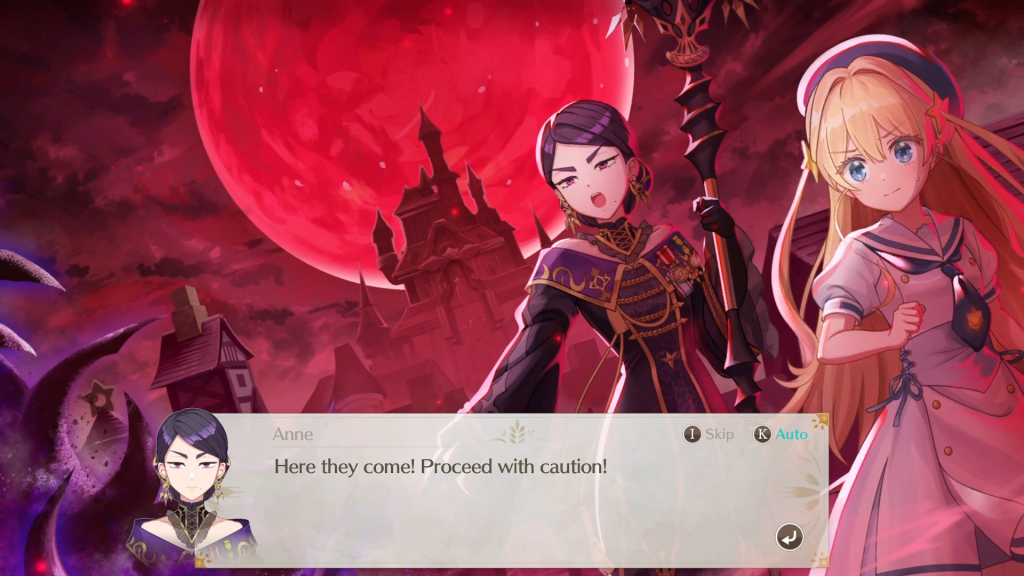
The combat itself is triggered by the "Crimson Moon" events and monster invasions. While the combat mechanics are not as complex as a dedicated tactical RPG, they serve a narrative purpose. By including allies in these fights, the game reinforces the theme that Alice is not an isolated project being "built" by the player, but an individual forming a support network within her community. This social depth is further enhanced by the "Genius Gift Giver" skill, which optimizes the affinity gains from giving gifts, allowing players to more efficiently unlock character-specific story beats.
Analysis of Production Values and Aesthetic Choices
The visual presentation of Magical Princess is a study in contrasts. The game features high-quality 2D illustrations (CGs) for pivotal story moments, family trips, and social interactions. The character portraits used during dialogue are expressive and detailed, aligning with the "premium" feel of modern visual novels.
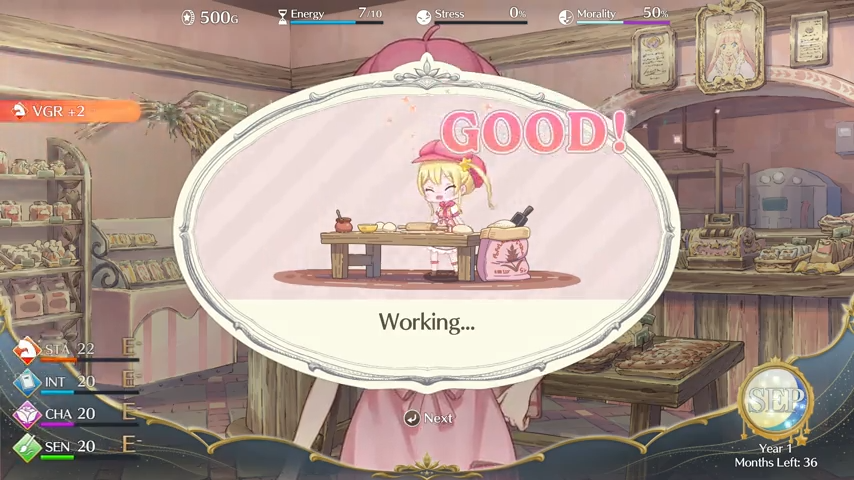
However, a point of contention in the game’s technical execution is the animation style used for daily tasks and combat. The developers utilized a "puppet-like" skeletal animation system for the in-game sprites. While this allows for a wide variety of outfits and equipment to be displayed on the character model without redrawing every frame, it creates a visual disconnect between the static, high-fidelity art and the somewhat stiff movement of the active sprites. This is a common trade-off in indie development, where the budget is prioritized toward art quantity and mechanical depth rather than fluid frame-by-frame animation.
Broader Implications for the Simulation Market
The launch of Magical Princess suggests a revitalized interest in the "Life Sim" subgenre, which has seen a resurgence through titles like Volcano Princess and the Long Live the Queen series. By refining the "Princess Maker" formula, Neotro and Magi are catering to a demographic that values both nostalgia and modern quality-of-life features.
The inclusion of a "Dark Path" (facilitated by skills like "Cat Burglar") and the ability to influence the daughter’s morality indicates a move toward more complex moral agency in these games. No longer are players simply aiming for the "best" ending; they are exploring a wide spectrum of adult outcomes, ranging from legendary heroes to less savory societal roles.
Conclusion and Market Availability
Magical Princess stands as a robust entry in the daughter-raising genre, offering a more emotionally resonant and mechanically transparent experience than its predecessors. By grounding the narrative in a legitimate family dynamic and replacing opaque RNG with a strategic skill tree, the developers have created a simulation that feels both fair and engaging.
The game is currently available on Steam for PC. The developers have also provided a demo, allowing prospective players to experience the first few years of Alice’s development and test the performance of the skill system. As the indie market continues to embrace and iterate upon classic genres, Magical Princess serves as a benchmark for how to honor the past while implementing necessary modern innovations. For fans of stat management, narrative-driven simulations, and character growth, the title represents a significant and polished addition to the genre’s library.