Cecilia Chamidah Nur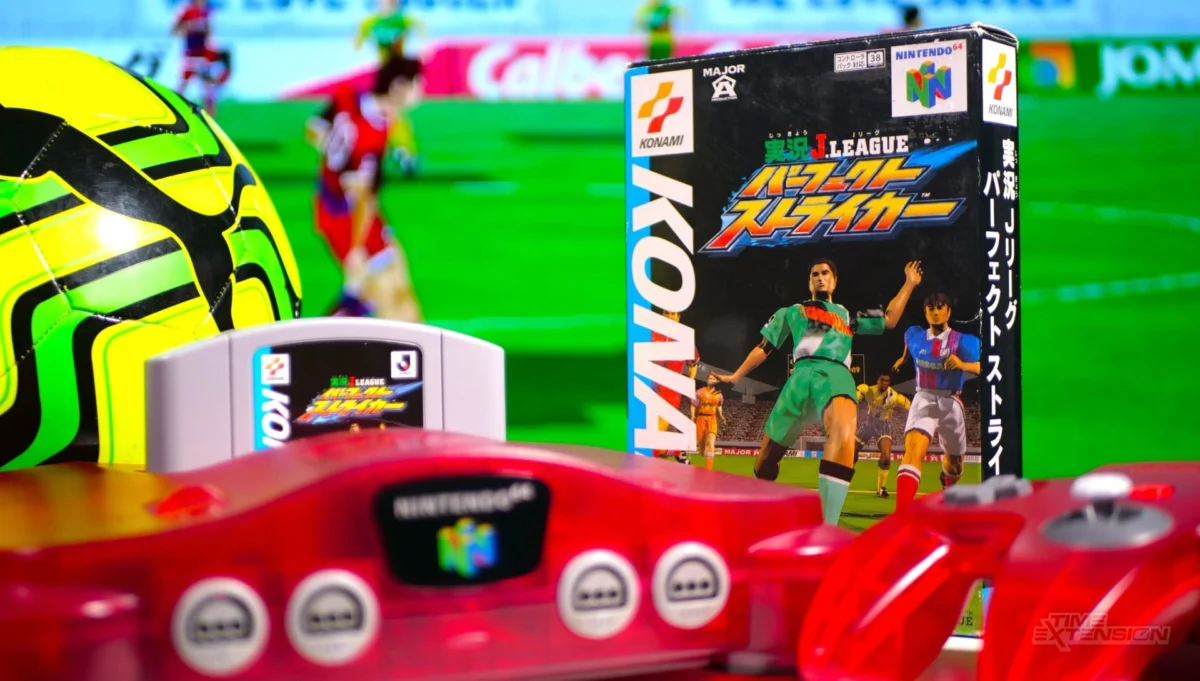
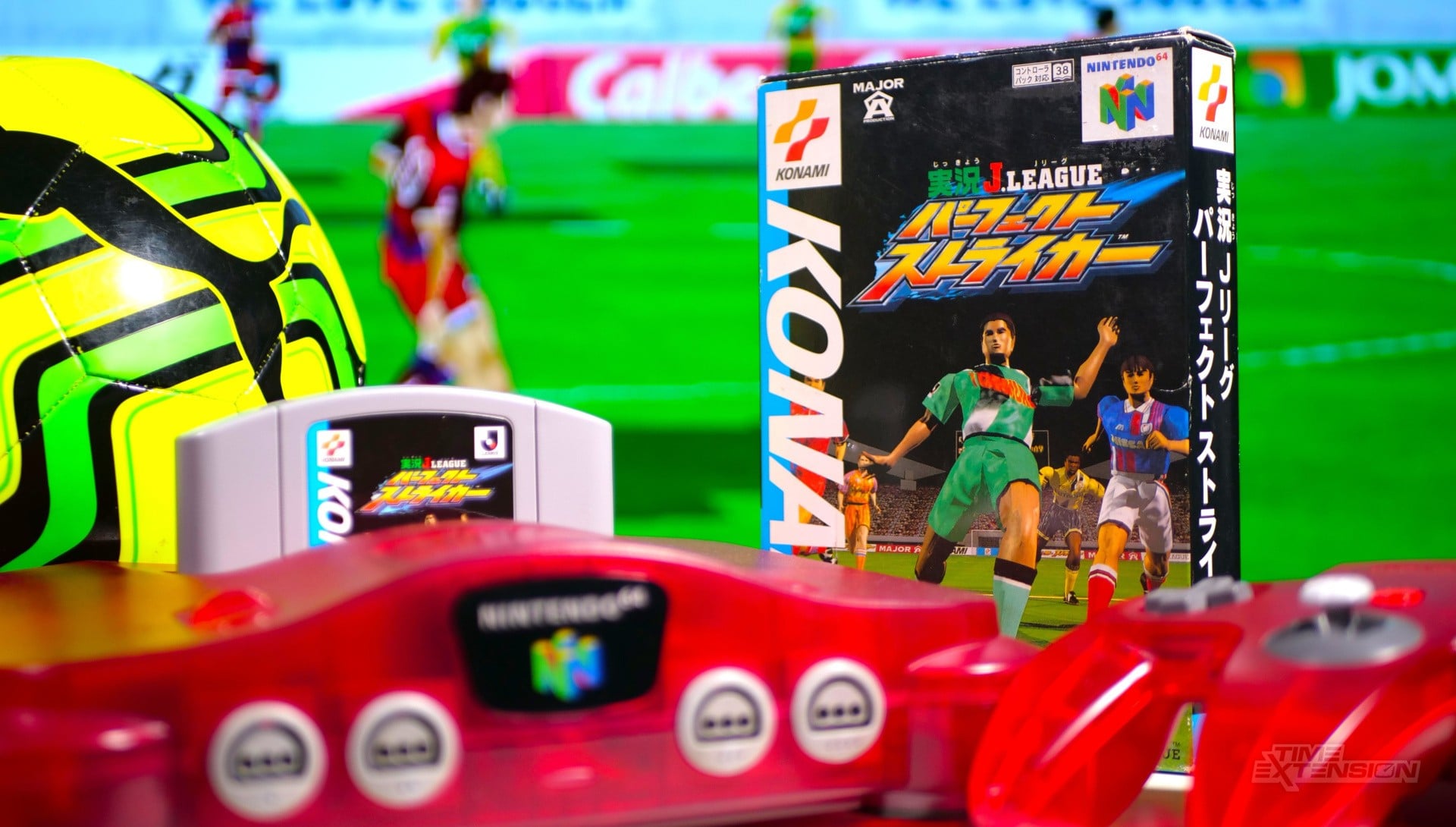
As global attention once again converges on the World Cup, the quadrennial spectacle inevitably reignites interest in football simulations across digital platforms. Among the pantheon of titles that have sought to capture the essence of the beautiful game, Konami’s Jikkyō J. League: Perfect Striker, released for the Nintendo 64 in 1996, stands as a seminal entry. This Japanese exclusive, later adapted for Western audiences as International Superstar Soccer 64 (ISS 64), represented a significant leap forward in the genre, pioneering innovations that would shape the landscape of virtual football for decades to come and establishing the foundational mechanics for what would become the revered Pro Evolution Soccer series.
The Dawn of 64-bit Football: A New Era of Immersion
The mid-1990s marked a transformative period in video game development, characterized by the transition from 2D sprites to 3D polygons. Nintendo’s entry into this new generation, the Nintendo 64, launched in Japan in June 1996 and subsequently in North America in September 1996 and Europe in March 1997. Positioned against Sony’s PlayStation and Sega’s Saturn, the N64 boasted a powerful 64-bit architecture, dedicated texture mapping, and an innovative analogue stick on its controller, promising unprecedented levels of precision and immersion.
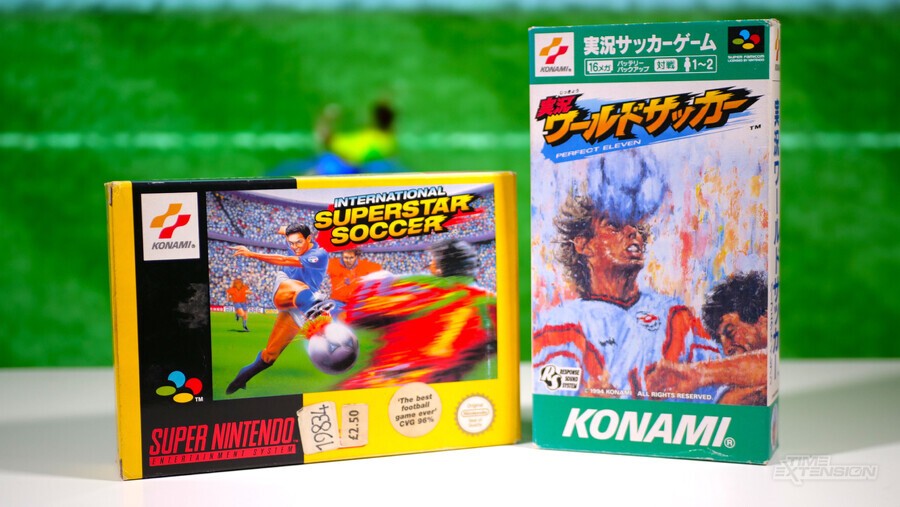
Prior to the N64’s arrival, football video games had made strides, but often grappled with the limitations of their hardware. Titles like Microprose Soccer, Sensible Soccer, and Kick Off 2 had defined the 8-bit and 16-bit eras with their fast-paced, often top-down action. Electronic Arts’ FIFA International Soccer, launched in 1993, brought a more isometric perspective and licensed teams, quickly establishing itself as a commercial powerhouse. However, it was Konami’s International Superstar Soccer (known as Jikkyō World Soccer: Perfect Eleven in Japan), released on the Super Nintendo Entertainment System (SNES) in 1994, that truly began to push the boundaries of realism and tactical depth within a 2D framework. Its sequel, International Superstar Soccer Deluxe (1995), further refined this formula, garnering widespread critical acclaim for its fluid animation and strategic gameplay.
When Konami announced that the core development team behind these celebrated SNES titles was working on a 3D football game for the N64, expectations soared. The project, Jikkyō J. League: Perfect Striker, aimed to leverage the N64’s capabilities to deliver a level of authenticity and control previously unseen.
Konami’s Strategic Vision and the J. League Focus
Konami, a prominent Japanese publisher, recognized the burgeoning global appeal of football and its potential as a video game genre. Their decision to initially focus Perfect Striker on Japan’s domestic J. League was a strategic move. Established in 1993, the J. League had rapidly captured the nation’s imagination, featuring rising stars and fostering a passionate fan base. By integrating official J. League teams and players, Konami tapped into a powerful domestic market, ensuring immediate relevance and appeal within Japan. This focus also allowed the development team to concentrate on refining the core gameplay mechanics before adapting the title for international audiences with generic teams, a common practice for Japanese sports titles at the time.
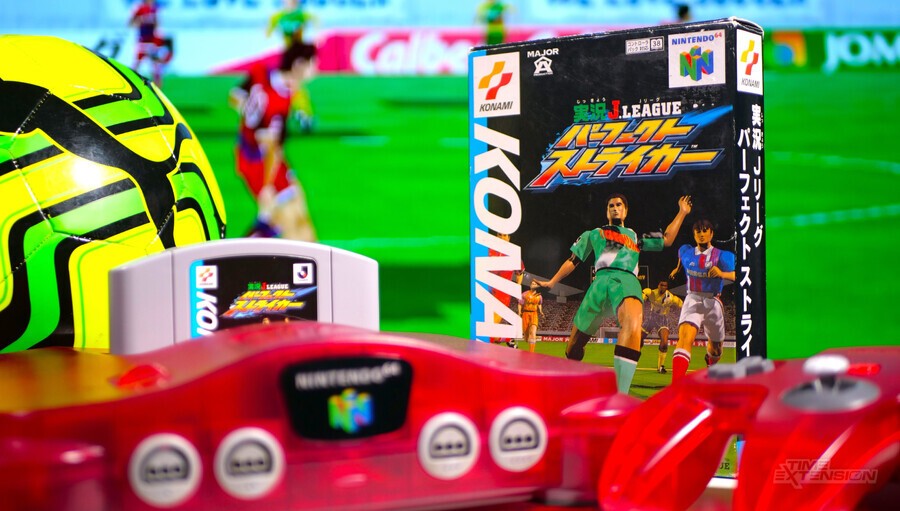
The development team, later known as Konami Computer Entertainment Tokyo (KCET), meticulously crafted Perfect Striker to capitalize on the N64’s hardware. The goal was not merely to render 3D players but to imbue them with lifelike animations and responsive controls that mirrored the intricacies of real football.
The Technological Frontier: Innovations in Gameplay
Upon its release in December 1996, Jikkyō J. League: Perfect Striker immediately distinguished itself from its contemporaries. While competitors like FIFA 96 on PlayStation still relied on 2D sprites overlaid on 3D environments, and Sega’s International Victory Goal on Saturn struggled with rudimentary 3D models and stiff animation, Perfect Striker offered a genuinely next-generation experience.
- Animation and Player Models: The game’s animation system was a revelation. Players moved with remarkable fluidity, executing tackles, passes, and shots with a realism that surpassed anything seen before. The polygonal player models, while not hyper-realistic by modern standards, were expressive and distinct, avoiding the "angular" or "blocky" aesthetics prevalent in early 3D efforts like Konami’s own Goal Storm on PlayStation. This visual fidelity contributed significantly to the immersion, allowing players to feel a deeper connection to the on-pitch action.
- Analogue Control: A cornerstone of Perfect Striker‘s innovation was its pioneering use of the N64’s analogue stick. This allowed for unprecedented precision in player movement, enabling subtle dribbles, nuanced turns, and fine adjustments to running lines that were impossible with a traditional digital D-pad. This analogue input provided a tactile and intuitive connection to the players, making complex maneuvers feel natural and rewarding.
- The "Through-Ball" Mechanism: Perhaps the most impactful gameplay innovation was the introduction of a dedicated "through-ball" button. This single mechanic revolutionized offensive play. A precisely timed press would send a weighted pass into space, prompting an intelligent off-the-ball run from a teammate. This created dynamic attacking opportunities, allowing players to unlock defenses with intricate passing sequences rather than relying solely on individual dribbling or long-range shots. The strategic depth offered by the through-ball became a hallmark of the series and a fundamental element adopted by virtually every subsequent football simulation.
- Context-Sensitive AI: The game featured an intelligent AI system that allowed players to make intelligent runs, track opponents, and react dynamically to the ball’s movement. This, combined with the through-ball, fostered a sense of strategic fluidity, where tactical decisions on timing and positioning were paramount.
- Immersive Sound Design: Beyond the visuals and controls, Perfect Striker‘s audio package contributed significantly to its appeal. The crowd noise was context-sensitive, swelling with excitement during goal-scoring opportunities and reacting realistically to fouls or dramatic saves. The Japanese commentary, while largely unintelligible to non-Japanese speakers, added an authentic atmosphere and provided memorable, often humorously misquoted, soundbites that resonated with its dedicated player base.
The Import Challenge: A Barrier to Entry for Western Fans
For many Western enthusiasts, experiencing Jikkyō J. League: Perfect Striker required navigating the nascent, often expensive, world of grey importing. The N64, like many consoles of its era, was region-locked, meaning Japanese NTSC games would not run directly on European PAL consoles or North American NTSC consoles without modification.
This typically necessitated the purchase of a region converter cartridge, which, in the early days of the N64’s European launch (March 1997), were scarce and commanded premium prices. Furthermore, the game itself, being an import, was significantly more expensive than standard retail titles. Accounts from the period suggest that copies could cost upwards of £100 (approximately $160 USD at the time, or over £200 / $250 in today’s money when accounting for inflation), a substantial investment for a single video game.
Adding to the technical hurdles, NTSC games often displayed in black and white on older PAL-standard televisions, requiring compatible multi-standard display units to enjoy the game in its full, glorious color. These challenges, however, only amplified the allure for dedicated fans, turning the acquisition and setup of Perfect Striker into a quest that forged a deeper appreciation for the game’s groundbreaking qualities.
From J. League to Global Stardom: The Birth of ISS 64
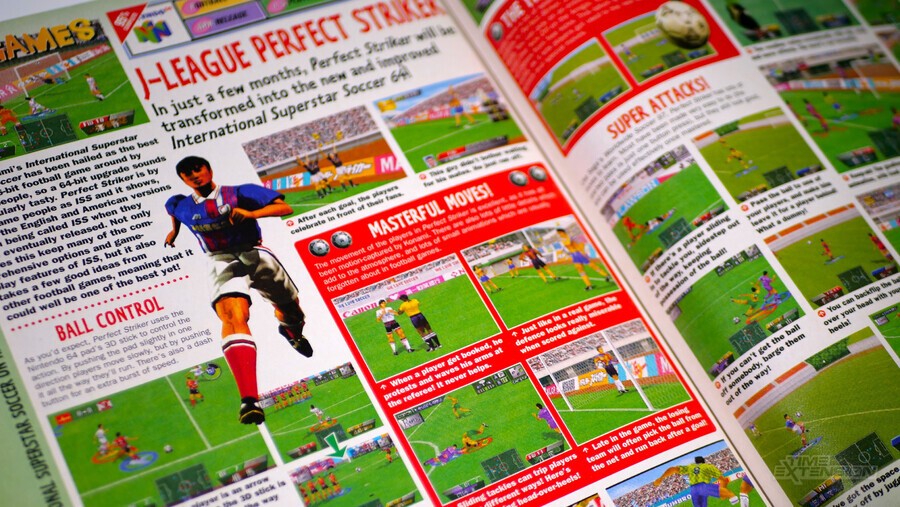
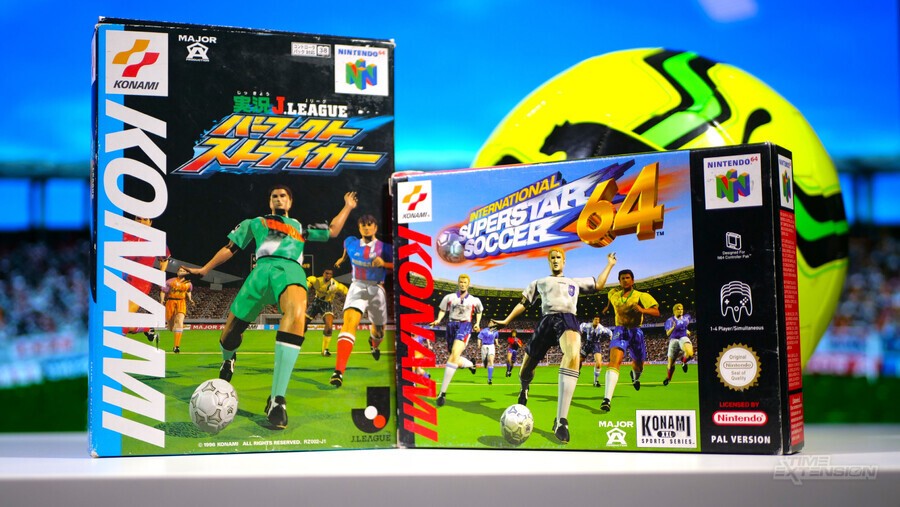
Recognizing the success and innovation of Jikkyō J. League: Perfect Striker, Konami released an international version, International Superstar Soccer 64 (ISS 64), in 1997. This adaptation made several key changes to broaden its appeal:
- International Teams: The J. League teams were replaced with a selection of international sides, though player names were often fictionalized due to licensing constraints, a common characteristic of the ISS series before it acquired official FIFPro licenses.
- English Commentary: The Japanese commentary track was replaced with English commentary, making the game more accessible to Western audiences.
- AI Enhancements: Konami implemented further refinements to the player AI, particularly in defensive positioning and offensive runs, addressing some of the minor exploits present in the original Perfect Striker.
While ISS 64 offered a more polished and globally oriented experience, many purists retained a fondness for the original Jikkyō J. League: Perfect Striker, often citing its raw, pioneering spirit and the unique charm of its Japanese league focus. The iterative improvements seen between Perfect Striker and ISS 64 established a pattern that would define Konami’s football series: continuous refinement and innovation with each new release.
A Lasting Legacy: Shaping the Future of Football Gaming
Jikkyō J. League: Perfect Striker and its successor ISS 64 were not merely good football games; they were foundational texts for the genre. They laid the groundwork for what would become Konami’s highly acclaimed Pro Evolution Soccer (PES) series, which, for many years, rivaled and often surpassed FIFA in terms of realistic gameplay and tactical depth. The analogue control, the sophisticated through-ball, and the emphasis on fluid, realistic animation became the bedrock upon which the PES franchise was built.
Even as competitors like Sega Worldwide Soccer ’98 on the Saturn offered their own interpretations of 3D football, Konami’s N64 titles remained benchmarks for their unparalleled gameplay mechanics. While many football games from the 1990s have aged considerably, with simplistic controls and clunky visuals, Jikkyō J. League: Perfect Striker retains a remarkable playability. Its core mechanics, stripped of the complexities that sometimes bog down modern simulations, feel timeless. The satisfaction of executing a perfectly weighted through-ball or a precisely aimed shot remains as compelling today as it was in 1996.
The game’s influence extended beyond Konami, forcing other developers to re-evaluate their approaches to football simulations. The pursuit of realistic player movement, intelligent AI, and nuanced control schemes became industry standards, largely catalyzed by the innovations introduced in Perfect Striker.
In an era dominated by annual releases and incremental updates, Jikkyō J. League: Perfect Striker stands as a testament to truly revolutionary game design. Its impact during a pivotal transitional period in gaming history, coupled with its enduring playability, solidifies its status as one of the most significant and influential football video games ever created. As football fever grips the world during the World Cup, many seasoned players find themselves drawn back to this classic, a reminder of the origins of modern virtual football and the pure joy it delivers.