Chalid Lutfie
The Origins of a Sonic Legacy
The story of Nexus Genesis is inextricably linked to the vibrant, albeit legally precarious, culture of early 2000s Sonic the Hedgehog fan game development. In the mid-2000s, communities centered around platforms like Sonic Fan Games HQ (SFGHQ) became incubators for young talent. Hunter Bridges, an Alabama-born composer, emerged from this scene after honing his craft by submitting MIDI transcriptions to the prominent repository VGMusic.com.

By 2006, Bridges was recruited by developer Brad Flick—known by the handle "Slingerland"—to score a burgeoning project titled Sonic Nexus. At the time, the project represented the pinnacle of amateur game design, utilizing the Sonic Worlds engine built within Multimedia Fusion. The game garnered significant critical attention from industry-adjacent outlets and the Sonic Amateur Games Expo (SAGE), a digital event that showcased the technical prowess of fan developers.
A Chronology of Development and Transition
The production history of Sonic Nexus spans from 2006 to 2010, a period defined by rapid advancements in game engine technology and shifting legal landscapes.

- 2006: Brad Flick initiates the development of Sonic Nexus. Hunter Bridges joins the team to provide full-resolution waveform audio, moving away from the MIDI-based standards of the early internet era.
- 2008: The development team attempts to modernize the project by migrating the code to the "Retro Engine," a proprietary framework engineered by Christian Whitehead. This engine was notable for its ability to perfectly replicate the physics and logic of the original Sega Genesis titles.
- 2010: A consolidation occurs where Sonic Nexus, Retro Sonic, and Sonic XG merge resources. This year marks a turning point for the key contributors; Christian Whitehead successfully demonstrates his engine to Sega by porting Sonic CD to mobile platforms.
- 2010–2015: Following Whitehead’s official hiring by Sega, the fan community collectively opted to cease development of Sonic Nexus. This decision was largely driven by a desire to avoid legal complications with Sega’s intellectual property, effectively leaving the project’s assets in limbo.
Technical Evolution: From MIDI to FM Synthesis
Bridges’ journey as a composer parallels the evolution of digital audio production. His early exposure to the soundscapes of Super Mario Bros. 3, Street Fighter II, and particularly the iconic score of Sonic the Hedgehog 3 established his stylistic foundation. However, moving from the amateur MIDI arrangements of his middle school years to the professional-grade production found on Nexus Genesis required a significant technical shift.
Transitioning from the Fruity Loops 4 platform to the more robust Cubase environment allowed Bridges to iterate on his compositions without the pressures of a fixed deadline. During his collegiate studies, he delved into the complexities of frequency modulation (FM) synthesis—the core technology behind the Yamaha YM2612 sound chip found in the original Sega Genesis. The release of his "Sonic 3 & Knuckles FM8 Patch Collection" in 2013 was a pivotal technical milestone, as it allowed him to achieve the authentic 16-bit sound aesthetic he had sought since his early days on SFGHQ.

The Significance of the Nexus Genesis Release
Nexus Genesis is not merely a collection of cut tracks; it is a meticulously sequenced album that adheres to the spirit of the 1990s soundtracks that inspired it. By 2015, Bridges had accumulated enough material to reconstruct the musical world of Sonic Nexus in a way that felt complete. The album serves as a tribute to the collaborative environment of the mid-2000s, explicitly honoring the contributions of Brad Flick and the professional success of Christian Whitehead.
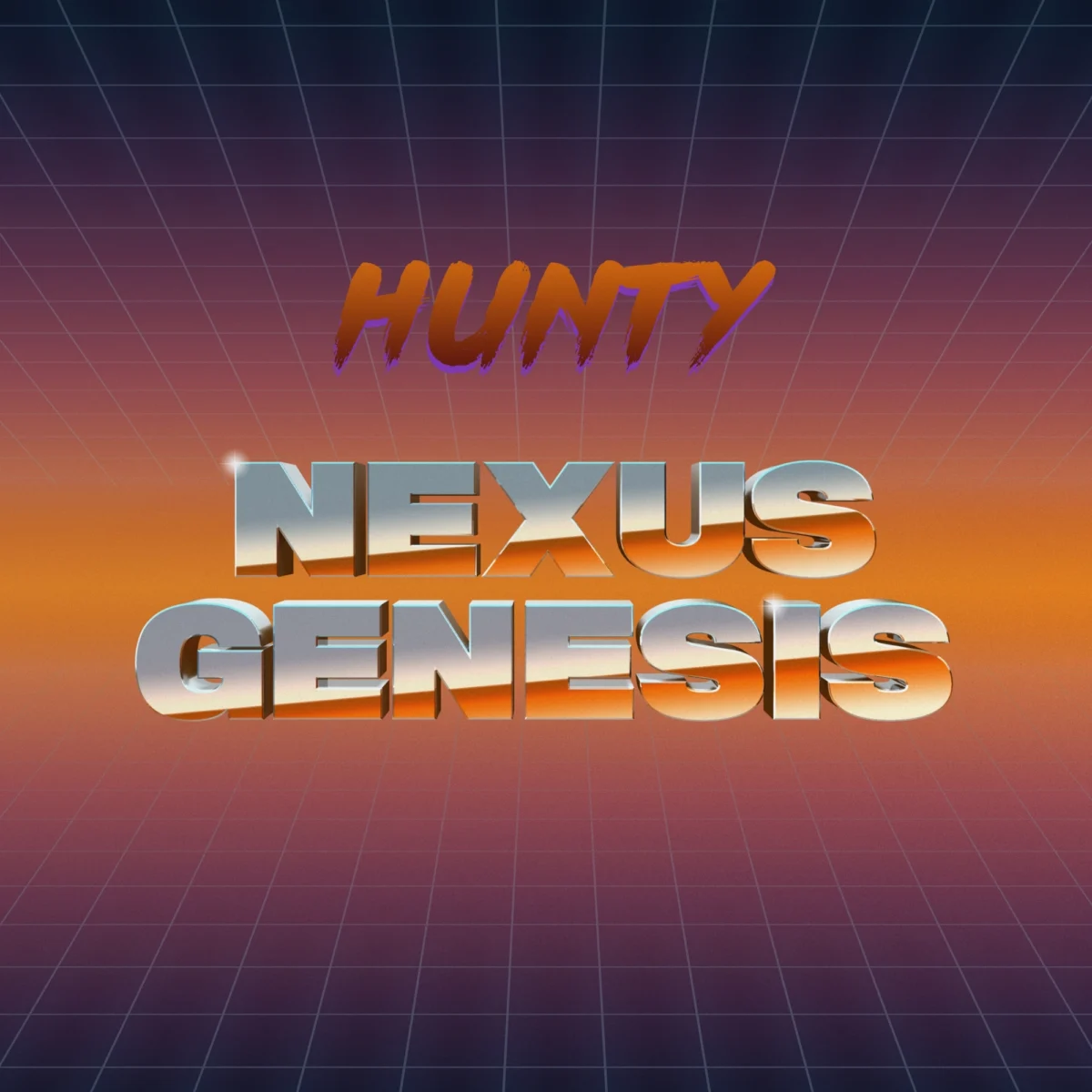
The album art, designed by Daniel Warner Smith, provides a visual identity to a game that never reached a retail shelf. By releasing this through Ubiktune, Bridges ensures that his contributions to the fan-game movement are preserved in a professional format, effectively bridging the gap between amateur hobbyism and legitimate musical composition.

Broader Implications for Fan-Game Culture
The case of Sonic Nexus and its subsequent soundtrack release highlights a recurring theme in the digital age: the intersection of fan creativity and corporate intellectual property management. The dissolution of Sonic Nexus in 2010 exemplifies the "professionalization" of the fan-game scene, where highly skilled individuals were eventually absorbed into the industry, often necessitating the abandonment of their unofficial passion projects.
Industry analysts often point to these transitions as a net positive for the gaming ecosystem. The talent developed within the Sonic fan-game community did not disappear; instead, it was integrated into the commercial development cycle. Christian Whitehead’s career trajectory—from reverse-engineering Genesis code to officially developing high-profile remasters for Sega—is perhaps the most successful iteration of this model.

However, the "loss" of these projects often leaves a vacuum in the historical record of game development. Releases like Nexus Genesis act as a vital historical bridge, documenting the technical and creative ambitions of a generation of developers who learned their craft through open-source community collaboration. The fact that the music has been salvaged and polished nine years after its inception serves as a testament to the enduring cultural value of these amateur projects.
Conclusion: A Toast to the Past
As of August 2015, Hunter Bridges has successfully fulfilled the promise he made to himself during his time on the Nexus team. Nexus Genesis stands as a rare artifact: a soundtrack for a game that does not exist, yet one that carries the weight of a professional production. By embracing the constraints of FM synthesis and the aesthetic legacy of the Sonic franchise, Bridges has provided a definitive conclusion to a project that once served as a pillar of the Sonic fan-game community. The album is an essential listen for those interested in the history of game audio and the evolution of the independent development scene, offering a glimpse into what might have been, while celebrating the professional growth of those who dared to create it.