Cecilia Chamidah Nur
Barely Making Games, the independent developer behind the anticipated Steam title Retro Rail Go!, a project designed as a heartfelt homage to the classic Japanese train simulator series Densha De Go!, has indicated a serious consideration of halting the game’s development entirely. This drastic contemplation follows a torrent of negative feedback received across various social media platforms and gaming forums, where the game has been widely branded as a "rip-off" and "clone," leading to concerted efforts by some online users to have the title removed from the Steam platform. The developer’s public statement reflects profound distress over the accusations and the potential for an insurmountable "uphill battle" against both public sentiment and possible legal challenges.
Chronology of Development and Public Reception
The journey of Retro Rail Go! from a personal endeavor to a high-profile controversy began with its conceptualization as a passion project. The solo developer, operating as Barely Making Games from a developing country, articulated an initial intent to create a "tiny experience for a tiny audience." This vision stemmed from the developer’s personal challenges in accessing prominent Japanese games like Densha De Go! due to prohibitive costs and a lack of localization outside major markets. Identifying a perceived gap in the global market for an affordable, accessible, and localized retro train simulator, the project aimed to offer a nostalgic "throwback into simpler times where games were just games, made and played for fun." This foundational aspiration highlights a common narrative among indie developers: leveraging personal experience and passion to fill niche market demands that larger studios might overlook.
The public trajectory of Retro Rail Go! saw a significant shift following the release of its demo earlier this month. Initially, the train simulator garnered considerable positive attention, particularly from Western gaming media. It was reportedly featured favorably on four "big" gaming websites, including Time Extension, where a reviewer specifically highlighted its potential as a viable alternative to fill the void left by Densha De Go!’s absence from the Steam marketplace. This early positive coverage proved to be a powerful catalyst for visibility, propelling the game’s wishlists on Steam from a modest 700 to an impressive 2,000 within a mere 48 hours. This initial surge underscored the latent demand for such a title and the effectiveness of positive media endorsement in the highly competitive digital storefront landscape.
However, this increased visibility proved to be a double-edged sword. As Retro Rail Go! gained traction, particularly through Japanese media coverage on platforms like GameSpark, the narrative surrounding the game rapidly soured. The positive buzz was quickly overshadowed by an onslaught of negative comments, accusations, and calls for punitive action. Online communities, particularly in Japan, began to label the game as a direct "rip-off" or "clone" of Densha De Go!, with some users explicitly advocating for Japanese companies to pursue legal action against Barely Making Games to have the project terminated. This swift and severe backlash has culminated in the developer’s current predicament, leading to a public statement on the game’s Steam page detailing the emotional toll and the potential cessation of development.
Core Criticisms and Developer’s Defense
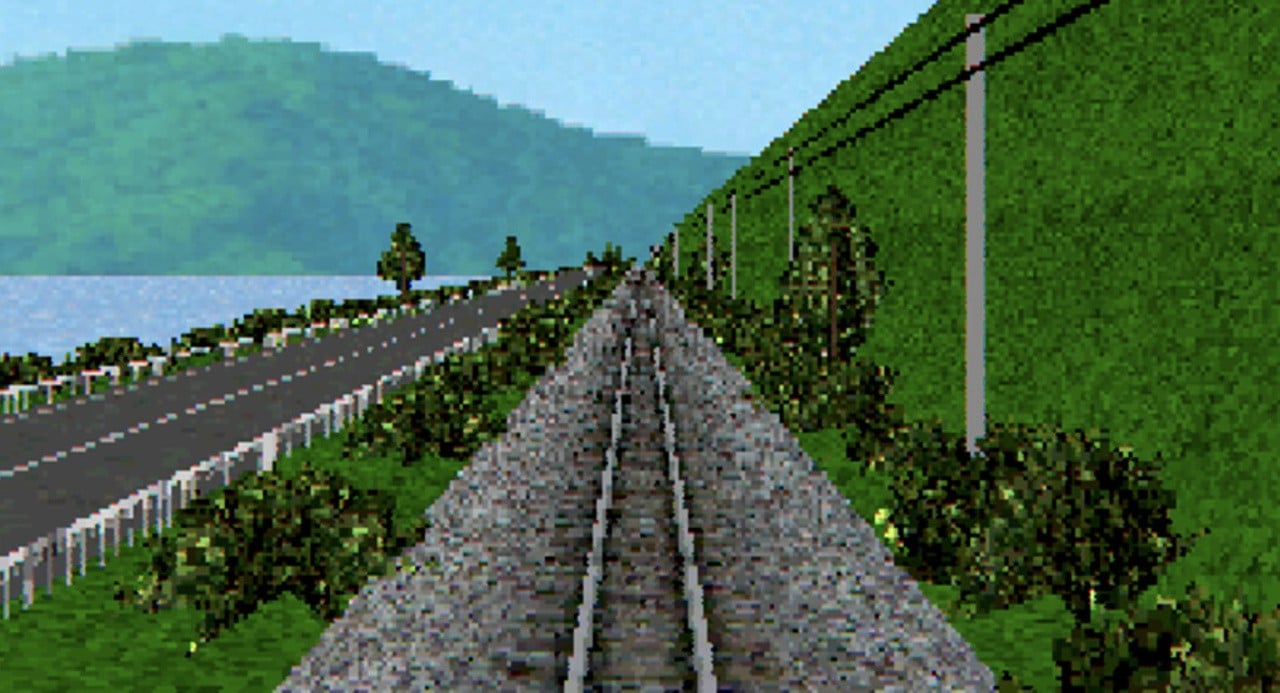
The wave of criticism directed at Retro Rail Go! has primarily coalesced around several key areas, each raising questions about intellectual property, creative ethics, and industry standards. The most prominent accusations center on the game’s user interface (UI) and character art, which critics argue bear an undeniable and overly derivative resemblance to the distinctive aesthetics of Densha De Go!. The original article notes this deliberate inspiration, stating the game "clearly draw a great deal of inspiration from Densha De Go!" Beyond visual elements, concerns have also been raised regarding the game’s apparent use of real trains and railway companies, a practice common in the Densha De Go! series, but which, in this context, has fueled accusations of copyright and trademark infringement. A significant and particularly contentious point of criticism has been the allegation that Retro Rail Go! extensively utilizes generative Artificial Intelligence (AI) in its asset creation, leading some online commentators to declare the project "a complete violation of copyright law."
In response to these escalating criticisms, Barely Making Games issued a comprehensive statement on Steam, seeking to clarify the project’s intent and refute the more severe allegations. The developer vehemently denied that Retro Rail Go! was ever conceived as a "rip-off," "cash grab," or an intentional infringement of any copyrights. Instead, the project was framed as a sincere homage, a "tiny passion project made by a single person" with "very little to no resources" from a "developing country." This narrative underscores the profound resource disparities often faced by independent developers outside of major economic centers, where access to high-priced commercial games and professional development tools can be severely limited. The developer reiterated the ambition to create an accessible, affordable, and localized retro train simulator for a global audience, thereby democratizing a gaming experience often confined by regional and financial barriers.
Crucially, the developer addressed the sensitive issue of AI usage, admitting to the inclusion of "a few placeholder AI-generated images" within the game. This admission is particularly noteworthy, as the original article points out it "wasn’t disclosed on the main Steam page and would have affected my original coverage if it had been." The developer, however, stated that a human artist has since been tasked with replacing these AI-generated elements, ensuring they will not be present in the final release. This disclosure, while attempting to be transparent, inadvertently highlights the growing ethical debate surrounding generative AI in creative industries, where its use can often erode trust and spark controversy among consumers and fellow creators alike. The distinction between using AI for placeholders and final assets, and the commitment to human-made replacements, represents an attempt by the developer to navigate these turbulent waters.
Background and Context: The Densha De Go! Legacy and Indie Challenges
To fully appreciate the intensity of the backlash against Retro Rail Go!, it is essential to understand the cultural significance and enduring legacy of the Densha De Go! series. Developed initially by Taito and later acquired by Square Enix, Densha De Go! is not merely a train simulator; it is a Japanese cultural institution. Since its arcade debut in 1996, the series has captivated audiences with its meticulously detailed recreations of real Japanese railway lines, authentic train models, and a highly immersive driving experience. Its success has spawned numerous installments across various platforms, including PlayStation, Nintendo 64, and mobile devices, cementing its status as a benchmark for realism and fidelity in the simulation genre. The series is celebrated for its precise controls, challenging timetables, and the unique thrill of operating Japan’s iconic railway systems, making it a source of national pride and a beloved franchise among train enthusiasts worldwide. The current absence of modern Densha De Go! titles from mainstream PC platforms like Steam has indeed created a void, making any attempt to fill it highly scrutinized by a passionate and discerning fanbase.
The controversy surrounding Retro Rail Go! also illuminates the precarious position of independent game developers in the modern industry. Indie studios, often comprising single individuals or small teams, operate with severely limited budgets, marketing resources, and legal counsel compared to their AAA counterparts. Their reliance on digital storefronts like Steam for distribution means direct exposure to a global audience, but also to unfiltered, often harsh, public scrutiny. The narrative of a "passion project" made by an individual from a "developing country" with "very little to no resources" is a common one in the indie sphere, underscoring the immense personal investment and financial risk involved. For such developers, navigating the fine line between "inspiration" and "infringement" is particularly challenging, as even a well-intentioned homage can inadvertently trigger accusations of intellectual property theft, especially when dealing with deeply ingrained cultural products. The cost of defending against such claims, whether in the court of public opinion or a legal one, is often beyond the means of small, independent creators, making the threat of a project halt a very real and often unavoidable outcome.
Legal and Ethical Implications: Copyright, Trademark, and AI
The accusations leveled against Retro Rail Go! touch upon complex areas of intellectual property law, specifically copyright and trademark infringement. Copyright protects original works of authorship, including artistic elements like UI design, character art, and specific creative expressions within a game. Trademark protects brand names, logos, and distinctive symbols that identify the source of goods or services. While game mechanics themselves are generally not copyrightable, the specific expression of those mechanics, including visual and auditory elements, is. The use of real trains and railway companies, if not properly licensed, could potentially infringe on trademarks and intellectual property held by those entities. The online community’s assertion that Retro Rail Go! constitutes a "complete violation of copyright law" stems from the perceived similarity in UI, art style, and the overall "look and feel" that evokes Densha De Go!.
However, legal battles over "look and feel" in gaming are notoriously complex and expensive. Historically, courts have grappled with defining the boundaries between permissible inspiration and illegal copying. Factors considered include substantial similarity, access to the copyrighted work, and whether the alleged infringing work merely copies unprotected ideas or protected expressions. For a small developer, the mere threat of litigation from a large entity like Square Enix or Taito, regardless of the ultimate legal merit, is often enough to force a project’s abandonment due to prohibitive legal costs and the daunting prospect of a prolonged legal fight. Barely Making Games explicitly acknowledged this, stating, "I do not have the resources to fight such an uphill battle against accusations and possibly legal matters."
The admission of using "placeholder AI-generated images" adds another layer of ethical and legal complexity. Generative AI has become a hot-button issue in creative industries, raising concerns about originality, copyright ownership of AI-generated content, and the potential for AI models to be trained on copyrighted material without proper authorization or compensation. While Barely Making Games committed to replacing these AI-generated assets with human-made ones for the final product, the initial use and the lack of transparency sparked immediate distrust and contributed to the negative perception. This incident highlights the growing expectation for developers to be transparent about their AI usage and underscores the potential reputational damage that can arise from even limited or temporary integration of AI in asset creation. The industry is still grappling with establishing ethical guidelines and legal precedents for AI’s role in creative works, making this a particularly volatile area for public scrutiny.
Broader Impact and Future Implications
The unfolding situation with Retro Rail Go! carries significant implications for various stakeholders within the gaming ecosystem. For independent developers, it serves as a stark reminder of the delicate balance required when creating homage or tribute games. The line between respectful inspiration and perceived infringement is often subjective and heavily influenced by cultural context and the passions of a dedicated fanbase. The experience of Barely Making Games underscores the vital need for thorough research into intellectual property, careful consideration of asset creation methods, and proactive communication with the community, especially when touching upon established and beloved franchises. It also highlights the emotional and financial vulnerability of solo developers, whose personal investments in their projects can be easily shattered by collective online condemnation.
For the gaming industry as a whole, this incident contributes to the ongoing discourse regarding originality, intellectual property protection, and the evolving role of AI. It prompts reflection on how large intellectual property holders might respond to smaller, tribute-driven projects, and whether there is room for a more nuanced approach that balances IP protection with fostering creative innovation and community-driven content. The case of Retro Rail Go! also acts as a barometer for public sentiment regarding generative AI in game development, indicating a strong desire for transparency and a preference for human-created artistry.
For players and consumers, the event underscores the immense power of online communities to shape a project’s destiny. While vigilant community scrutiny can be valuable in identifying genuine instances of plagiarism or unethical practices, it also carries the risk of mob mentality, unverified accusations, and disproportionate responses that can stifle genuine innovation and harm well-intentioned creators. The potential loss of Retro Rail Go!, a game that initially resonated with a segment of players seeking a niche experience, illustrates how collective negative feedback, even if partially justified, can lead to the premature demise of projects that might otherwise have found a dedicated audience.
As Barely Making Games awaits for "things to settle a bit to make a decision about halting the project," the future of Retro Rail Go! remains uncertain. Should the project be abandoned, it would represent a loss not only for the developer’s vision but also for those players who were genuinely excited about its premise as an accessible, retro-inspired train simulator. The saga of Retro Rail Go! will undoubtedly serve as a cautionary tale and a point of discussion regarding the complexities of game development in an interconnected, digitally opinionated world, where a passion project can quickly become ensnared in a web of public criticism, legal threats, and ethical debates.