Cecilia Chamidah Nur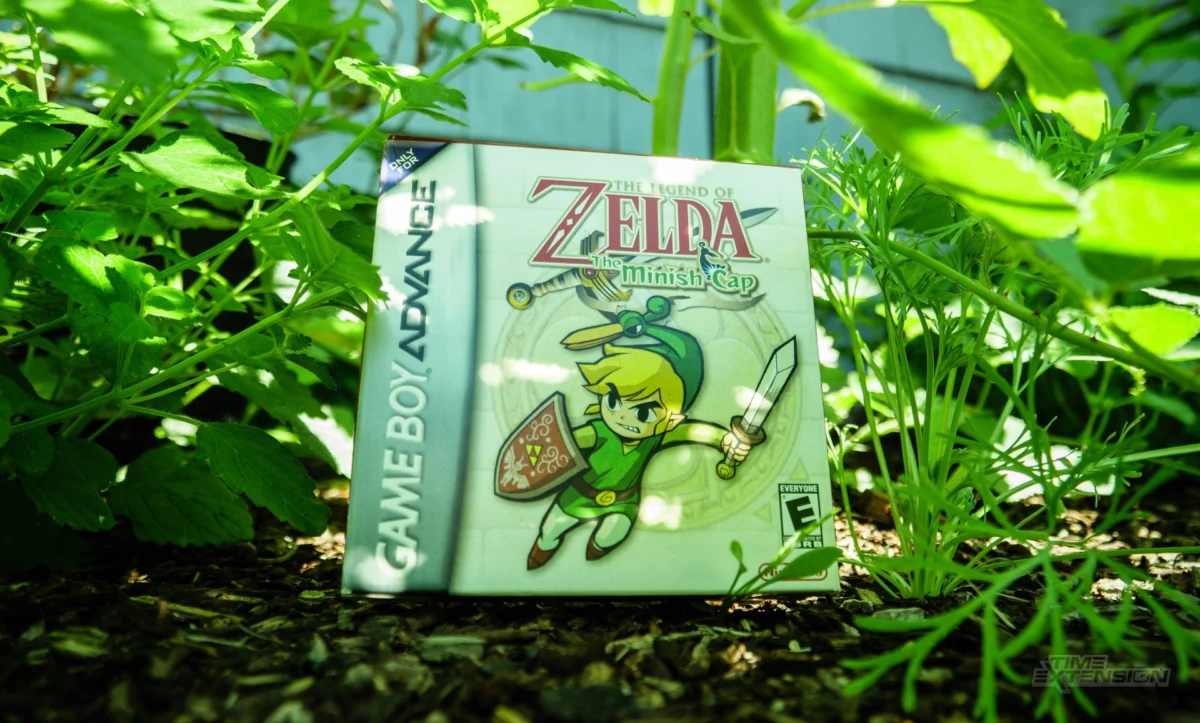
A significant milestone has been achieved in the realm of game preservation and fan-driven development with the successful decompilation of The Legend of Zelda: The Minish Cap, culminating in the release of a natively playable PC port. This ambitious project, spearheaded by the developer known as 999sian, represents years of meticulous reverse-engineering work to transform the compiled code of the classic Game Boy Advance title back into human-readable source code. The initial playable build is now available for Windows and Linux operating systems, marking a pivotal moment for enthusiasts of the beloved Zelda installment.
The Genesis of a Native PC Port: Decompilation Explained
The release of The Legend of Zelda: The Minish Cap as a native PC port is the direct result of a decompilation project. Decompilation is the process of taking a compiled executable program (like a game ROM) and attempting to reverse-engineer it back into its original source code. Unlike emulation, which simulates the original hardware environment to run the game, a native port runs directly on the target system’s hardware, offering distinct advantages in terms of performance, resolution, and future moddability. This intricate process typically involves disassembling the machine code and then manually reconstructing the high-level programming logic. For complex titles like those from Nintendo, this can be an incredibly time-consuming and technically challenging endeavor, often requiring a dedicated community or individual to meticulously piece together thousands, if not millions, of lines of code.
The developer, 999sian, has made the source code and initial builds available through a GitHub repository, indicating the open-source nature of the project. This collaborative approach is characteristic of many decompilation efforts within the retro gaming community, where transparency and shared development often lead to robust and well-maintained ports over time. The project specifically targets The Legend of Zelda: The Minish Cap, a game originally released in 2004 for the Game Boy Advance, developed by Capcom in collaboration with Nintendo.
Current State: Early Stages with Room for Growth
While the availability of a playable PC port is cause for excitement, the developer has candidly stated that the project is still in its very early stages. Significant caveats accompany this initial release. According to 999sian, "rendering and gameplay paths are still rough," indicating that players may encounter visual glitches, graphical inaccuracies, or unexpected behavior during gameplay. Furthermore, audio implementation is largely incomplete, with most of the game’s iconic music and sound effects currently missing. This absence significantly impacts the immersive experience, as sound design is integral to the Zelda series’ charm.
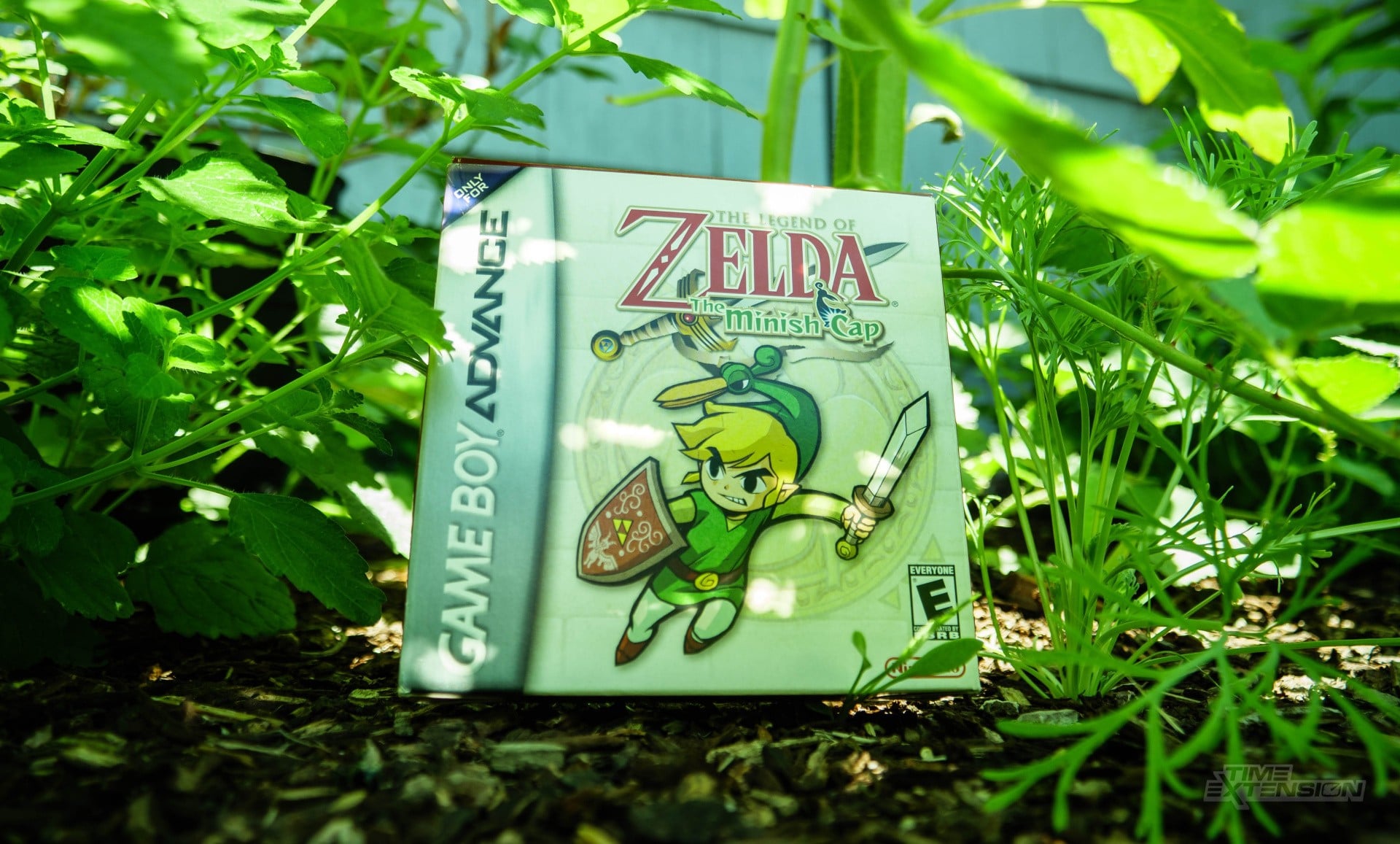
The current build also lacks any significant refinements or updates that modern players might expect from a PC port. This means there are no enhanced graphics, widescreen support, or quality-of-life improvements that are often integrated into fan-made ports of older titles. In its present form, the native PC port offers no substantial advantage over playing The Legend of Zelda: The Minish Cap via established and highly refined Game Boy Advance emulators, which typically boast full audio, stable performance, and often a suite of enhancement options. However, this is merely a starting point, and the inherent nature of decompilation projects suggests a trajectory of continuous improvement and community contributions.
Technical Accessibility and Legal Considerations
The PC port is accessible to a broad audience, with versions available for both Windows and Linux operating systems. However, a crucial requirement for players wishing to experience this port is the need to supply their own legally obtained ROM (Read-Only Memory) of The Legend of Zelda: The Minish Cap. This is a standard practice in decompilation projects for Nintendo titles, as distributing copyrighted game assets alongside the decompiled source code would constitute direct copyright infringement. By requiring users to provide their own ROM, the project navigates a legal grey area, focusing on the preservation and re-implementation of the game’s logic rather than the unlawful distribution of Nintendo’s intellectual property. Users are expected to dump the ROM from their own legitimate copy of the game.
A Brief History of The Legend of Zelda: The Minish Cap
The Legend of Zelda: The Minish Cap holds a unique position within the storied Zelda franchise. Released in 2004 (2005 in North America), it was the third Zelda title developed by Capcom, following Oracle of Seasons and Oracle of Ages for the Game Boy Color. The game introduced a novel mechanic where Link could shrink to the size of the Minish (also known as Picori), a race of tiny creatures inhabiting Hyrule. This mechanic allowed for extensive exploration, puzzle-solving, and combat from a miniature perspective, adding layers of depth to the familiar Zelda formula.
The game garnered critical acclaim upon its release, praised for its charming art style, inventive gameplay mechanics, intricate dungeons, and engaging story. It received a Metacritic score of 89 out of 100, indicating "generally favorable reviews." Key to its narrative was the talking hat, Ezlo, who guides Link and eventually reveals his true identity. The game’s emphasis on exploration, item usage, and classic Zelda dungeon design solidified its place as one of the standout titles on the Game Boy Advance and a beloved entry in the Zelda canon. Its relative rarity and continued popularity among fans make it a prime candidate for preservation efforts like this PC port.
The Broader Significance of Decompilation in Gaming
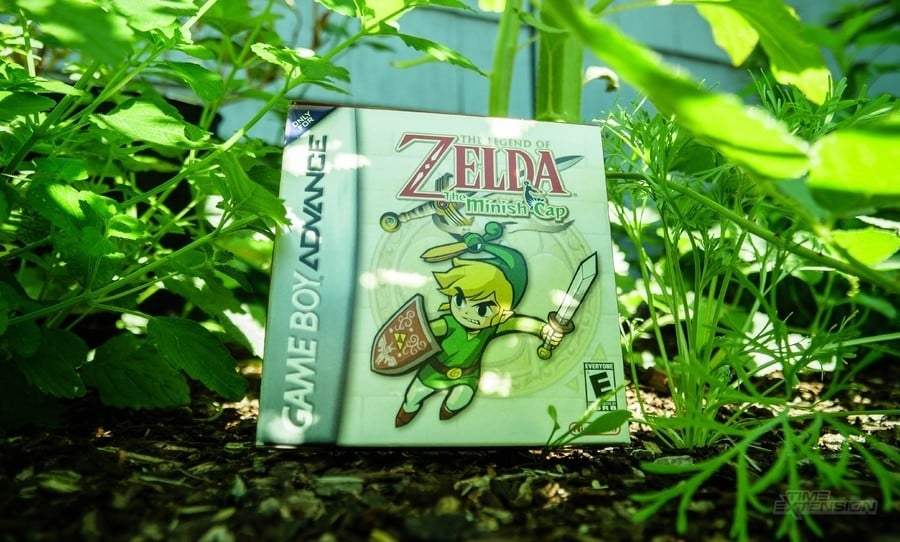
The Minish Cap PC port is not an isolated incident but rather part of a growing trend in the retro gaming community. Decompilation projects for classic Nintendo titles have gained significant traction in recent years, most notably with The Legend of Zelda: Ocarina of Time and Super Mario 64. These projects have yielded highly polished, native PC ports that offer numerous enhancements impossible with traditional emulation.
The significance of these efforts extends far beyond simple nostalgia. Decompiled ports provide:
- Enhanced Performance and Fidelity: Running natively on modern hardware eliminates the overhead of emulation, allowing for higher frame rates, native resolution support (often up to 4K or beyond), and custom graphical enhancements like improved textures, lighting, and shadow effects.
- Modding Potential: With access to the game’s source code, modding communities can introduce entirely new content, gameplay mechanics, bug fixes, and quality-of-life improvements that were previously impossible or extremely difficult to implement through ROM hacking.
- Future-Proofing and Preservation: Native ports decouple games from their original hardware, ensuring their playability for decades to come, even as original consoles become obsolete or fail. This is a critical aspect of video game preservation, ensuring that cultural artifacts remain accessible.
- Community-Driven Development: These projects are often open source, fostering collaboration among developers, artists, and enthusiasts who contribute their skills to refine and expand the ports.
The Minish Cap project, while nascent, holds the same potential for these transformative benefits. As the community rallies around 999sian’s initial work, it is reasonable to anticipate the eventual integration of missing audio, bug fixes, and perhaps even advanced features that could elevate the game beyond its original GBA presentation.
Comparing Emulation and Native Ports: A Definitive Advantage
While emulation has been the primary method for experiencing classic games on modern platforms, native ports offer a fundamentally superior experience in the long term. Emulators meticulously replicate the hardware architecture of a console, allowing its software to run. This process, while effective, can introduce inaccuracies, input lag, and often requires significant processing power to achieve perfect replication. Moreover, emulators are limited by the capabilities of the original hardware; while they can upscale resolutions, they cannot fundamentally alter the game’s underlying logic or assets without extensive external modification.
Native ports, by contrast, run the game’s software directly on the PC’s hardware. This means the game can leverage modern GPUs and CPUs without the translation layer of an emulator. The result is often more stable performance, lower input latency, and the ability to integrate features like true widescreen support, dynamic lighting, and high-definition texture packs that fundamentally enhance the visual and interactive experience. For The Minish Cap, this means the potential for a version that not only runs flawlessly but also looks and feels like a contemporary indie title, all while preserving the original gameplay integrity.
Anticipated Future Developments and Community Engagement

Given the trajectory of similar decompilation projects, the future of The Legend of Zelda: The Minish Cap PC port looks promising. The open-source nature of 999sian’s work invites contributions from other developers within the community. Potential future developments could include:
- Full Audio Implementation: Restoring all music, sound effects, and voice clips (if any were present).
- Bug Resolution: Addressing the "rough" rendering and gameplay paths to achieve a stable, bug-free experience.
- Graphical Enhancements: Implementing higher-resolution textures, improved lighting, and widescreen support.
- Quality-of-Life Features: Such as customizable controls, save state functionality, and potentially even new game modes or accessibility options.
- Modding Framework: Establishing a robust framework that allows community members to create and share extensive modifications, from simple texture packs to elaborate new quests or gameplay mechanics.
The enthusiasm surrounding such projects typically draws a diverse pool of talent, accelerating development. Forums like gbatemp.net, where this news initially surfaced, serve as central hubs for discussion, collaboration, and dissemination of progress updates. The collective effort of the gaming community often transforms these nascent projects into definitive versions of classic games.
Implications for Nintendo and the Gaming Industry
The emergence of projects like the Minish Cap PC port presents a complex situation for intellectual property holders like Nintendo. While these projects technically utilize copyrighted material (the game’s underlying logic and assets), they rarely directly compete with official releases, especially for older titles that are no longer actively sold or supported on modern platforms. Nintendo’s typical stance has been to take legal action against projects that directly distribute their copyrighted ROMs or financially profit from their IP. However, open-source decompilation projects that require users to supply their own ROMs often exist in a legal "grey area," frequently going unchallenged unless they become exceedingly popular or cross specific legal boundaries.
From a broader industry perspective, these fan-driven efforts highlight the enduring demand for classic games and the desire for modern ways to experience them. While Nintendo has made strides in re-releasing some of its back catalog through services like Nintendo Switch Online, many beloved titles remain inaccessible or are tied to outdated hardware. The success of decompilation projects often sends a message to publishers about the market for definitive ports and remasters, potentially influencing future official strategies for game preservation and re-release.
Conclusion: A Glimmer of a Definitive Minish Cap Experience
The release of the first playable PC port for The Legend of Zelda: The Minish Cap through the dedicated efforts of 999sian marks a significant step forward for fans and preservationists alike. While the current build is undeniably raw, with missing audio and graphical rough edges, it lays the foundational groundwork for what could eventually become the definitive way to experience this cherished Game Boy Advance classic. The power of decompilation, coupled with the passion of the open-source community, promises a future where The Minish Cap can flourish on modern platforms, unburdened by the limitations of its original hardware and enriched by the creative input of its dedicated fanbase. For now, it serves as a powerful testament to the enduring legacy of The Legend of Zelda and the unwavering dedication of its community to ensure its accessibility for generations to come.