Indra Gunadi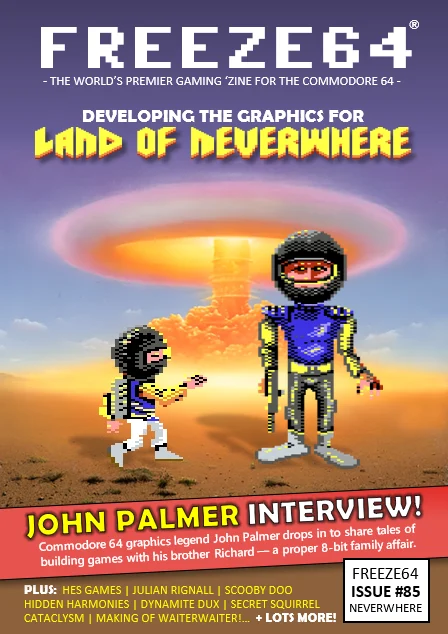
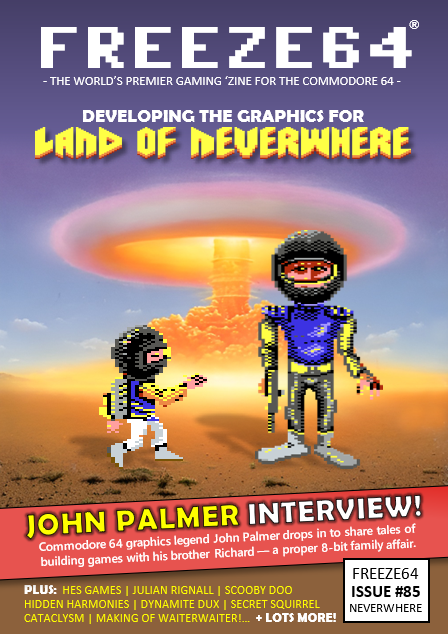
The June 2026 issue of the printed C64 fanzine Freeze64, number 85 in its esteemed run, has been released, offering an expansive and meticulously researched journey into the enduring world of Commodore 64 gaming. This latest installment continues the publication’s tradition of covering a vast spectrum of content, from practical classic game hacks and long-undiscovered programming elements to exclusive interviews with developers who shaped the platform’s golden era. The fanzine serves as a vital historical archive and an active hub for the retro computing community, meticulously preserving and re-evaluating the digital artifacts of a bygone but deeply influential computing epoch.
The Enduring Legacy of the Commodore 64: A Contextual Framework
To fully appreciate the significance of a publication like Freeze64, it is essential to understand the unparalleled impact of the Commodore 64 itself. Launched in January 1982 by Commodore International, the C64 quickly became the best-selling single computer model of all time, with estimated sales ranging from 12.5 to 17 million units over its lifetime. Its affordability, coupled with advanced graphics and sound capabilities for its era—largely thanks to the iconic VIC-II graphics chip and the revolutionary SID (Sound Interface Device) chip—made it an instant success. It democratized computing and gaming, bringing sophisticated digital entertainment into millions of homes worldwide.
The C64’s dominance created a vibrant ecosystem of game developers, software houses, and dedicated enthusiasts. By the mid-1980s, the machine boasted a software library of thousands of titles, encompassing every conceivable genre, from arcade action and intricate role-playing games to innovative simulations and educational software. Even after its discontinuation in 1994, the C64 retained a passionate following, giving rise to a robust retro computing scene that continues to thrive decades later. This enduring appeal is precisely what publications like Freeze64 cater to, providing continuous new insights and celebrating the machine’s rich history. The very existence of a printed fanzine dedicated to a 40-year-old computer, now reaching its 85th issue in 2026, speaks volumes about the C64’s indelible mark on technological and cultural history.
Fanzines: Guardians of Retro Culture and Historical Narratives
In an age dominated by digital media, the continued production of a physical fanzine like Freeze64 is a testament to the tactile and archival value cherished by the retro community. Fanzines, historically amateur publications created by fans for fans, have played a crucial role in documenting niche cultures, and the retro gaming scene is no exception. They offer a depth of content and a unique perspective often absent from mainstream media, fostering a strong sense of community and collective memory. Freeze64, established as a quarterly publication, has consistently provided a platform for historical analysis, technical deep dives, and personal reflections from within the C64 community. Its longevity and consistent output underscore the sustained demand for high-quality, dedicated content that goes beyond simple nostalgia, aiming for comprehensive historical documentation.
Unearthing Digital Secrets: Game Hacks and Hidden Code
A cornerstone of the June 2026 issue is its meticulous exploration of game hacks and the revelation of hidden code, a practice deeply embedded in the retro gaming ethos. The cover story, a retrospective on the 1987 budget shooter Land of Neverwhere, exemplifies this dedication. Released during a period when the C64 market was saturated with affordable titles, Land of Neverwhere represented a segment of the industry focused on delivering quick, engaging experiences without the multi-million dollar budgets of AAA titles. Freeze64 revisits this particular game, not just for a historical overview but to provide practical cheats—a nod to the era when such codes were traded in schoolyards and printed in gaming magazines, offering players new ways to experience or conquer challenging titles. This approach transforms the fanzine from a mere historical document into an interactive guide for contemporary players revisiting these classics.
Beyond mere cheats, the issue delves into the deeper layers of game programming, an aspect particularly fascinating given the technical constraints of 8-bit development. Investigations into the original code of titles such as Dynamite Dux, Rasterscan, and Hunter Patrol promise to unveil programming elements that have remained unnoticed for decades. This kind of forensic analysis often uncovers developer Easter eggs, unused graphics or sound assets, debug modes, or even remnants of earlier design iterations. For instance, an unused sprite in Dynamite Dux might hint at a scrapped enemy character or a level concept that never made it into the final product. Similarly, a hidden routine in Rasterscan could reveal a test pattern used by programmers to calibrate graphics, while Hunter Patrol might contain cryptic messages or signatures from its creators. Such discoveries are invaluable for game historians and enthusiasts, offering rare glimpses into the development processes, creative decisions, and technical ingenuity (or compromises) of the original programmers working within the C64’s tight memory and processing limitations. These revelations contribute significantly to the understanding of how these games were conceived, constructed, and ultimately delivered to consumers.
The Art of the Interview: Preserving Developer Voices
A critical component of any historical documentation effort is the capture of primary source accounts. While the original article omits specific names, the inclusion of "exclusive developer interviews" in Freeze64 #85 highlights the fanzine’s commitment to this crucial aspect of game preservation. Developers from the 1980s and early 1990s represent a dwindling pool of knowledge regarding the nascent stages of the video game industry. Their insights offer invaluable perspectives on the creative process, the technical challenges faced, the corporate cultures of the time, and the personal stories behind the games that defined a generation.
These interviews often illuminate the often-grueling development cycles, the innovative hacks employed to squeeze maximum performance from limited hardware, and the pressure to meet tight deadlines. For instance, a developer might recount how a specific graphical effect in Dynamite Dux was achieved through a clever use of the VIC-II’s sprite multiplexing capabilities, or how a sound effect in Land of Neverwhere was painstakingly crafted using the SID chip’s registers. Such narratives not only humanize the creation of these digital artifacts but also provide technical details that are vital for emulation efforts, reverse engineering, and academic study of early computer science and human-computer interaction. The dedication required to track down these individuals decades after their peak involvement in the industry, and to coax out these forgotten memories, underscores the invaluable service Freeze64 provides to the retro gaming community and broader cultural history.
Synthesizing Sound and Score: The SID Chip’s Hidden Melodies
The C64’s SID chip is widely regarded as one of the most iconic sound chips in computing history, celebrated for its unique character and the groundbreaking music it enabled. Freeze64 #85 continues its exploration of the chip’s capabilities by uncovering "hidden SID music tracks" in old sports games. This focus on audio is particularly pertinent, as game music from the 8-bit era often represents a distinct art form, known as "chiptune." Composers working with the SID chip were true pioneers, crafting memorable melodies and intricate soundscapes with just three voices and limited waveforms.
The discovery of hidden tracks in titles like Barry McGuigan’s Championship Boxing and World Class Rugby suggests several possibilities. These could be unused level themes, intro/outro music that was ultimately cut due to memory constraints, placeholder tunes, or even personal compositions by the sound designers never intended for public release. For instance, a hidden track in Barry McGuigan’s Championship Boxing might offer a more aggressive or triumphant theme than what was used, reflecting a different design vision for a particular boxing match. Similarly, World Class Rugby might contain a more atmospheric piece that was deemed too subtle for a fast-paced sports title. Unearthing these musical gems is akin to discovering lost classical compositions; they provide deeper insight into the creative processes of the era’s sound engineers and enrich the existing library of C64 music available to enthusiasts. This ongoing effort by Freeze64 ensures that no stone, or indeed, no musical note, is left unturned in the comprehensive documentation of the C64’s cultural output.
Revisiting the Overlooked: A Critical Reappraisal of ‘Poor’ Games
Another compelling segment of the June 2026 issue is its conclusion of a series dedicated to historically poorly rated games, examining what went wrong with titles such as Surfchamp, Scooby Doo, Breakthru, and Xeno. This analytical approach moves beyond simple fan appreciation to offer critical re-evaluation, a crucial step in understanding the full spectrum of the C64’s software library. Not every game released for the C64 was a masterpiece; indeed, many were rushed, poorly designed, or technically flawed. However, even these "failures" hold significant historical value.
By dissecting what went wrong, Freeze64 provides valuable lessons in game design, market pressures, and the limitations of early development. For example, Surfchamp might have suffered from clunky controls or repetitive gameplay, while Scooby Doo could have been a licensed tie-in rushed to market with insufficient development time, leading to a shallow experience. Breakthru might have been an ambitious concept hampered by technical issues, and Xeno perhaps a victim of poor balancing or confusing mechanics. This series doesn’t merely criticize; it seeks to understand the context. Was it a budget title with unrealistic expectations? Was it an inexperienced development team? Did publisher pressure force an early release? Such analysis provides a nuanced perspective, allowing readers to appreciate the challenges faced by developers and to understand the historical landscape of game criticism. It acknowledges that even "bad" games contributed to the evolution of the industry, offering benchmarks of what to avoid and sometimes inadvertently sparking innovation in others.
From Early Pioneers to Personal Museums: Cataclysm and Collector’s Corner
The issue concludes with two distinct yet equally significant features that underscore the breadth of the C64 community’s interests: a look at the 1983 game Cataclysm and a tour of a reader’s private hardware collection. The feature on Cataclysm, an early release for the C64, transports readers back to the very dawn of the machine’s commercial life. Games from 1983 represent the foundational period of C64 software development, often showcasing experimental designs and early attempts to harness the system’s then-revolutionary capabilities. Examining Cataclysm provides insight into the nascent graphical and sound programming techniques, the evolving game genres, and the expectations of early C64 owners. It highlights how quickly the industry evolved in just a few years, offering a stark contrast to titles from 1987 or later.
Finally, the tour of a reader’s private hardware collection speaks to the profound passion for preservation that defines the retro computing movement. These collections are more than just nostalgic displays; they are living museums of computing history. A hardware collection can include not only multiple C64 models (e.g., breadbin, C64C, C64GS) but also a myriad of peripherals—disk drives (like the iconic 1541), tape drives, joysticks, monitors, cartridges, and even obscure expansion units. Such collections are vital for ensuring that original hardware remains operational and accessible, allowing enthusiasts and researchers to experience games and software as they were originally intended, free from the nuances and potential inaccuracies of emulation. The feature likely details the challenges of collecting, maintaining, and showcasing such artifacts, sharing tips and celebrating the dedication required to curate these personal archives. It reinforces the idea that the C64 legacy is not just about software, but about the entire ecosystem of hardware that brought it to life.
The Broader Implications for Gaming History and Preservation
The June 2026 issue of Freeze64, like its predecessors, is more than just a fanzine; it is a critical instrument in the ongoing effort of digital preservation and historical documentation. In an industry notoriously poor at self-archiving, independent efforts by dedicated communities are paramount. The meticulous work of unearthing game hacks, analyzing hidden code, conducting developer interviews, documenting hidden music, critically re-evaluating past failures, and celebrating hardware preservation collectively forms an invaluable repository of knowledge.
The fanzine’s commitment to presenting this information in a professional, engaging, and accessible manner ensures that the history of the Commodore 64—a cornerstone of personal computing and video game history—remains vibrant, understood, and celebrated by current and future generations. In an era where digital heritage is increasingly at risk of being lost to technological obsolescence, publications like Freeze64 stand as crucial cultural artifacts themselves, dedicated to keeping the flickering flame of 8-bit computing alive and brightly burning. Its continued success underscores a powerful truth: the stories, the code, and the music of the Commodore 64 are far from exhausted, and there remains an insatiable appetite for discovery within its enduring digital realm.