Johny Imanuel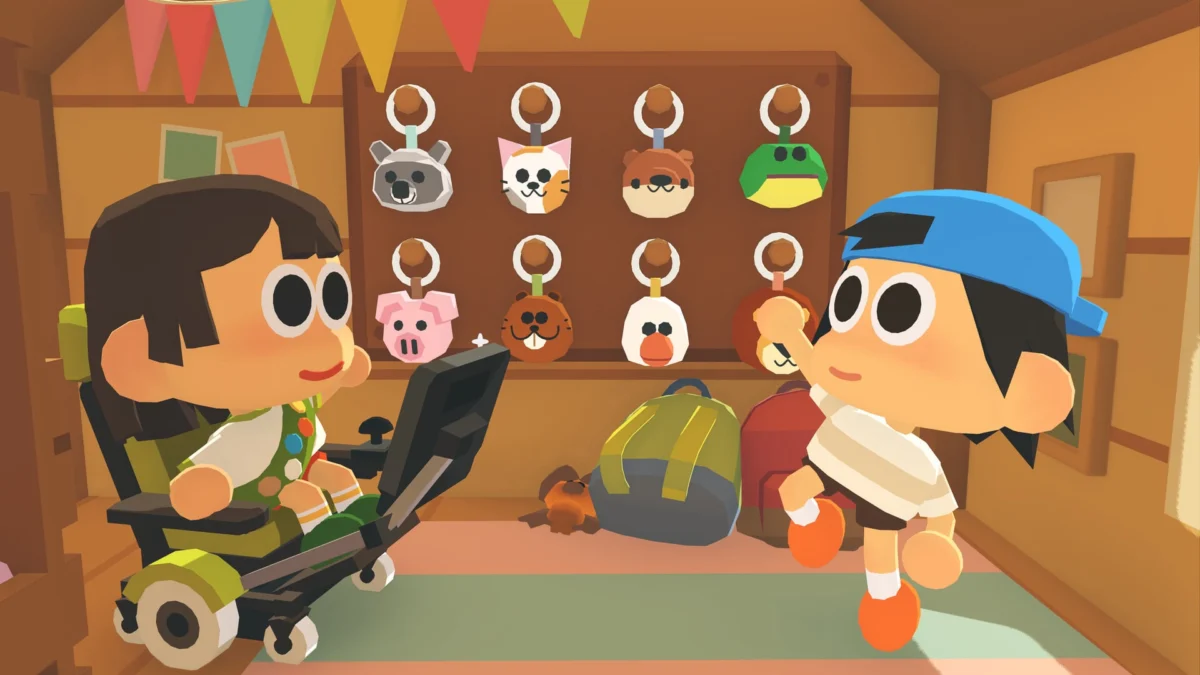
Find Your Words is a newly released interactive experience developed by Capybara Games that functions as a specialized educational tool disguised within the framework of a cozy, friendly simulation. The title invites players to step into the role of a nonverbal character navigating a social environment, specifically a summer camp setting known as Camp Pals. Through this narrative lens, the game provides a practical introduction to Augmentative and Alternative Communication (AAC) methods, offering players a perspective on how individuals with communication disabilities interact with the world. By blending puzzle elements with social simulation, the project aims to foster empathy and understanding regarding accessibility in a manner that is both welcoming and informative.
Overview of Narrative and Gameplay Mechanics
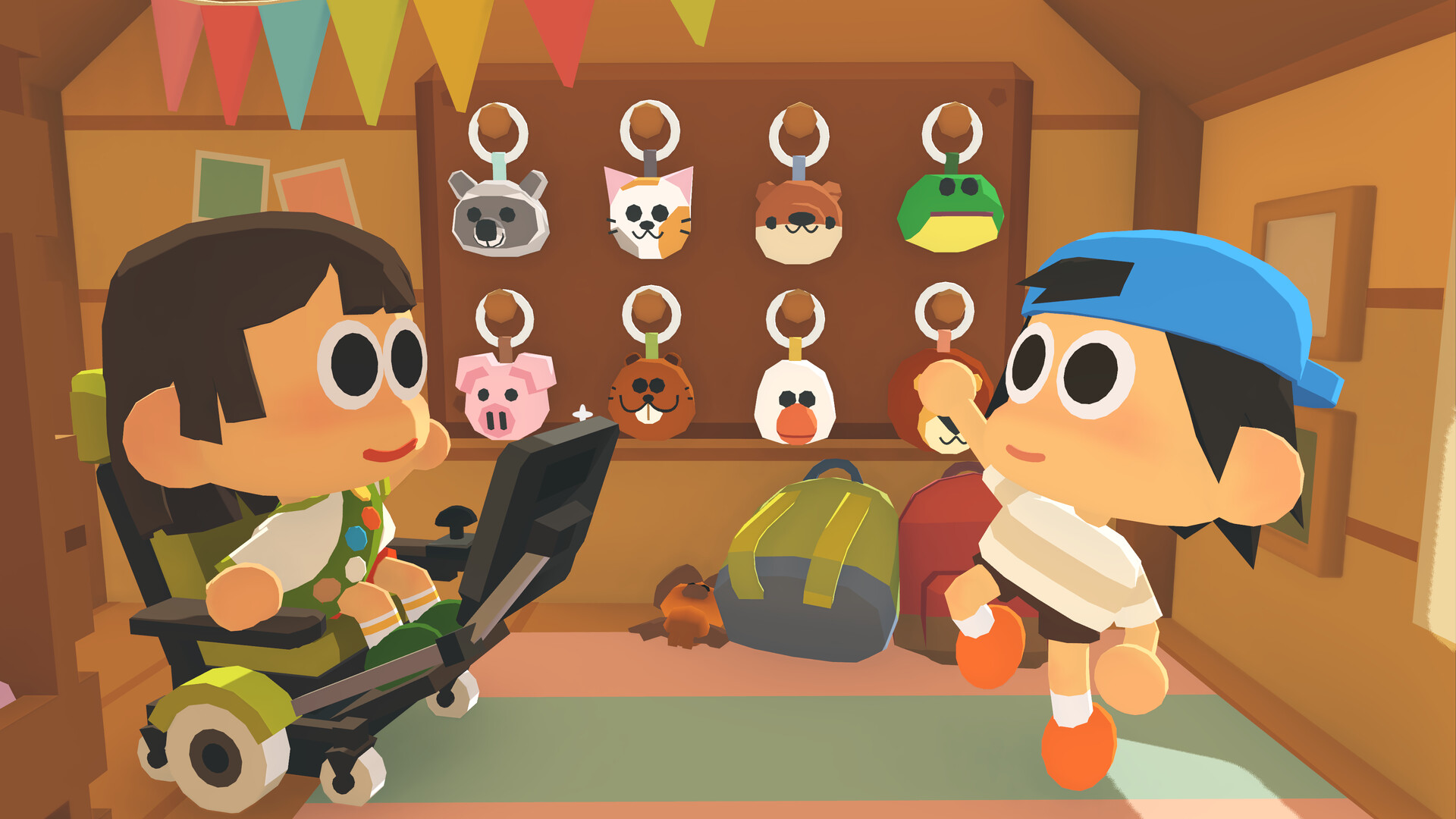
The experience begins with a character customization phase where players select an avatar before arriving at Camp Pals. The narrative premise is established through an interaction between the protagonist’s parent and the camp director, Ian. The parent expresses apprehension regarding the child’s ability to participate in camp activities due to being nonverbal. In response, Ian introduces a communication binder—a physical representation of real-world AAC devices. This binder serves as the primary interface for the player throughout the game, allowing them to select specific words or phrases to convey sentiments, requests, and questions to other campers and staff.
As the player explores the camp, they interact with a bulletin board that lists various activities. These tasks are designed to encourage the expansion of the player’s vocabulary and facilitate integration into the camp community. The gameplay loop focuses on building a "vocabulary" of icons and words, which are then used to solve light puzzles and complete social objectives. The setting of the great outdoors provides a low-stress environment for these interactions, reinforcing the "cozy" aesthetic common in modern independent gaming.
The Role of AAC in Find Your Words
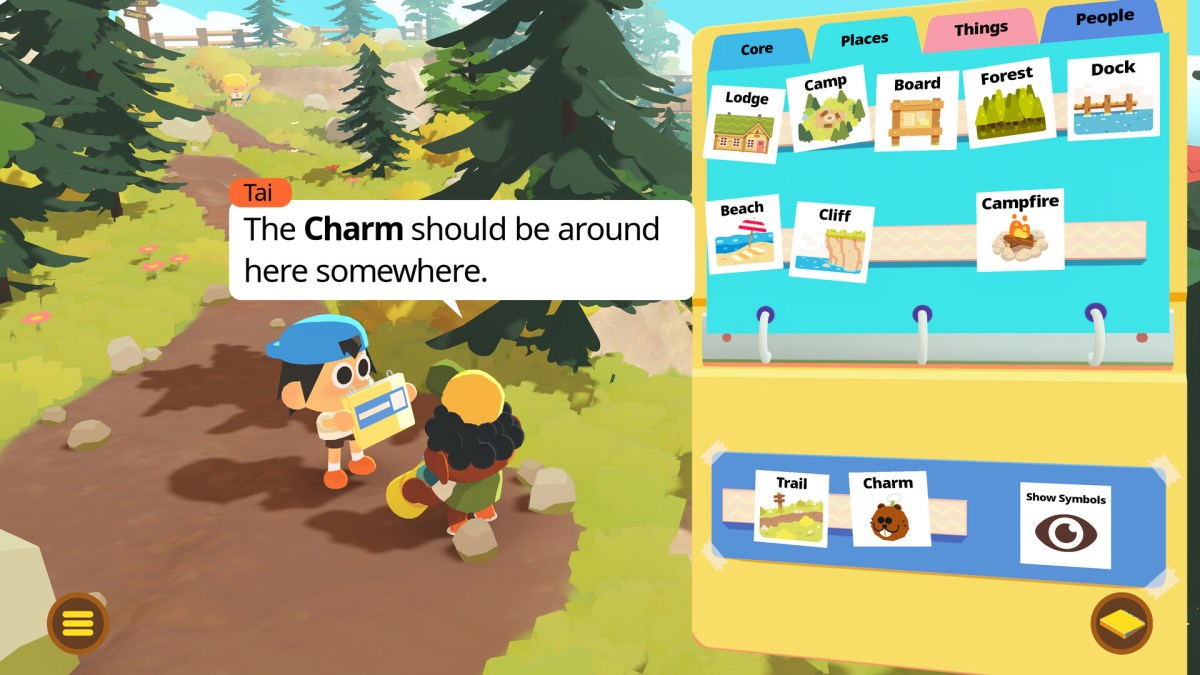
The central mechanic of Find Your Words is the communication binder, which utilizes a system of icons paired with text labels. This dual-representation approach is a direct reflection of evidence-based practices in the field of speech-language pathology. By providing both a visual symbol and a written word, the game ensures that the meaning of each "card" is easily discernible to both the player and the non-player characters (NPCs).
The binder is organized into categorized tabs, which mirror the layout of many high-tech speech-generating devices used by individuals with autism, cerebral palsy, or other conditions that affect verbal speech. These categories include:
- Core Vocabulary: Basic greetings such as "Hi," and essential question words like "Where" and "Help."
- Social Interactions: Phrases used to initiate play or express feelings.
- Nouns and Objects: Specific categories for people, places, and items found within the camp.
- Action Verbs: Words required to participate in activities like dancing or searching.
The interface is designed to be forgiving. Capybara Games implemented a system where the specific syntax or order of words is secondary to the presence of key concepts. As long as the player selects the one or two necessary icons to convey the core of their message, the NPCs are programmed to understand and respond. This design choice highlights the goal of effective communication over grammatical perfection, a principle often emphasized in introductory AAC training.
Developmental Context and Capybara Games
Capybara Games, the Toronto-based studio behind Find Your Words, is well-known in the independent development scene for titles such as Superbrothers: Sword & Sworcery EP, Below, and Grindstone. The shift toward a free, educational simulation represents a unique direction for the studio. Historically, Capybara has focused on high-polish gameplay and distinct art styles; in Find Your Words, these production values are leveraged to create a professional-grade educational resource.
The development of the game appears to be part of a broader trend in the "Games for Change" movement, where developers use interactive media to address social issues or provide specialized learning experiences. By making the game free to download on PC platforms, the developers have removed financial barriers to entry, allowing schools, therapists, and families to utilize the software as a teaching tool without the need for significant budget allocations.
Activity Structure and Objective Completion
While the game is centered on communication, it avoids the monotony of simple "fetch quests" by incorporating diverse gameplay styles. The experience includes seven primary quests that can be tracked via the camp’s bulletin board. These activities include:
- Social Interaction: Engaging with characters like Ollie to learn specific dance moves through icon selection.
- Scavenger Hunts: Solving light riddles to find hidden items around the campsite.
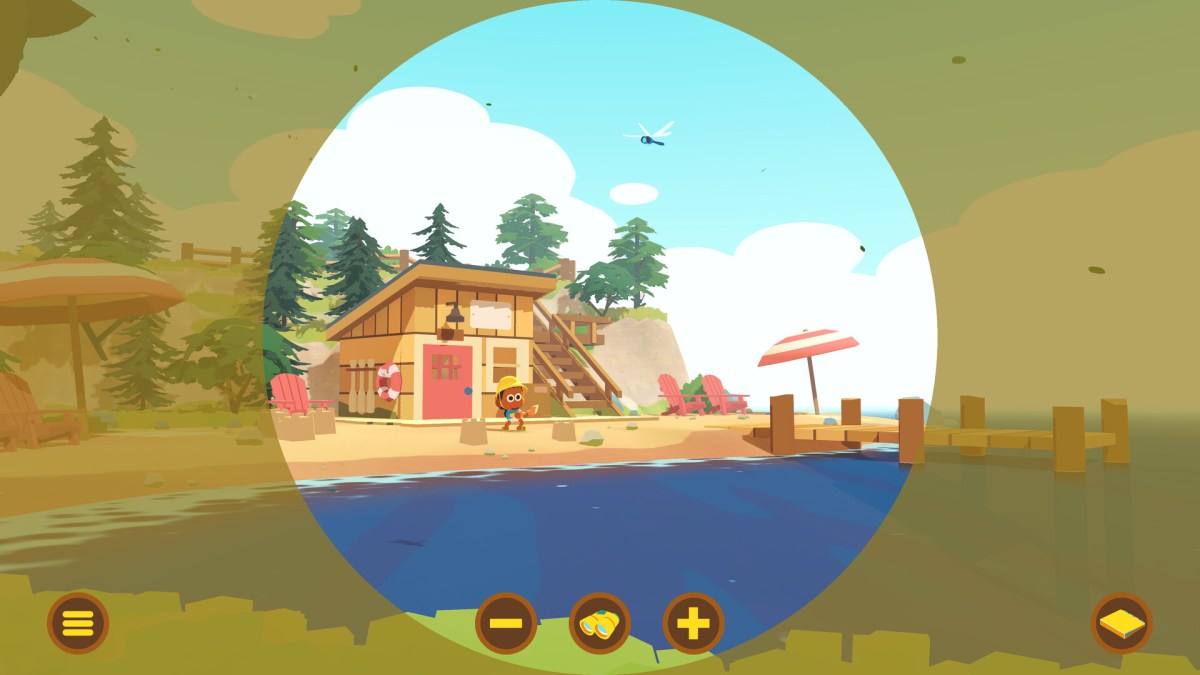
- Bird Watching: Utilizing binoculars to identify local avian species, a task that functions as a hidden-object challenge.
- Community Assistance: Helping other campers with specific needs, which requires the player to navigate their binder to find the correct "assistance" or "location" words.
The non-linear nature of these quests allows players to work on multiple objectives simultaneously. This structure mimics the chaotic but rewarding nature of a real summer camp, where social interactions often overlap with recreational activities.
Implications for Accessibility and Education
The release of Find Your Words carries significant implications for how the gaming industry approaches disability representation. Often, characters with disabilities are portrayed through the lens of struggle or as secondary characters in need of "fixing." In contrast, Find Your Words positions the nonverbal protagonist as a capable, active participant whose primary challenge is not their lack of speech, but the environment’s readiness to accommodate their communication style.
For educators and speech-language pathologists, the game provides a safe, virtual environment for "neurotypical" peers to learn about AAC. It can be used in a classroom setting to normalize the use of communication boards, potentially reducing the social stigma sometimes faced by students who use these devices in real life. The short duration of the game—approximately one hour—makes it an ideal length for a single educational session or workshop.
Technical Specifications and Distribution
Find Your Words is currently available for PC through the developer’s official website and associated digital storefronts. The game features low system requirements, ensuring it can run on standard school laptops or older home computers. The visual style is characterized by soft colors and clear, high-contrast icons, further enhancing its accessibility for players with visual processing sensitivities.
The game’s lack of a traditional "fail state" is another deliberate design choice. Because the focus is on exploration and learning, players cannot lose the game. If an incorrect word is chosen, the game provides gentle feedback or allows the player to try again, reinforcing a positive learning loop.
Broader Impact on the Gaming Industry
The success and reception of Find Your Words may encourage other mainstream independent developers to explore "empathy simulations." As the industry matures, there is an increasing demand for games that provide windows into lived experiences different from the player’s own. By focusing on the mechanics of communication, Capybara Games has addressed a specific niche that is often overlooked in traditional media.
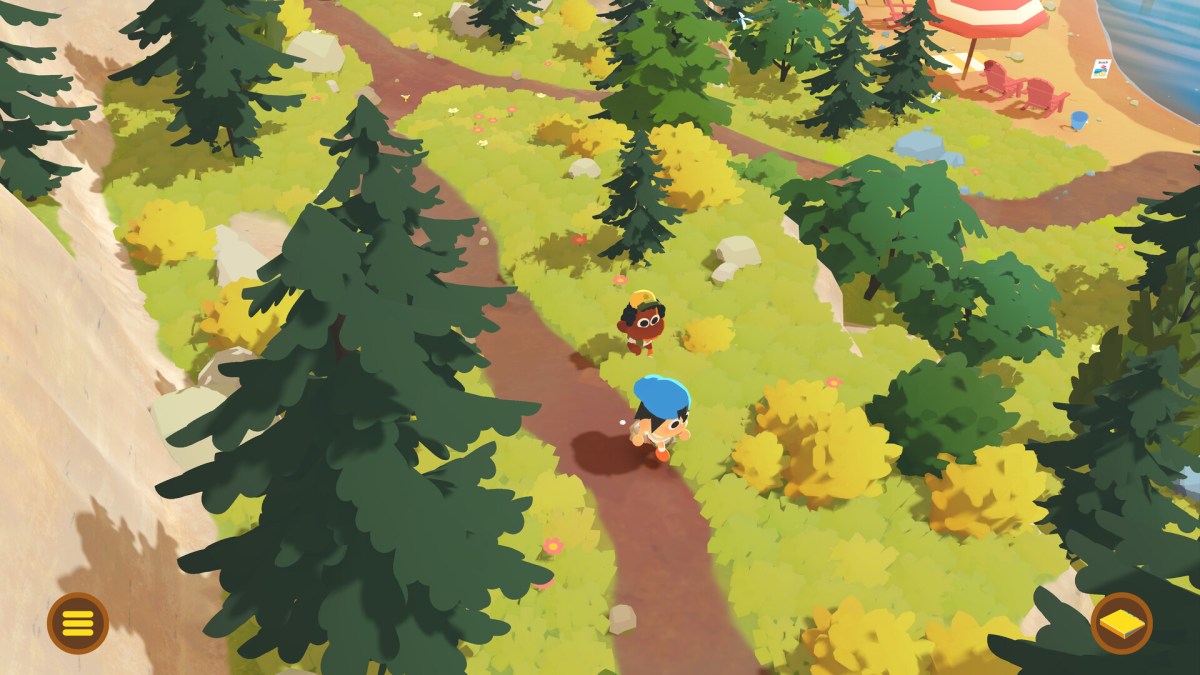
Industry analysts suggest that the "cozy" genre is particularly well-suited for these types of educational endeavors. The lack of high-pressure combat or time limits allows players to focus entirely on the message being conveyed. Furthermore, by integrating AAC into a game that looks and feels like a standard commercial title, the developers have successfully bridged the gap between "educational software" (which can sometimes feel clinical) and "entertainment."
Conclusion and Future Outlook
Find Your Words stands as a testament to the potential of video games as tools for social change and education. It effectively demystifies the process of using AAC devices, presenting them not as obstacles, but as empowering tools for connection. While the experience is brief, its impact is designed to be long-lasting, leaving players with a clearer understanding of how to communicate with and support individuals who are nonverbal.
As accessibility becomes a more prominent topic within the tech and gaming sectors, titles like Find Your Words provide a blueprint for how to integrate complex social topics into accessible, engaging formats. The decision to offer the game for free suggests a commitment to the mission of awareness over profit, positioning Capybara Games as a contributor to the public good within the digital landscape. Whether used as a teaching aid in a professional setting or played as a short, reflective experience at home, Find Your Words offers a valuable perspective on the diverse ways in which humans connect with one another.