Retno Hari Mulyono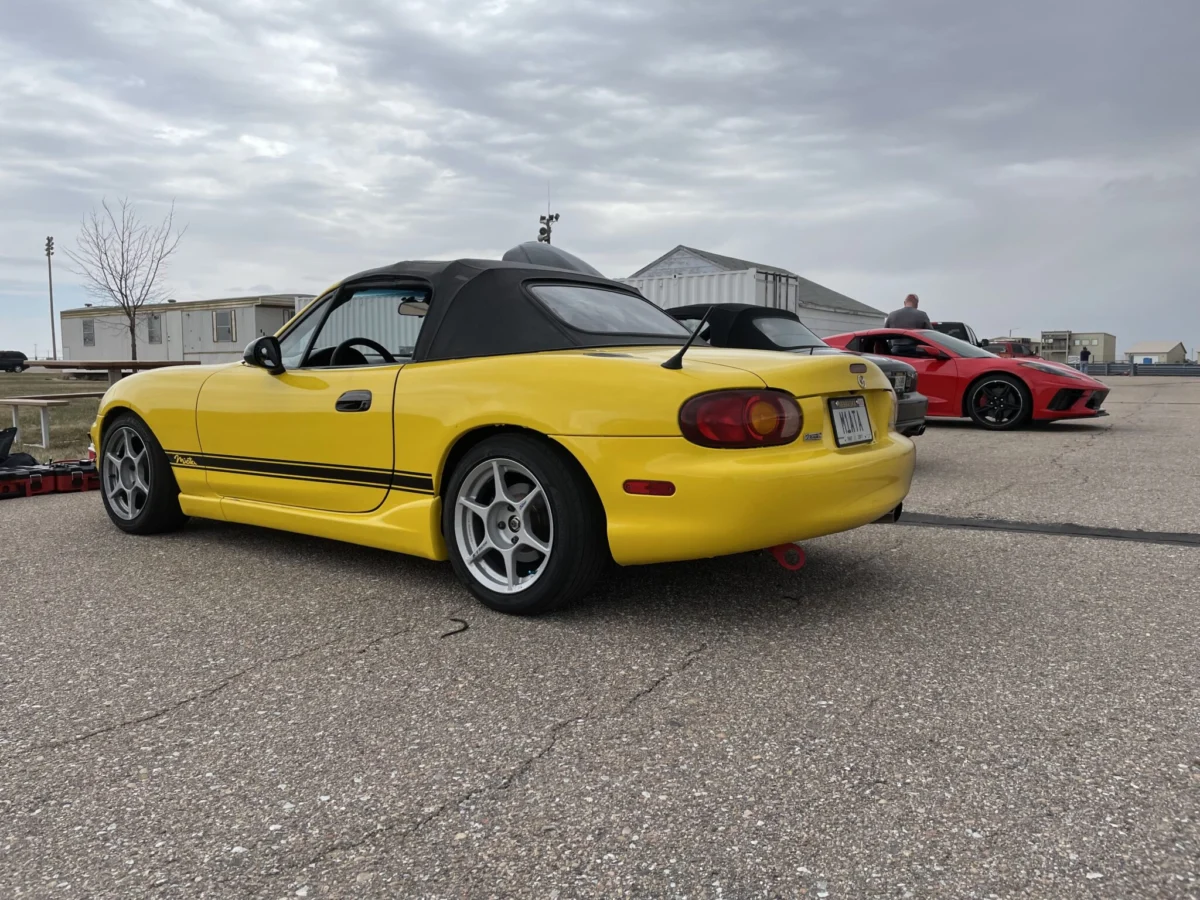
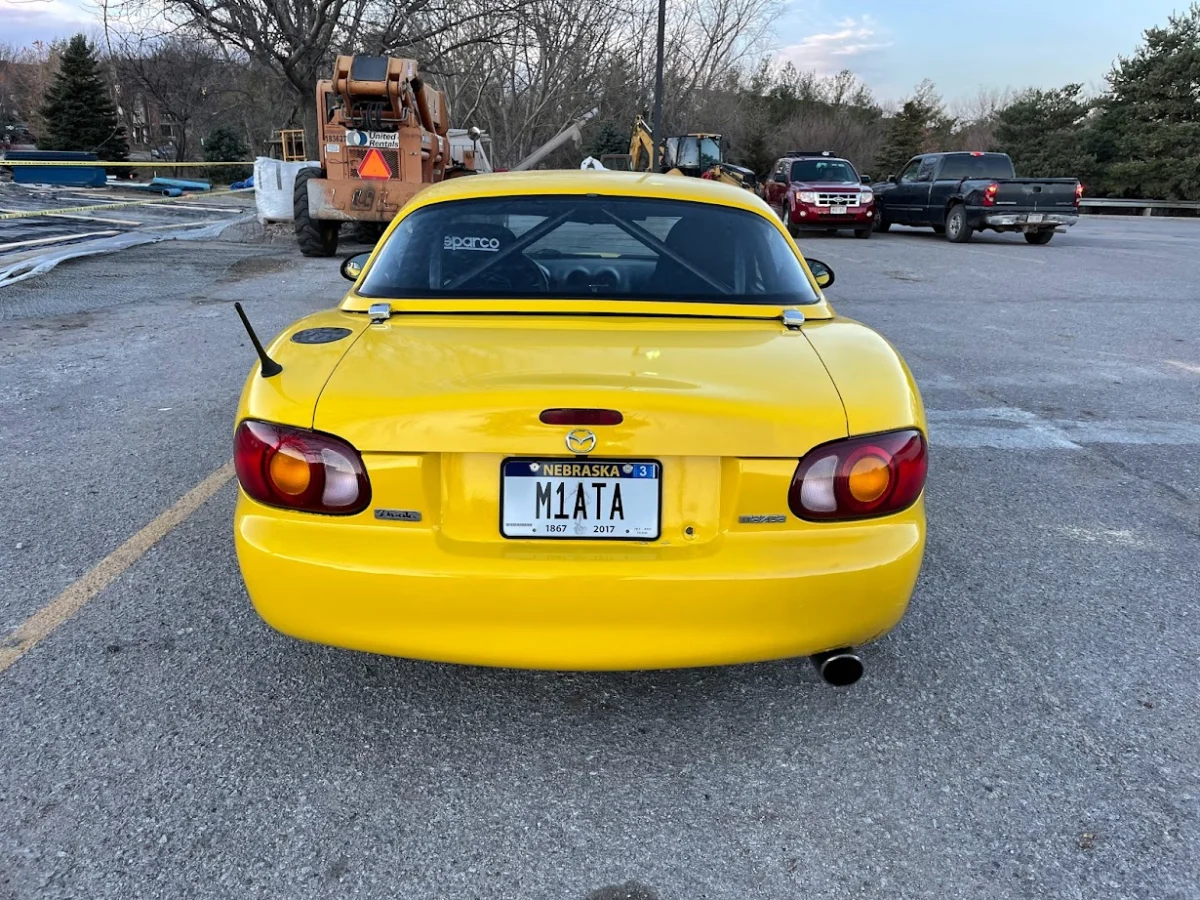
The evolution of the second-generation Mazda MX-5, commonly referred to as the NB Miata, from a standard roadster into a specialized track-focused instrument represents a significant case study in amateur motorsport engineering. Following a foundational year of ownership and initial modifications, the project entered its second phase in March 2022, focusing on a rigorous schedule of driver development, mechanical optimization, and aerodynamic enhancement. This period of development highlights the platform’s enduring relevance in the grassroots racing community, specifically within the frameworks of the Sports Car Club of America (SCCA) and the National Auto Sport Association (NASA).
Driver Development and Track Performance Metrics
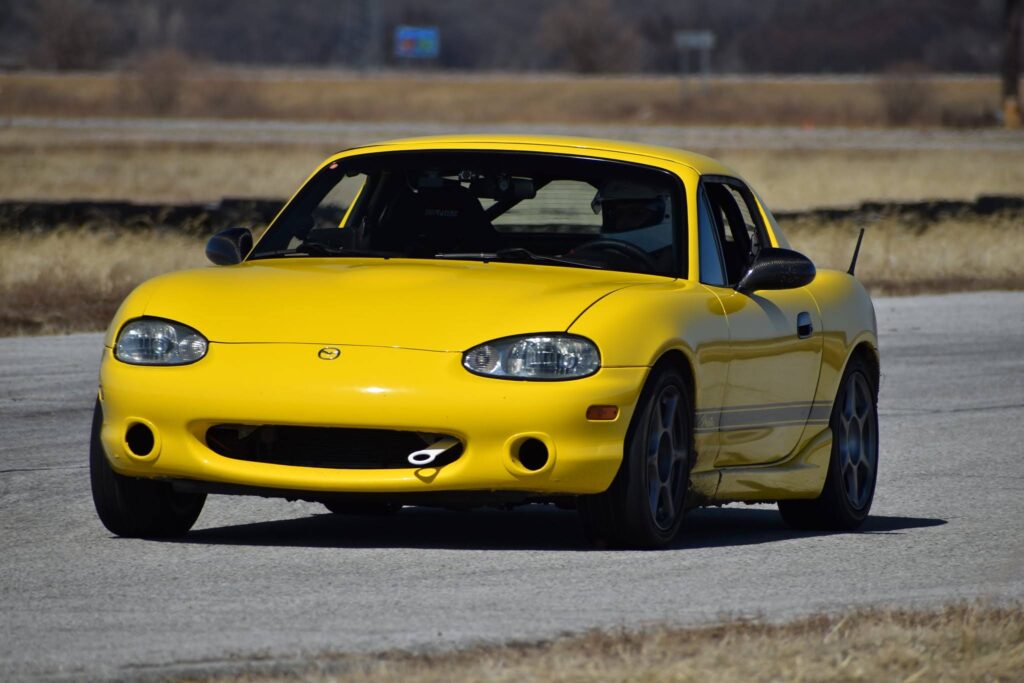
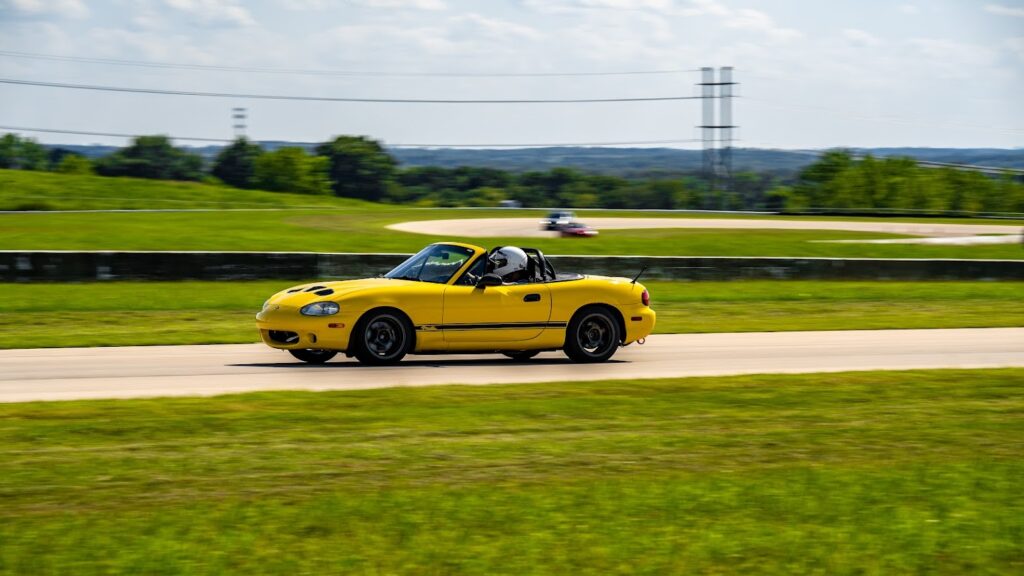
The second year of the project commenced with a return to the Raceway Park of the Midlands (RPM), a venue that served as the primary laboratory for performance testing. Throughout the 2022 driving season, the vehicle participated in eight distinct track days at this location. While mechanical upgrades were frequent, the most quantifiable gains were attributed to the refinement of driver technique. Performance data indicates a staggering 11.29-second improvement in lap times over a seven-month period.
This drastic reduction in lap times underscores a critical tenet of motorsport: the value of "seat time" over raw horsepower. Industry analysts and instructors frequently note that for novice and intermediate drivers, the vehicle’s potential often exceeds the operator’s skill level. By focusing on the "limit of adhesion" in various corners at RPM, the driver successfully transitioned from the slower run groups to the advanced sessions, where high-speed traffic management and precision are paramount.
Geographic Expansion and Surface Analysis
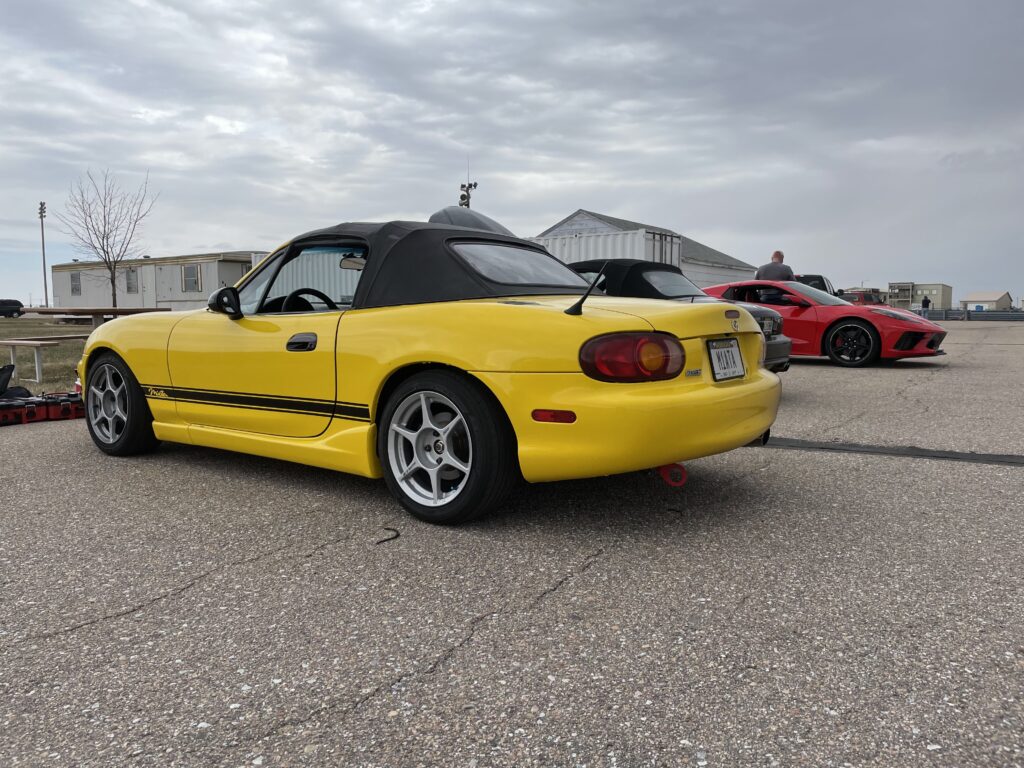
In April 2022, the project expanded its testing grounds to Motorsports Park Hastings (MPH). This venue provided a stark contrast to the conditions at RPM. While RPM is characterized by a high-deg, bumpy surface with numerous patches—conditions that test a suspension’s rebound and the driver’s physical endurance—Hastings had recently undergone a full repavement.
The fresh asphalt at Hastings offers a high-grip, smooth surface that allows for higher cornering speeds and rewards a different style of suspension tuning. The facility’s amenities, including a paved paddock and indoor clubhouse, represent the professional end of the grassroots spectrum. For the NB Miata project, the visit to Hastings served as a validation of the car’s setup on a high-fidelity surface, confirming that the vehicle’s handling characteristics remained predictable regardless of the track’s topographical irregularities.
Mechanical Refinement and Aesthetic Maintenance
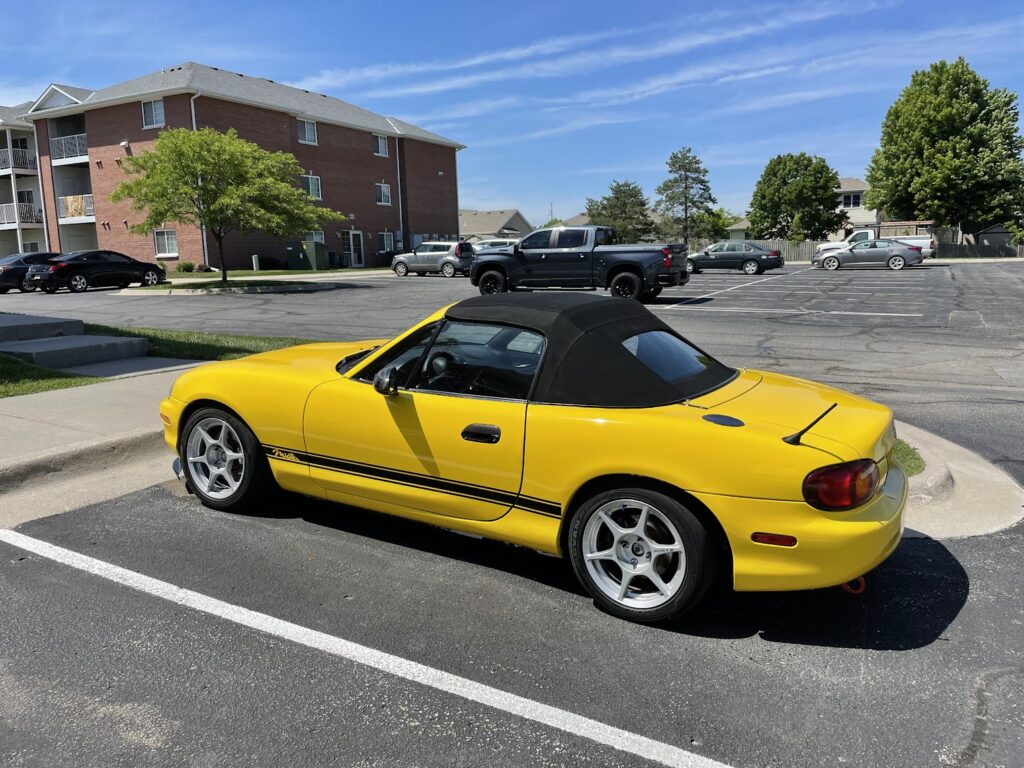
The month of May focused on the vehicle’s structural and cosmetic integrity. The installation of a new Robbins canvas soft top with a zippered glass window replaced a deteriorating factory vinyl unit. This upgrade was not merely aesthetic; the transition to canvas offers superior flexibility in cold weather and improved longevity under the UV stress common in open-paddock environments.
The installation process utilized a secondary frame from a salvage yard, allowing for a "bench-built" assembly before swapping the entire unit into the car. This method is a preferred tactic among Miata enthusiasts to minimize vehicle downtime. The technical success of the installation relied on thermal expansion, as the car was placed in direct sunlight to allow the material to stretch sufficiently for the final bolting of the rain rail.
Logistical Engineering: The Custom Tire Trailer
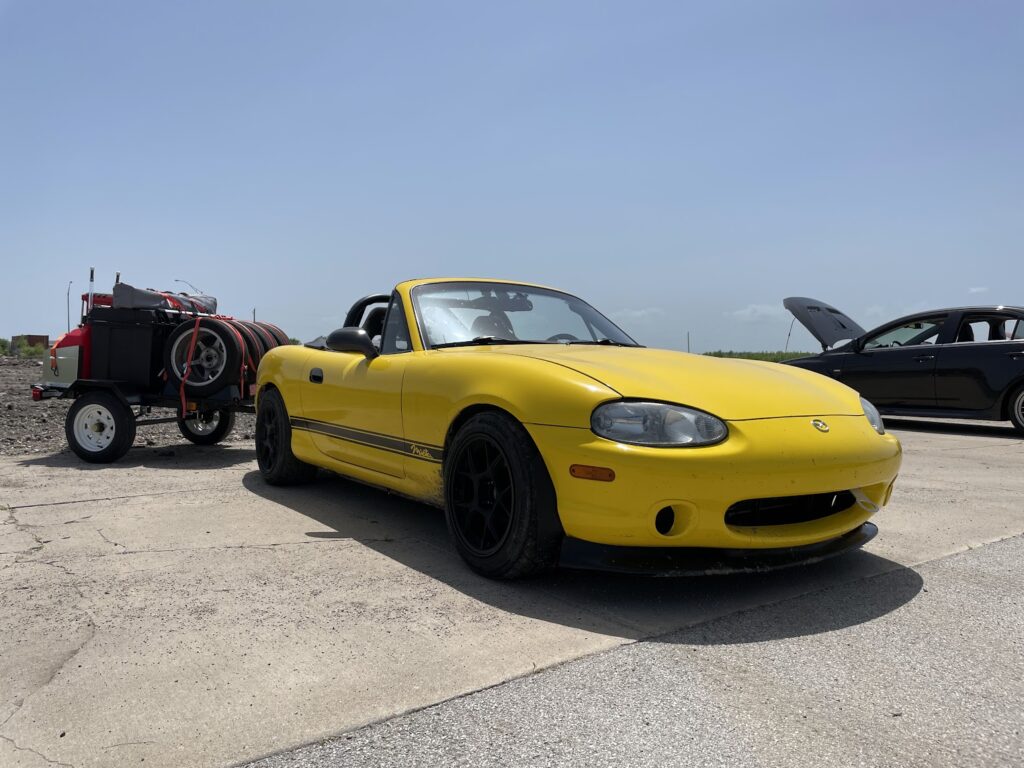
A perennial challenge for Miata owners is the vehicle’s limited cargo capacity. To remain self-sufficient during multi-day events, the project saw the construction of a bespoke tire trailer in June 2022. Built on a 40×48-inch Northern Tool chassis with an extended plywood deck, the trailer was engineered to carry four spare wheels, a large equipment box, Milwaukee Packout tool systems, and ten gallons of auxiliary fuel.
The trailer, weighing approximately 700 pounds when fully loaded, has since covered over 1,000 transit miles. This addition transformed the vehicle from a compromised commuter into a complete racing package capable of transporting a full paddock setup, including a canopy for heat management and all necessary fluids for mechanical maintenance.
Power Extraction via Electronic Management and Alternative Fuels
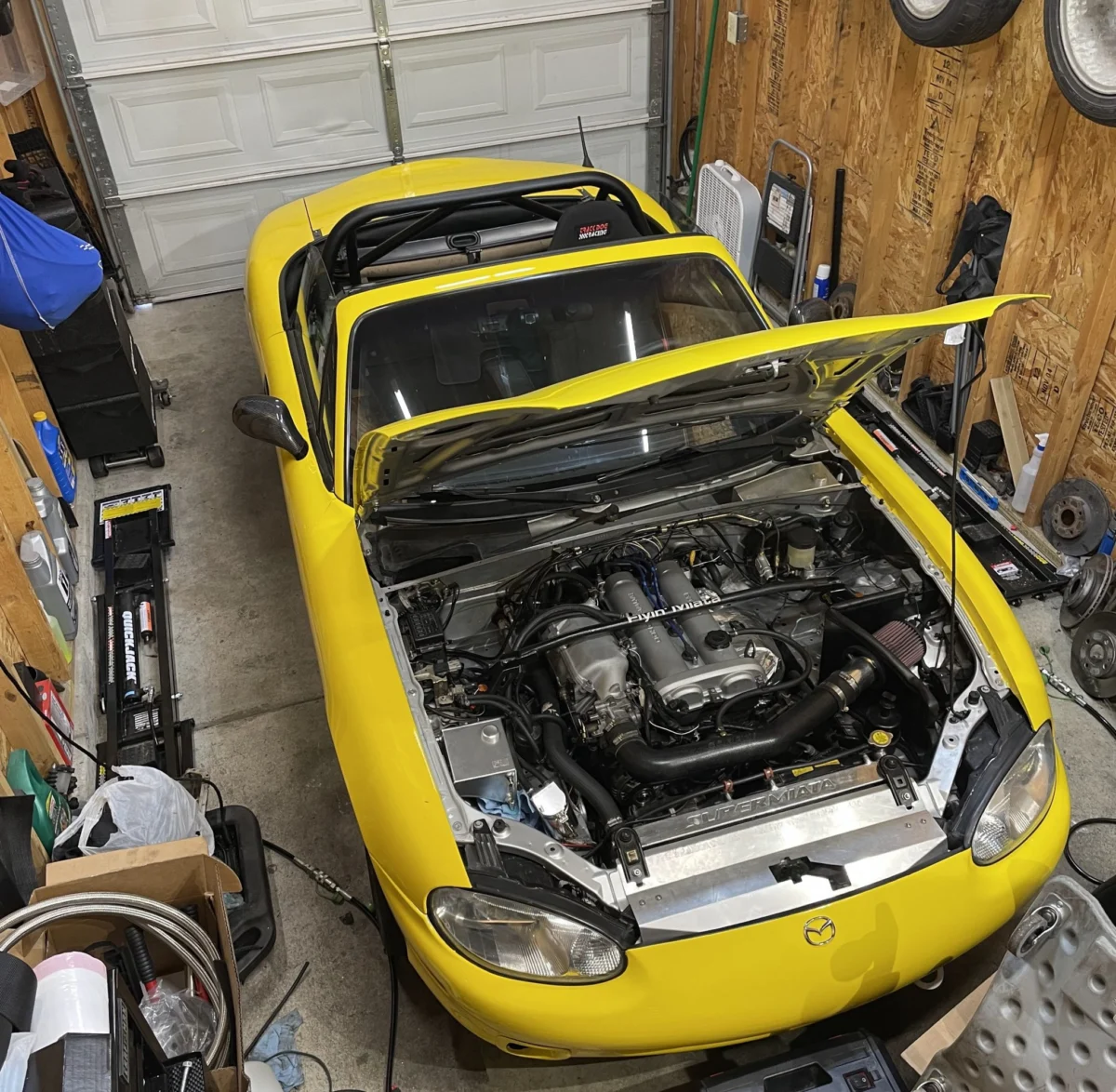
In July 2022, the vehicle underwent dynamometer testing to quantify the impact of engine management upgrades. In its first year, the NB1—equipped with basic intake and exhaust modifications—produced 115 wheel-horsepower (whp) and 106 lb-ft of torque. By the midpoint of year two, these figures rose to 136 whp and 119 lb-ft of torque.
This 18% increase in power is attributed to several key factors:
- The "Squaretop" Intake Manifold: A sought-after component from the Japanese and European markets that improves high-RPM airflow compared to the North American VICS (Variable Inertial Charging System) manifold.
- Megasquirt ECU: A standalone engine control unit that allows for precise ignition and fuel mapping.
- E85 Ethanol Conversion: The use of high-octane renewable fuel allows for more aggressive timing without the risk of detonation.
While these gains are substantial for a naturally aspirated 1.8-liter BP-4W engine, they represent the upper echelon of "bolt-on" performance before internal engine modifications, such as high-lift camshafts or increased compression ratios, are required.
Diversity of Disciplines: Autocross and Rallycross
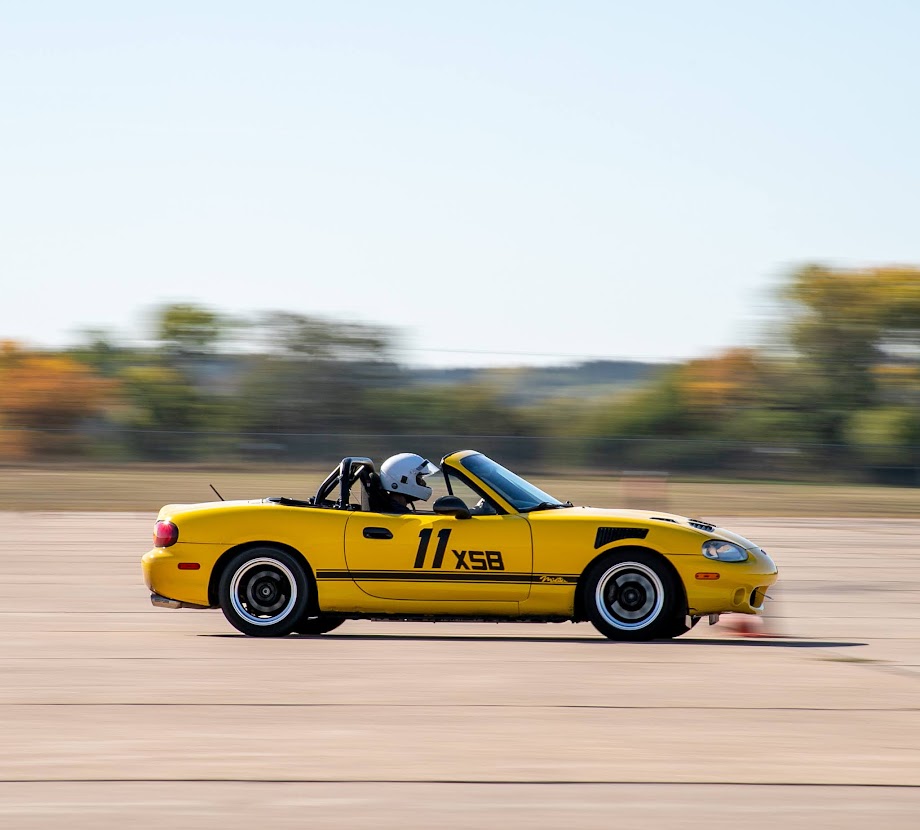
The project’s scope widened in the late summer and early autumn to include SCCA Solo (Autocross) and Rallycross. Participation in every local Nebraska Region SCCA event provided a different set of challenges. Autocross, held on the same concrete surfaces used for the SCCA Solo Nationals, emphasizes low-speed agility and rapid weight transfer. The driver’s progression was notable, moving from the bottom 10th percentile to the median of the pack by the season’s end.
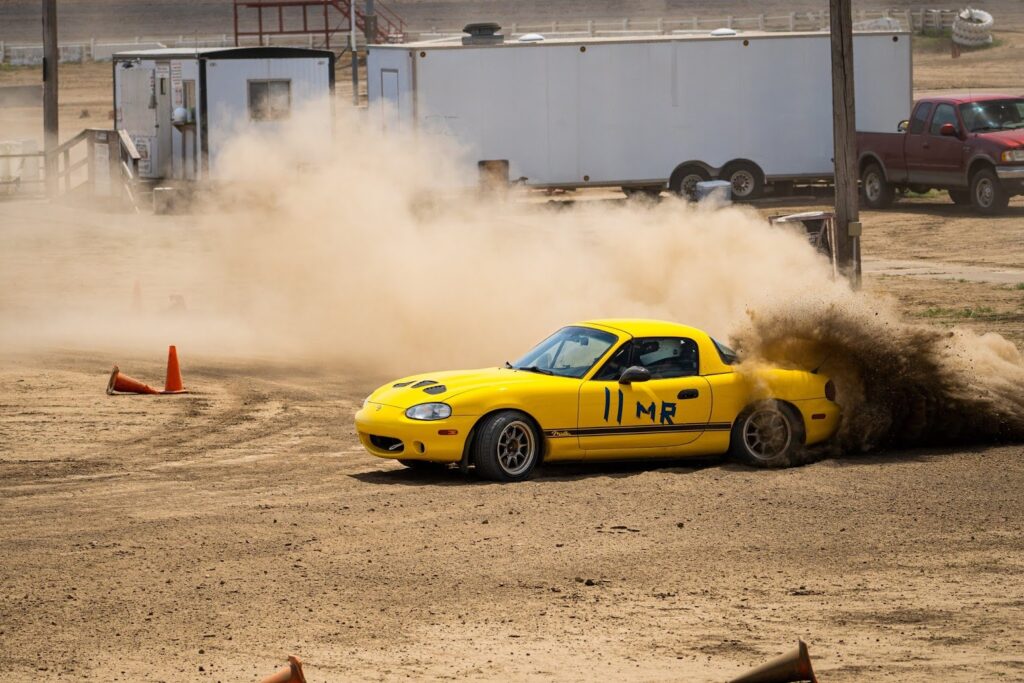
The August debut in SCCA Rallycross at I80 Speedway in Nebraska introduced the car to low-traction dirt surfaces. Despite the loss of a front lip due to the uneven terrain, the experience provided invaluable lessons in car control and sliding dynamics. Experts suggest that dirt-surface driving is one of the most effective ways to develop a "feel" for a vehicle’s balance, as the lower speeds allow for more reaction time when the car exceeds its limit of grip.
Structural Incident and Repair Chronology
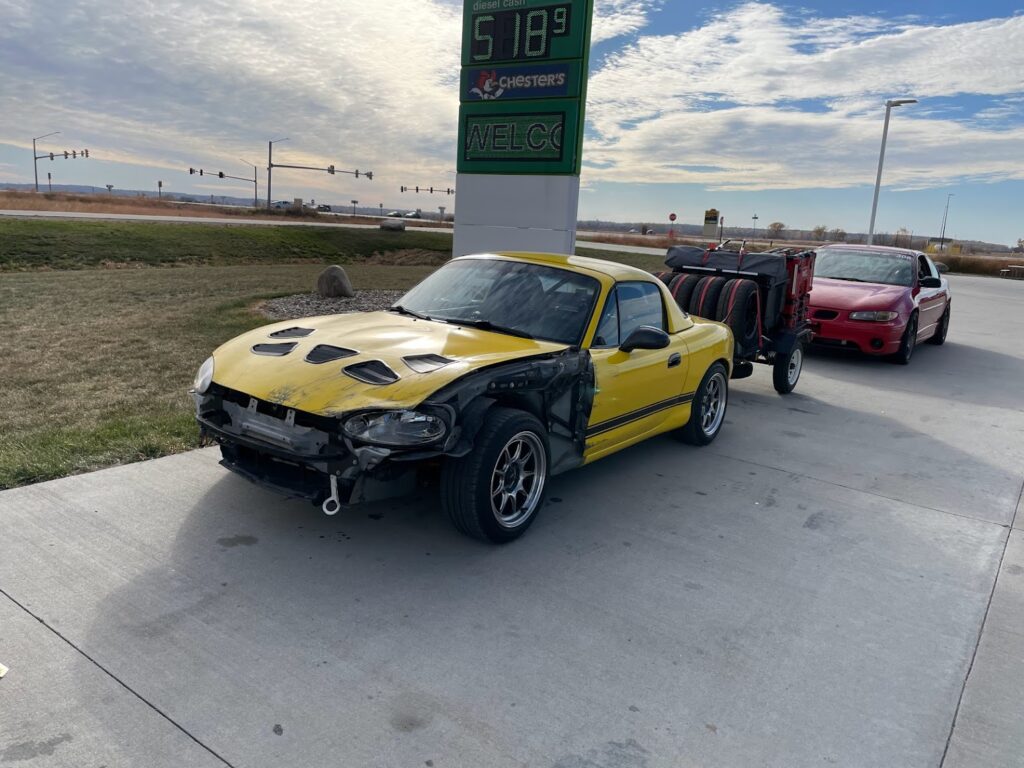
The inherent risks of high-speed motorsport were realized on October 29, 2022, during the final track day of the season. While navigating the technical Section of RPM, the vehicle experienced a high-speed understeer event following a corrected slide in Turn 10. The car exited the track surface and impacted a tire wall at approximately 60 mph.
The incident served as a practical test of the track’s safety infrastructure and the Miata’s modular design. The tire wall effectively dissipated the kinetic energy, protecting the driver and passenger from injury. The vehicle sustained damage to the hood, front bumper, left fender, and headlight. However, the lack of structural frame damage allowed the car to be driven home.
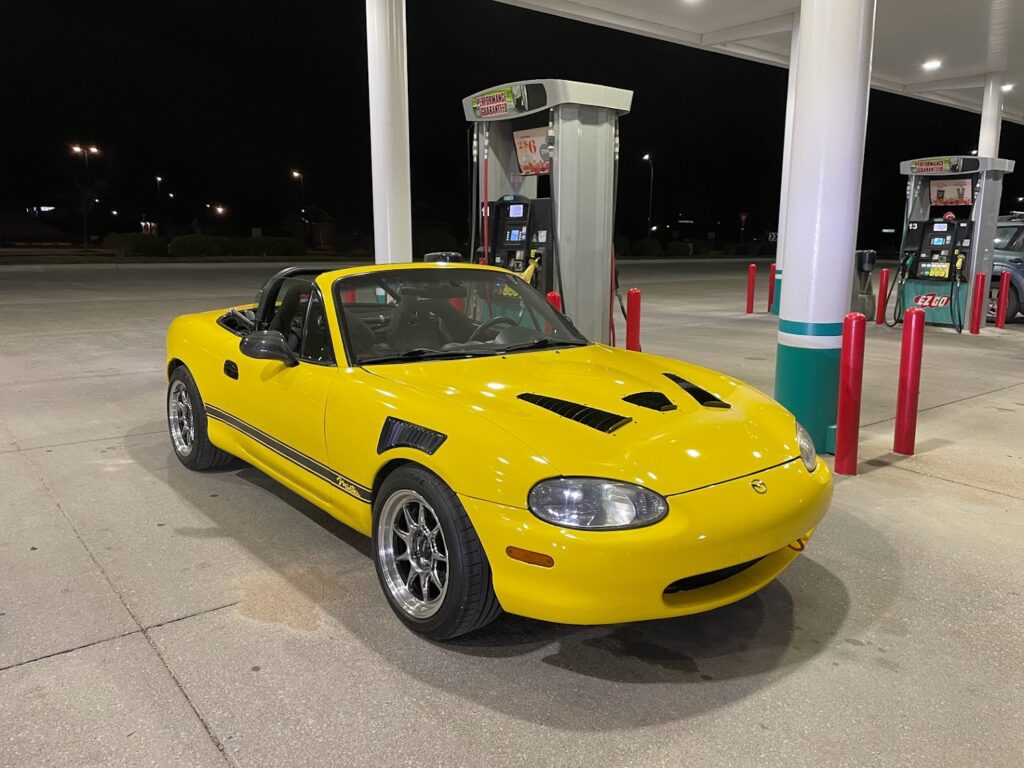
The subsequent repair phase in November demonstrated the cost-effectiveness of the Miata platform. Within 30 days, the owner sourced and installed a replacement fender, hood, and bumper. The use of a yellow vinyl wrap instead of traditional paint allowed for a rapid cosmetic restoration at a fraction of the cost of a professional body shop, highlighting a growing trend in the "track-rat" community toward easily repairable aesthetics.
Advanced Suspension and Bushing Dynamics
As the vehicle entered winter storage in December, the focus shifted to the chassis. The project moved away from IL Motorsports rubber bushings in favor of A1 Ground Control Nylatron bushings. Nylatron, a glass-filled nylon material, offers properties similar to Delrin but with superior self-lubrication.
The decision to move to a solid-style bushing was driven by the desire to eliminate "bushing bind" and maintain consistent suspension geometry under high lateral loads. Additionally, Paco Motorsports adjustable rear upper control arms were installed to allow for more precise camber and toe adjustments. While these modifications increased the vehicle’s Noise, Vibration, and Harshness (NVH) levels—making it less suitable for casual street use—the resulting precision in the suspension’s articulation is expected to yield more consistent handling at the limit.
Aerodynamic Theory and Implementation
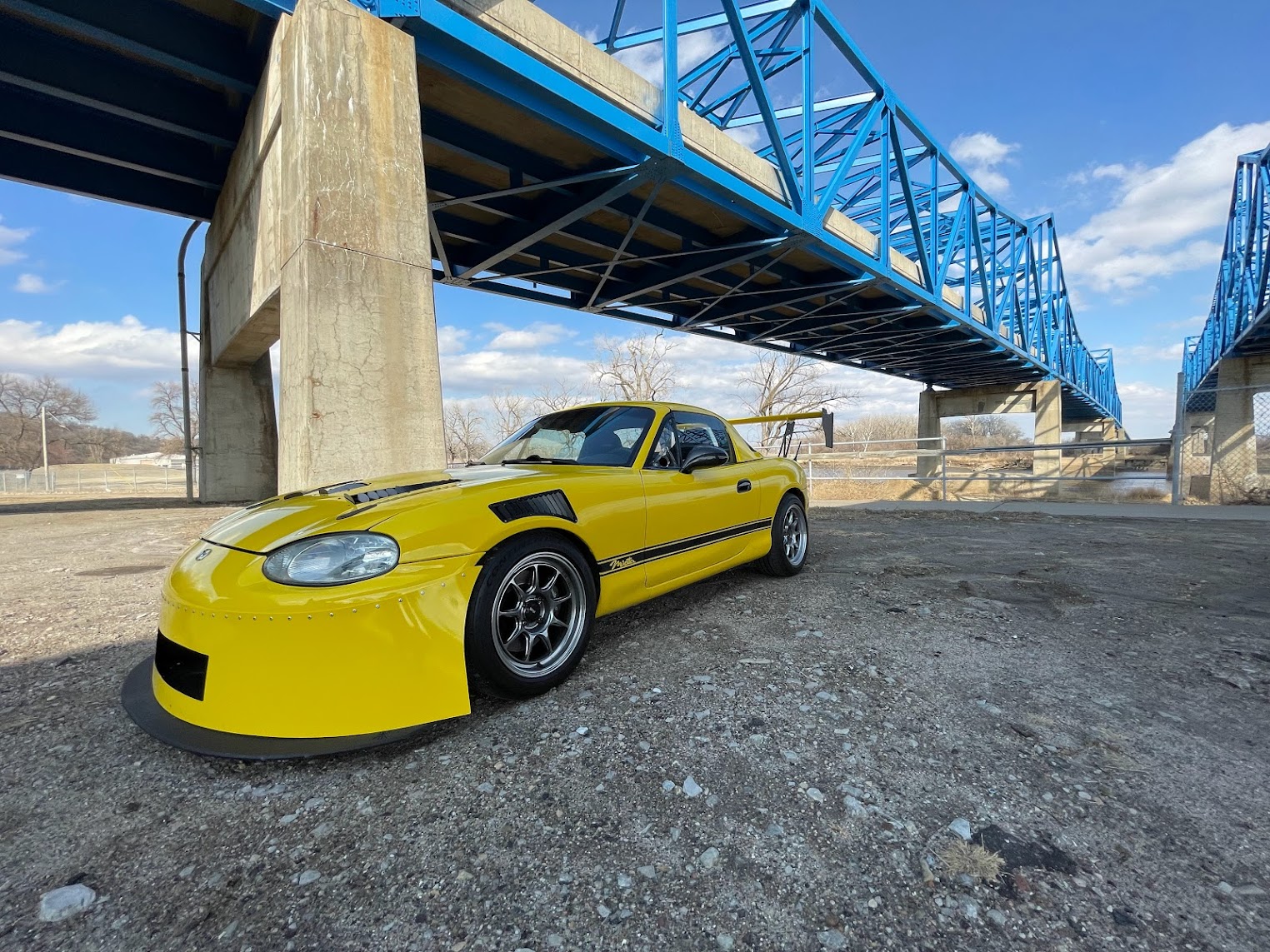
The final major milestone of the second year was the installation of a Nine Lives Racing "Medium Downforce" aero kit in February 2023. This package includes a chassis-mounted aluminum rear wing and a front splitter system. The kit is designed to counteract the Miata’s natural aerodynamic lift at high speeds.
Initial street testing and high-speed evaluations suggest a significant increase in vehicle stability. By converting the air flowing over the car into downward pressure, the kit increases the "normal force" on the tires, thereby increasing the available grip without adding significant weight. Furthermore, the use of a chassis-mounted wing ensures that the downforce is transferred directly to the frame rather than the trunk lid, preventing body deformation.
Broader Impact and Conclusion
The second year of the NB Miata project serves as a comprehensive roadmap for the modern grassroots enthusiast. It demonstrates that with a disciplined approach to maintenance, a willingness to analyze data, and a focus on incremental upgrades, a twenty-year-old roadster can remain a formidable competitor in modern amateur racing.
The project’s success is a testament to the Miata’s robust aftermarket support and its modular engineering. As the car enters its third year, the combination of a high-revving E85 engine, sophisticated suspension geometry, and functional aerodynamics places it in a specialized category of "club racers" that can bridge the gap between street legal transport and dedicated race machinery. The data gathered over these twelve months provides a clear trajectory for future development, ensuring the NB Miata remains a staple of the American track day scene for years to come.