Cecilia Chamidah Nur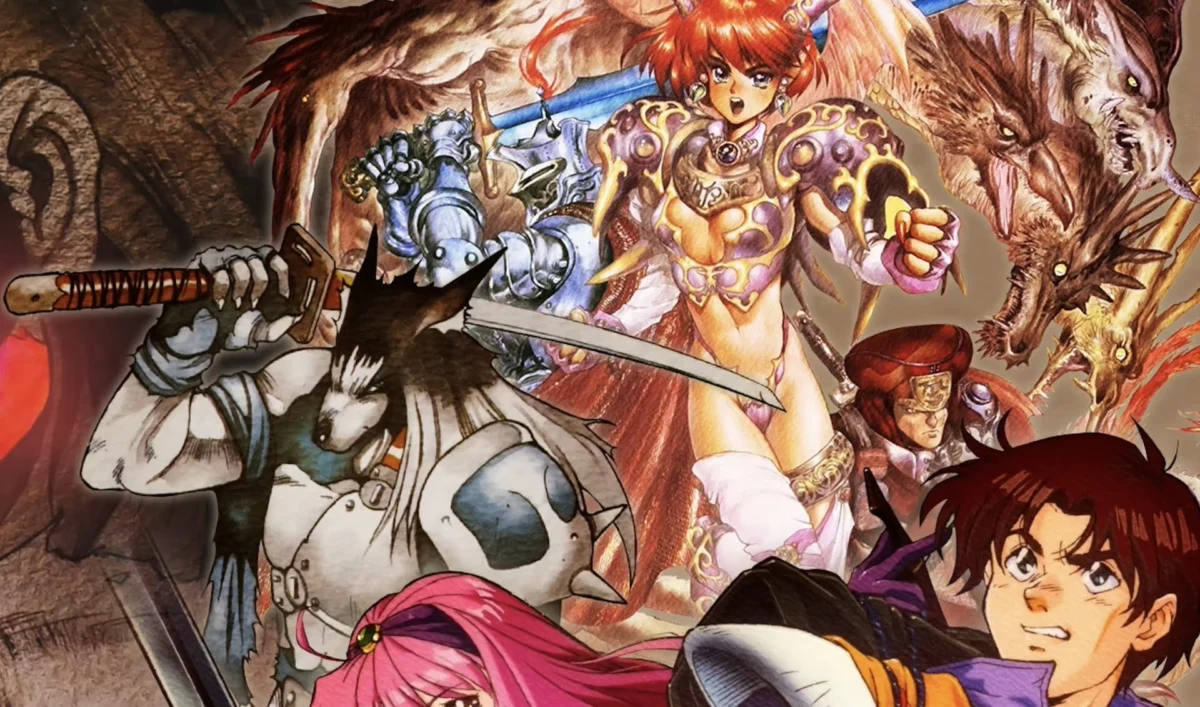
The Super Yanoman Collection is set to feature three distinct games originally published by Yanoman during the Super Famicom’s golden age. These include the 1992 role-playing game Song Master, the 1993 action title Trinea, and the 1994 strategy RPG Feda: The Emblem of Justice. The announcement highlights Edia’s commitment to digital game preservation and making historically relevant, albeit niche, titles accessible on modern hardware, a growing trend within the Japanese gaming industry.
Reviving 16-Bit Lore: A Deep Dive into the Collection’s Offerings
The three games chosen for the Super Yanoman Collection represent a cross-section of genres popular during the 16-bit era, each offering a unique glimpse into the creative output of its time. Their inclusion in this collection signifies a renewed interest in exploring the deeper catalog of Japanese gaming history, beyond the universally recognized blockbusters.
Song Master: A Symphony of Adventure
Released in 1992, Song Master is a traditional role-playing game developed by Japan Art Media (JAM). The game distinguishes itself with an original narrative conceived by Yanoman’s Kazutoyo Ishii. Players follow the journey of a young protagonist who uncovers the extraordinary ability to manipulate magic through music. This unique premise drives the character’s quest to locate a legendary teacher capable of guiding him in mastering his newfound powers. The game’s narrative depth, combined with its distinctive magic system, offered a fresh take on the burgeoning RPG genre of the early 90s. While it garnered a dedicated following in Japan, Song Master remained largely unknown in Western territories, primarily due to the absence of an official localization. An unfinished fan translation project exists, serving as a testament to the game’s appeal among a small, dedicated community, but a complete, polished English version has never been widely available. This collection marks the first official opportunity for a broader audience to experience its unique blend of melody and magic.
Trinea: Action Amidst Ancient Evils
Following Song Master, Japan Art Media (JAM) also developed Trinea, an action-oriented title released in 1993. This game plunges players into a world on the brink of chaos, where a group of heroes is tasked with preventing the resurrection of an ancient, malevolent deity. Trinea offered fast-paced combat and engaging gameplay, characteristic of the action genre popular on the Super Famicom. Notably, Trinea is thematically linked to Penta Dragon, a Game Boy title also published by Yanoman. This inter-game connection provides an intriguing layer of lore for players who enjoy exploring expanded universes within a publisher’s catalog. Like Song Master, Trinea never received an official localization, leaving its narrative and action confined to its original Japanese release. The lack of a complete fan translation further solidified its status as an obscure gem, making its inclusion in the Super Yanoman Collection a significant event for retro gaming historians and enthusiasts eager to uncover hidden classics.
Feda: The Emblem of Justice: A Strategic Legacy
The third and perhaps most recognizable title in the collection is Feda: The Emblem of Justice, a strategy RPG developed by Max Entertainment and released in 1994. This game stands out for its mature narrative, centering on a soldier compelled to turn against the very evil empire they once served. Feda delves into themes of loyalty, betrayal, and justice, presented through intricate turn-based tactical combat. Unlike its two companions in the collection, Feda: The Emblem of Justice achieved a degree of recognition outside Japan, thanks to a comprehensive fan translation undertaken by Magic-Destiny/Stealth Translations, a group that later merged to form the well-known Dynamic Designs. This fan effort allowed Western players to experience its compelling story and strategic depth, establishing it as a cult classic among strategy RPG aficionados. The game’s legacy further expanded with a remake for the Sega Saturn in 1996 and a direct sequel for the original PlayStation in 1997, solidifying its place as a notable franchise within Yanoman’s publishing history. Its inclusion in the collection is particularly welcome, offering a high-quality, officially sanctioned modern release for a game that has long been championed by its dedicated fanbase.

Edia and Yanoman: Curators of Gaming Heritage
The release of the Super Yanoman Collection is a collaborative endeavor that bridges gaming history with modern distribution, bringing together the legacy of Yanoman with the contemporary preservation efforts of Edia.
The Original Visionary: Yanoman’s Role in the Super Famicom Era
Yanoman, while perhaps not a household name like Nintendo or Square Enix, played a significant role as a publisher during the highly competitive 16-bit era in Japan. Established as a puzzle and board game manufacturer, Yanoman ventured into video game publishing, bringing a diverse array of titles to market. Their catalog included RPGs, action games, and strategy titles, demonstrating a willingness to experiment across genres. During the Super Famicom’s peak, Yanoman contributed to the console’s rich library, often collaborating with smaller development studios like Japan Art Media and Max Entertainment. The games they published, including Song Master, Trinea, and Feda, often showcased innovative concepts or unique narrative approaches, even if they didn’t always achieve mainstream commercial success. Yanoman’s output represents a crucial segment of Japanese gaming history, offering a window into the broader creative landscape of the era beyond the major players. Their titles, while sometimes overshadowed, contributed to the diversity and vibrancy of the Super Famicom’s offerings.
Edia’s Modern Mandate: Bridging Generations
Edia, the developer and publisher behind this collection, has established itself as a significant player in the retro gaming resurgence within Japan. The company has a track record of acquiring licenses for classic Japanese games and porting them to modern platforms. Their strategic approach often involves not only making these games available but also enhancing them with quality-of-life features where appropriate, or simply ensuring faithful emulation. Edia’s mission appears to be twofold: to preserve gaming history by making past titles accessible and to introduce these classics to new audiences who might have missed them the first time around. Their previous efforts in this space underscore their commitment to this niche but growing market. By curating collections like the Super Yanoman Collection, Edia acts as a bridge, connecting the intricate and often overlooked history of Japanese video games with the digital distribution channels of today, thereby ensuring that these cultural artifacts endure for future generations of players and scholars.
The Broader Context: Retro Gaming’s Resurgence in Japan
The announcement of the Super Yanoman Collection aligns with a prominent trend in the Japanese video game market: the enthusiastic embrace and re-release of retro titles. This phenomenon is driven by several factors, including nostalgia among older players, a newfound appreciation for classic game design by younger audiences, and the imperative of digital preservation.
Japan has a particularly strong culture of valuing its domestic gaming heritage. Publishers frequently delve into their back catalogs to bring cult classics, obscure gems, and even previously unreleased prototypes to modern consoles and PC. This trend is not limited to major publishers re-releasing their most famous franchises; increasingly, smaller companies like Edia are focusing on less-known titles that hold significant cultural or historical value. The business model for such collections often targets dedicated collectors and enthusiasts who are willing to pay a premium for physical editions, art books, soundtracks, and other memorabilia that accompany these releases. This niche market demonstrates robust demand, proving that carefully curated retro collections can be financially viable. The appeal of "lost" or "Japan-exclusive" titles is particularly potent, as it offers a sense of discovery and completion for players eager to explore the full breadth of gaming history.
Challenges and Opportunities: The Localization Dilemma
One of the most significant implications of the Super Yanoman Collection is its announced Japan-exclusive release. While this is common for many retro re-releases from smaller Japanese publishers, it presents both a challenge and an opportunity for the global gaming community. The original article notes the unlikelihood of Edia undertaking a full localization for Western markets, primarily due to the niche nature of these titles and the associated costs versus potential returns.

Historically, the absence of official localizations for games like Song Master and Trinea led to their obscurity outside Japan. For Feda: The Emblem of Justice, fan translations filled this void, demonstrating a clear demand for these experiences among non-Japanese speaking players. The existence of these fan projects highlights the passion and dedication of the retro gaming community in preserving and sharing games that would otherwise remain inaccessible.
While an official Western release with professional English localization would undoubtedly broaden the collection’s appeal, the economic realities of localizing such titles are complex. Translating and adapting games, especially older ones with potentially messy codebases, requires significant investment in time and resources. For a collection of titles that were not major commercial successes even in Japan, the perceived market for a Western release might not justify the expenditure.
However, the increasing interconnectedness of the global gaming market and the rising interest in obscure Japanese titles could still present an opportunity. Should the collection perform exceptionally well in Japan, it might encourage Edia or a partner publisher to reconsider a Western release. In the interim, dedicated fans in the West will likely explore importing physical copies or accessing the digital versions through Japanese storefronts, leveraging the modern platforms’ region-free capabilities for physical media or account region switching for digital purchases. The enduring legacy of fan translations also suggests that, even without official support, the community might find ways to enhance accessibility for these newly available versions.
Collector’s Editions and Incentives: A Premium Offering
Edia is offering the Super Yanoman Collection in both a standard and a special edition, catering to different segments of the retro gaming market, from casual enthusiasts to hardcore collectors. The standard physical copy is priced at ¥8,580 (including tax), while a Special Edition will be available for ¥16,280. This premium edition is designed to entice collectors with a suite of exclusive physical goods.
The Special Edition includes a comprehensive art booklet, likely featuring original concept art, character designs, and historical insights into the games’ development. A soundtrack CD will allow fans to enjoy the 16-bit musical scores outside of the game. An acrylic stand featuring key art or characters from the collection offers a display piece for enthusiasts. Perhaps the most unique item is a "Yanoman Jigsaw Puzzle," a playful nod to Yanoman’s origins as a puzzle manufacturer, blending their past and present identity.
Furthermore, a significant incentive for early adopters of the physical editions is the inclusion of a bonus game: Penta Dragon. This Game Boy title is directly linked to Trinea, providing a crucial piece of lore and context for players interested in the interconnected narratives of Yanoman’s universe. This strategic bonus not only adds value to the first-run physical copies but also encourages immediate purchase, tapping into the collector’s mindset of securing limited-time offers. The pricing strategy reflects the perceived value of these historical titles and the added physical merchandise, appealing directly to a demographic willing to invest in premium retro gaming experiences.

Preservation and Accessibility: The Enduring Impact
The Super Yanoman Collection represents a vital contribution to the ongoing efforts in video game preservation. Many titles from the 16-bit era, especially those from smaller publishers or those that were Japan-exclusive, are at risk of being lost to time due to decaying physical media, obsolete hardware, and lack of digital availability. By bringing Song Master, Trinea, and Feda: The Emblem of Justice to modern platforms, Edia ensures their continued accessibility and playability for decades to come.
This initiative is more than just a commercial re-release; it’s an act of cultural preservation. It allows new audiences to experience games that shaped a significant period in gaming history, offering insights into different design philosophies, narrative styles, and technical innovations of the past. For older fans, it provides an opportunity to revisit beloved classics with enhanced convenience and potentially improved emulation. The debate between digital and physical preservation continues, but collections like this, which offer both modern digital distribution and collector-focused physical editions, attempt to bridge that gap, catering to diverse preferences while securing the future of these titles.
In conclusion, the Super Yanoman Collection is a noteworthy event for the global retro gaming community. Its arrival in December 2026 on PC, PS5, PS4, and Nintendo Switch in Japan is a testament to the enduring appeal of 16-bit gaming and the critical importance of preserving historically significant, albeit obscure, titles. While its Japan-exclusive nature presents challenges for Western audiences, the collection’s robust offering, premium physical editions, and the sheer historical weight of the included games make it a significant release that will undoubtedly resonate with enthusiasts worldwide, contributing to the broader narrative of video game history and preservation.