Hartono Sudibyo
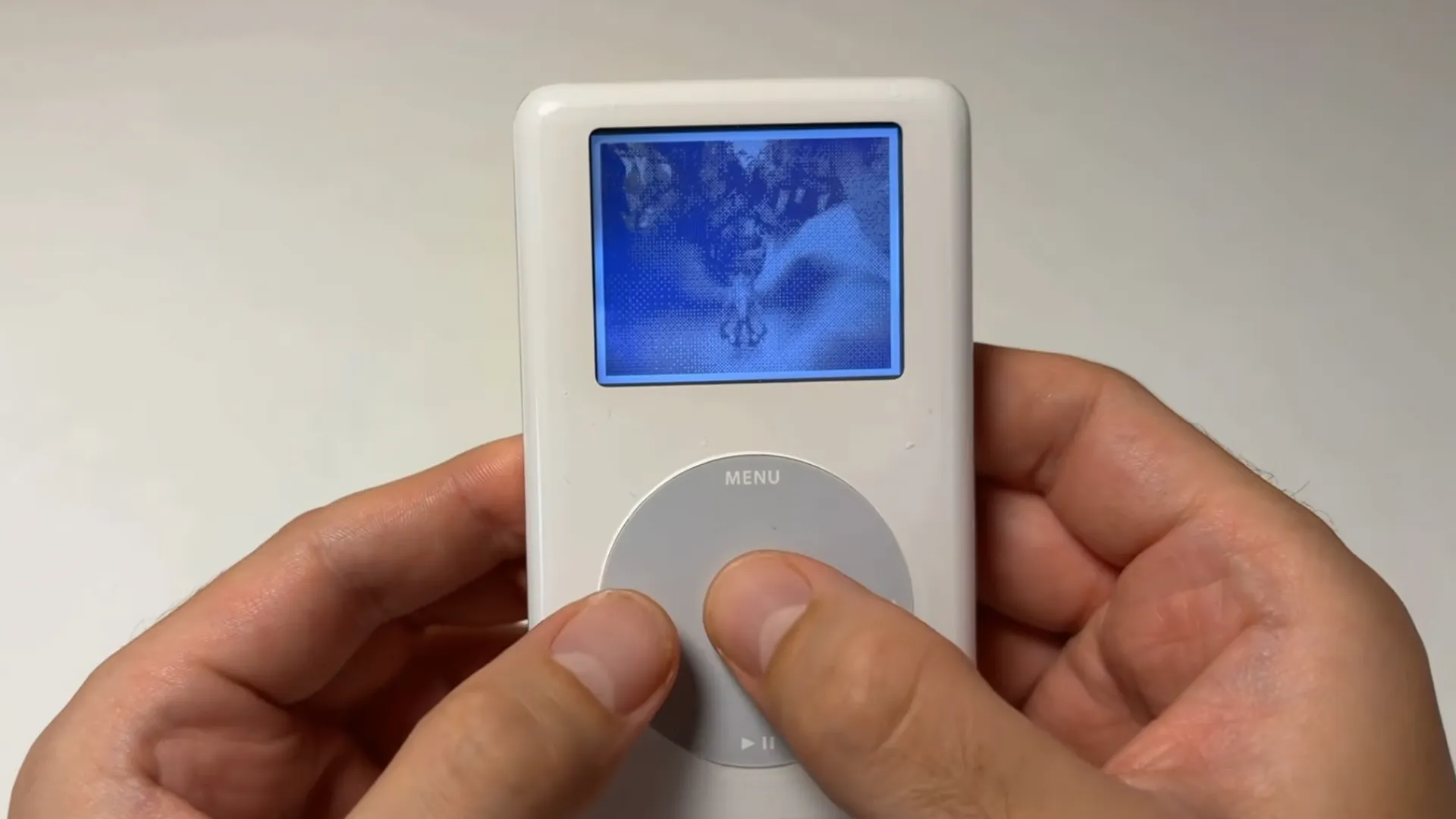
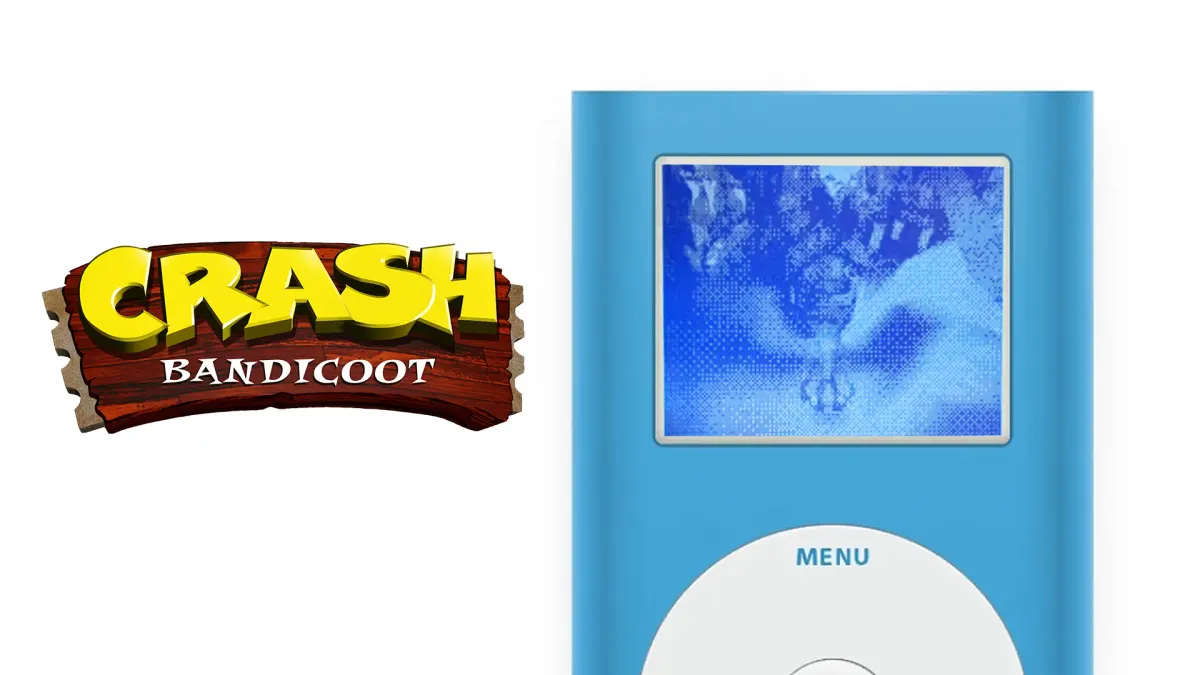
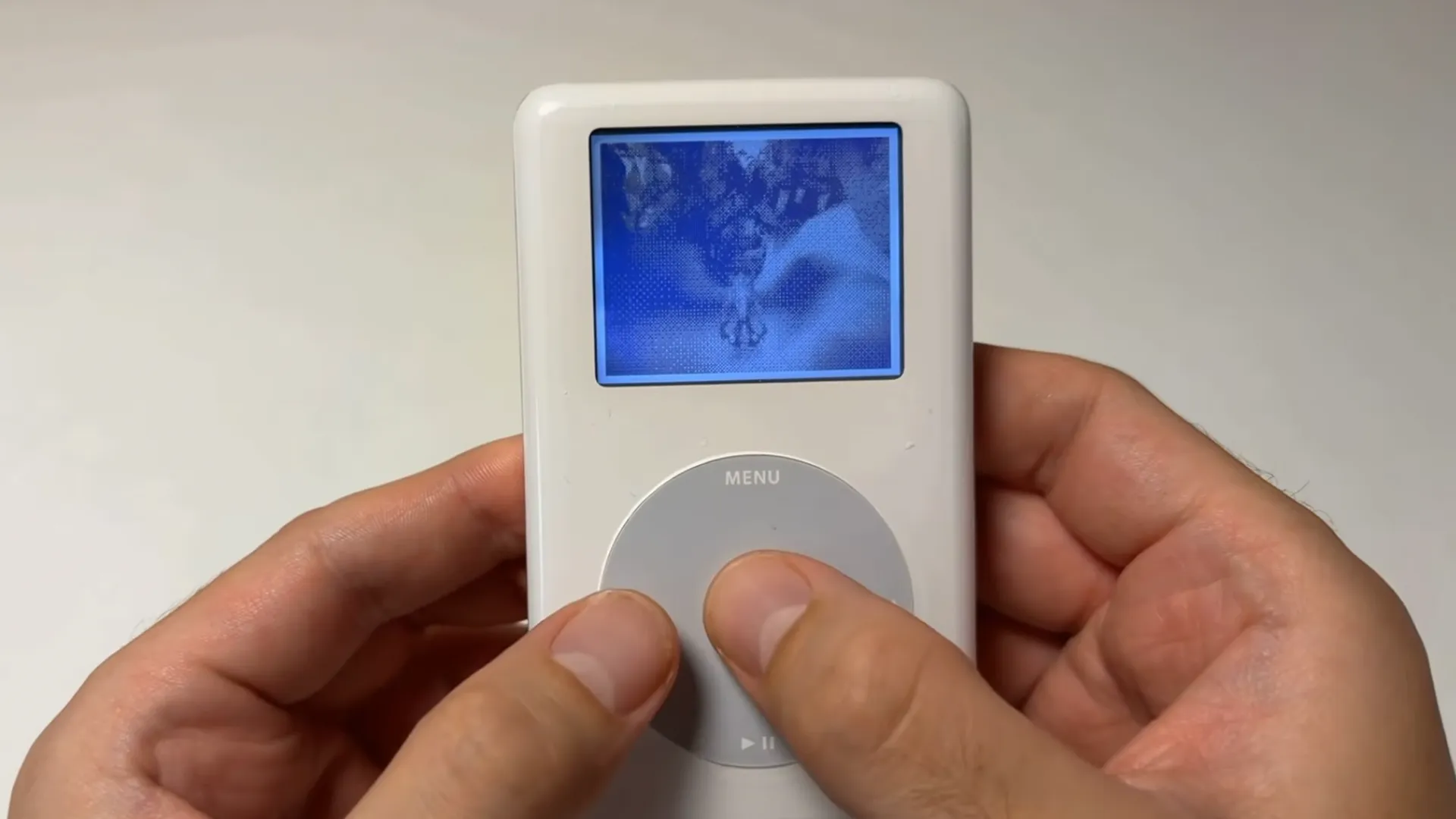
The intersection of vintage consumer electronics and modern maker ingenuity has produced an unexpected development: the classic PlayStation 1 platformer Crash Bandicoot running natively on a vintage Apple iPod. This technical feat is made possible by the Sprout project, an ambitious hardware overhaul designed to replace the stock logic boards of older Apple music players with custom-engineered printed circuit boards powered by modern microcontrollers.
While traditional portable media player modifications have largely focused on upgrading internal storage capacities from mechanical hard drives to solid-state flash memory or swapping out degraded lithium-ion batteries, the Sprout initiative completely reimagines the internal architecture of early-generation portable devices. By integrating contemporary connectivity standards, high-fidelity digital-to-analog converters, and programmable computing modules, developers are effectively transforming legacy music players into versatile pocket computers capable of executing unanticipated software workloads, including retro video game emulation.
The Evolution of iPod Modifications and Hardware Upgrades
Since Apple discontinued its iconic line of dedicated portable music players, a vibrant hobbyist community has dedicated itself to keeping the hardware functional. For well over a decade, enthusiasts have engaged in internal modifications—commonly referred to as "iPod modding"—to extend the lifespan of devices originally released in the early 2000s. Typical upgrades involved replacing the power-hungry, low-capacity 1.8-inch Toshiba mechanical hard drives with SD cards or compact flash adapters via iFlash boards, alongside the installation of larger aftermarket batteries.
Despite these hardware revivals, the core functionality of the device remained bound by its original limitations. Users were still reliant on legacy 30-pin dock connectors, wired analog headphone connections, and the iTunes software ecosystem for media synchronization. The Sprout project represents a paradigm shift by discarding the original logic board entirely, removing these architectural bottlenecks and replacing them with modern printed circuit board assemblies tailored specifically for the iPod 3rd Generation, 4th Generation, and the compact iPod Mini.
Technical Architecture of the Sprout Motherboard
At the core of the Sprout project is a modular approach to hardware replacement. The drop-in motherboard retains the external aesthetic, chassis integrity, mechanical click wheel, and monochrome or color LCD screens of the original devices while entirely modernizing the internal electronic components.

The replacement board is offered in two distinct configurations, catering to varying user requirements regarding performance and connectivity:
- Sprout Pico: Powered by the Raspberry Pi RP2350 microcontroller, this base version is engineered for rapid startup times and efficient power management. It natively supports local music libraries, podcast playback, and standard onboard storage management without the overhead of heavy operating systems.
- Sprout Pi: Expanding upon the base model, the Sprout Pi integrates a Raspberry Pi Compute Module Zero. This inclusion introduces advanced networking capabilities, allowing the legacy hardware to connect to modern Wi-Fi networks, stream audio content from contemporary subscription services such as Spotify and Apple Music, and execute custom third-party applications.
Additional modernizations standard across the Sprout platform include integrated Bluetooth connectivity for modern wireless peripherals like Apple AirPods, a high-fidelity digital-to-analog converter (DAC) for improved audio reproduction, a USB Type-C port for charging and data transfer, and a microSD card slot capable of supporting storage capacities up to 2 terabytes.
Chronology and Development Timeline
The path toward running complex software workloads on vintage music player hardware spans several decades of technological development, intersecting the historical timelines of both Apple Inc. and the retro-gaming preservation community.
- 2001–2004: Apple introduces the 3rd and 4th Generation iPods, alongside the smaller iPod Mini, establishing a dominant market share in digital music distribution and cementing the click wheel as an iconic user interface element.
- 2010s: As smartphones absorb the functionality of dedicated MP3 players, hobbyists begin reverse-engineering iPod firmware and developing open-source operating systems like Rockbox to bypass proprietary software limitations.
- Mid-2010s to 2020s: The retro-modding community standardizes flash-storage upgrades (such as iFlash) and battery replacements, sustaining the usability of aging Apple hardware for a niche consumer base.
- 2024–2025: Hardware developers conceptualize full logic board replacements using accessible microcontrollers and single-board computer modules, laying the groundwork for comprehensive internal retrofits.
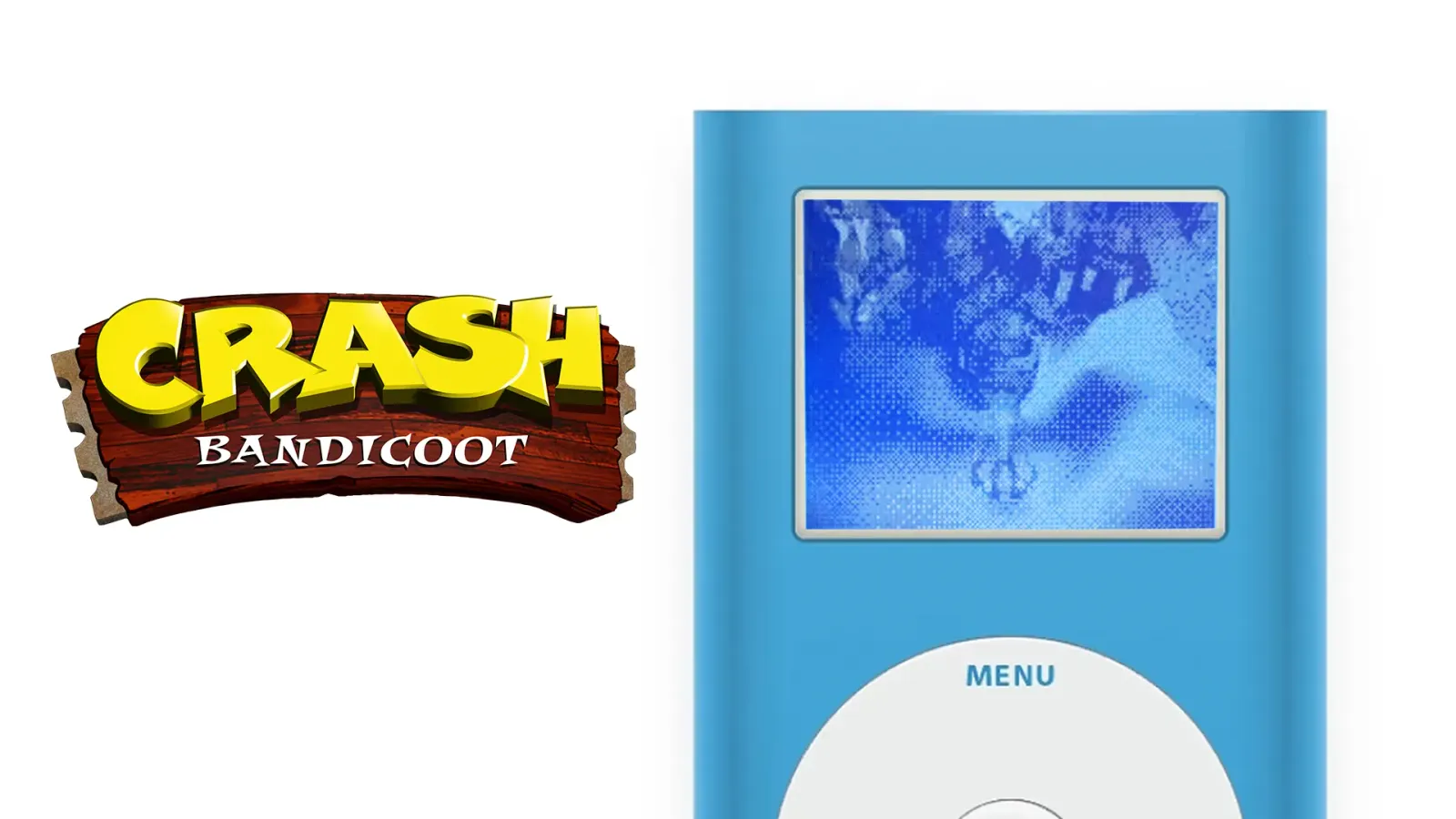
- October 2026: The creators of the Sprout project release technical demonstrations showcasing advanced firmware capabilities, culminating in promotional footage depicting the execution of software applications and retro video games—including the original PlayStation platformer Crash Bandicoot—running on a modified 4th Generation iPod.
Software Execution and Retro Gaming Implications
The demonstration of Crash Bandicoot executing on a modified iPod highlights the flexibility of the Sprout Pi’s computing architecture. Because the Raspberry Pi Compute Module Zero runs a specialized, lightweight operating system capable of executing custom user-space applications, developers can port emulators and compiled software packages directly to the hardware platform.
Interaction with the software presents notable ergonomic and interface challenges. The original iPod input scheme relies exclusively on a circular mechanical click wheel and a central select button, alongside four directional buttons on 3rd-generation models. Navigating a three-dimensional platforming title originally designed for a dual-analog PlayStation controller using a click wheel requires unconventional control mappings. While practical gameplay may prove cumbersome, the technical achievement serves as a proof of concept for the adaptability of modern embedded systems within vintage enclosures.
Market Response and Industry Context
The announcement and subsequent technical demonstrations of the Sprout motherboard have drawn significant attention from the retro-computing community, preservationists, and electronic hardware modders. Industry observers draw parallels between the iPod modification movement and the enduring popularity of Game Boy hardware customization, where third-party manufacturers routinely produce replacement shells, backlit IPS displays, and upgraded audio amplifiers for vintage Nintendo consoles.
By bridging the gap between legacy consumer electronics and modern IoT (Internet of Things) components, projects like Sprout challenge the planned obsolescence model prevalent in modern consumer technology. Rather than consigning functional hardware enclosures to electronic waste facilities due to obsolete internal components or degraded battery technology, modular motherboard replacements offer a sustainable pathway for hardware longevity.
Broader Impact and Future Outlook
The commercialization and deployment of replacement motherboards for discontinued consumer electronics point toward a growing niche market centered on right-to-repair initiatives and hardware upcycling. As crowdfunding platforms such as CrowdSupply facilitate the production of small-batch, specialized circuit boards, independent engineers gain the financial and logistical viability required to bring complex hardware modifications to market.
Future developments for the Sprout platform will depend heavily on consumer reception, manufacturing scalability, and the stability of the custom firmware ecosystem upon its official retail launch. Whether widespread adoption occurs among mainstream consumers or remains confined to technical enthusiasts and hardware hobbyists, the project successfully redefines the functional boundaries of early-2000s portable media technology, proving that even discontinued commercial hardware can be adapted to execute modern computational tasks.