Hartono Sudibyo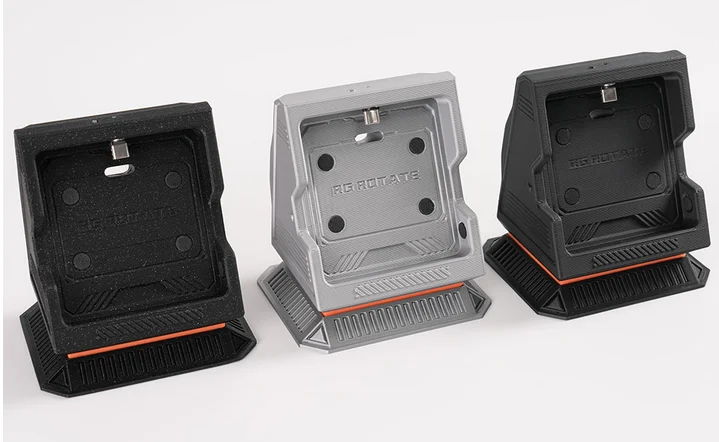
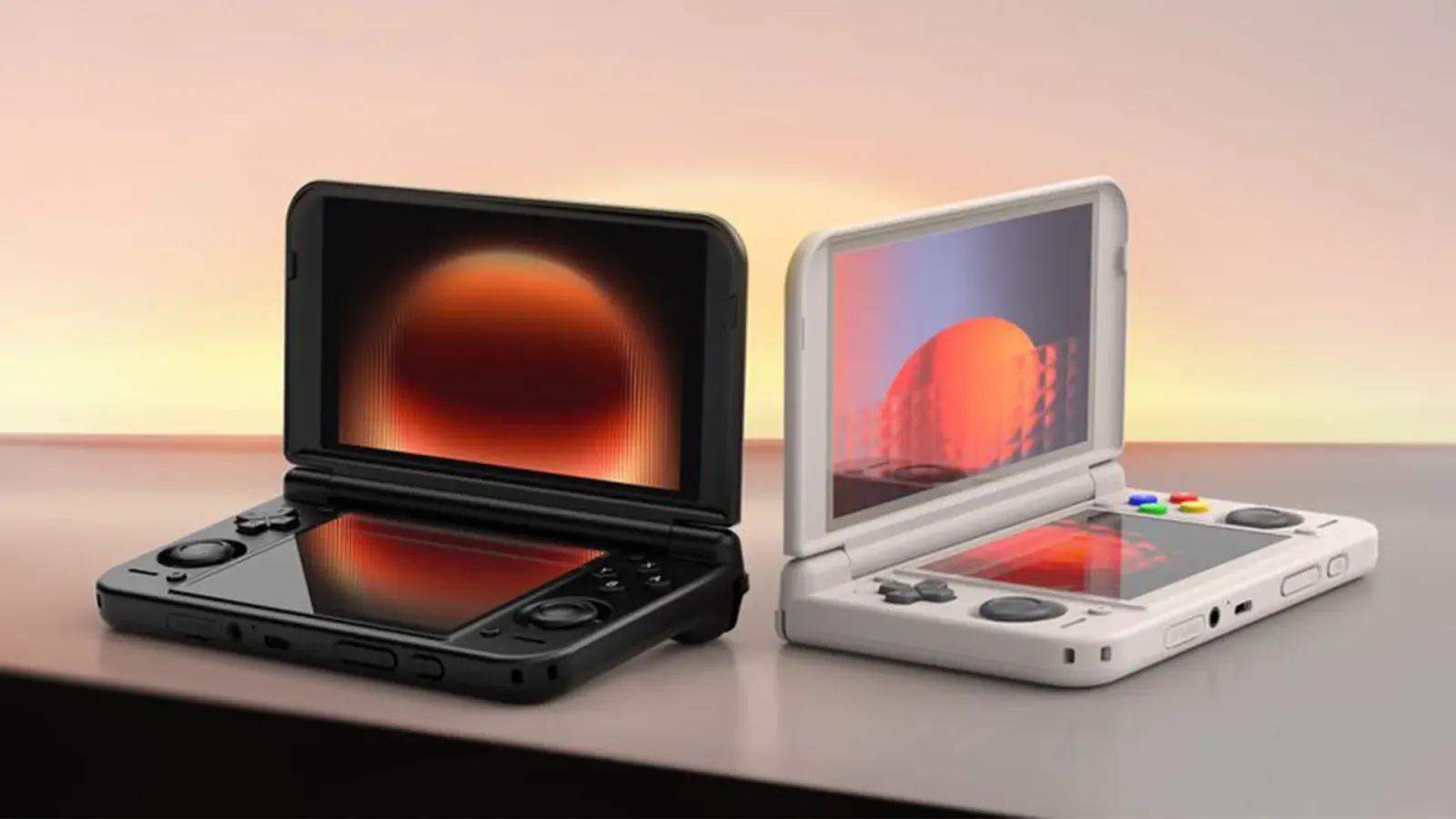
The ANBERNIC RG Rotate, a niche handheld gaming device lauded for its unique rotating screen mechanism and premium metal construction, has recently seen a surge of interest due to the release of a third-party accessory designed to augment its desktop usability. While ANBERNIC itself has introduced a watch mode with customizable watch faces, a significant limitation for users intending to display the device was the awkward positioning of the charging cable. This has prompted independent retailers, such as GoGameGeek, to develop and offer solutions, with a 3D-printed magnetic dock emerging as a notable option. This development highlights a growing trend of third-party innovation catering to the specific needs of retro gaming enthusiasts and their evolving hardware.
The Appeal of the RG Rotate: More Than Just a Novelty
The ANBERNIC RG Rotate has carved out a distinct space in the retro gaming handheld market. Its primary distinguishing feature is the innovative swivel mechanism that allows the screen to rotate, offering a versatile viewing experience that can adapt to different game genres and preferences. This, combined with a robust metal body, contributes to a premium feel and durability often sought after by collectors and serious retro gamers. The device’s display is frequently praised for its clarity and color reproduction, making it an ideal platform for revisiting classics from the Game Boy and Neo Geo eras, among other emulated systems.
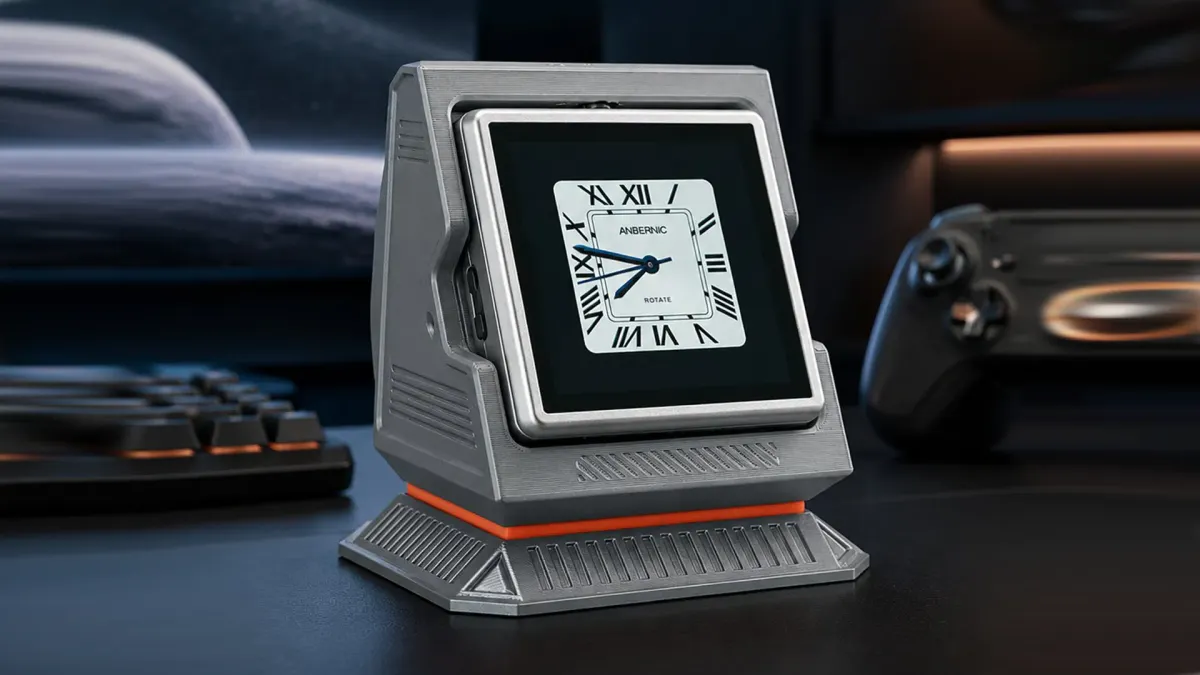
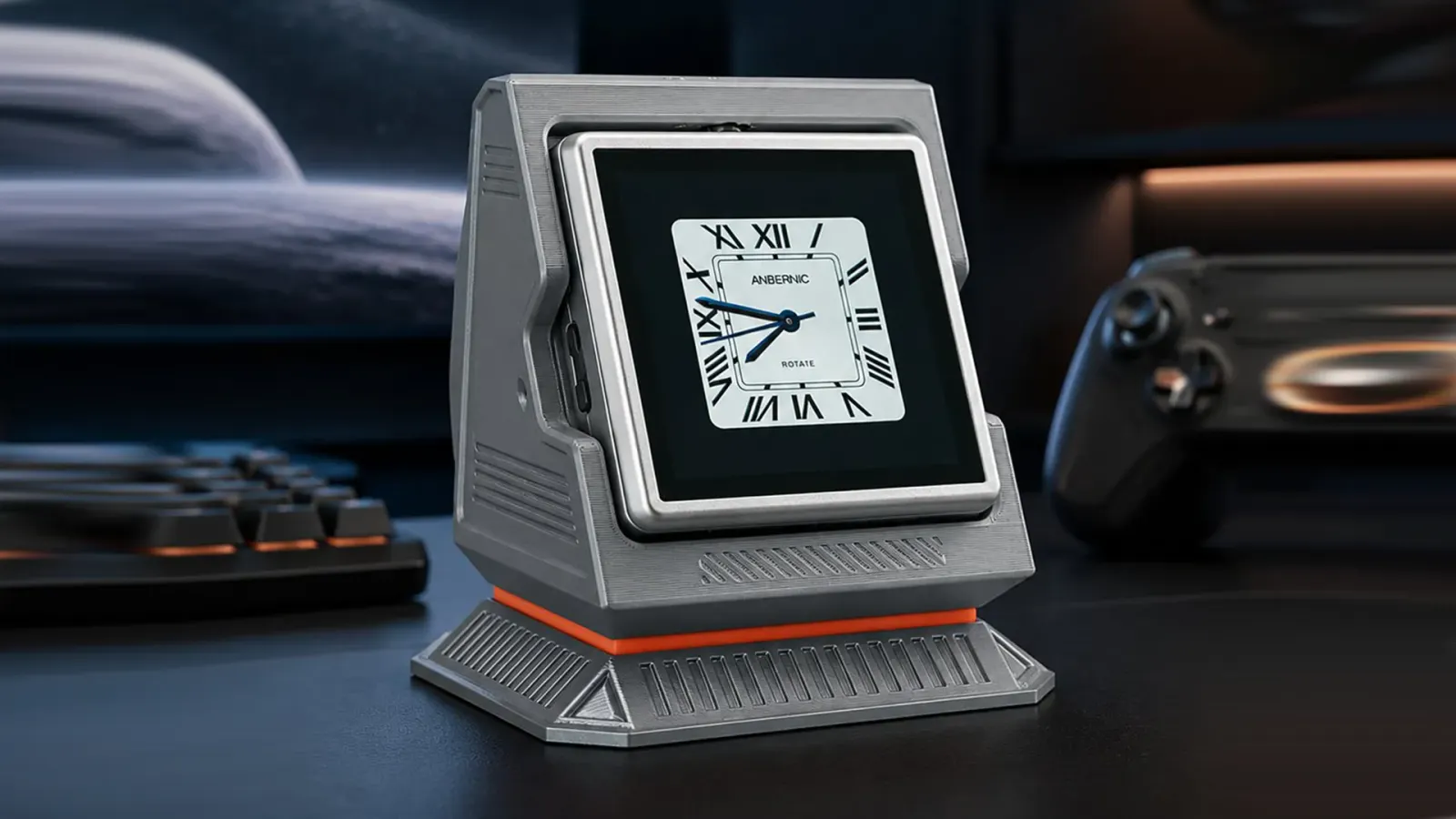
The RG Rotate’s appeal extends beyond its core emulation capabilities. Its form factor and unique rotating screen make it a conversation piece and a desirable item for those who appreciate thoughtful design in their tech. When not in active use for gaming, the device has found a secondary purpose as a desktop ornamental piece. This potential was further amplified by ANBERNIC’s own software update, which enabled a "watch mode." This feature allows users to transform the RG Rotate into a functional desk clock, displaying customizable watch faces. This move by ANBERNIC demonstrated an understanding of the device’s potential beyond its primary gaming function, encouraging users to integrate it into their daily environment.
Addressing the Charging Conundrum: A User-Driven Solution
Despite the added functionality of the watch mode, a practical challenge quickly became apparent for users who wished to use the RG Rotate as a permanent desktop fixture. The device’s USB-C charging port, while standard, is positioned in a way that makes discreet charging while the device is stationary difficult. Many users, including the author of the original report, found their RG Rotate devices housed in existing desktop stands, such as the "GAMENOOK Throne." While functional for display, these setups often resulted in a visually unappealing scenario where the charging cable dangled from the device, detracting from its aesthetic appeal as a desk accessory.
This specific pain point, a common observation within the RG Rotate user community, created an opportunity for third-party accessory manufacturers. Recognizing the demand for a more elegant charging solution, retailers specializing in handheld gaming peripherals began exploring innovative designs. The emergence of the 3D-printed magnetic dock from GoGameGeek represents a direct response to this user-identified need, aiming to seamlessly integrate charging capabilities with the device’s desktop display potential.
GoGameGeek’s Magnetic Dock: A Closer Look
GoGameGeek, a known third-party retailer for handheld gaming devices and accessories, has stepped in to fill the void with their magnetic charging dock. This accessory is explicitly designed to address the charging cable issue while maintaining a clean presentation of the RG Rotate. The dock is constructed using 3D printing technology, a method that allows for rapid prototyping and customization, making it accessible for smaller-scale accessory production.
The design of the dock incorporates several key features:

- Magnetic Alignment: Integrated magnets within the dock ensure that the metal-bodied RG Rotate sits securely and precisely in place. This not only provides stability but also aids in the alignment of the charging connector.
- Discreet Charging Integration: The dock features a USB-C connector that plugs into the bottom of the RG Rotate, facilitating charging without the cable being prominently visible. The power source connects to the back of the dock, allowing for a cleaner cable management solution.
- Aesthetic Harmony: The dock’s design is intended to complement the RG Rotate’s "futuristic" and curved aesthetic, aiming to avoid looking like an out-of-place addition to the device.
- Color Options: To cater to user preferences and match different device finishes, the dock is available in multiple color variations, including Silver, Starry Black, and Black.
The price point for this accessory is set at $32.99, positioning it as an accessible upgrade for dedicated RG Rotate owners. While the 3D-printed nature of the dock suggests a certain level of material finish and robustness, it is acknowledged that it may not match the premium feel of a professionally manufactured injection-molded or metal accessory. However, its functional utility and the solution it provides to a common user problem are its primary selling points.
The Evolution of Accessory Markets for Niche Handhelds
The development of accessories like the GoGameGeek dock for the ANBERNIC RG Rotate is indicative of a broader trend in the retro gaming hardware market. As dedicated handhelds become more sophisticated and users invest significant time and resources into these devices, the demand for complementary accessories grows. This includes not only protective cases and screen protectors but also functional enhancements that expand the device’s utility.
The RG Rotate’s unique rotating screen and its subsequent adoption as a desktop display piece highlight how user behavior and perceived value can evolve beyond the manufacturer’s original intent. This creates fertile ground for third-party innovation. Companies like GoGameGeek, by identifying and addressing these user-driven needs, can build a loyal customer base and establish themselves as valuable contributors to the retro gaming ecosystem.
Potential for Manufacturer Involvement and Future Developments
The author’s commentary suggests a desire for ANBERNIC itself to potentially develop a higher-quality, officially sanctioned dock. This aspiration underscores the perceived market gap and the potential for ANBERNIC to capitalize on it. A manufacturer-produced dock, potentially made from higher-grade plastics or even metal, could offer superior durability, a more refined aesthetic, and potentially integrate additional features like powered USB hubs or wireless charging capabilities.
However, the cost of developing and manufacturing such an accessory would likely be higher, potentially pushing the retail price beyond what many users might be willing to pay for an add-on. The current 3D-printed solution from GoGameGeek offers a more affordable entry point, making the benefits of enhanced desktop functionality accessible to a wider segment of the RG Rotate owner base.
The success of such third-party accessories also serves as valuable market research for the original hardware manufacturers. It demonstrates which features and improvements are most desired by their user base, informing future product development cycles. The RG Rotate’s journey from a unique gaming handheld to a potential desktop clock with an accompanying charging dock illustrates the dynamic interplay between manufacturers, third-party innovators, and the end-user community in shaping the lifecycle and perceived value of consumer electronics.
Broader Implications for the Retro Gaming Hardware Market
The ANBERNIC RG Rotate and its newly available magnetic charging dock exemplify a mature ecosystem forming around specialized retro gaming hardware. As the market for these devices continues to grow, so too does the demand for accessories that enhance their usability, durability, and aesthetic appeal. This trend has several implications:
- Niche Market Opportunities: The success of third-party accessories for devices like the RG Rotate indicates significant opportunities for smaller companies and independent creators to thrive by catering to specific needs within the retro gaming community.
- User-Driven Innovation: The development of the magnetic dock highlights how user feedback and identified pain points can directly lead to product innovation, often outpacing manufacturer-led development. This fosters a more responsive and adaptive market.
- Extended Product Lifecycles: By providing accessories that enhance functionality or offer new use cases, the perceived value and longevity of a handheld device can be extended, encouraging continued user engagement.
- Quality Tiers: The existence of both 3D-printed and potentially higher-end, manufacturer-produced accessories creates different quality and price tiers, allowing consumers to choose solutions that best fit their budget and expectations.
- The "Deskcessor" Trend: The RG Rotate’s transition to a desktop display with watch functionality, coupled with the need for a charging dock, points towards a growing trend of users integrating their retro gaming handhelds into their workspaces or living areas as functional decorative items, beyond their primary gaming purpose.
The ANBERNIC RG Rotate, with its distinctive rotating screen and metal build, has proven to be more than a fleeting novelty. Its ability to serve as a functional desk clock, facilitated by ANBERNIC’s software update, has been met with enthusiasm, but also with a practical challenge regarding charging. The emergence of the 3D-printed magnetic dock from GoGameGeek demonstrates the power of community-driven innovation, offering an elegant and functional solution that addresses a key user concern. This development not only benefits RG Rotate owners but also serves as a testament to the vibrant and adaptive nature of the retro gaming accessory market, hinting at further opportunities for both third-party developers and original hardware manufacturers to enhance the user experience. As the retro gaming landscape continues to evolve, such thoughtful accessory solutions will undoubtedly play an increasingly vital role in shaping user satisfaction and device longevity.