Farhan hamdan
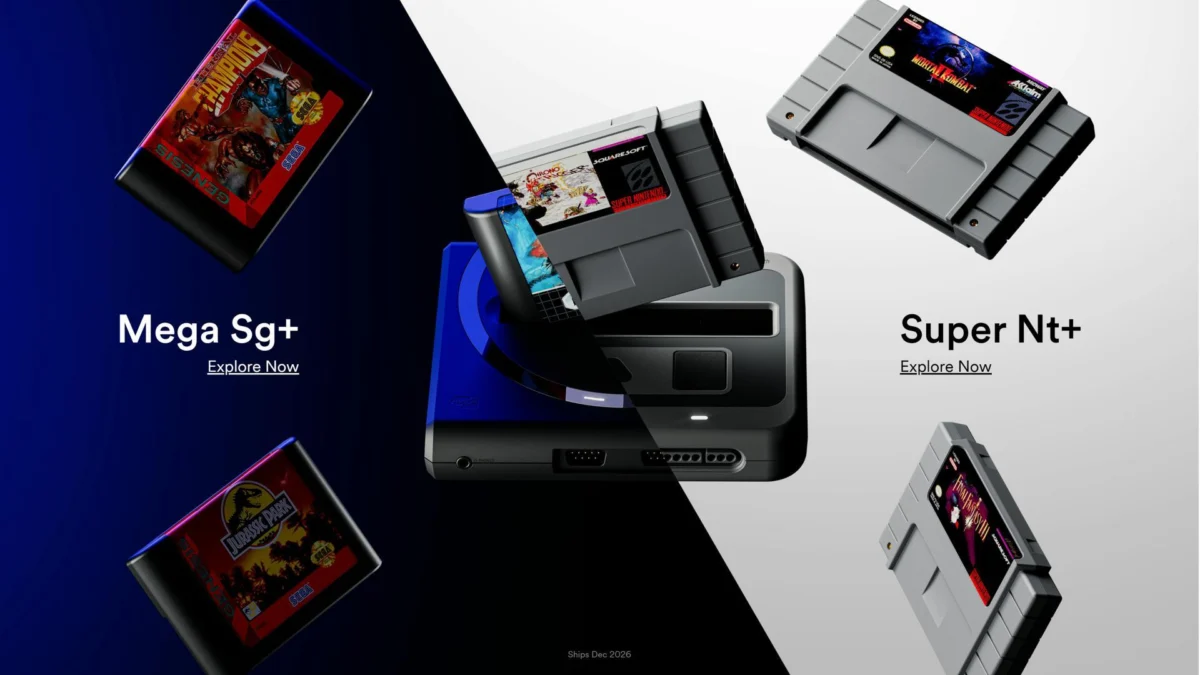
High-end retro gaming hardware manufacturer Analogue has officially confirmed the forthcoming rerelease of two of its most celebrated hardware-emulation systems: the Super Nt, an FPGA-based recreation of the Super Nintendo Entertainment System (SNES) and Super Famicom, and the Mega Sg, its counterpart designed for the Sega Genesis and Mega Drive. Pre-orders for both systems are scheduled to commence on Monday, October 19, at 11:00 a.m. Eastern Time, directly through the official Analogue online storefront. Priced at $220 per unit, the hardware is slated to begin shipping to consumers before the conclusion of the calendar year. This development brings an end to a protracted period of unavailability that has long forced retro gaming enthusiasts to rely on inflated secondary markets and speculative resellers.
The announcement marks a significant milestone for enthusiasts of cartridge-based physical media. Both the Super Nt and the Mega Sg utilize Field Programmable Gate Array (FPGA) technology rather than software emulation. This hardware-level approach allows the consoles to replicate the exact silicon architecture of the original 16-bit systems, ensuring cycle-accurate performance, near-zero input latency, and uncompromised compatibility with original game cartridges, regional adapters, and legacy accessories. By making these systems available once more at their original price point, Analogue aims to satisfy persistent demand from collectors and purists who prefer playing vintage titles on authentic hardware without the degradation and connectivity limitations often associated with aging, original thirty-year-old electronics.
Chronology and Historical Context of Analogue Systems
To understand the significance of this rerelease, it is necessary to examine the historical timeline of Analogue and its hardware ecosystem. Founded on the principle of delivering premium, luxury-grade legacy gaming experiences, the company initially gained prominence through high-end, custom-crafted aluminum modifications of original hardware, such as the Analogue NT, which incorporated original NES and Famicom components into solid-billet aluminum chassis. However, the company subsequently shifted its engineering focus toward custom FPGA development, partnering with hardware developer Kevin "Krikzz" Horton to produce systems that bypass the need for original donor consoles entirely.
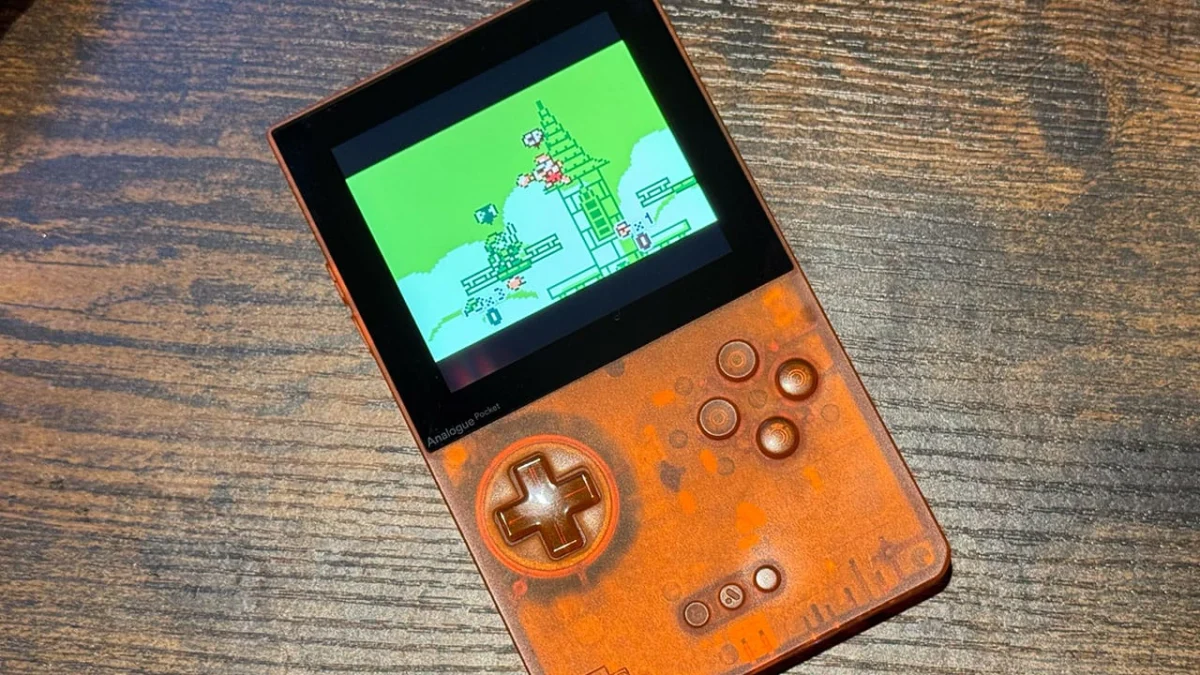
The Mega Sg was originally introduced to the market in 2018, followed closely by the launch of the Super Nt in the same general era. These machines quickly established a gold standard for retro gaming presentation, offering pristine digital-to-analog HDMI video scaling, lossless audio reproduction, and robust regional compatibility. Despite their critical acclaim and strong initial market demand, both systems eventually entered prolonged periods of stock depletion. Supply chain disruptions, global shortages of semiconductor components, and the prioritization of newer hardware initiatives—such as the universally praised Analogue Pocket handheld system—gradually pushed the Super Nt and Mega Sg out of active production. Throughout their absence, secondary market prices for both consoles routinely surged to double or triple their original retail value, creating a substantial barrier to entry for prospective users.
Hardware Specifications and Technical Refinements
While the core FPGA architecture of the upcoming Super Nt and Mega Sg units remains faithful to their initial iterations, Analogue has implemented several targeted refinements to align the hardware with contemporary standards. Chief among these physical updates is the long-overdue transition from the legacy Micro-USB power interface to a modern USB-C port, reflecting broader industry standards for power delivery and cable standardization. Furthermore, the official press documentation notes a comprehensively reworked industrial design, updated operating system firmware, and redesigned product packaging.
Connectivity options have also been streamlined to accommodate modern living room setups. Both consoles maintain native support for Bluetooth controllers, allowing users to pair contemporary wireless gamepads directly with the hardware. Additionally, the systems retain seamless compatibility with 8BitDo’s proprietary 2.4GHz wireless controllers, entirely eliminating the requirement for external USB dongles or bulky receiver modules plugged into the controller ports.

Critically, the hardware preserves native support for the Analogue DAC (Digital-to-Analog Converter), an optional peripheral designed to output pristine analog signals to cathode-ray tube (CRT) televisions and legacy monitors via RGB, component, S-Video, and composite connections. This inclusion is considered vital by the enthusiast community, particularly in light of upcoming open-source alternative video converters and scalers slated for commercial release. By ensuring continued DAC compatibility, Analogue has preserved the utility of the systems for purists who prefer traditional display technology over modern flat-screen panels.
Analysis of Limitations and Industry Expectations
Despite the enthusiastic reception surrounding the announcement, industry analysts and seasoned members of the retro gaming community have raised critical questions regarding the scope of the updates. Most notably, both the Super Nt and the Mega Sg remain strictly capped at a maximum output resolution of 1080p via HDMI. The absence of 1440p or 4K scaling options has drawn mild scrutiny, given that these hardware revisions arrive nearly a decade after the initial market debuts of the respective consoles. In an era where 4K displays are ubiquitous in consumer households, the retention of a 1080p ceiling requires users to rely on internal or external display scalers to bridge the resolution gap.
Furthermore, neither console incorporates support for openFPGA, the versatile, developer-friendly architecture popularized by the Analogue Pocket. The openFPGA ecosystem allows community developers to port hardware cores for a wide variety of alternate retro systems—ranging from 8-bit computers to early arcade boards—directly onto the device. The exclusion of this architecture means the Super Nt and Mega Sg will remain dedicated strictly to their respective 16-bit cartridges, rather than functioning as multi-system emulation hubs. This architectural boundary preserves the specialized nature of the consoles but limits the functional expansion that many modern consumers have come to expect from premium FPGA hardware.
Market Implications and Broader Industry Impact
The return of the Super Nt and Mega Sg to active retail channels carries notable implications for the broader retro gaming hardware market. Over the past several years, the intersection of nostalgia, intellectual property preservation, and hardware scarcity has fostered a thriving black market of scalpers and speculators. By replenishing official retail stock at the predictable $220 price point, Analogue effectively undercuts predatory secondary market pricing and dampens the economic incentives for automated scalper bots.
Moreover, the enduring popularity of FPGA technology underscores a growing consumer preference for hardware-level accuracy over software emulation, which can often introduce input lag, audio desynchronization, and visual artifacts. As digital storefronts for legacy consoles continue to face closures and shifting corporate priorities—exemplified by the historical decommissioning of digital storefronts by major console manufacturers—the reliance on physical media preservation tools has never been more pronounced.
The commercial success of this rerelease will likely serve as a litmus test for future hardware production cycles within the niche manufacturing sector. Observers will be closely monitoring how swiftly initial inventory depletes once pre-orders open on Monday morning, as well as whether Analogue intends to maintain sustained production runs or revert to limited-batch releases. If the hardware remains reliably in stock, it could signal a maturation of the boutique manufacturing supply chain, allowing high-end retro developers to meet global demand more consistently.
Ultimately, while the lack of modern resolution upgrades and openFPGA integration prevents this iteration from being classified as a generational leap forward, the Super Nt and Mega Sg remain premier engineering achievements in the realm of legacy hardware preservation. As pre-orders draw near, the collective attention of the retro gaming community is firmly fixed on Analogue’s storefront, anticipating the return of two definitive instruments for experiencing the golden age of 16-bit video gaming.