Vera Clarissa
Apple officially announced the developer beta for iOS 27 at its Worldwide Developer Conference (WWDC) 2026 on June 8th, 2026, with a planned consumer release scheduled for September 2026. This significant software update, positioned as a "Snow Leopard"-esque release by some industry observers due to its focus on refinement and robust feature integration over radical redesign, was unveiled alongside a suite of updated operating systems including macOS Golden Gate, iPadOS 27, visionOS 27, watchOS 27, and tvOS 27. iOS 27 promises a wealth of new features and substantial improvements over its predecessor, iOS 26, with a notable emphasis on enhanced AI capabilities through Apple Intelligence and refinements to the user interface, including the ability to adjust translucency levels on the "Liquid Glass UI."

The announcement at WWDC 2026, a pivotal event in Apple’s annual calendar that showcases its latest software and hardware innovations to developers and the public, generated considerable anticipation. Historically, WWDC has served as the platform for introducing major operating system updates, setting the stage for the subsequent hardware releases in the fall. The "Snow Leopard" comparison suggests a strategy of delivering a stable, performant, and feature-rich experience, building upon the foundations laid in previous releases, rather than a complete overhaul. This approach often resonates well with users seeking reliability and meaningful enhancements.
A key aspect of iOS 27’s rollout is its broad device compatibility. Apple has confirmed that no iPhone models will be dropped from support compared to iOS 26. This means that any iPhone 11 or newer will be capable of running the latest operating system. This commitment to maintaining support for older devices, extending back to models released in 2019, underscores Apple’s strategy of providing longevity for its hardware and ensuring a large user base can benefit from its advancements. Furthermore, Apple has leveraged its most sophisticated CPU scheduler, incorporating algorithmic advancements that are expected to benefit all supported devices, potentially leading to improved performance and battery efficiency across the iPhone lineup.
The Dawn of Enhanced Apple Intelligence and a Smarter Siri
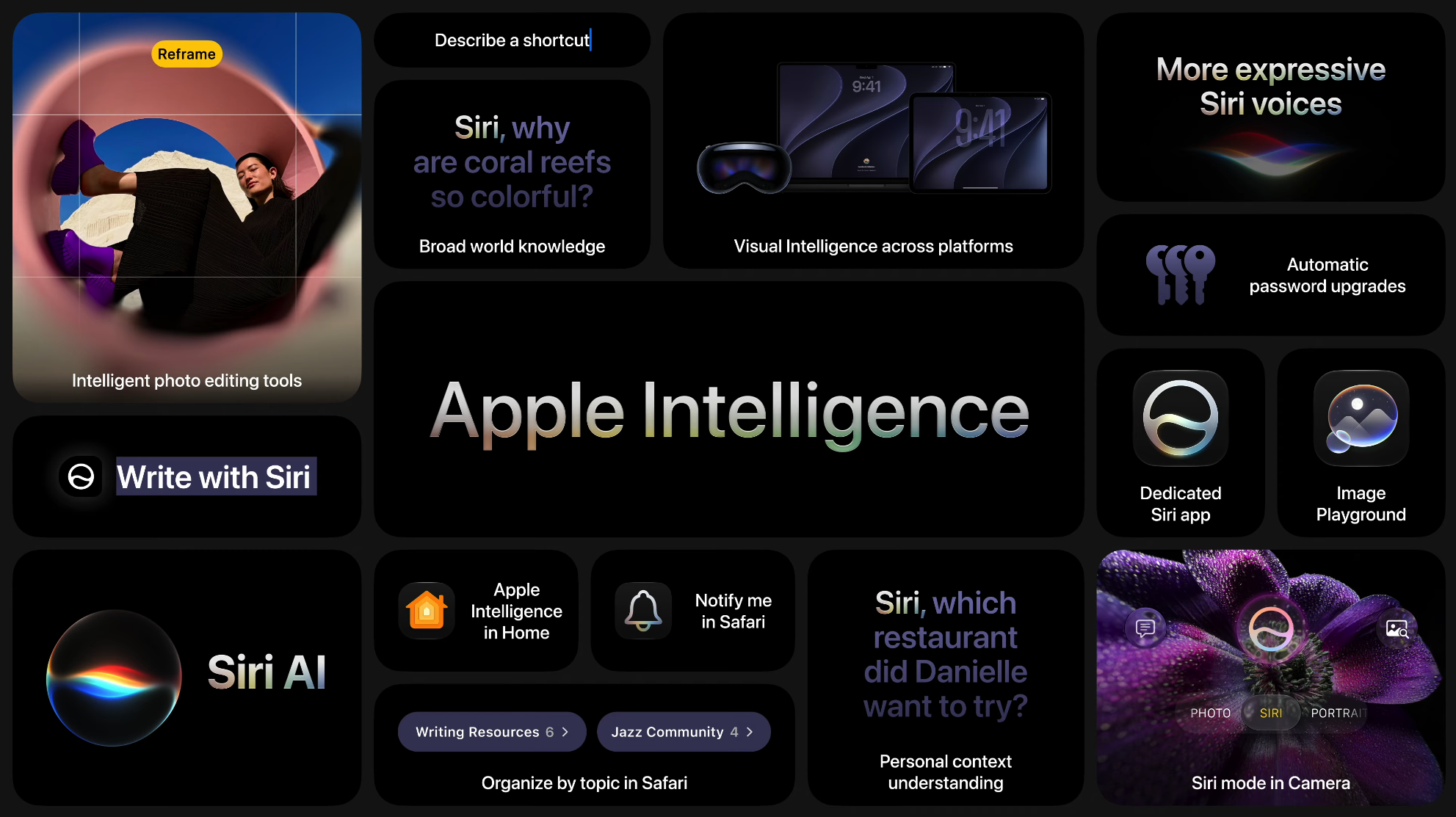
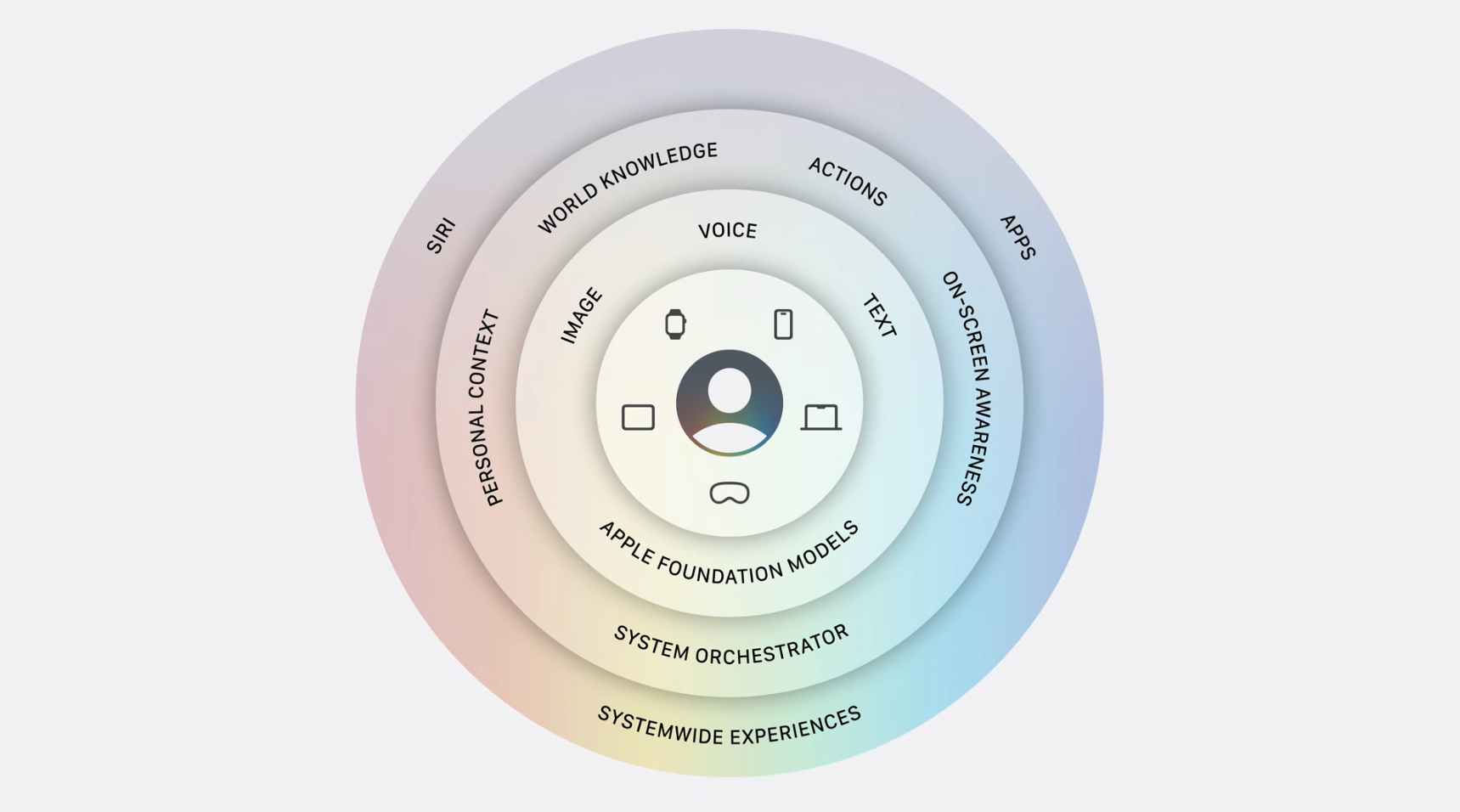
The most significant transformative element within iOS 27 is the deep integration of Apple Intelligence, a new personal intelligence system that redefines how users interact with their devices. This system is designed to be deeply personal, understanding and acting on user context and preferences to provide proactive assistance and enhance productivity. Apple Intelligence operates on a dual-processing model, utilizing both on-device processing for speed and privacy, and private cloud compute for more complex tasks. Crucially, Apple has emphasized that user data processed through private cloud compute is not stored, and requests are only sent to the cloud when necessary, with strong privacy safeguards in place to protect individual information.
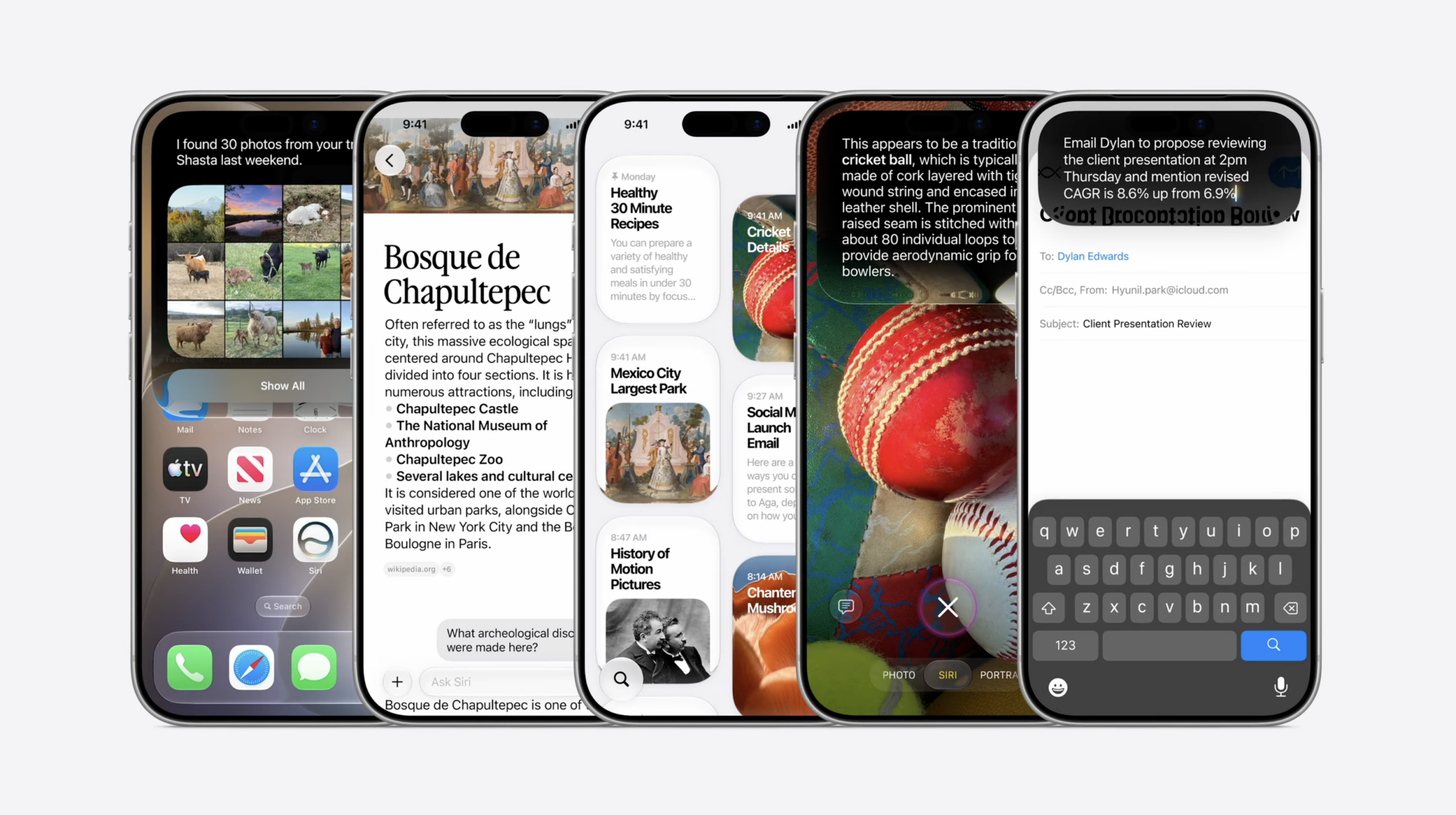
The revamped Siri, powered by Apple Intelligence, represents a monumental leap forward for Apple’s virtual assistant. No longer limited to simple commands, the new Siri is capable of understanding natural language with unprecedented nuance and context. It can perform a far wider range of actions across apps, manage notifications more intelligently, and even engage in more fluid, conversational interactions. However, access to the full capabilities of the new Siri will not be immediate for all users. Apple has implemented a waitlist system within the Settings app, suggesting a phased rollout or a need for users to opt-in to experience the most advanced AI features, likely to manage server load and gather user feedback during the initial stages.
The integration of Apple Intelligence extends to various core applications and system-wide functionalities. For instance, users can expect enhanced writing tools that can rewrite text in different tones, summarize documents, and proofread content with greater accuracy. Image generation capabilities will allow users to create original images based on textual descriptions, adding a creative dimension to their digital communication. The system’s ability to understand and act on context across apps means Siri can, for example, retrieve a specific photo based on a description of who is in it and where it was taken, or access and summarize information from emails and messages without requiring explicit instructions to open specific applications.
Refinements to the Liquid Glass UI and System-Wide Enhancements
Beyond the AI revolution, iOS 27 introduces significant refinements to the user interface, building upon the "Liquid Glass UI" introduced in iOS 26. While the core aesthetic is maintained, iOS 27 allows users to adjust translucency levels, offering a greater degree of personalization and visual control. This feature, reminiscent of the granular customization options seen in the "Snow Leopard" era of macOS, empowers users to tailor the look and feel of their devices to their specific preferences, potentially improving readability in various lighting conditions or simply catering to aesthetic tastes. The ability to fine-tune translucency suggests a more mature design philosophy, focusing on user agency and subtle enhancements rather than dramatic visual shifts.
The operating system also benefits from under-the-hood improvements, most notably in its advanced CPU scheduler. By incorporating algorithmic advancements, Apple aims to optimize resource allocation and task management, leading to a more responsive and efficient user experience. This translates to faster app launches, smoother multitasking, and improved power management, ensuring that even older supported devices can deliver a fluid and capable performance.
Chronology of the iOS 27 Announcement and Release
- June 8th, 2026: Apple announces the developer beta of iOS 27 at WWDC 2026. The announcement is made by Apple executives during the keynote presentation, showcasing key features and outlining the development roadmap.
- June 8th, 2026: Following the keynote, Apple makes the iOS 27 developer beta available for download to registered developers. This allows them to begin testing their applications and providing feedback.
- July 2026 (estimated): Apple typically releases public betas of its major operating system updates. It is anticipated that a public beta for iOS 27 will become available to a wider audience of beta testers during this period, allowing for broader testing and feedback collection from the general public.
- September 2026 (scheduled): The consumer release of iOS 27 is slated for this month. This marks the official launch of the new operating system, making it available for all compatible iPhone models through an over-the-air update.
- Fall 2026: Following the iOS 27 launch, Apple is expected to release new iPhone models that will come pre-installed with iOS 27. These new devices will likely showcase hardware advancements designed to complement the software features.
Features and Improvements: A Deeper Dive
While the original announcement did not provide an exhaustive list, industry analysis and developer previews suggest a range of enhancements beyond the headline features:
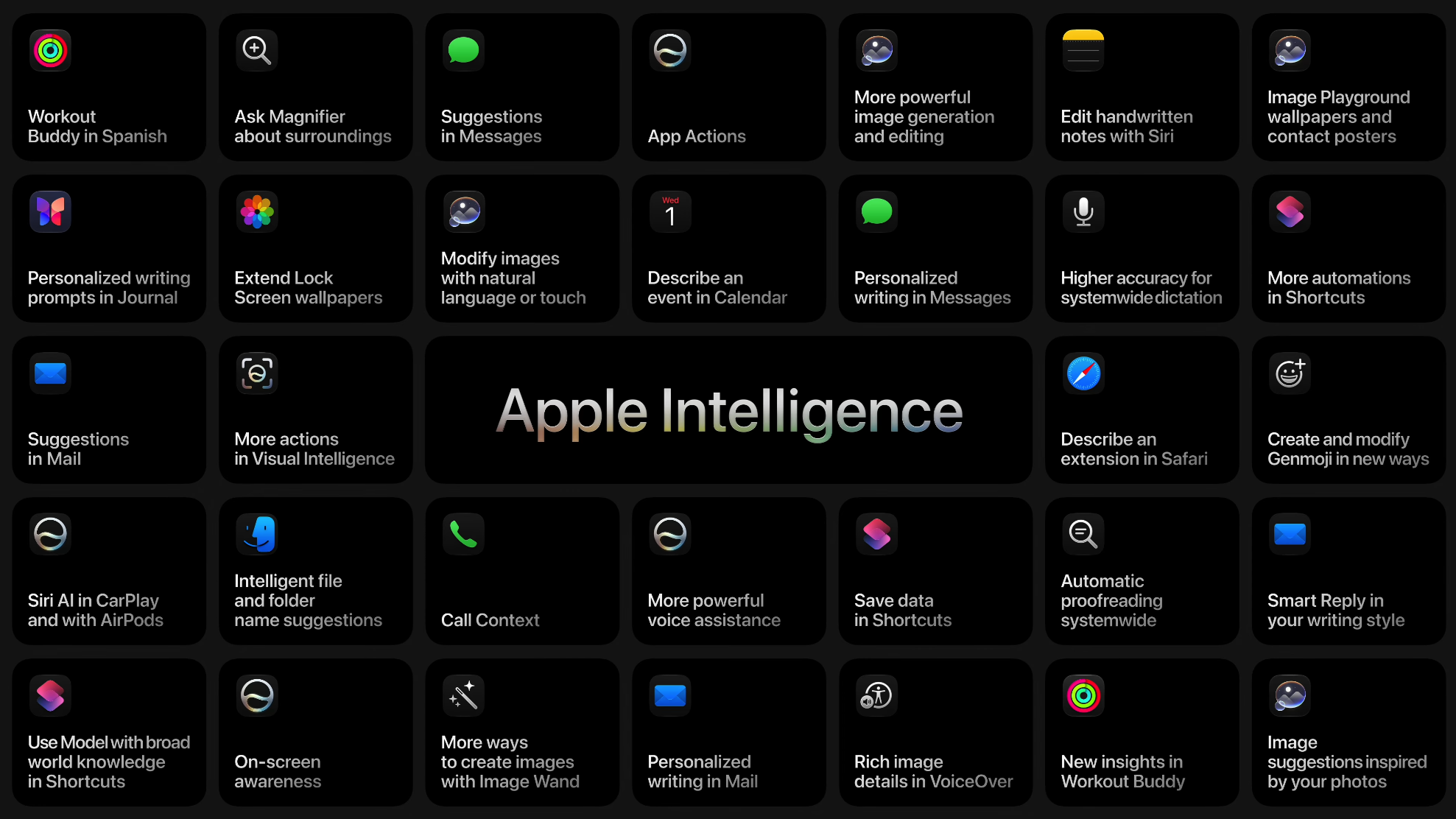
- Enhanced Privacy Controls: Building on Apple’s strong privacy stance, iOS 27 is expected to introduce more granular controls over app permissions and data access, with clearer explanations of how user data is utilized.
- Improved Multitasking and Window Management: For iPad users, iPadOS 27, which shares much of its core with iOS 27, is anticipated to feature more robust multitasking capabilities, potentially including enhanced Stage Manager functionality and more flexible window management.
- Health and Fitness Integration: Updates to the Health app and Workout app are likely, potentially incorporating new metrics, personalized insights, and improved integration with Apple Watch.
- Home App Enhancements: The Home app is expected to see improvements in device management, automation, and potentially support for new smart home standards, further solidifying Apple’s presence in the connected home ecosystem.
- Accessibility Features: Apple consistently enhances its accessibility features, and iOS 27 is likely to include new tools and refinements for users with diverse needs.
- App Updates and Performance Optimizations: Core applications like Mail, Safari, and Messages are expected to receive feature updates and performance boosts, leveraging the new OS capabilities.
System Requirements and Device Compatibility
The broad compatibility of iOS 27 is a significant win for users with slightly older devices. The confirmation that the iPhone 11 and newer models will be supported means a large installed base will be able to upgrade. This includes:
- iPhone 11 Series: iPhone 11, iPhone 11 Pro, iPhone 11 Pro Max
- iPhone 12 Series: iPhone 12, iPhone 12 mini, iPhone 12 Pro, iPhone 12 Pro Max
- iPhone 13 Series: iPhone 13, iPhone 13 mini, iPhone 13 Pro, iPhone 13 Pro Max
- iPhone 14 Series: iPhone 14, iPhone 14 Plus, iPhone 14 Pro, iPhone 14 Pro Max
- iPhone 15 Series: iPhone 15, iPhone 15 Plus, iPhone 15 Pro, iPhone 15 Pro Max
- Future iPhone Models: Any new iPhone models released after the iPhone 15 series will also be compatible.
This extended support cycle for older devices is a testament to Apple’s engineering prowess and its commitment to its user base, providing a consistent and evolving experience across a wide range of hardware. The underlying advancements in the CPU scheduler are particularly crucial for ensuring that these older devices can still deliver a satisfactory level of performance with the more demanding features of iOS 27.
Analysis and Broader Impact
The introduction of iOS 27, particularly with its focus on Apple Intelligence and the refined user experience, signals Apple’s continued strategic direction. The emphasis on on-device processing for AI tasks, coupled with stringent privacy measures for cloud-based computations, addresses growing user concerns about data privacy in the age of AI. This approach positions Apple as a leader in responsible AI development, aiming to provide powerful intelligent features without compromising user confidentiality.
The "Snow Leopard" positioning suggests a period of maturity and refinement for iOS, where the focus is on perfecting existing paradigms and integrating new technologies seamlessly rather than disruptive innovation. This can lead to a more stable and predictable user experience, which is often highly valued by a broad consumer base. By extending support to the iPhone 11, Apple demonstrates a commitment to device longevity and reducing electronic waste, a growing concern in the technology sector.
The phased rollout of the new Siri, requiring users to join a waitlist, is a pragmatic approach to managing the introduction of a complex new technology. It allows Apple to iterate based on real-world usage patterns and ensure a high-quality experience for users as the system scales. This also provides an opportunity for developers to adapt their applications to the new AI capabilities, fostering a richer ecosystem of intelligent features.
The success of iOS 27 will hinge on its ability to deliver on the promise of enhanced intelligence and a smoother user experience. The coming months, with the public beta and the final consumer release, will be crucial in assessing the real-world performance and user reception of these new advancements. As Apple continues to weave AI deeper into its operating systems, the implications for user interaction, productivity, and the broader digital landscape are profound, setting a new benchmark for personal computing.